Cootamundra wattle
Acacia baileyana. Family Fabaceae. Tree.
Also called Bailey's wattle, Golden mimosa.
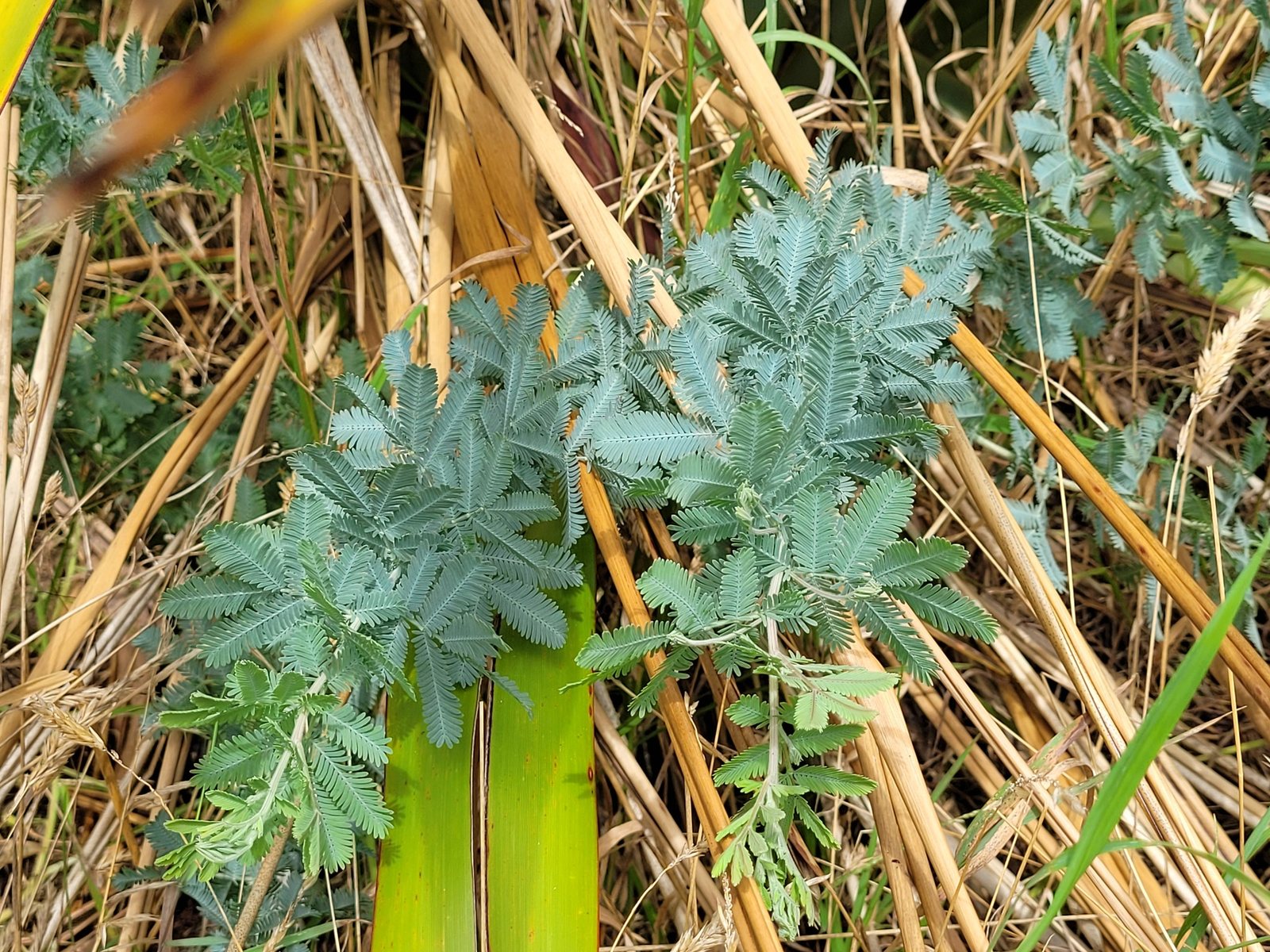
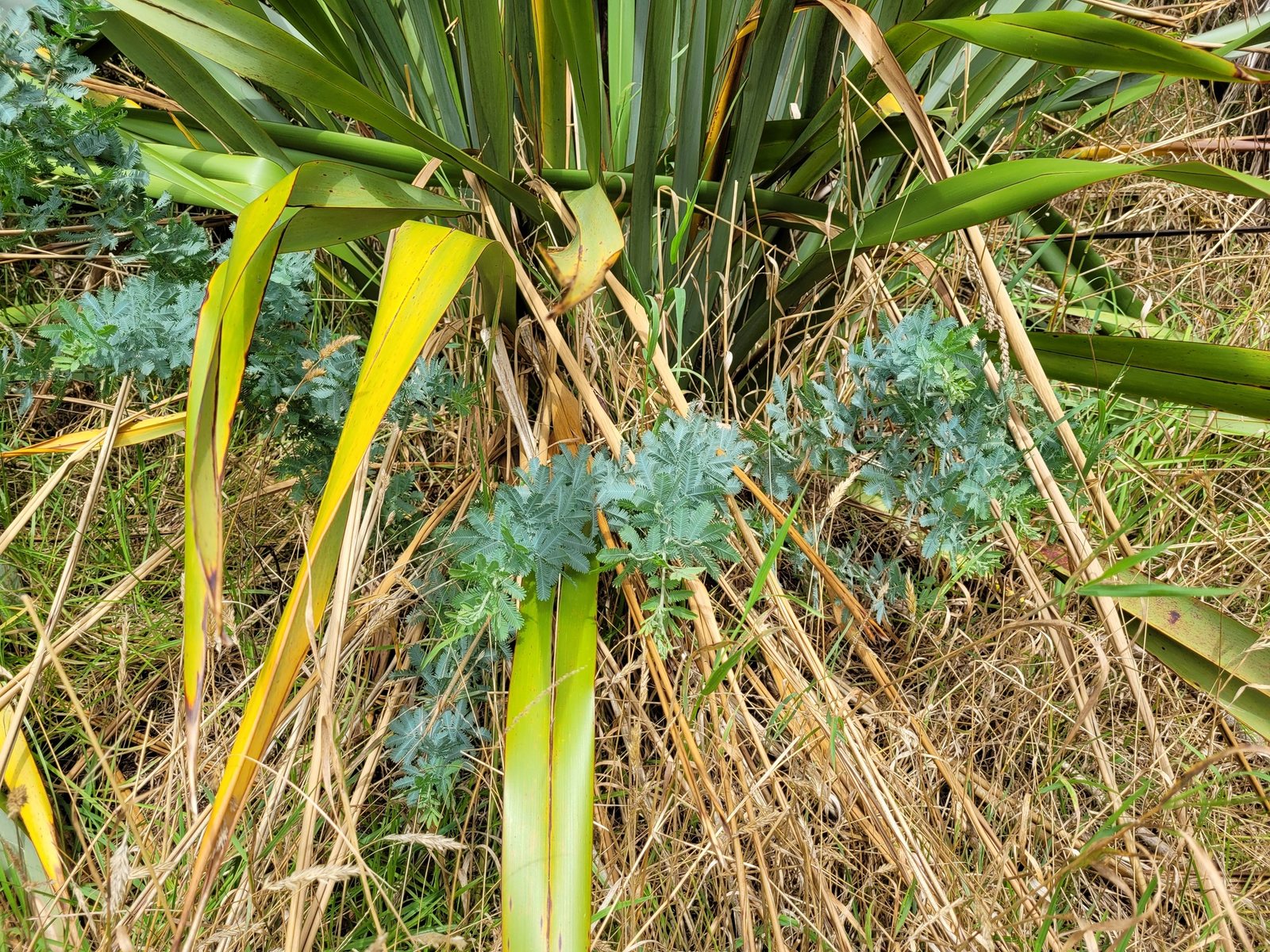
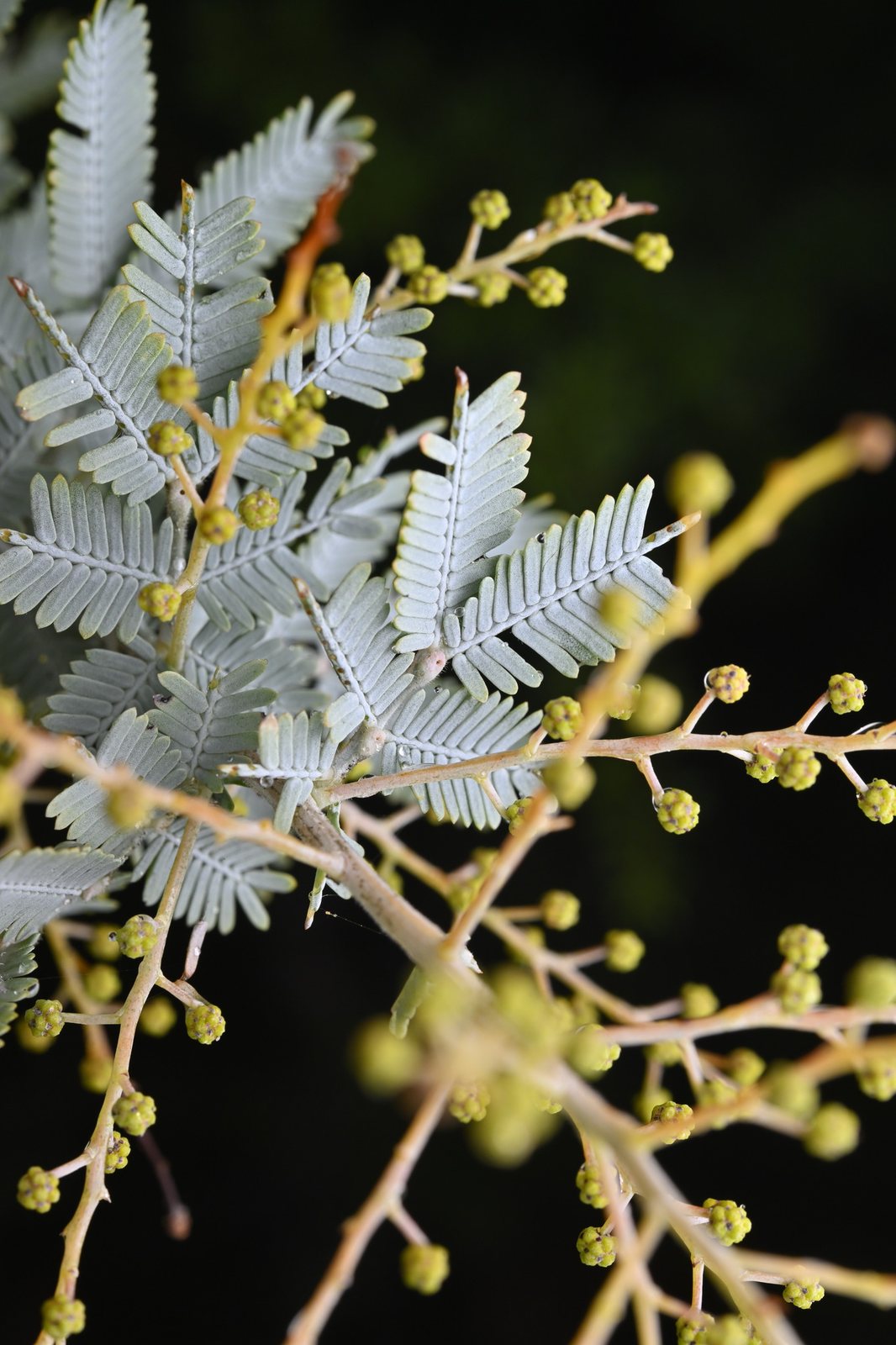
A fast-growing evergreen small tree with finely divided, silver-blue leaves and masses of fragrant yellow flowers in late winter and early spring. Grow it as a foliage and flowering specimen in a sunny, sheltered garden with mild winters; it is unsuitable for most of Canada and colder inland gardens. Check local restrictions before planting because it readily escapes cultivation in several regions.
At a glance
- Sun
- Full sun; shelter from cold, drying winds.
- Water
- Water regularly while establishing; once rooted, it tolerates drought and needs occasional deep watering during prolonged dry weather.
- Soil
- Well-drained sandy, gravelly or loamy soil, preferably slightly acidic to neutral. Avoid waterlogged ground and very chalky soil.
- Height
- 15-25 ft (4.5-7.5 m)
- Spread
- 12-20 ft (3.7-6 m)
- Flowers
- Clusters of fragrant, golden-yellow flower balls in late winter to early spring, usually January-March in mild Northern Hemisphere gardens and July-September in Australia.
- Foliage
- Evergreen, silver-blue leaves divided into small, feathery leaflets.
- Growth
- Fast
- Care needed
- Low
The year at a glance
- Pollinators
- Drought tolerant
- Heat tolerant
- Wildlife
- Fragrant
| J | F | M | A | M | J | J | A | S | O | N | D | |
|---|---|---|---|---|---|---|---|---|---|---|---|---|
| Flowers | ||||||||||||
| Fruit | ||||||||||||
| Plant |
Northern hemisphere months. In Australia, shift them by six.
- Difficulty
- Hard
- Toughness
- Fairly tough
Will it suit your garden?
Pick your zone, country, light and whether you have pets.
Full sun is 6 or more hours of direct sun a day, part shade 3 to 6 hours, shade under 3.
How it grows
Planting day
7 ft (2 m)
After 1 year
8 ft (2.3 m)
After 2 years
9 ft (2.6 m)
After 3 years
10 ft (2.9 m)
After 5 years
12 ft (3.5 m)
About 13 years to full size.
From a typical nursery size, at an average rate for this kind of plant. A rule of thumb, not a forecast.
Good to know
- Cats and dogs
- Safe
- Native to
- Australia
- Invasive in
- the US
- In the garden
- Spreads vigorously: plan to contain it.
- Growth rate
- Fast
Care
Jobs through the year
- WaterApr–May, Sep–Oct, every 28 days
- Water established ground plants only during prolonged drought; water young trees more often.
- WaterJun–Aug, every 21 days
- Deep-water established ground plants only in prolonged dry weather; pots need closer monitoring.
- WaterJan–Mar, Nov–Dec, every 14 days
- For pots in frost-free shelter, water sparingly before the root ball dries completely.
- PruneMar–Apr
- Lightly shape after flowering; remove developing pods where practical and avoid bare old wood.
- MulchMay
- Apply 5–8 cm of mulch over the root zone, leaving the trunk clear.
- ProtectJan–Apr, Sep–Dec
- Unsuitable as a permanent outdoor tree in zones 6–7; overwinter manageable pots frost-free.
- ProtectMay–Oct, every 30 days
- Remove unwanted seedlings promptly and check that any supporting ties are not rubbing.
- Plant in spring in frost-prone gardens, keeping the root ball intact.
- Water deeply through the first growing season, letting the surface soil dry between waterings.
- Apply 2-3 in (5-8 cm) of mulch, keeping it clear of the trunk.
- Avoid routine feeding; rich soil and heavy fertilising encourage soft growth.
- Stake only where needed for stability, using a low stake and removing it once the roots hold firmly.
- Remove unwanted seedlings promptly, especially near natural vegetation.
Pruning. Prune lightly immediately after flowering, shortening leafy shoots and removing dead, damaged or crossing branches. Do not cut hard into old, leafless wood, which may not regrow reliably.
Through the year
- Late winter
- Enjoy flowering; check young trees for frost damage but wait until frost risk has passed before removing damaged growth.
- Early spring
- After flowering, lightly shape the canopy and remove developing seed pods where practical.
- Spring
- Plant new trees after hard frosts, water thoroughly and mulch.
- Summer
- Deep-water young trees during dry spells; established trees usually need much less water.
- Autumn
- Pull up seedlings while small and check that stakes and ties are not rubbing the bark.
- Winter
- Protect young plants with horticultural fleece during brief cold snaps and keep the root zone free-draining.
In the garden
- Use as a small specimen tree where the silver foliage can be seen against dark evergreen planting.
- Place behind drought-tolerant shrubs and grasses for a light, feathery canopy and winter colour.
- Combine with purple-flowered shrubs in a sunny gravel garden for contrasting foliage and flowers.
- Use in a mild-climate Australian planting, provided it is not invasive locally.
Garden styles it suits: Australian native, Mediterranean, Dry gravel garden, Winter interest, Desert / xeriscape and Wildlife garden.
Plant it with: Lavender, Rosemary, Rockrose, Westringia, Kangaroo paw and Lomandra.
Wildlife: Flowers provide pollen for bees and other insects, and the canopy offers cover for small birds. Outside its native range, its spread can displace local vegetation and reduce habitat quality.
Problems to watch for
- Root rot and decline in wet soil: improve drainage before planting and avoid frequent watering of established trees.
- Frost scorch or branch dieback: choose a sheltered site, protect young trees and prune damaged growth after frost risk passes.
- Scale insects and sooty mould: check stems and leaf undersides; treat accessible infestations with a labelled horticultural oil and avoid spraying during heat.
- Wind damage or unstable young trees: provide shelter, stake temporarily if necessary and remove weak or crossing branches while young.
Safety
Not known to be toxic to people, cats, dogs or horses, but reliable species-specific safety information is limited. Do not treat the seeds, pods, leaves or bark as edible, and prevent pets or livestock from browsing large amounts.
Where it spreads. Invasive in parts of southeastern and southwestern Australia outside its small native range around Cootamundra, New South Wales, including parts of Victoria, South Australia and Western Australia. It is also invasive in parts of California and South Africa, and has escaped cultivation in New Zealand. Check local weed lists before planting; it can also hybridise with other wattles.
Easily confused with
Silver wattle (Acacia dealbata)
Usually a much larger tree with more finely divided leaves: each leaf generally has many more pairs of side divisions than the few broad pairs on Cootamundra wattle.
Early black wattle (Acacia decurrens)
Has greener, less silvery foliage and conspicuously ridged young stems; Cootamundra wattle has blue-grey leaves and less prominently ridged stems.
The name
Cootamundra refers to its native district in New South Wales, while baileyana honours the botanist Frederick Manson Bailey.
Propagation. Usually grown from seed. Pour just-boiled water over the seeds, leave them to soak as the water cools overnight, then sow swollen seeds in a free-draining seed mix in warm conditions. Named forms may not come true from seed and are generally propagated by cuttings or grafting;
Checked against open data
- Accepted botanical name
- Acacia baileyana
- In the US and Canada
- Introduced in the lower 48 states.
- Native range
- New South Wales.
- Measured
- Average height 520 cm.
Sources: GBIF (CC BY 4.0), USDA PLANTS and Trefle (CC BY 4.0). The care and design notes are LandscapeGPT's own.
See it in your own yard.
Upload a photo of your yard and see it redesigned with plants that suit your climate, each checked against your zone.