Corkscrew hazel
Corylus avellana 'Contorta'. Family Betulaceae. Shrub.
Also called Contorted hazel, Harry Lauder's walking stick.
A deciduous hazel with strongly twisted branches and curled green leaves, grown mainly for its bare winter outline and hanging catkins. Give it room to develop its branching shape; grafted plants need regular removal of straight-growing shoots from the rootstock.
At a glance
- Sun
- Full sun to partial shade; branching is usually denser in good light.
- Water
- Keep the soil evenly moist during establishment. Established plants tolerate short dry spells, but water deeply during prolonged drought.
- Soil
- Moist, well-drained soil, including clay if it does not stay waterlogged; tolerates acidic, neutral and alkaline conditions.
- Height
- 8-12 ft (2.4-3.7 m)
- Spread
- 8-12 ft (2.4-3.7 m)
- Flowers
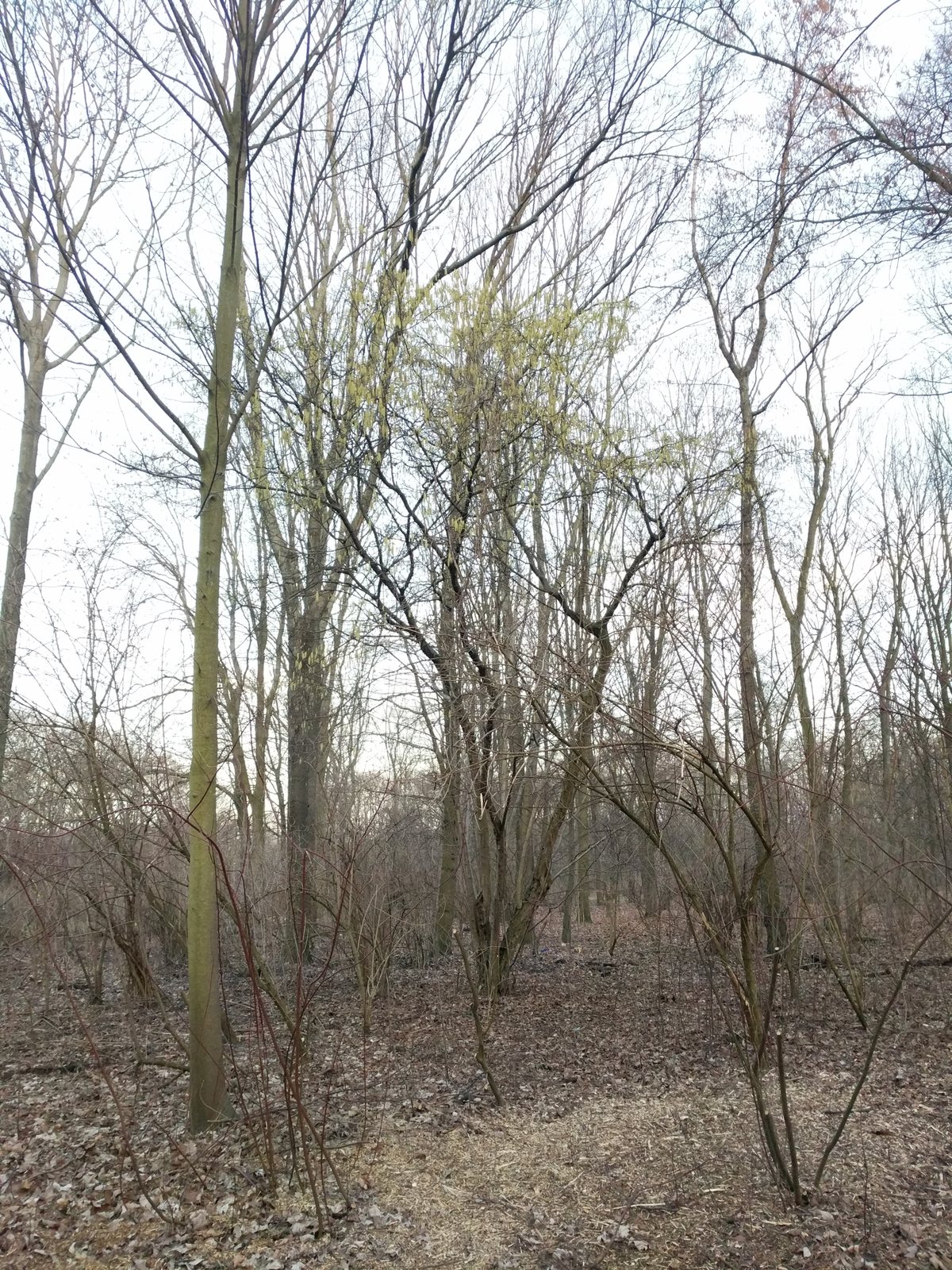
- Late winter to early spring: hanging yellow male catkins and tiny red female flowers, before the leaves open.
- Foliage
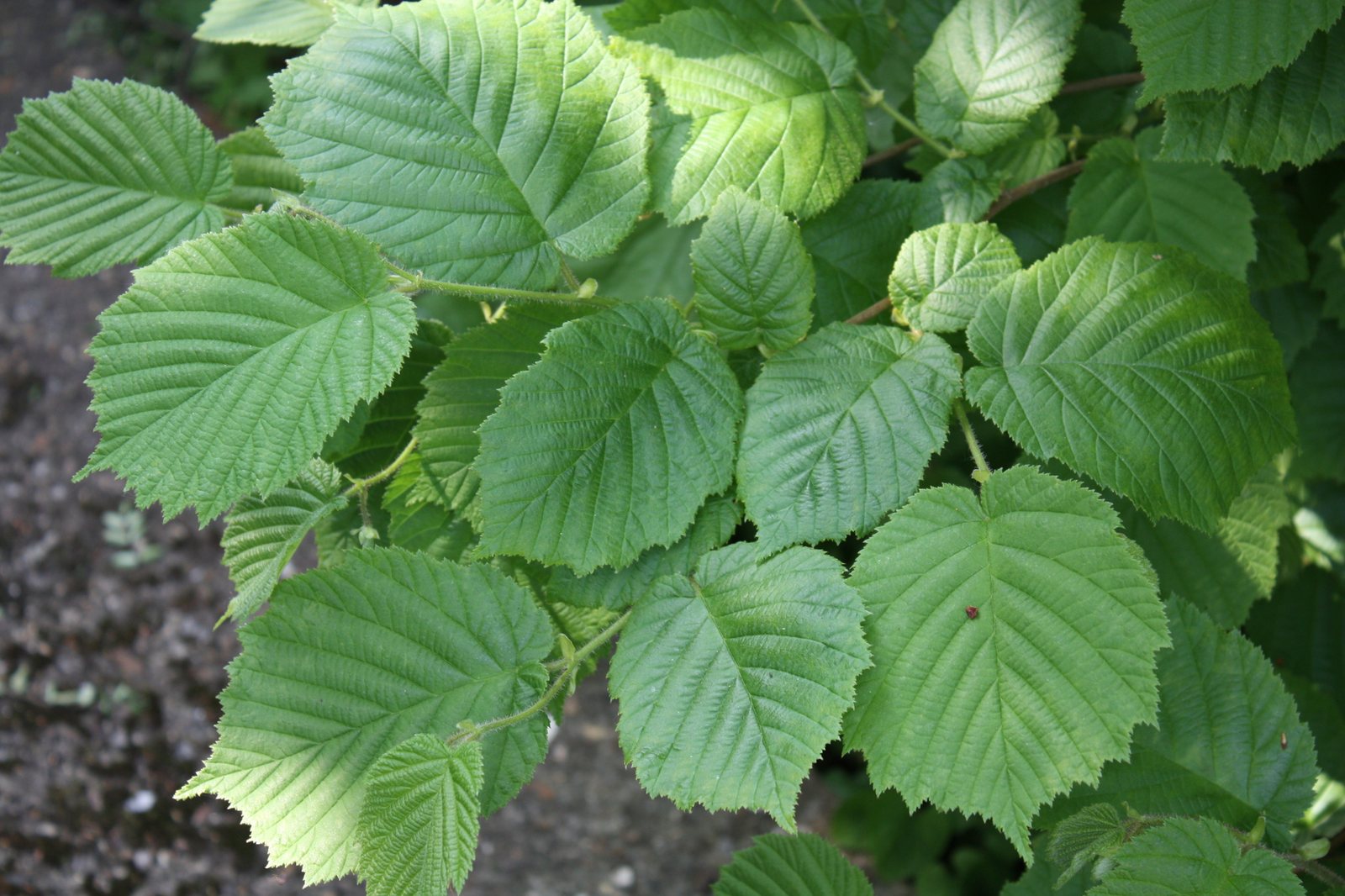
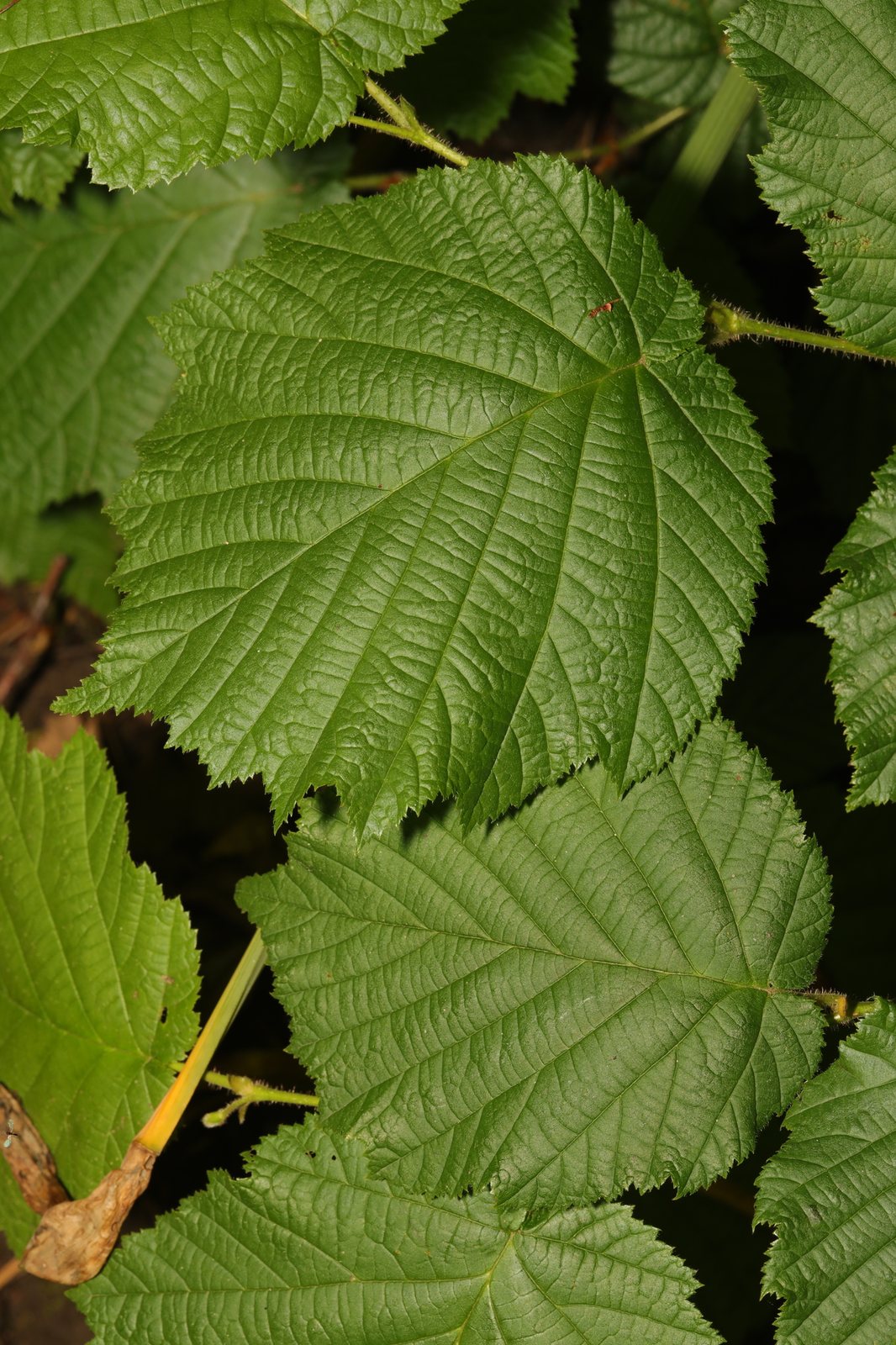
- Rounded, toothed green leaves with a conspicuously curled or puckered surface; often yellow in autumn.
- Growth
- Slow to moderate
- Care needed
- Medium
The year at a glance
- Pollinators
- Cold hardy
- Wildlife
| J | F | M | A | M | J | J | A | S | O | N | D | |
|---|---|---|---|---|---|---|---|---|---|---|---|---|
| Flowers | ||||||||||||
| Plant |
Northern hemisphere months. In Australia, shift them by six.
- Difficulty
- Moderate
- Toughness
- Fairly tough
Will it suit your garden?
Pick your zone, country, light and whether you have pets.
Full sun is 6 or more hours of direct sun a day, part shade 3 to 6 hours, shade under 3.
How it grows
Planting day
1.6 ft (0.5 m)
After 1 year
2.9 ft (0.89 m)
After 2 years
4 ft (1.3 m)
After 3 years
6 ft (1.7 m)
After 5 years
8 ft (2.5 m)
About 7 years to full size.
From a typical nursery size, at an average rate for this kind of plant. A rule of thumb, not a forecast.
Good to know
- Cats and dogs
- Safe
- Native to
- the UK
- Growth rate
- Slow
Care
Jobs through the year
- WaterApr–May, Sep–Oct, every 14 days
- For established plants, water deeply only if soil is dry; water young plants more often.
- WaterJun–Aug, every 7 days
- Water established plants during prolonged drought; keep young plants evenly moist.
- MulchMar–Apr
- Renew organic mulch to 5–8 cm deep, keeping stem bases clear.
- FeedMar–Apr
- Feed lightly only if growth is weak or soil is poor.
- PruneMar–Apr
- After catkins fade, remove damaged or crossing branches while preserving twisted growth.
- PruneApr–Sep, every 30 days
- Check for straight rootstock suckers and remove them at their origin.
- ProtectJan–Feb, Dec
- Inspect bare branches for blight cankers; remove infected wood well below damage in dry weather.
- Water deeply through the first two growing seasons whenever the root zone begins to dry.
- Apply 2-3 in (5-8 cm) of organic mulch, keeping it clear of the stems.
- Remove straight-growing rootstock shoots at their point of origin; expose the base rather than cutting them off at soil level.
- Feed lightly in spring only if growth is weak or the soil is poor; avoid heavy nitrogen feeding.
- Allow space for the mature spread rather than keeping it small by repeated clipping.
Pruning. Prune lightly after the catkins finish, before the leaves fully expand, removing dead, damaged or crossing branches and selectively thinning congested growth. Preserve the twisted framework and remove rootstock suckers whenever they appear.
Through the year
- Autumn
- Plant while the soil is workable and moist, then water thoroughly and mulch.
- Winter
- Check the bare framework for dead wood and elongated, sunken cankers.
- Late winter
- Enjoy the catkins; mark any crowded or crossing branches for selective pruning.
- Early spring
- Prune after flowering and replenish mulch without covering the stem bases.
- Late spring
- Inspect the base for vigorous straight shoots and remove them at their origin.
- Summer
- Water during prolonged dry weather, especially while the plant is young, and check again for suckers.
In the garden
- Use as a winter focal point where its bare branches can be seen from a window or path.
- Set against a dark evergreen hedge to make the twisted stems and yellow catkins stand out.
- Underplant with snowdrops, winter aconites and hellebores for interest before leaf emergence.
- Place near the edge of a mixed shrub border, leaving enough space to appreciate its full outline.
Garden styles it suits: Winter interest, Architectural minimal, Cottage garden, English country, Woodland and Sensory garden.
Plant it with: Snowdrops, Winter aconites, Hellebores, Cyclamen, Japanese forest grass and Yew.
Wildlife: Catkins provide early pollen for bees, though hazel is wind-pollinated. Leaves support some moth caterpillars, and any nuts produced may feed squirrels and birds; this cultivar is not a dependable nut crop.
Problems to watch for
- Eastern filbert blight: a serious risk in North America, causing elongated branch cankers and dieback. Prune infected branches well below visible damage in dry weather; severely affected plants may need removal. Choose a resistant alternative where the disease is established.
- Straight rootstock suckers: vigorous untwisted shoots can overwhelm the ornamental growth. Trace each one to its origin and remove it promptly.
- Aphids: colonies may cause sticky honeydew and distorted young growth. Wash off small infestations with water and encourage natural predators; use insecticidal soap if necessary.
- Waterlogging: persistently wet soil can cause root decline and dieback. Improve drainage or move the plant to a better-drained position.
Safety
Not known to be toxic to cats, dogs, horses or people. The nuts are edible, but hazelnut allergy can be serious, and whole nuts or shells can cause choking or digestive obstruction in pets.
Easily confused with
Common hazel (Corylus avellana)
Has similar rounded leaves and catkins, but its stems are normally straight rather than strongly twisted; its leaves are also less curled.
Corkscrew willow (Salix babylonica 'Tortuosa')
Also has twisted shoots, but bears long, narrow leaves and grows much faster into a larger tree.
The name
The cultivar name 'Contorta' means twisted, referring to its contorted branches, while corkscrew hazel describes the same feature.
Propagation. Layer a low, twisted branch or use grafting to preserve the cultivar. Seedlings will not reliably retain the contorted growth. Own-root plants produced by layering avoid the problem of straight rootstock suckers.
Checked against open data
- Accepted botanical name
- Corylus avellana
- In the US and Canada
- Introduced in Canada and the lower 48 states.
- Native range
- Albania, Austria, Baltic States, Belarus, Belgium, Bulgaria, Central European Rus, Corse, Czechoslovakia, Denmark, East Aegean Is. and East European Russia.
- Measured
- Soil pH 5.5 to 6.5. Average height 710 cm.
Sources: GBIF (CC BY 4.0), USDA PLANTS and Trefle (CC BY 4.0). The care and design notes are LandscapeGPT's own.
See it in your own yard.
Upload a photo of your yard and see it redesigned with plants that suit your climate, each checked against your zone.