Correa Dusky Bells
Correa 'Dusky Bells'. Family Rutaceae. Shrub.
Also called Dusky Bells Australian fuchsia, Correa 'Dusky Bells'.
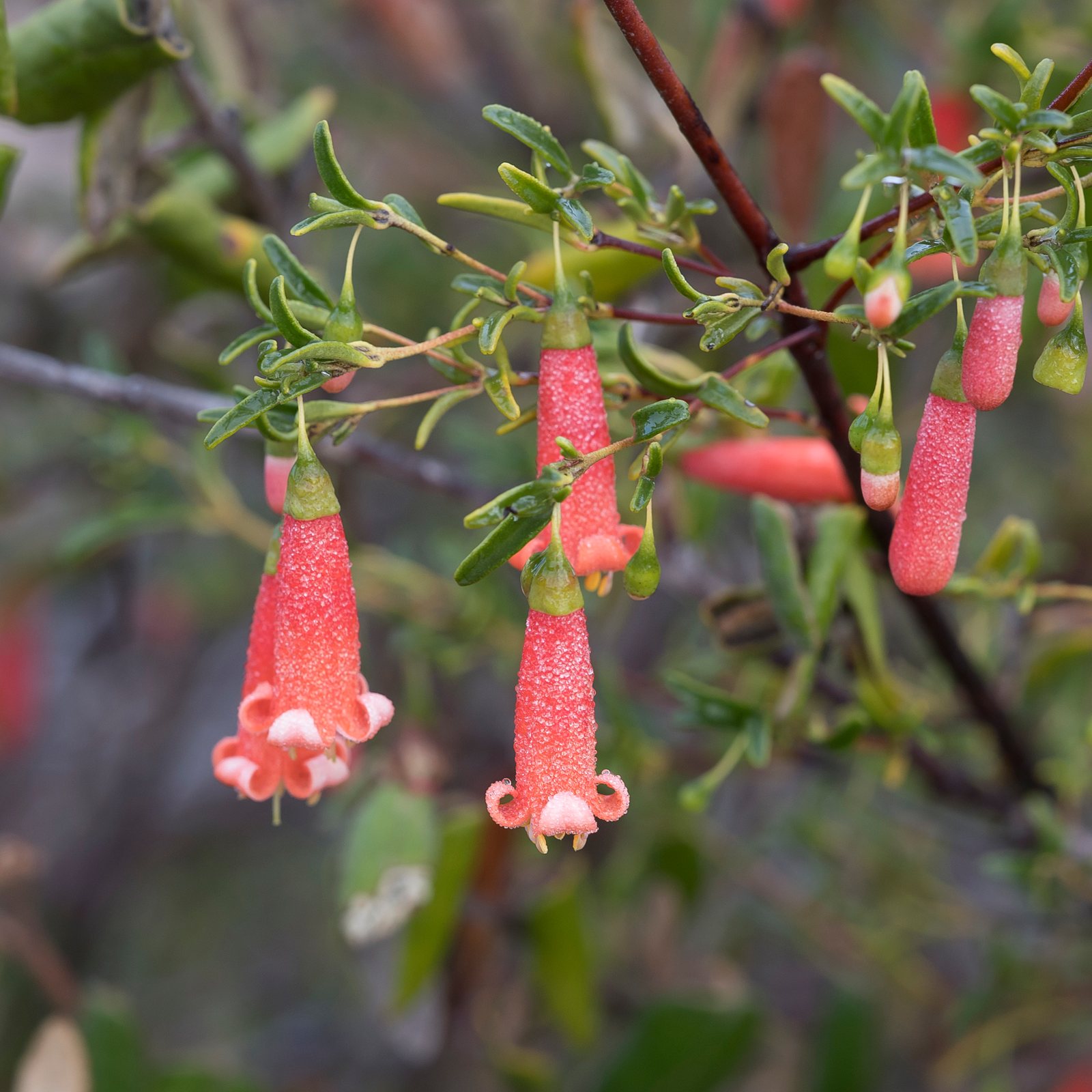
A low, spreading evergreen Australian shrub with small leaves and hanging, dusky pink tubular flowers, usually most abundant from autumn to spring. Grow it for cool-season colour in sheltered borders, beneath open-canopied trees or in containers; it needs protection from severe frost and waterlogged soil.
At a glance
- Sun
- Full sun to partial shade; light afternoon shade is helpful in hot inland gardens. Flowering is reduced in deep shade.
- Water
- Water regularly during establishment, then deeply during extended dry spells. Allow the soil surface to dry between waterings; avoid persistently wet roots.
- Soil
- Well-drained sandy or loamy soil, preferably slightly acidic to neutral. Improve drainage or use a raised bed on heavy clay.
- Height
- 2-3 ft (0.6-0.9 m)
- Spread
- 3-5 ft (0.9-1.5 m)
- Flowers
- Dusky pink, hanging tubular bells, mainly autumn through spring, with occasional flowers at other times in mild climates.
- Foliage
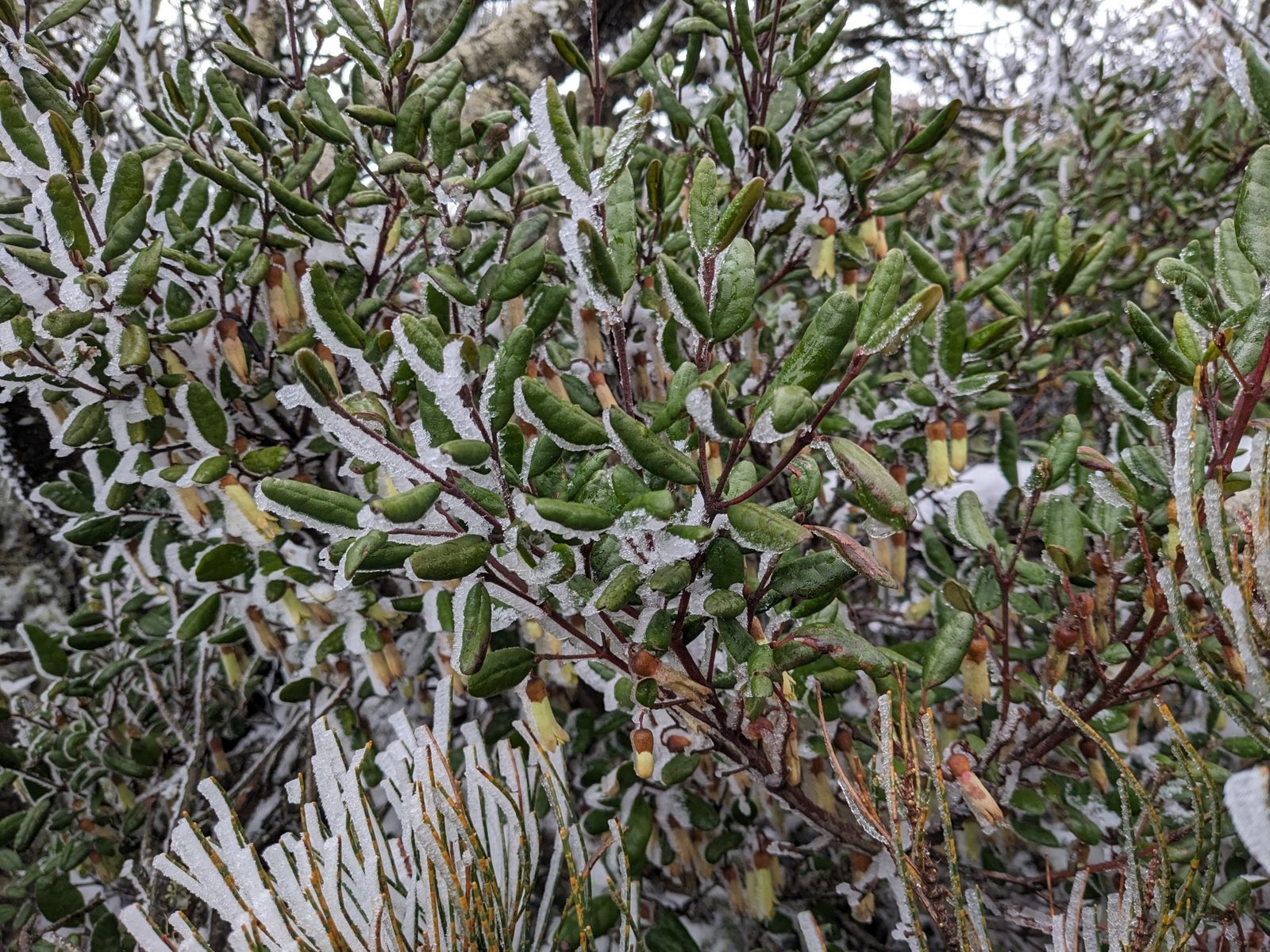
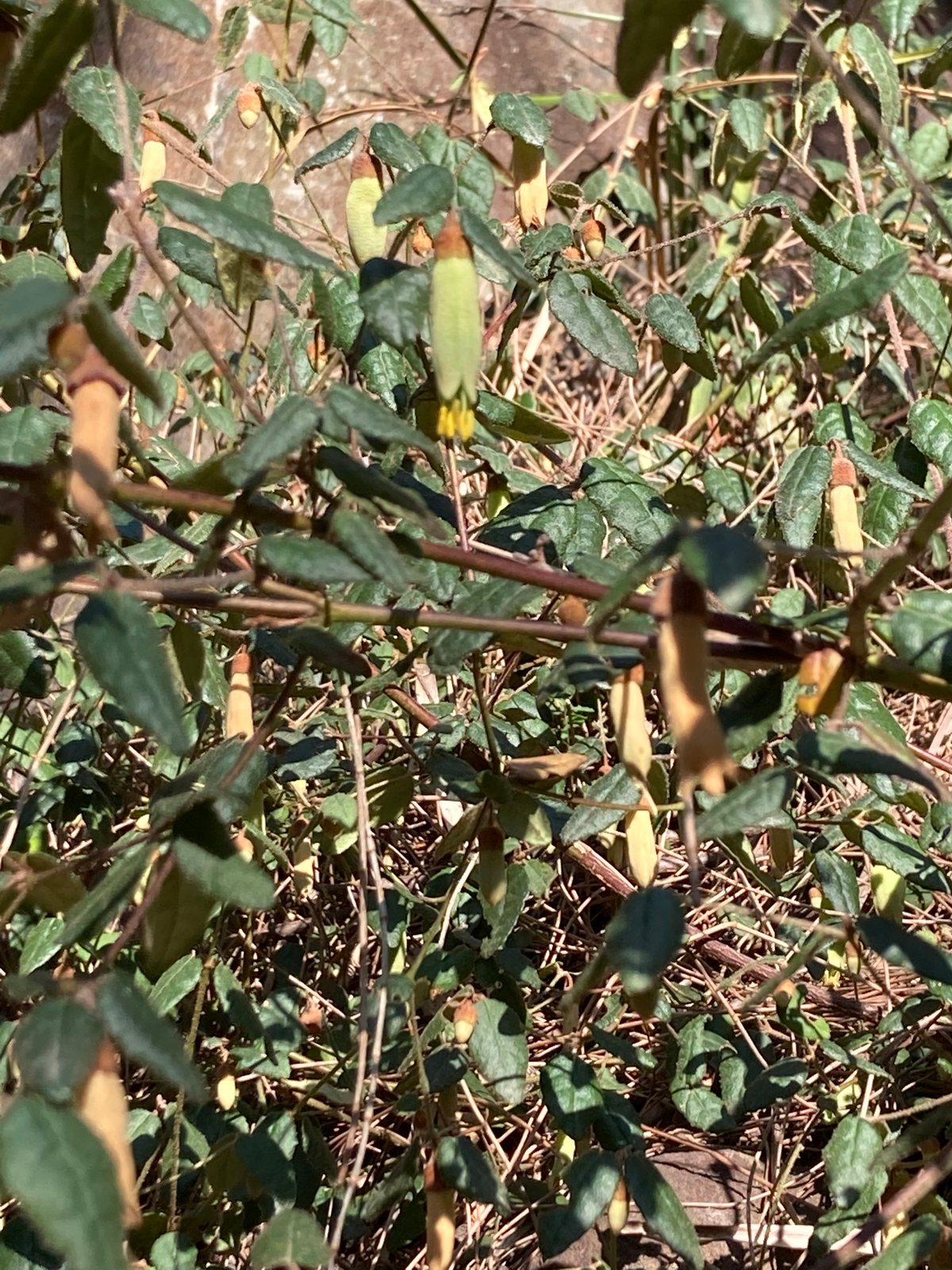
- Evergreen. Small, opposite, oval green leaves with softly hairy surfaces and paler undersides.
- Growth
- Moderate
- Care needed
- Low
The year at a glance
- Pollinators
- Drought tolerant
- Heat tolerant
- Wildlife
- Low allergen
| J | F | M | A | M | J | J | A | S | O | N | D | |
|---|---|---|---|---|---|---|---|---|---|---|---|---|
| Flowers | ||||||||||||
| Plant |
Northern hemisphere months. In Australia, shift them by six.
- Difficulty
- Moderate
- Toughness
- Fairly tough
Will it suit your garden?
Pick your zone, country, light and whether you have pets.
Full sun is 6 or more hours of direct sun a day, part shade 3 to 6 hours, shade under 3.
How it grows
Planting day
1.6 ft (0.5 m)
After 1 year
1.8 ft (0.55 m)
After 2 years
2 ft (0.6 m)
After 3 years
2.1 ft (0.65 m)
After 5 years
2.5 ft (0.75 m)
full size
About 5 years to full size.
From a typical nursery size, at an average rate for this kind of plant. A rule of thumb, not a forecast.
Good to know
- Cats and dogs
- Safe
- Growth rate
- Moderate
Care
Jobs through the year
- WaterApr–May, Sep–Oct, every 21 days
- For established plants in mild-climate ground, water only if dry; young plants need more.
- WaterJun–Aug, every 14 days
- Water established plants deeply in extended drought; let the surface dry and check containers more often.
- MulchMay
- Apply a light mulch, keeping it away from the stems.
- FeedMay
- Feed sparingly with low-phosphorus fertilizer only if growth is weak.
- PruneMay–Jun
- Trim lightly after the main flowering flush; avoid hard cuts into leafless wood.
- ProtectSep–Oct
- In zone 6–7, move container plants into bright, frost-free shelter and keep only lightly moist.
- ProtectMay
- Acclimatize overwintered plants outdoors after frost risk passes.
- Water through the first growing season whenever the root zone begins to dry.
- Apply a light mulch, keeping it clear of the stems.
- Feed lightly in spring with a low-phosphorus fertiliser suitable for Australian native shrubs; avoid heavy feeding.
- Use a container with drainage holes and a freely draining potting mix.
- Protect from cold, drying winds; move container plants into a bright, frost-free position where winters are colder than its outdoor range.
Pruning. Lightly trim after the main flowering flush to maintain a dense, rounded shape. Remove dead or damaged shoots, but avoid cutting the whole shrub hard into old, leafless wood.
Through the year
- Spring
- Plant after damaging frosts have passed in cooler regions, and water thoroughly.
- Late spring
- Lightly trim after the main flowering flush and feed sparingly if growth is weak.
- Summer
- Check young plants and containers during dry weather; water deeply rather than giving frequent small splashes.
- Late summer
- Take semi-ripe cuttings from healthy, non-flowering shoots.
- Autumn
- Plant in mild-winter areas while the soil is warm, and check that winter rain can drain away.
- Winter
- Protect from severe frost and keep sheltered container plants only lightly moist.
In the garden
- Use as a low, informal edging shrub along paths, allowing room for its spreading branches.
- Plant beneath open-canopied trees where filtered light reaches the foliage.
- Combine with compact westringias and lomandras for contrasting leaf shapes in an Australian native border.
- Grow in a sheltered courtyard container where the hanging flowers can be seen closely.
- Mass on a well-drained bank for evergreen cover and cool-season flowers.
Garden styles it suits: Australian native, Coastal, Modern courtyard, Low-maintenance, Wildlife garden and Winter interest.
Plant it with: Coastal rosemary, Lomandra, Dianella, Kangaroo paw and Waxflower.
Wildlife: The nectar-rich flowers attract honeyeaters in Australia and may attract hummingbirds where grown in North America. The dense foliage provides shelter for small garden wildlife.
Problems to watch for
- Root rot in wet soil: improve drainage, reduce watering and avoid sites that remain saturated in winter.
- Frost damage: choose a sheltered position, cover during brief cold spells and wait until spring to remove damaged growth.
- Scale insects: inspect stems and leaf undersides; remove small infestations by hand or apply horticultural oil according to the label.
- Sparse growth and few flowers in deep shade: move to brighter filtered light or a position with several hours of sun.
Safety
Not known to be toxic to cats, dogs, horses or people. Cultivar-specific safety information is limited, and no part should be treated as edible.
Easily confused with
Common correa (Correa reflexa)
Highly variable, but many forms have longer red-and-green or green bells and a more upright habit; 'Dusky Bells' is typically low and spreading with dusky pink flowers.
Salmon correa (Correa pulchella)
Often has smaller, smoother leaves and brighter salmon-pink or orange flowers. Forms overlap in appearance, so a reliable nursery label may be needed.
The name
Correa honours the Portuguese botanist José Correia da Serra, while 'Dusky Bells' describes the muted pink, bell-shaped flowers.
Propagation. Take semi-ripe cuttings in late summer or early autumn and root in a free-draining propagation mix under humid conditions. Use cuttings to retain the cultivar; seedlings will not reliably come true.
Checked against open data
- Accepted botanical name
- Correa
Sources: GBIF (CC BY 4.0). The care and design notes are LandscapeGPT's own.
See it in your own yard.
Upload a photo of your yard and see it redesigned with plants that suit your climate, each checked against your zone.