Crab apple
Malus sylvestris. Family Rosaceae. Tree.
Also called European crab apple, Wild crab apple.
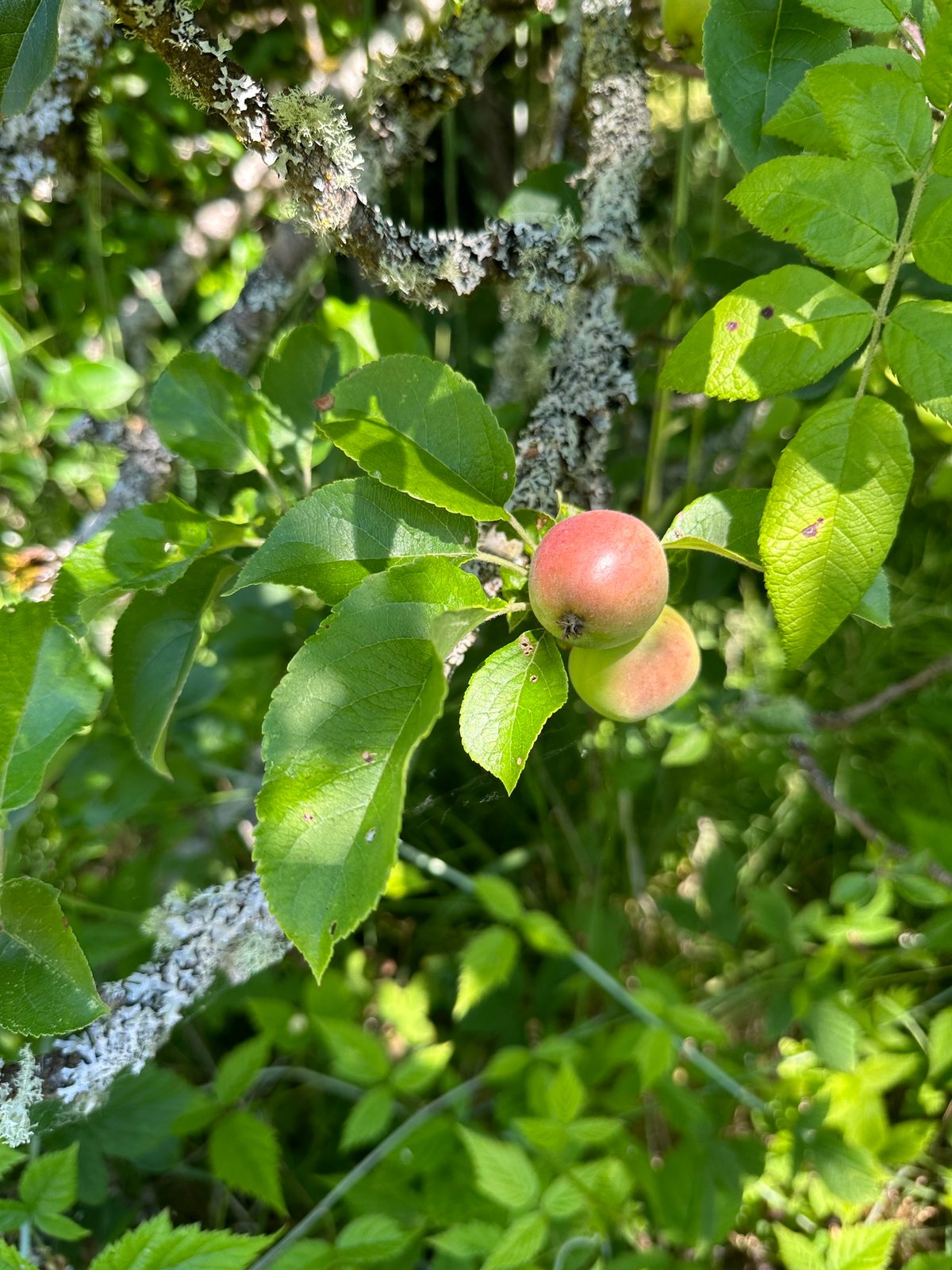
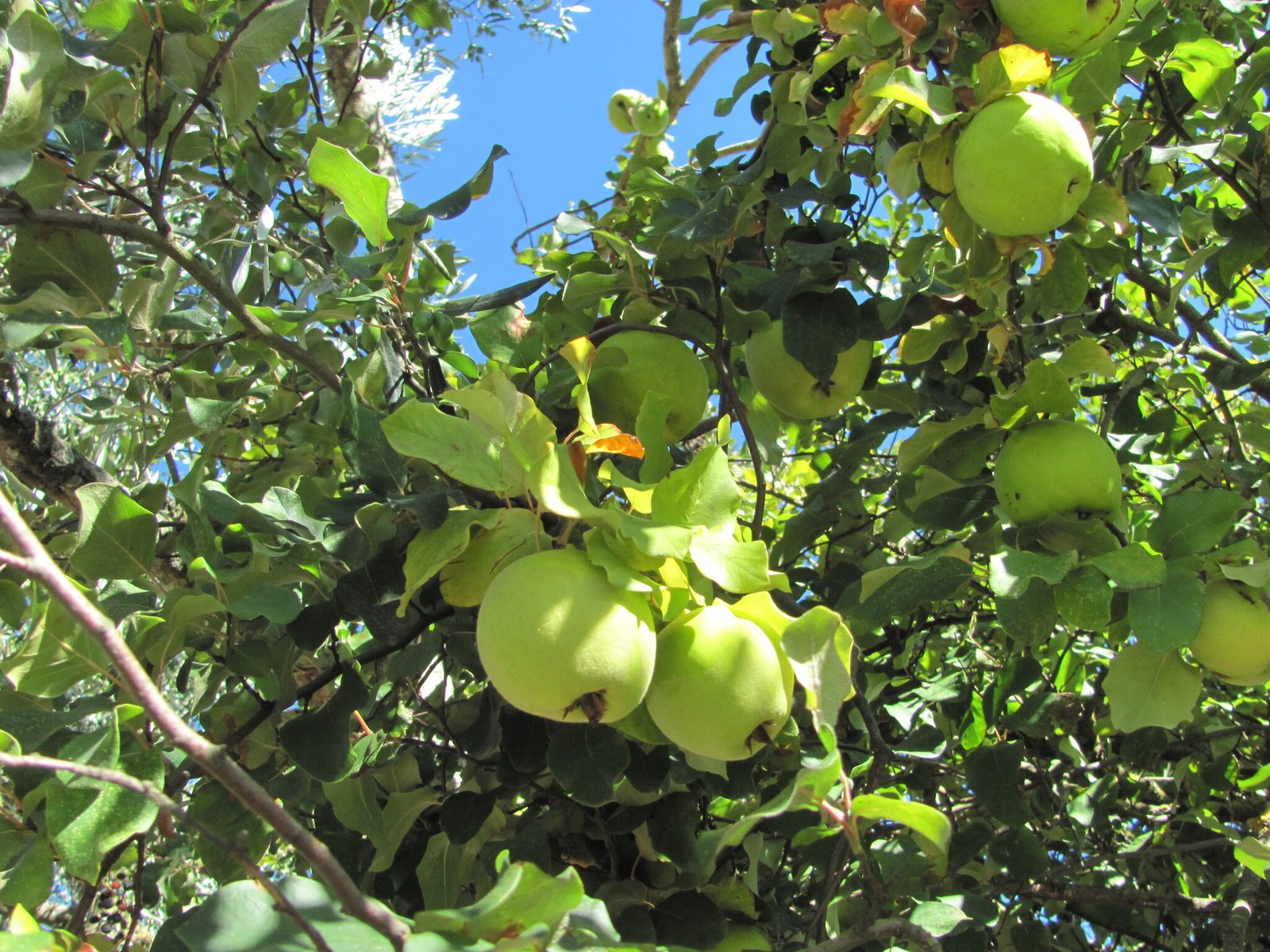
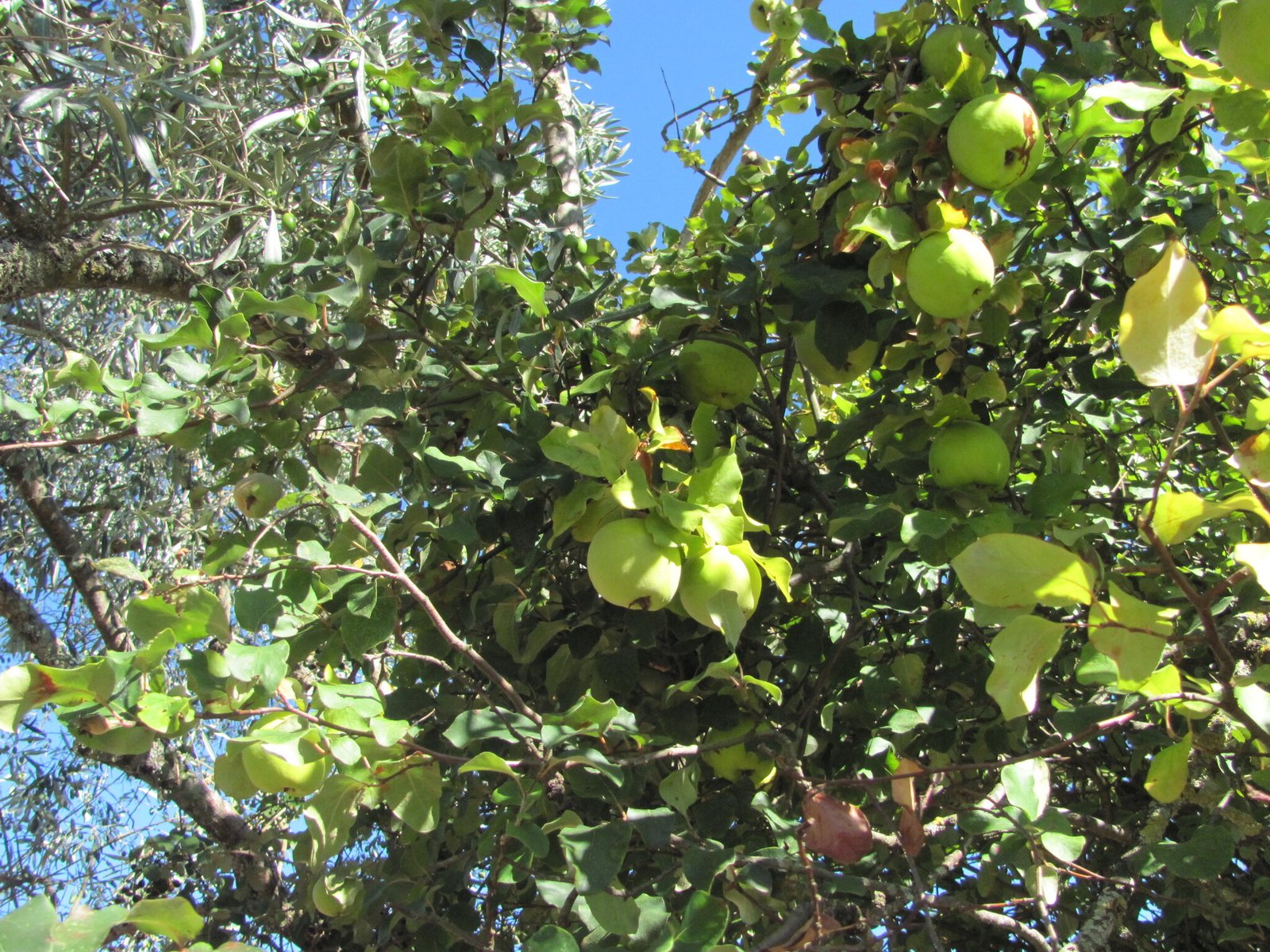
Malus sylvestris is a deciduous European tree with pink-budded white blossom, a spreading crown and small, sharply sour apples. Grow it for spring flowers, wildlife food and fruit for jelly; allow room for a full-sized tree rather than expecting a compact ornamental crab apple.
At a glance
- Sun
- Full sun to light partial shade; flowering and fruiting are best in full sun.
- Water
- Water regularly while establishing; established trees usually need extra water only during prolonged dry weather.
- Soil
- Well-drained but moisture-retentive loam or clay loam; tolerates a range of soil pH. Avoid permanently waterlogged ground.
- Height
- 20-40 ft (6-12 m)
- Spread
- 20-35 ft (6-10.5 m)
- Flowers
- Mid- to late spring; white flowers opening from pink buds.
- Foliage
- Green, oval, toothed leaves, usually almost hairless when mature; often yellow in autumn.
- Growth
- Moderate
- Care needed
- Medium
The year at a glance
- Pollinators
- Cold hardy
- Wildlife
- Low allergen
- Fragrant
- Edible
| J | F | M | A | M | J | J | A | S | O | N | D | |
|---|---|---|---|---|---|---|---|---|---|---|---|---|
| Flowers | ||||||||||||
| Fruit | ||||||||||||
| Plant |
Northern hemisphere months. In Australia, shift them by six.
- Difficulty
- Moderate
- Toughness
- Fairly tough
Will it suit your garden?
Pick your zone, country, light and whether you have pets.
Full sun is 6 or more hours of direct sun a day, part shade 3 to 6 hours, shade under 3.
How it grows
Planting day
7 ft (2 m)
After 1 year
8 ft (2.3 m)
After 2 years
9 ft (2.7 m)
After 3 years
10 ft (3.1 m)
After 5 years
12 ft (3.7 m)
About 20 years to full size.
From a typical nursery size, at an average rate for this kind of plant. A rule of thumb, not a forecast.
Good to know
- Cats and dogs
- Toxic
- Native to
- the UK
- Growth rate
- Moderate
Care
Jobs through the year
- WaterApr–May, Sep–Oct, every 14 days
- Water established trees deeply only during prolonged dry spells; young trees need more frequent watering.
- WaterJun–Aug, every 7 days
- Water deeply during prolonged drought only; keep young trees watered through their first two summers.
- MulchMar–Apr
- Maintain 5–8 cm of organic mulch over a grass-free root area, keeping the trunk clear.
- FeedMar–Apr
- Feed lightly only if growth is weak or soil is poor; avoid excess nitrogen.
- PruneFeb–Mar
- On a dry dormant day, remove damaged and crossing branches without heavy cutting.
- HarvestSep–Oct
- Pick fully coloured apples that detach with a gentle twist; cook for jelly or preserves.
- ProtectOct–Nov
- Remove diseased fallen leaves and mummified fruit; leave some healthy fruit for wildlife.
- Plant during the dormant season when the ground is workable, keeping the root flare at soil level.
- Water deeply during dry spells for the first two growing seasons.
- Keep grass away from the trunk and apply a 2-3 in (5-8 cm) organic mulch, leaving the bark clear.
- Stake only if the rootball moves in wind; check ties regularly and remove the stake once roots anchor the tree.
- Feed in spring only if growth is weak or soil is poor; avoid heavy nitrogen applications.
- For reliable fruit set, have another compatible apple or crab apple flowering nearby.
Pruning. Prune lightly in late winter on a dry day, removing dead, damaged and crossing branches and developing a balanced framework while the tree is young. Avoid topping or heavy annual pruning, which encourages crowded upright shoots.
Harvest
Pick firm, fully coloured yellow-green apples, sometimes flushed red, in autumn when they detach with a gentle lift and twist; they remain very sour and are mainly used for jelly or preserves. A nursery-grown young tree may give a useful crop about 4-7 years after planting, while seed-grown trees can take longer.
Through the year
- Late winter
- Prune lightly and check stakes, ties and trunk guards.
- Early spring
- Refresh mulch without covering the trunk; feed only if needed.
- Spring
- Watch blossom for pollinating insects and avoid insecticide sprays during flowering.
- Summer
- Water young trees deeply during dry weather and inspect leaves and shoots for disease.
- Autumn
- Harvest ripe fruit for cooking, leaving some for wildlife.
- Late autumn
- Plant bare-root trees where winters allow, and remove diseased fallen leaves and mummified fruit.
In the garden
- Use as a small-to-medium lawn tree with room for its broad, irregular crown.
- Include in a mixed hedgerow with hawthorn and hazel for blossom, shelter and autumn fruit.
- Plant at a sunny woodland edge above spring bulbs and shade-tolerant groundcover.
- Add to a mixed orchard for cooking fruit, blossom and support for pollinating insects.
Garden styles it suits: English country, Cottage garden, Woodland, Wildlife garden, Native hedgerow and Backyard orchard.
Plant it with: Hawthorn, Hazel, Dog rose, Snowdrops, Wild daffodils and Hardy geraniums.
Wildlife: Flowers provide pollen and nectar for bees and other insects. Fruit feeds birds and mammals, while branches provide nesting cover; in its native European range, the foliage supports numerous insect larvae.
Problems to watch for
- Apple scab: dark leaf spots and marked fruit are worse in damp conditions; collect diseased fallen leaves and keep the crown open.
- Apple canker: sunken bark lesions can kill branches; cut affected wood back to healthy growth in dry weather and improve drainage.
- Fire blight: blackened blossom and hooked, dying shoots need prompt removal well below visible damage; disinfect tools between cuts and follow local plant-health advice.
- Aphids: curled young leaves may shelter colonies; tolerate light attacks, encourage predators and wash off small colonies with water.
Safety
Apple flesh is not known to be toxic to people, cats, dogs or horses, although large amounts can cause digestive upset. Seeds, leaves and stems contain cyanogenic compounds and can cause serious poisoning if enough is chewed and swallowed; a few accidentally swallowed intact seeds are unlikely to cause poisoning. Remove cores and seeds before offering fruit to pets, and keep horses away from piles of fruit or prunings.
Easily confused with
Domestic apple (Malus domestica)
Usually has larger fruit and noticeably hairy leaf undersides and young shoots. Hybrids with crab apple can be intermediate and difficult to identify confidently.
Siberian crab apple (Malus baccata)
Typically has smaller, pea- to cherry-sized fruit on slender stalks; the dried sepal lobes usually fall away, unlike the persistent lobes on European crab apple fruit.
Wild pear (Pyrus pyraster)
Has rounder, often glossy leaves and white flowers with dark anthers; its fruit has gritty flesh rather than the smoother flesh of an apple.
The name
Malus is the Latin name for apple, and sylvestris means 'of the woods'.
Propagation. Sow cleaned seed after a period of cold, moist stratification, or graft known material onto a compatible apple rootstock. Seedlings vary, and seed collected near cultivated apples may be hybrid rather than true Malus sylvestris.
Checked against open data
- Accepted botanical name
- Malus sylvestris
- In the US and Canada
- Introduced in the lower 48 states.
- Native range
- Albania, Austria, Baltic States, Belgium, Bulgaria, Central European Rus, Corse, Czechoslovakia, Denmark, East European Russia, Finland and France.
- Measured
- Soil pH 5 to 7.5. Average height 700 cm.
Sources: GBIF (CC BY 4.0), USDA PLANTS and Trefle (CC BY 4.0). The care and design notes are LandscapeGPT's own.
See it in your own yard.
Upload a photo of your yard and see it redesigned with plants that suit your climate, each checked against your zone.