Crimson King maple
Acer platanoides 'Crimson King'. Family Sapindaceae. Tree.
Also called Crimson King Norway maple, Purple-leaved Norway maple.
Acer platanoides 'Crimson King' is a large deciduous shade tree grown for its dense, rounded crown and dark burgundy leaves, which retain their colour through summer. It needs a generous site: its dense shade and shallow roots make gardening beneath it difficult, and Norway maple is invasive in parts of North America.
At a glance
- Sun
- Full sun gives the strongest leaf colour; tolerates partial shade.
- Water
- Water regularly while establishing. Once established, tolerates some drought, but prolonged hot, dry conditions can scorch the leaves.
- Soil
- Adaptable to clay, loam and sandy soils, including alkaline ground, provided drainage is adequate. Avoid persistently waterlogged sites.
- Height
- 40-50 ft (12-15 m)
- Spread
- 30-40 ft (9-12 m)
- Flowers
- Spring: small yellow-green flowers in clusters before or as the leaves unfold.
- Foliage
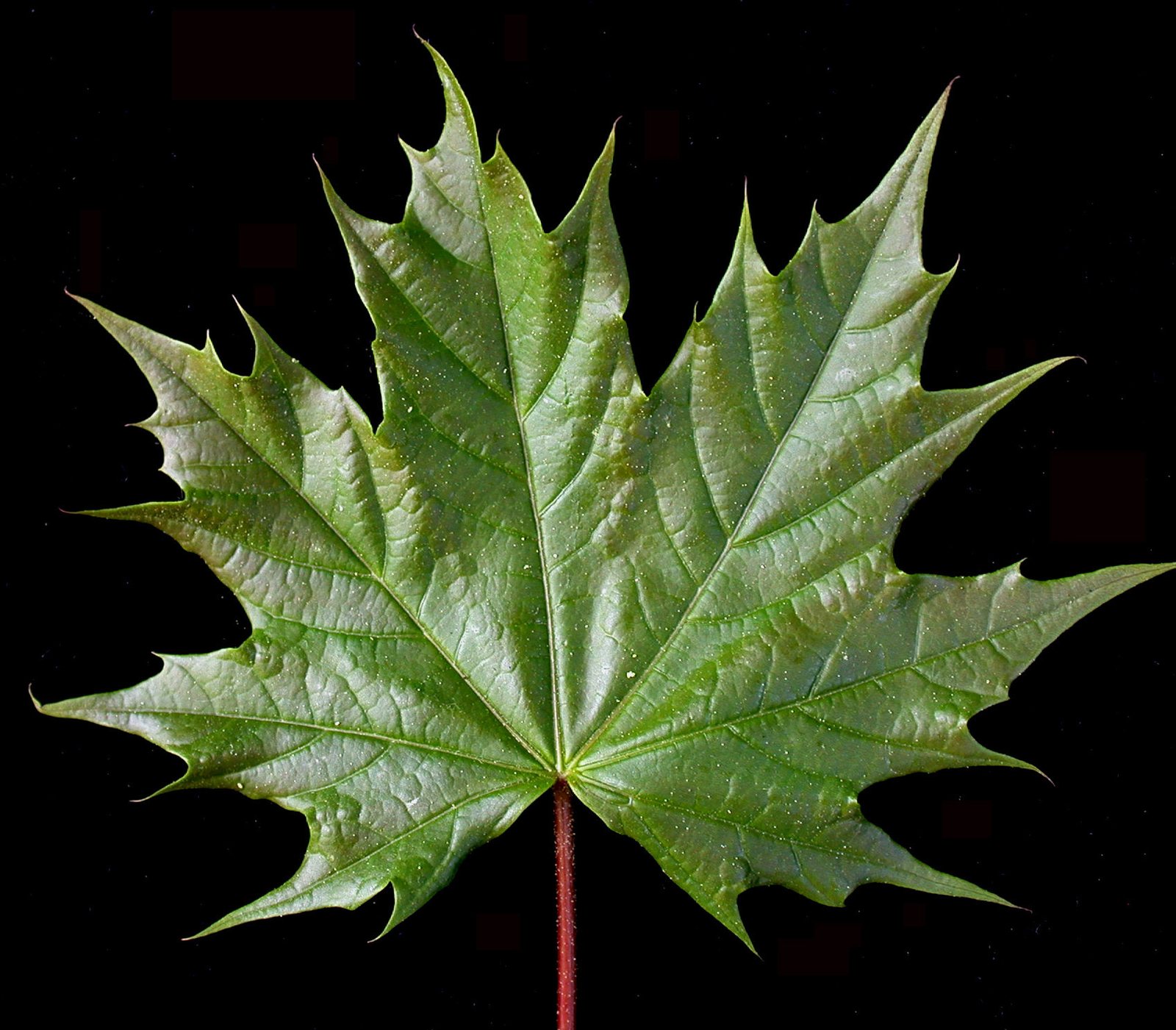
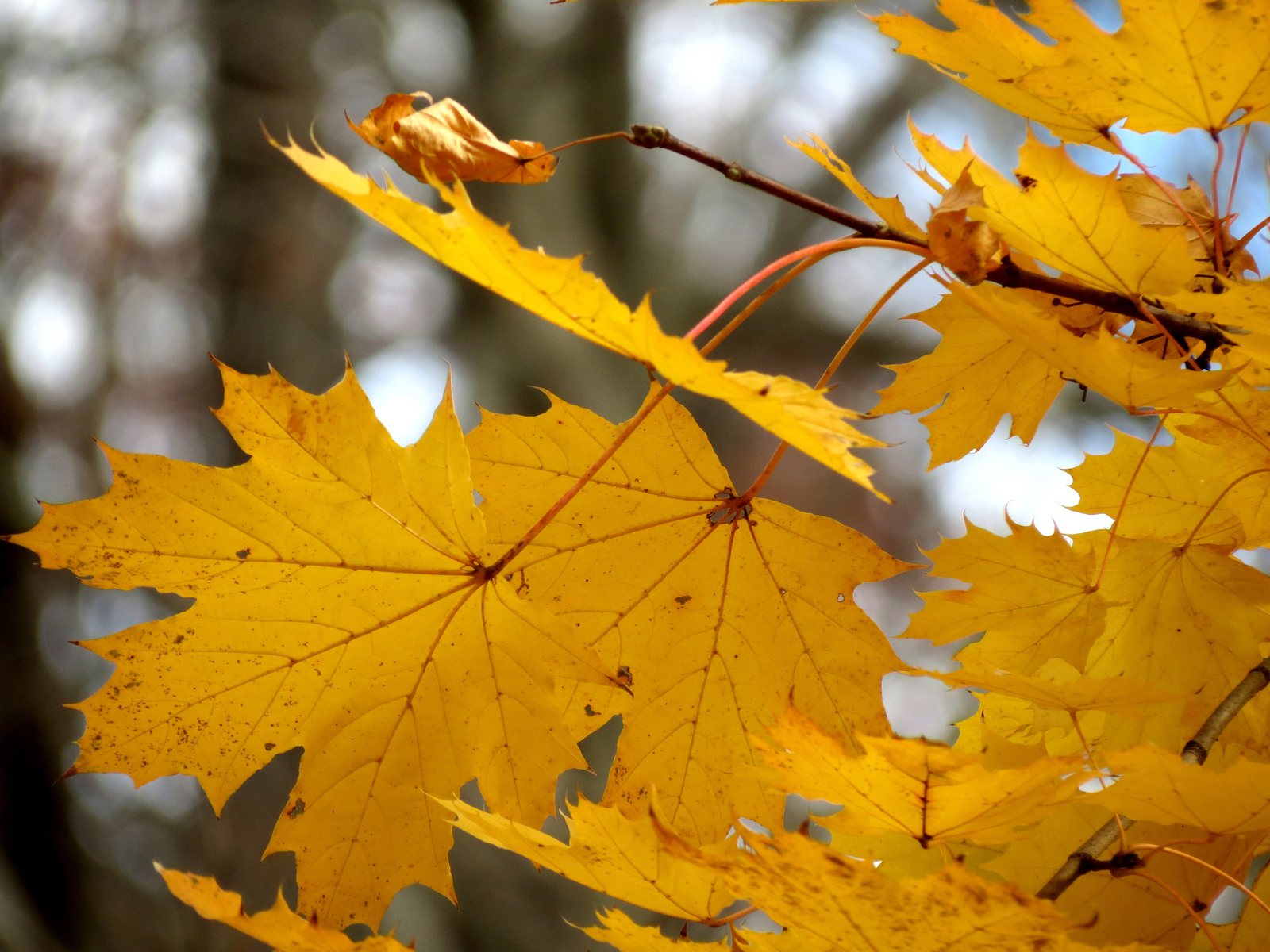
- Large, five-lobed leaves emerge deep red-purple and mature to dark burgundy. Autumn colour is variable, often dull reddish-brown rather than bright scarlet.
- Growth
- Slow to moderate; generally slower than green-leaved Norway maple.
- Care needed
- Medium
The year at a glance
- Pollinators
- Drought tolerant
- Cold hardy
- Wildlife
| J | F | M | A | M | J | J | A | S | O | N | D | |
|---|---|---|---|---|---|---|---|---|---|---|---|---|
| Flowers | ||||||||||||
| Fruit | ||||||||||||
| Plant |
Northern hemisphere months. In Australia, shift them by six.
- Difficulty
- Moderate
- Toughness
- Very tough
Will it suit your garden?
Pick your zone, country, light and whether you have pets.
Full sun is 6 or more hours of direct sun a day, part shade 3 to 6 hours, shade under 3.
How it grows
Planting day
7 ft (2 m)
After 1 year
8 ft (2.4 m)
After 2 years
9 ft (2.9 m)
After 3 years
11 ft (3.3 m)
After 5 years
14 ft (4.2 m)
About 26 years to full size.
From a typical nursery size, at an average rate for this kind of plant. A rule of thumb, not a forecast.
Good to know
- Cats and dogs
- Safe
- Invasive in
- the US and Canada
- In the garden
- Spreads vigorously: plan to contain it.
- Growth rate
- Slow
Care
Jobs through the year
- WaterApr–May, Sep–Oct, every 21 days
- Water established trees only during prolonged dry spells; young trees need more frequent deep watering.
- WaterJun–Aug, every 14 days
- Water deeply during prolonged hot, dry weather to reduce leaf scorch.
- MulchMar–Apr
- Maintain a broad 5–8 cm organic mulch layer without covering the trunk or root flare.
- PruneAug–Sep
- Prune lightly if needed and remove green shoots below the graft; use an arborist for large limbs.
- Check local invasive-plant restrictions before buying; choose another tree where Norway maple threatens nearby woodland.
- Plant with the root flare visible at soil level, allowing room for the mature crown and keeping it away from paving and underground services.
- Water deeply during dry spells for the first two or three growing seasons, moistening the root area rather than giving frequent light sprinkles.
- Maintain a 2-3 in (5-8 cm) layer of organic mulch over the root area, leaving the trunk clear.
- Do not feed routinely; fertilise only if soil testing or poor growth indicates a deficiency.
- Stake only if needed for stability, and remove supports once the roots anchor the tree, usually after one growing season.
Pruning. Prune lightly in late summer to remove crossing branches and develop a sound framework; remove dead or dangerous branches whenever necessary. Avoid topping and unnecessary large cuts, and use a qualified arborist for mature-tree work.
Through the year
- Spring
- Refresh mulch without burying the trunk, and check ties on recently planted trees.
- Late spring
- Pull unwanted seedlings while small and inspect new growth for aphids.
- Summer
- Water young trees deeply during dry weather and watch for leaf scorch.
- Late summer
- Carry out light formative pruning if needed; remove any green-leaved shoots arising below the graft.
- Autumn
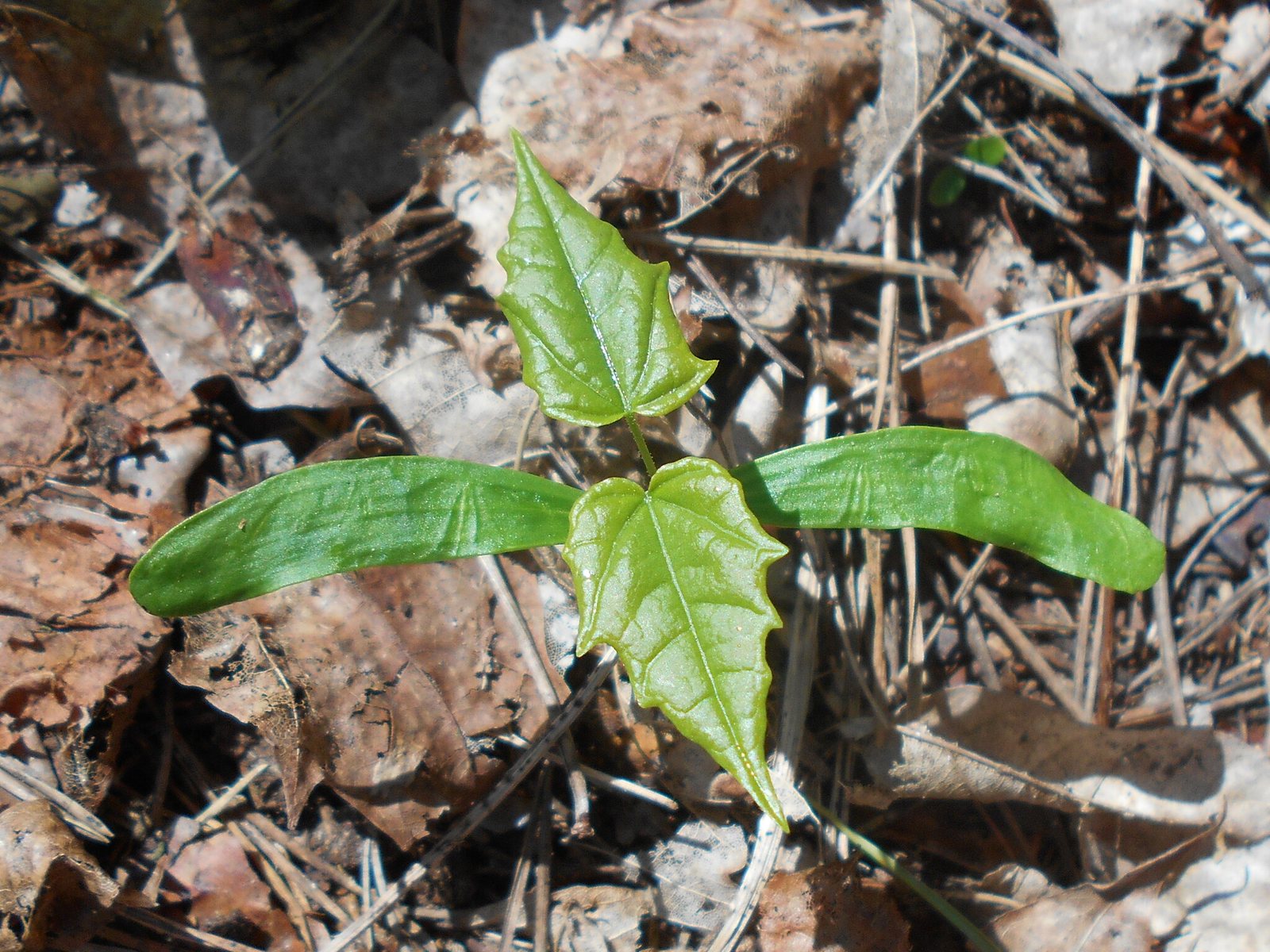
- Clear fallen leaves from lawns and paths; collect winged seeds where unwanted seedlings are a concern.
- Winter
- Inspect the bare crown for damaged limbs and arrange professional assessment of major defects.
In the garden
- A specimen tree in a large lawn, where its dark crown contrasts with surrounding green foliage.
- A shade tree for spacious gardens, with seating positioned beyond the trunk and main surface roots.
- A repeated avenue tree on large properties, allowing ample spacing for mature crowns.
- A dark backdrop to pale flowers or silver foliage planted beyond the driest, most heavily rooted ground.
Garden styles it suits: Traditional, Formal, Grand estate, Victorian, English manor and Architectural minimal.
Plant it with: Barrenwort, Bigroot geranium, Bergenia, Lenten rose, Snowdrops and Daffodils.
Wildlife: Spring flowers provide pollen and nectar for visiting insects, and the crown offers nesting and shelter. In invaded North American woodland, however, Norway maple can displace native vegetation and reduce habitat quality.
Problems to watch for
- Aphids can leave sticky honeydew on cars and paving. Encourage natural predators; use a firm water spray on reachable foliage rather than routinely spraying a mature tree.
- Tar spot causes black patches on leaves but usually does little lasting harm. Collect fallen leaves where practical; fungicides are rarely justified.
- Verticillium wilt can cause one-sided wilting and branch dieback. Seek a diagnosis, avoid drought stress and remove dead wood; there is no curative treatment.
- Dense shade and shallow roots suppress lawn and border plants. Replace struggling turf with mulch and plant only small, shade-tolerant plants without digging through major roots.
Safety
Not known to be toxic to cats, dogs or people through ordinary garden contact or incidental ingestion. Evidence for poisoning in horses specifically from Norway maple is limited; keep leaves and seeds out of horse feed and paddocks, since some other maple species can cause severe or fatal poisoning.
Where it spreads. Norway maple spreads aggressively and is listed as invasive in much of the northeastern and midwestern United States and parts of eastern Canada, including Ontario. Sale or planting is restricted in some US states, including Massachusetts. 'Crimson King' can produce viable seed and should not be treated as sterile; check local rules and avoid planting near vulnerable woodland.
Easily confused with
Crimson Sentry maple (Acer platanoides 'Crimson Sentry')
Has similar dark purple leaves but a much narrower, upright crown rather than the broad, rounded crown of 'Crimson King'.
Purple-leaved sycamore (Acer pseudoplatanus 'Atropurpureum')
Leaves are green above and purple beneath, with more coarsely toothed lobes; 'Crimson King' is dark purple on the upper surface as well.
Bloodgood Japanese maple (Acer palmatum 'Bloodgood')
A much smaller tree with more deeply divided, finer-textured leaves and a lighter, more open branching pattern.
The name
Acer is the Latin name for maple, platanoides means resembling a plane tree in leaf shape, and 'Crimson King' refers to the cultivar's dark red-purple foliage.
Propagation. Usually propagated commercially by budding or grafting onto Norway maple rootstock. Seedlings do not reliably retain the cultivar's dark foliage or other characteristics.
Checked against open data
- Accepted botanical name
- Acer platanoides
- In the US and Canada
- Introduced in Canada and the lower 48 states.
- Native range
- Afghanistan, Albania, Austria, Baltic States, Belarus, Belgium, Bulgaria, Central European Rus, Czechoslovakia, East European Russia, Finland and France.
- Measured
- Soil pH 4.8 to 6.8. Average height 1940 cm.
Sources: GBIF (CC BY 4.0), USDA PLANTS and Trefle (CC BY 4.0). The care and design notes are LandscapeGPT's own.
See it in your own yard.
Upload a photo of your yard and see it redesigned with plants that suit your climate, each checked against your zone.