Cunningham's White rhododendron
Rhododendron 'Cunningham's White'. Family Ericaceae. Shrub.
Also called Rhododendron 'Cunningham's White'.
A dense evergreen rhododendron grown for rounded clusters of white spring flowers opening from pink buds. Its dark foliage provides year-round structure in sheltered borders and woodland gardens; it performs best in cool conditions with acidic soil and dependable moisture.
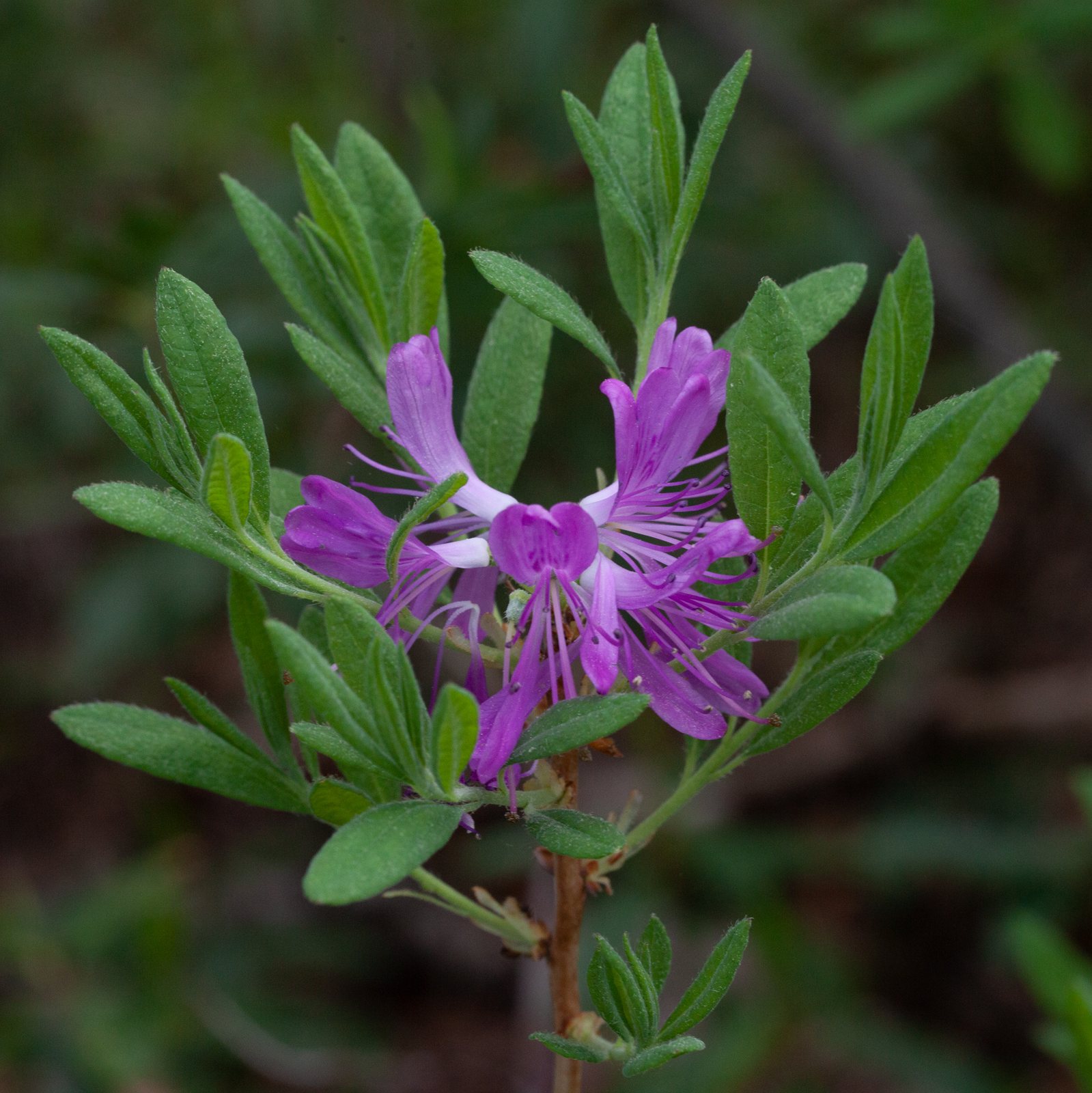
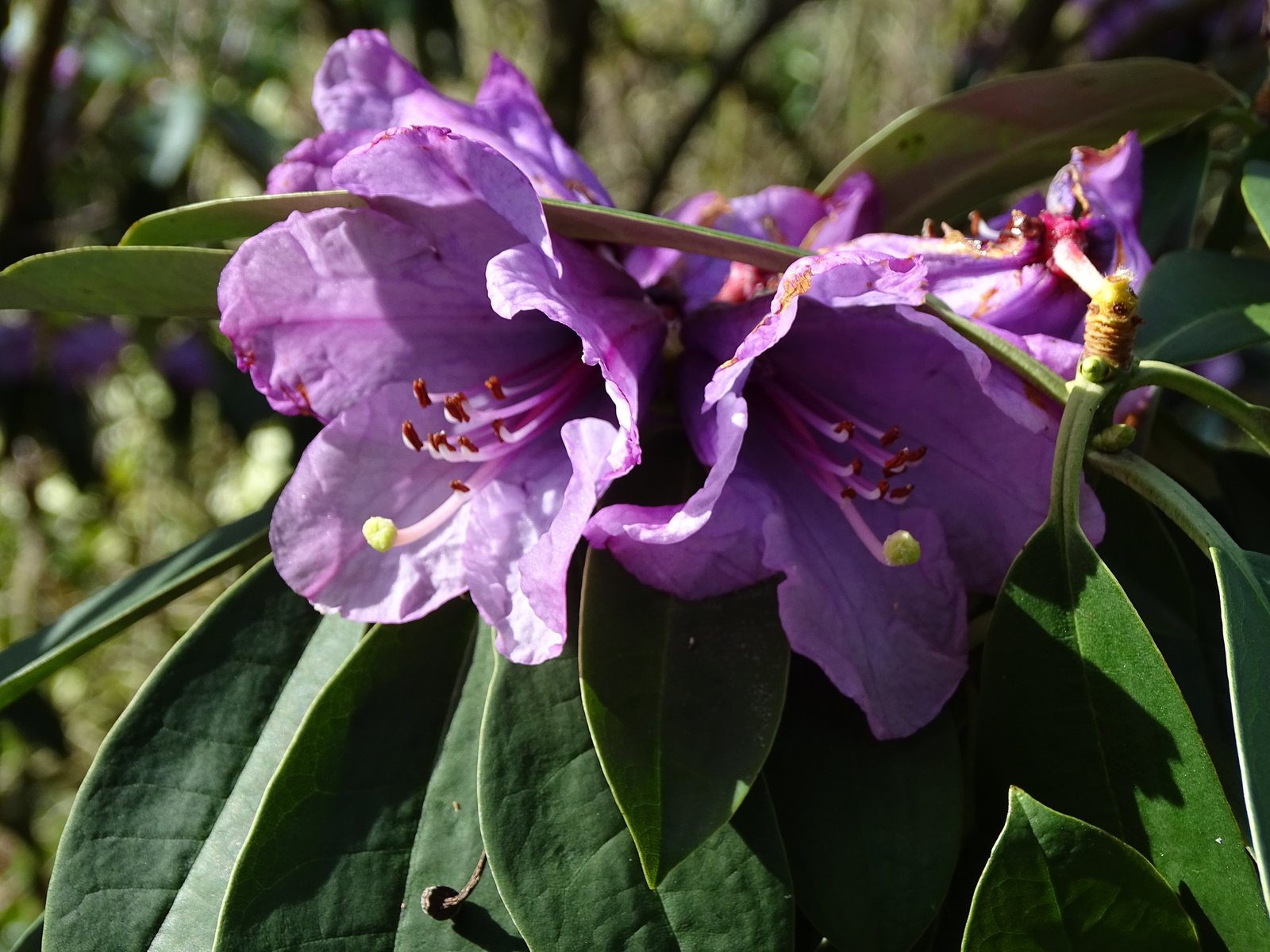
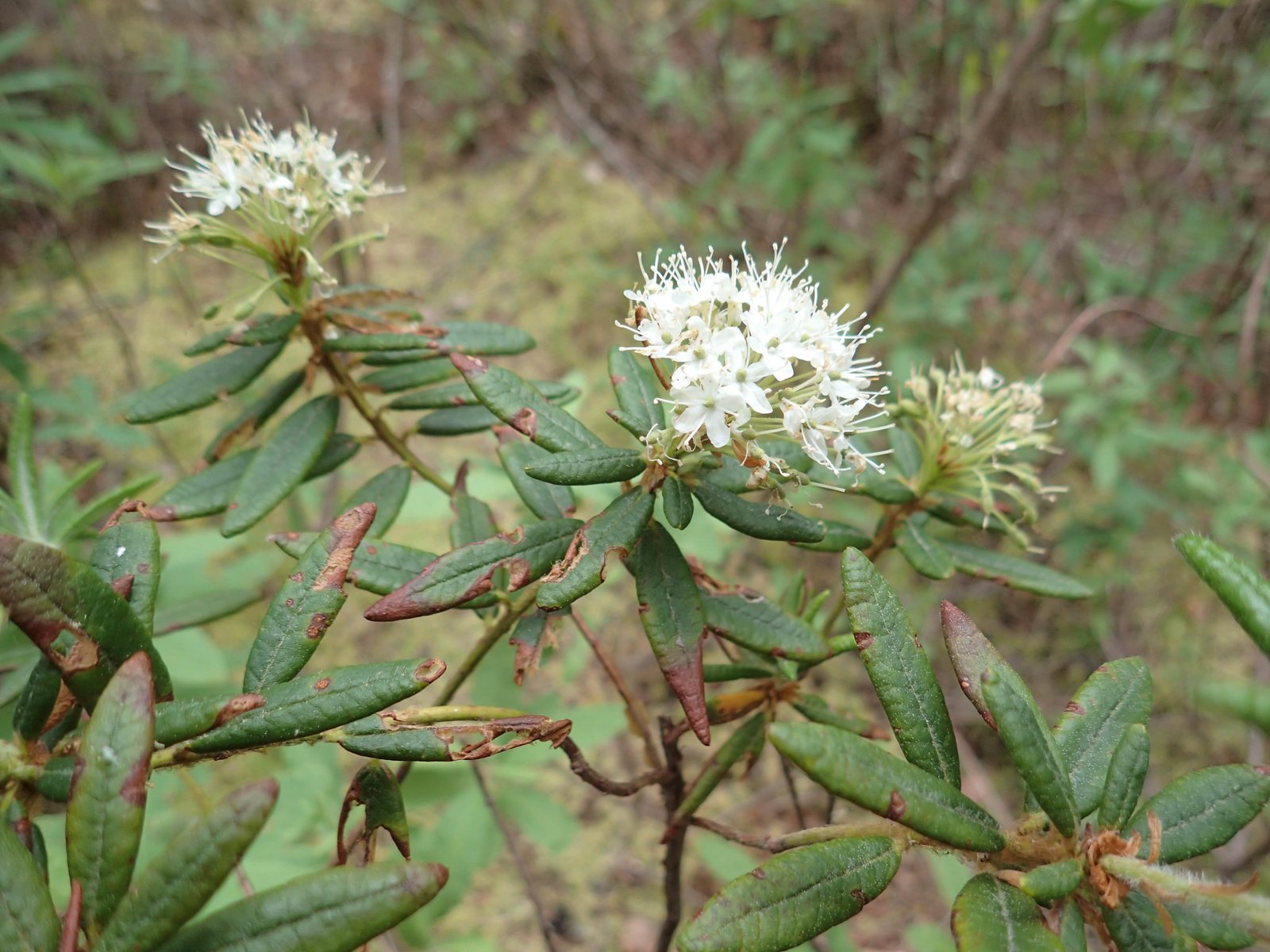
At a glance
- Sun
- Partial shade or dappled sunlight; tolerates more sun in cool climates if the soil stays moist. Protect from hot afternoon sun and drying winds.
- Water
- Keep evenly moist but never waterlogged, especially during establishment and summer dry spells.
- Soil
- Humus-rich, well-drained acidic soil, ideally pH 4.5-6.0. Avoid chalky soil, deep planting and poorly drained clay.
- Height
- 6-10 ft (1.8-3 m)
- Spread
- 6-10 ft (1.8-3 m)
- Flowers
- Mid- to late spring; pink buds open to white flowers with yellowish-brown markings on the upper petals. Occasionally produces a few flowers in autumn.
- Foliage
- Evergreen. Leathery, dark green, elliptic leaves retained through winter.
- Growth
- Moderate; develops into a broad shrub over many years.
- Care needed
- Medium
The year at a glance
- Pollinators
- Wildlife
- Low allergen
| J | F | M | A | M | J | J | A | S | O | N | D | |
|---|---|---|---|---|---|---|---|---|---|---|---|---|
| Flowers | ||||||||||||
| Plant |
Northern hemisphere months. In Australia, shift them by six.
- Difficulty
- Moderate
- Toughness
- Fairly tough
Will it suit your garden?
Pick your zone, country, light and whether you have pets.
Full sun is 6 or more hours of direct sun a day, part shade 3 to 6 hours, shade under 3.
How it grows
Planting day
1.6 ft (0.5 m)
After 1 year
2.9 ft (0.88 m)
After 2 years
4 ft (1.3 m)
After 3 years
5 ft (1.6 m)
After 5 years
8 ft (2.4 m)
full size
About 5 years to full size.
From a typical nursery size, at an average rate for this kind of plant. A rule of thumb, not a forecast.
Good to know
- Cats and dogs
- Toxic
- Growth rate
- Moderate
Care
Jobs through the year
- WaterMar–May, Sep–Oct, every 7 days
- Water established shrubs if rainfall is insufficient; use rainwater where tap water is alkaline.
- WaterJun–Aug, every 5 days
- Water when the shallow root zone begins drying; newly planted shrubs need more frequent checks.
- WaterJan–Feb, Nov–Dec, every 21 days
- Water established shrubs only if soil is dry during frost-free weather; avoid frozen or waterlogged ground.
- MulchMar–Apr
- Refresh a 5–8 cm layer of leaf mould or composted pine bark, keeping stems clear.
- FeedMar–Apr
- Use a light rhododendron feed only if growth is weak; do not feed late in the season.
- ProtectApr–May
- Cover opening flowers with horticultural fleece during forecast late frosts where practical.
- DeadheadMay–Jun
- Remove faded clusters carefully without breaking the new shoots below.
- PruneMay–Jun
- Prune immediately after flowering if needed, shortening wayward shoots above leafy growth.
- Plant with the top of the root ball level with, or slightly above, the surrounding soil.
- Water deeply during dry spells; use collected rainwater where tap water is very alkaline.
- Apply 2-3 in (5-8 cm) of leaf mould or composted pine bark annually, keeping it clear of the stems.
- Feed lightly with a rhododendron fertiliser in spring if growth is weak; avoid late-season feeding.
- Keep cultivation and digging away from its shallow roots.
Pruning. Prune immediately after flowering, shortening wayward shoots just above a leafy growth point. Remove dead or damaged wood when noticed; spread major renovation over several years rather than cutting the whole shrub hard at once.
Through the year
- Early spring
- Check soil moisture, refresh mulch and feed lightly if needed.
- Spring
- Protect opening flower buds from forecast late frosts with horticultural fleece where practical.
- Late spring
- After flowering, prune lightly if needed and remove spent flower clusters without damaging new shoots.
- Summer
- Water during dry weather; drought now can reduce next spring's flower buds.
- Autumn
- Plant in mild regions while the soil remains warm, provided drainage is good.
- Winter
- Check for wind damage and water container-grown plants during frost-free dry periods.
In the garden
- Place beneath high, open tree canopies with ferns and hostas for a layered woodland border.
- Use as an informal evergreen screen where its mature width can be accommodated.
- Combine with white spring bulbs and pale-flowered shrubs in a white garden.
- Plant behind low shade perennials to provide a dark evergreen backdrop after flowering.
Garden styles it suits: Woodland, English country, Traditional, White garden, Japanese and Pacific Northwest woodland.
Plant it with: Japanese pieris, Camellia, Japanese maple, Hosta, Japanese painted fern and Foamflower.
Wildlife: Flowers attract some bees, and the dense evergreen branches offer shelter for small birds. It is not a native habitat substitute in the countries covered.
Problems to watch for
- Yellow leaves with green veins usually indicate iron deficiency caused by alkaline soil or water. Check pH, switch to rainwater and grow in an acidic raised bed if the underlying soil is unsuitable.
- Phytophthora root rot causes wilting and dieback in wet soil. Improve drainage before planting and remove badly affected plants; extra watering will make the problem worse.
- Vine weevils notch leaf edges, while their larvae eat roots, especially in containers. Inspect root balls and apply suitable biological nematodes when soil temperatures meet the product's requirements.
- Rhododendron lace bugs cause pale stippling and dark specks beneath leaves. Check leaf undersides, reduce heat and drought stress, and use a locally approved treatment if damage is substantial.
Safety
Toxic to people, cats, dogs and horses if eaten. All parts, including leaves, flowers and nectar, contain grayanotoxins; poisoning can cause vomiting, weakness, abnormal heart rhythm and potentially death. Seek urgent medical or veterinary advice after ingestion.
Easily confused with
Yakushima rhododendron (Rhododendron yakushimanum)
Also opens pink buds to pale or white flowers, but usually has a lower, compact habit and conspicuous felted hairs beneath mature leaves.
Common rhododendron (Rhododendron ponticum)
Usually bears lilac-purple rather than white flowers and develops into a much larger thicket-forming shrub. Foliage alone is not a reliable way to distinguish them.
The name
Rhododendron comes from the Greek words for rose and tree.
Propagation. Layer a low branch in spring, or take semi-ripe cuttings in late summer with suitable rooting conditions. Rooting can be slow; seedlings will not reliably reproduce the cultivar.
Checked against open data
- Accepted botanical name
- Rhododendron
Sources: GBIF (CC BY 4.0). The care and design notes are LandscapeGPT's own.
See it in your own yard.
Upload a photo of your yard and see it redesigned with plants that suit your climate, each checked against your zone.