Curly kale 'Winterbor'
Brassica oleracea 'Winterbor'. Family Brassicaceae. Annual.
Also called Winterbor kale, Winterbor F1 kale.
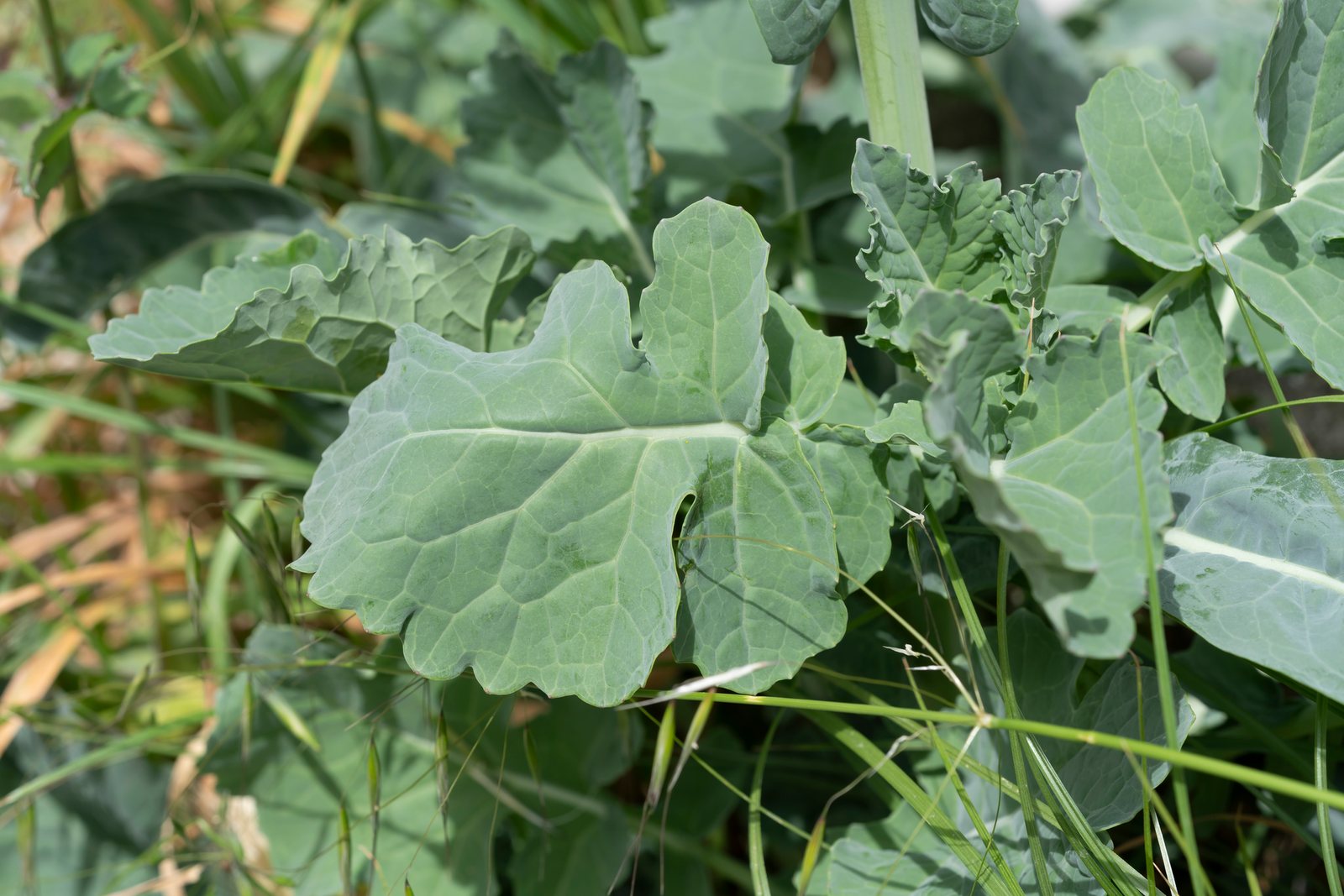
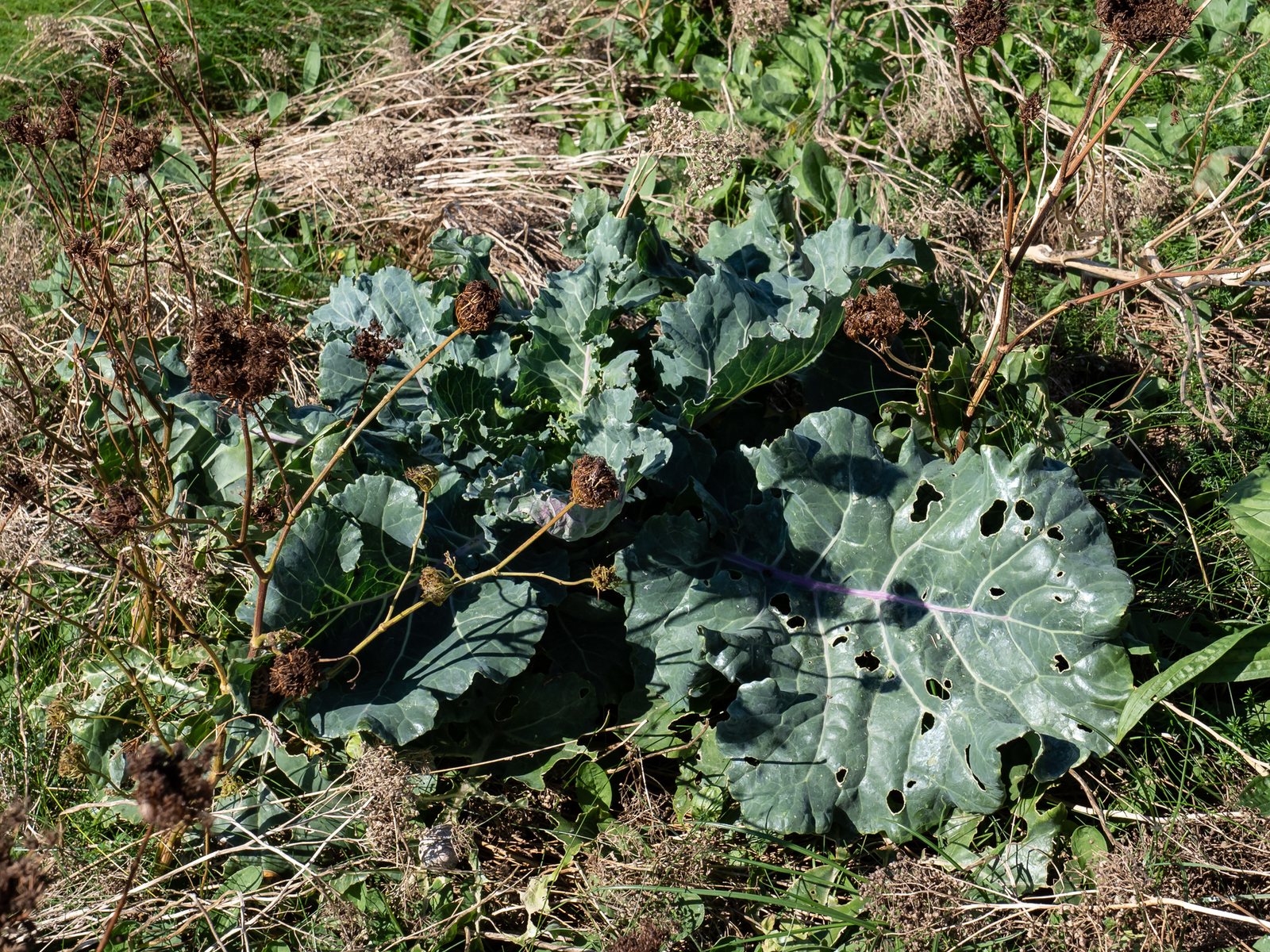
'Winterbor' is a vigorous hybrid kale grown for its densely curled, blue-green leaves, which can be picked repeatedly for cooking or young salads. It is a biennial grown as an annual vegetable; established plants tolerate frost and often keep producing through winter in milder areas, but do not reliably overwinter everywhere.

At a glance
- Sun
- Full sun; light afternoon shade helps in hot climates.
- Water
- Keep evenly moist, providing about 1 in (2.5 cm) of water weekly in dry weather; containers may need watering more often.
- Soil
- Fertile, moisture-retentive but well-drained soil, ideally pH 6.0-7.5.
- Height
- 2-3 ft (0.6-0.9 m)
- Spread
- 1.5-2 ft (0.45-0.6 m)
- Foliage
- Upright stems carry densely curled, blue-green leaves with firm ribs; older plants develop a tall, leafy crown.
- Growth
- Fast in cool weather.
- Care needed
- Medium
The year at a glance
- Low allergen
- Edible
| J | F | M | A | M | J | J | A | S | O | N | D | |
|---|---|---|---|---|---|---|---|---|---|---|---|---|
| Fruit | ||||||||||||
| Plant |
Northern hemisphere months. In Australia, shift them by six.
- Difficulty
- Moderate
- Toughness
- Fairly tough
Will it suit your garden?
Pick your zone, country, light and whether you have pets.
Full sun is 6 or more hours of direct sun a day, part shade 3 to 6 hours, shade under 3.
How it grows
Planting day
0.5 ft (0.15 m)
After 1 year
2.5 ft (0.75 m)
full size
Full size in one season.
From a typical nursery size, at an average rate for this kind of plant. A rule of thumb, not a forecast.
Good to know
- Cats and dogs
- Mildly toxic: may upset a stomach
- Native to
- the UK
- Growth rate
- Fast
Care
Jobs through the year
- WaterApr–May, Sep–Oct, every 7 days
- Supply about 2.5 cm weekly if rain is insufficient; keep new transplants moist.
- WaterJun–Aug, every 3 days
- Water at soil level during dry weather, aiming for about 2.5 cm weekly overall.
- WaterJan–Mar, Nov–Dec, every 14 days
- Water overwintering plants only if soil is dry and unfrozen.
- FeedApr–May, Jul–Aug
- Add compost before planting; use a light nitrogen feed only if growth becomes pale or slow.
- MulchMay, Aug, Oct
- Mulch established plants to conserve moisture, leaving stems clear.
- ProtectApr–Oct
- Fit insect mesh with sealed edges and room for growth; inspect beneath leaves.
- ProtectJan–Feb, Nov–Dec
- Stake exposed plants and use fleece or a low tunnel during severe cold.
- PruneApr–Nov
- Remove yellow or damaged lower leaves without injuring the growing tip.
- HarvestJan–Mar, Jun–Dec, every 7 days
- Pick outer leaves as needed, retaining the growing tip; let frozen leaves thaw first.
- Space plants 18-24 in (45-60 cm) apart so the leaves have room to develop.
- Water at soil level before the root zone dries out; drought makes leaves tougher.
- Work compost into the bed before planting and feed lightly with a nitrogen-rich vegetable fertiliser if growth slows or leaves become pale.
- Mulch around plants to conserve moisture, keeping mulch clear of the stems.
- Cover young plants with insect mesh, securing the edges and leaving room for growth.
- Stake tall plants if they rock in exposed winter sites.
Pruning. Remove yellowing or damaged lower leaves as they appear, leaving the growing tip intact. Once plants bolt in spring, harvest any tender shoots you want, then remove the plants when leaf quality declines.
Harvest
Pick young leaves for salads or firm, fully expanded outer leaves for cooking, usually starting about 50-60 days after transplanting, depending on conditions. Snap or cut leaves individually, leaving the central growing tip and several healthy leaves for continued growth; light frosts often improve flavour.
Through the year
- Late winter
- In mild climates, continue harvesting sound leaves; remove plants that have become unproductive.
- Early spring
- Sow under cover about 4-6 weeks before your usual spring planting time.
- Spring
- Harden off seedlings, plant into prepared soil and cover with insect mesh.
- Summer
- Water consistently, inspect leaf undersides for pests and sow a second crop for autumn harvest.
- Late summer
- Plant out autumn seedlings; in hot climates, time planting for the return of cooler weather.
- Autumn
- Harvest outer leaves regularly, mulch the roots and stake exposed plants.
- Winter
- Use fleece or a low tunnel where needed, and let frozen leaves thaw before picking.
In the garden
- Plant in orderly rows in a kitchen garden, where the curled leaves give structure between harvests.
- Repeat small groups through edible borders beside smooth-leaved chard or beetroot for contrasting textures.
- Grow one plant in a large container with good drainage for a compact patio crop.
- Use in autumn and winter beds with violas or calendulas for blue-green foliage and seasonal colour.
Garden styles it suits: Potager (kitchen garden), Edible landscape, Cottage garden, Homestead, Winter interest and Small-space.
Plant it with: Swiss chard, Beetroot, Lettuce, Calendula, Sweet alyssum and Violas.
Wildlife: Leaves feed cabbage white caterpillars and other insects. If plants are left to flower in their second spring, the yellow flowers provide nectar and pollen for bees and hoverflies.
Problems to watch for
- Cabbage caterpillars chew holes and leave droppings: use insect mesh before butterflies lay eggs, and hand-pick caterpillars.
- Cabbage aphids cluster in curled leaves: inspect young growth, wash off small colonies and remove badly infested leaves.
- Clubroot causes swollen roots, wilting and poor growth: remove affected plants, improve drainage and avoid growing brassicas in contaminated beds; test soil before liming.
- Heat and drought produce tough leaves and poor growth: maintain moisture, provide afternoon shade and grow the main crop in cooler seasons.
Safety
Leaves are edible and are not known to be toxic to people in normal food quantities. Small amounts are not generally considered poisonous to cats or dogs, but larger amounts can cause digestive upset; repeated heavy feeding can also raise concerns about oxalates and thyroid function. Do not feed large quantities to horses, as excessive brassica intake can cause serious illness, including digestive problems and anaemia.
Easily confused with
Lacinato kale (Brassica oleracea (Acephala Group))
Lacinato has long, narrow, dark leaves with a puckered surface rather than Winterbor's broad, densely frilled leaves.
Ornamental kale (Brassica oleracea (Acephala Group))
Many ornamental selections form low, dense rosettes with pink, purple or white centres; Winterbor stays blue-green and develops an upright stem. Some green ornamental forms are harder to distinguish.
The name
Kale comes from a Scots word for cabbage, while Brassica is the Latin name for cabbage and oleracea means vegetable-growing or kitchen-garden.
Propagation. Grow from purchased F1 seed, sown about 0.5 in (1 cm) deep in modules or directly into a prepared bed. Saved seed will not reliably produce plants identical to 'Winterbor' and may cross with other flowering Brassica oleracea crops.
Checked against open data
- Accepted botanical name
- Brassica oleracea
- In the US and Canada
- Introduced in the lower 48 states, Pacific Basin and Puerto Rico.
- Native range
- France, Great Britain and Spain.
- Measured
- Soil pH 7 to 7.5. Average height 50 cm.
Sources: GBIF (CC BY 4.0), USDA PLANTS and Trefle (CC BY 4.0). The care and design notes are LandscapeGPT's own.
See it in your own yard.
Upload a photo of your yard and see it redesigned with plants that suit your climate, each checked against your zone.