Cushion spurge
Euphorbia polychroma. Family Euphorbiaceae. Perennial.
Also called Cushion euphorbia, Euphorbia epithymoides.
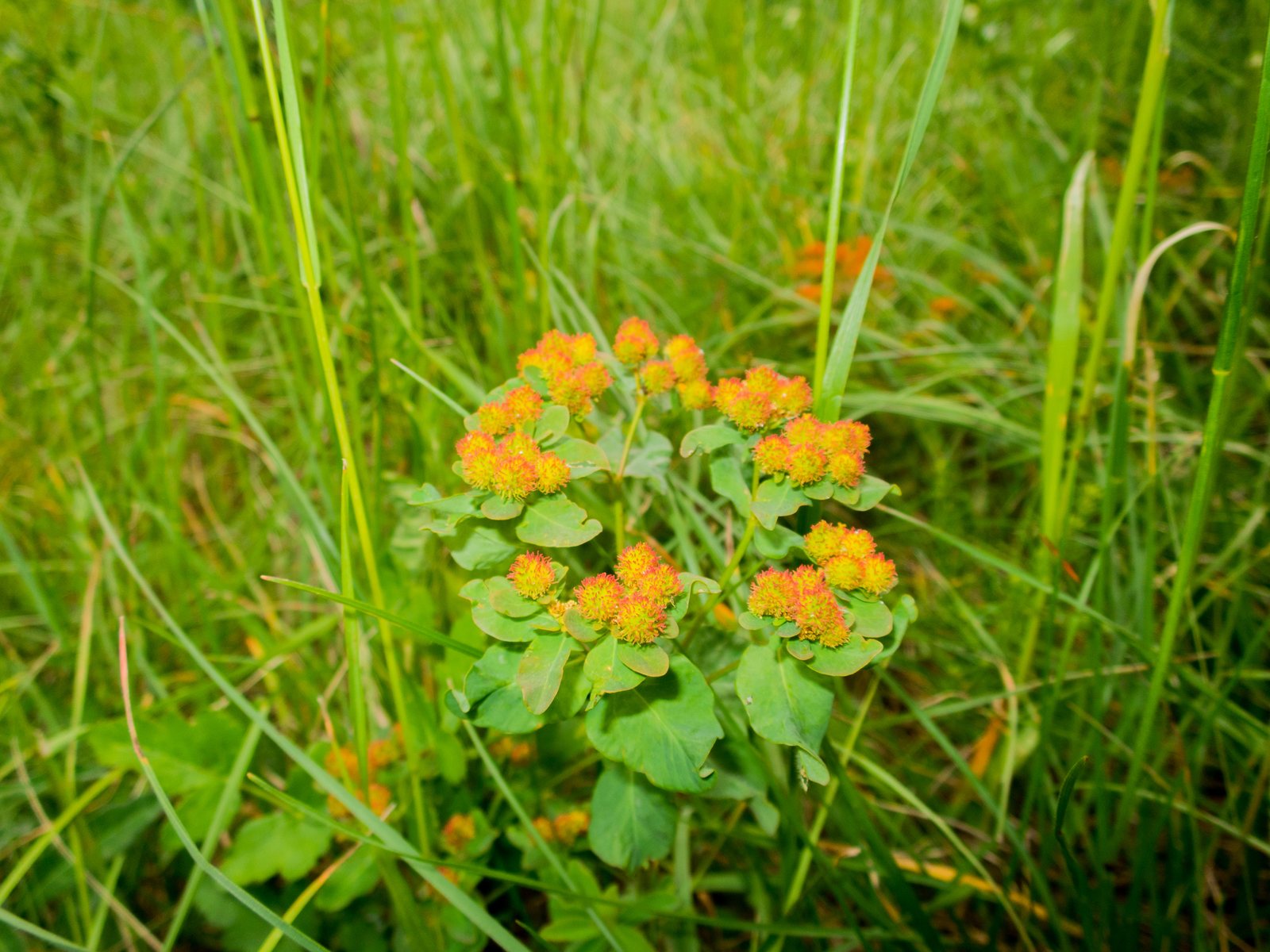
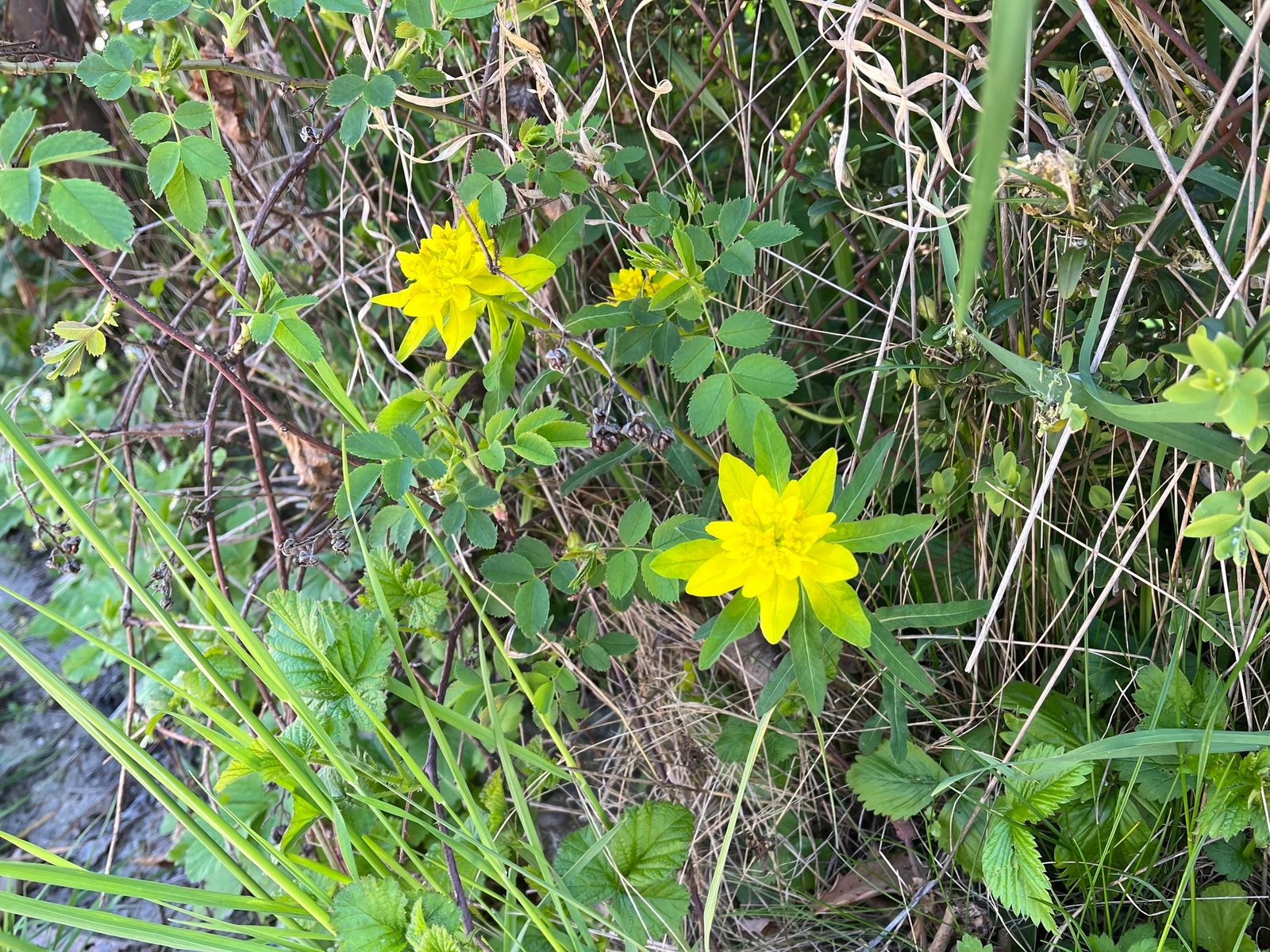
Cushion spurge is a deciduous perennial that forms a neat, rounded mound topped with bright yellow-green bracts in spring. Gardeners grow it for its early colour, compact shape and tolerance of dry soil once established; its milky sap requires careful handling.
At a glance
- Sun
- Full sun to partial shade; light afternoon shade is helpful in hot climates.
- Water
- Water regularly during establishment. Once established, water during prolonged drought rather than keeping the soil constantly moist.
- Soil
- Well-drained sandy, gravelly or loamy soil; tolerates poor soil and a broad pH range. Avoid waterlogged ground, especially in winter.
- Height
- 1-1.5 ft (0.3-0.45 m)
- Spread
- 1-2 ft (0.3-0.6 m)
- Flowers
- Mid- to late spring, sometimes into early summer; tiny yellow flowers surrounded by conspicuous yellow-green bracts that age towards green.
- Foliage
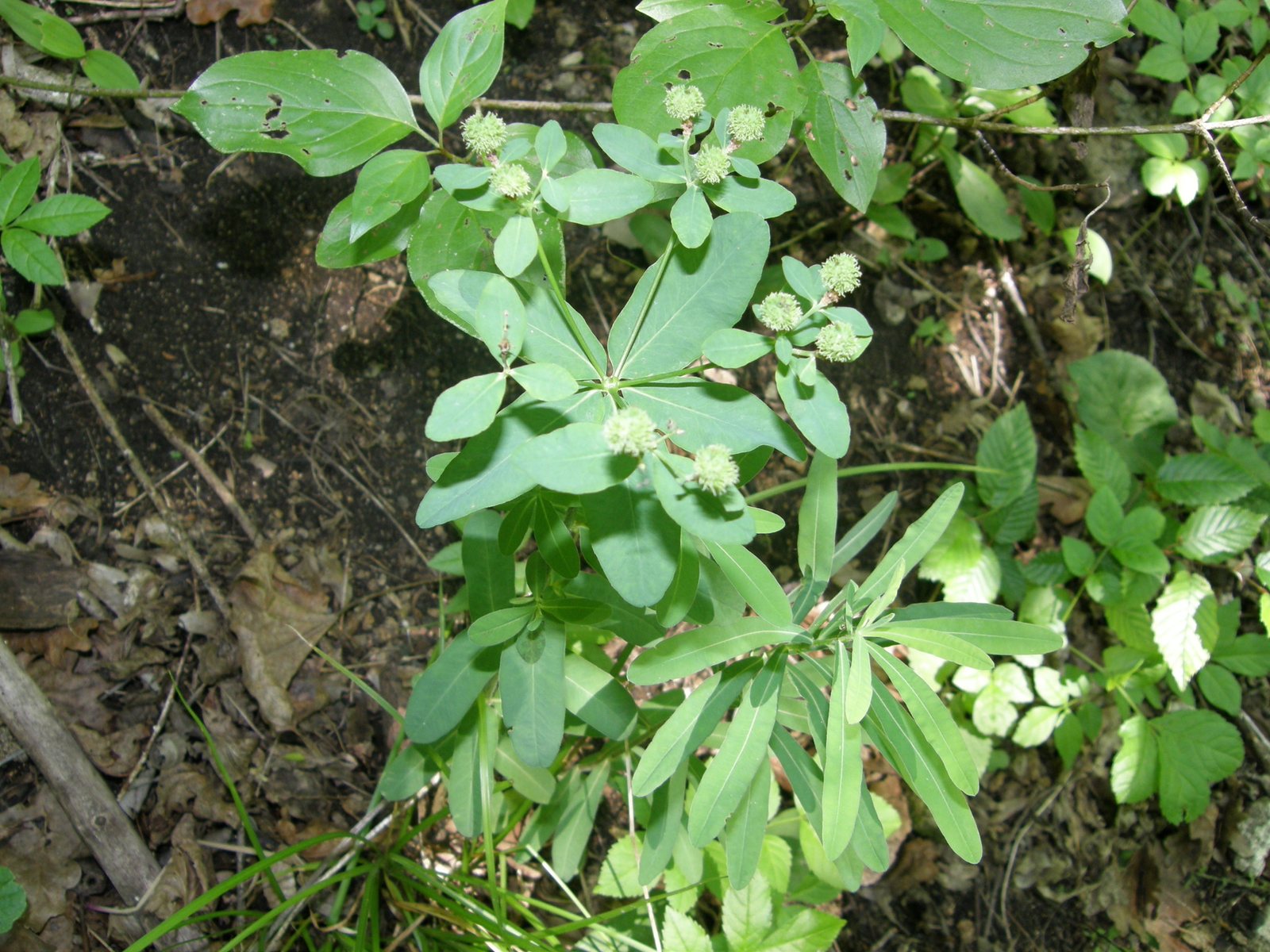
- Soft green, oval to narrowly oblong leaves on upright stems forming a rounded mound; leaves may turn yellow, orange or red in autumn before dying back.
- Growth
- Moderate
- Care needed
- Low
The year at a glance
- Pollinators
- Deer resistant
- Drought tolerant
- Cold hardy
- Low allergen
| J | F | M | A | M | J | J | A | S | O | N | D | |
|---|---|---|---|---|---|---|---|---|---|---|---|---|
| Flowers | ||||||||||||
| Plant |
Northern hemisphere months. In Australia, shift them by six.
- Difficulty
- Easy
- Toughness
- Very tough
Will it suit your garden?
Pick your zone, country, light and whether you have pets.
Full sun is 6 or more hours of direct sun a day, part shade 3 to 6 hours, shade under 3.
How it grows
Planting day
1 ft (0.3 m)
After 1 year
1.1 ft (0.32 m)
After 2 years
1.1 ft (0.35 m)
After 3 years
1.2 ft (0.38 m)
full size
About 3 years to full size.
From a typical nursery size, at an average rate for this kind of plant. A rule of thumb, not a forecast.
Good to know
- Cats and dogs
- Toxic
- Growth rate
- Moderate
Care
Jobs through the year
- WaterApr–May, Sep, every 21 days
- Water established plants only during prolonged drought; water new plants more often as soil dries.
- WaterJun–Aug, every 14 days
- Water established plants deeply only during prolonged drought; avoid constantly moist soil.
- MulchMar–Apr
- Use a light gravel mulch in damp sites, keeping the crown clear.
- PruneFeb–Mar
- Cut dead stems to ground level before growth starts; wear gloves and keep sap away from eyes.
- DeadheadMay–Jun
- Remove faded heads before seed ripens to prevent seedlings; wear gloves against irritating sap.
- PruneJun
- If the mound loosens after flowering, shorten stems by one-third while wearing gloves.
- DivideMar–Apr
- Divide established clumps only if needed as growth starts; wear gloves and long sleeves.
- Wear gloves and long sleeves when cutting or dividing; keep the milky sap away from your face.
- Water new plants when the root zone begins to dry, but do not leave them sitting in wet soil.
- Avoid heavy feeding; a light spring dressing of compost is usually sufficient.
- Keep mulch clear of the crown, and use gravel around plants in sites prone to winter damp.
- Remove spent flowering stems before seed ripens if you do not want seedlings.
Pruning. After the bracts fade, shorten flowering stems by about one-third if the mound becomes loose, or remove spent heads to limit seeding. Cut dead stems to ground level in late autumn or late winter, before new growth begins.
Through the year
- Late winter
- Cut away remaining dead stems before new shoots emerge, wearing gloves.
- Spring
- Plant in freely draining soil and water thoroughly; divide established clumps as growth starts if needed.
- Late spring
- Remove fading flower heads before seed ripens if seedlings would be unwelcome.
- Summer
- Water young plants during dry spells; give established plants water only during prolonged drought.
- Autumn
- Enjoy any autumn leaf colour, remove unwanted seedlings and check that fallen leaves are not smothering the crown.
- Winter
- Keep drainage channels clear and avoid watering dormant plants in already moist ground.
In the garden
- Repeat rounded clumps along the front of a sunny border for a clear spring rhythm.
- Pair with purple alliums or blue catmint for a strong contrast with the yellow-green bracts.
- Plant among gravel and rocks where its mound softens hard edges without needing rich soil.
- Combine with spring bulbs so its emerging foliage helps disguise their fading leaves.
Garden styles it suits: Cottage garden, English country, Dry gravel garden, Low-maintenance, New perennial (prairie) and Modern rustic.
Plant it with: Ornamental onions, Catmint, Bearded iris, Hardy geraniums, Daffodils and Lamb's ears.
Wildlife: The small, accessible flowers provide food for visiting bees, flies and other insects. Deer and rabbits usually avoid the foliage, although no plant is completely browse-proof.
Problems to watch for
- Crown or root rot in wet soil: improve drainage or move the plant to a raised, freely draining position; discard badly rotted plants.
- Loose, floppy growth in deep shade or rich soil: provide more sun and stop high-nitrogen feeding.
- Aphids on soft growth: wash them off with water and allow ladybirds and other predators to control small colonies.
- Unwanted seedlings: remove spent heads before seeds mature and pull young seedlings while small, wearing gloves.
Safety
Toxic to people, cats, dogs and horses if eaten. All parts contain irritating milky sap, which can cause mouth irritation, vomiting and diarrhoea; skin contact may cause dermatitis, and sap in the eyes can cause serious injury. Keep away from grazing animals and places where children or pets may chew it; seek urgent medical advice for eye exposure.
Easily confused with
Cypress spurge (Euphorbia cyparissias)
Has much finer, needle-like leaves and spreads into colonies through creeping roots rather than forming a compact cushion. It is invasive in parts of North America.
Leafy spurge (Euphorbia esula)
Usually grows taller, with narrow leaves and more open clusters of yellow-green bracts. It spreads strongly through an extensive root system and is a serious invasive weed in parts of North America.
Wood spurge (Euphorbia amygdaloides)
Typically has persistent dark green leaves, often with reddish stems, and looser flower clusters rather than cushion spurge's dense, deciduous mound.
The name
The common name describes its cushion-shaped growth, while polychroma comes from Greek words meaning 'many-coloured', referring to its changing colours.
Propagation. Divide established clumps carefully in early spring, keeping roots and shoots on each section. Sow fresh seed when ripe, but expect seedlings of named cultivars to differ from the parent; wear gloves whenever handling cut stems or roots.
Checked against open data
- Accepted botanical name
- Euphorbia epithymoides Euphorbia polychroma is an older name for Euphorbia epithymoides.
- In the US and Canada
- Introduced in Canada and the lower 48 states.
- Native range
- Albania, Austria, Bulgaria, Germany, Greece, Hungary, Italy, Kriti, Libya, Romania, Turkey and Ukraine.
- Measured
- Average height 40 cm.
Sources: GBIF (CC BY 4.0), USDA PLANTS and Trefle (CC BY 4.0). The care and design notes are LandscapeGPT's own.
See it in your own yard.
Upload a photo of your yard and see it redesigned with plants that suit your climate, each checked against your zone.