Daffodil 'Carlton'
Narcissus 'Carlton'. Family Amaryllidaceae. Bulb.
Also called Narcissus 'Carlton', 'Carlton' large-cupped daffodil.
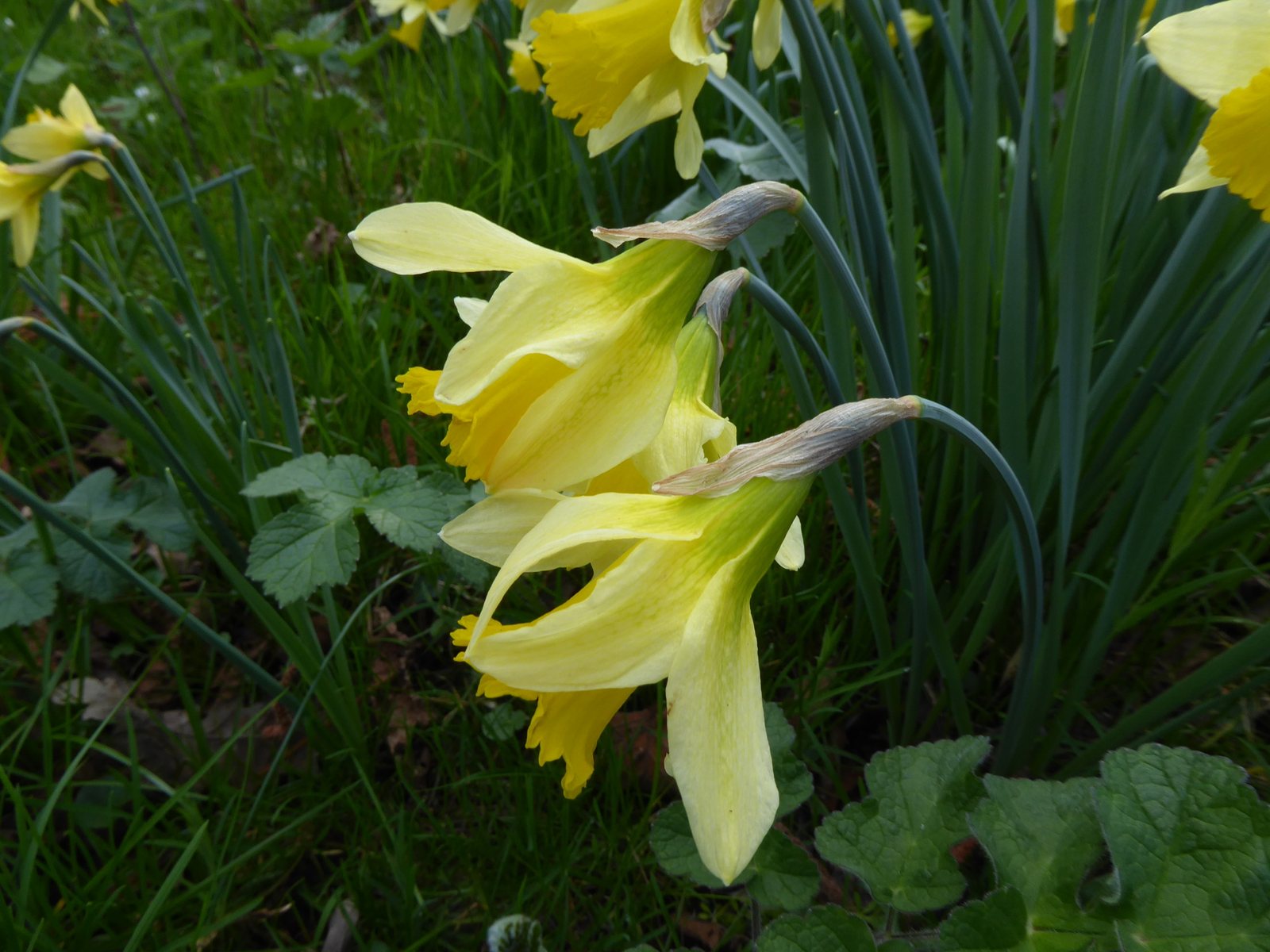
'Carlton' is a reliable, large-cupped daffodil with golden-yellow flowers and upright, strap-shaped leaves. Gardeners grow it for its strong spring display, useful cut flowers and ability to form lasting clumps in borders or grass.
At a glance
- Sun
- Full sun or partial shade; suitable beneath deciduous trees that admit sunlight in spring.
- Water
- Moderate moisture during active growth; relatively dry conditions suit dormant bulbs in summer. Avoid waterlogged soil.
- Soil
- Well-drained loam, clay or sandy soil improved with organic matter; tolerates a broad pH range.
- Height
- 1-1.5 ft (0.3-0.45 m)
- Spread
- 0.5-1 ft (0.15-0.3 m) per established clump
- Flowers
- Early to mid-spring; golden-yellow petals surrounding a broad yellow cup, usually one flower per stem.
- Foliage
- Upright, blue-green, strap-shaped leaves emerge in late winter or spring and die back after flowering.
- Growth
- Moderate; bulbs gradually multiply into clumps.
- Care needed
- Low
The year at a glance
- Deer resistant
- Cold hardy
- Low allergen
- Fragrant
| J | F | M | A | M | J | J | A | S | O | N | D | |
|---|---|---|---|---|---|---|---|---|---|---|---|---|
| Flowers | ||||||||||||
| Plant |
Northern hemisphere months. In Australia, shift them by six.
- Difficulty
- Easy
- Toughness
- Very tough
Will it suit your garden?
Pick your zone, country, light and whether you have pets.
Full sun is 6 or more hours of direct sun a day, part shade 3 to 6 hours, shade under 3.
How it grows
Planting day
0.5 ft (0.15 m)
After 1 year
1.2 ft (0.38 m)
full size
About 1 years to full size.
From a typical nursery size, at an average rate for this kind of plant. A rule of thumb, not a forecast.
Good to know
- Cats and dogs
- Toxic
- Growth rate
- Moderate
Care
Jobs through the year
- WaterFeb, every 14 days
- Water emerging bulbs only if soil is dry and rainfall insufficient.
- WaterMar–May, every 7 days
- Water in dry weather while leaves are green; stop routine watering when foliage dies.
- FeedFeb–Mar
- Apply bulb fertiliser as shoots emerge only on poor soil; avoid excess nitrogen.
- DeadheadMar–Apr, every 7 days
- Remove faded flower heads before seed capsules form, leaving green stems and leaves.
- PruneMay–Jun
- Remove or mow foliage only once fully yellow, at least six weeks after flowering.
- DivideJun–Jul
- Separate crowded bulbs after foliage yellows if flowering declines; replant promptly.
- MulchOct
- Apply a light compost mulch without making a thick, wet layer over bulbs.
- Plant in autumn with the bulb base about 6 in (15 cm) deep, spacing bulbs 4-6 in (10-15 cm) apart.
- Water after planting and during dry spells while leaves are growing; avoid routinely watering dormant bulbs.
- On poor soil, apply a bulb fertiliser at the label rate as shoots emerge; avoid heavy nitrogen feeding.
- Apply a light compost mulch in autumn without creating a thick, wet layer over the bulbs.
- Divide crowded clumps after the leaves yellow if flowering declines, and replant the bulbs promptly.
Pruning. Remove faded flower heads before seed capsules develop, but leave the stems and leaves to die back naturally. Do not tie, braid or cut green leaves; in grass, delay mowing until the foliage has yellowed, usually at least six weeks after flowering.
Through the year
- Autumn
- Plant bulbs in well-drained ground or containers with drainage holes.
- Late winter
- Check emerging shoots and remove fallen material that is smothering them.
- Early spring
- Feed bulbs on poor soil and water if conditions are unusually dry.
- Spring
- Remove faded flower heads, leaving all green foliage intact.
- Late spring
- Keep grass around naturalised bulbs uncut until the daffodil leaves have yellowed.
- Early summer
- Divide congested clumps as foliage dies back; otherwise leave dormant bulbs undisturbed.
In the garden
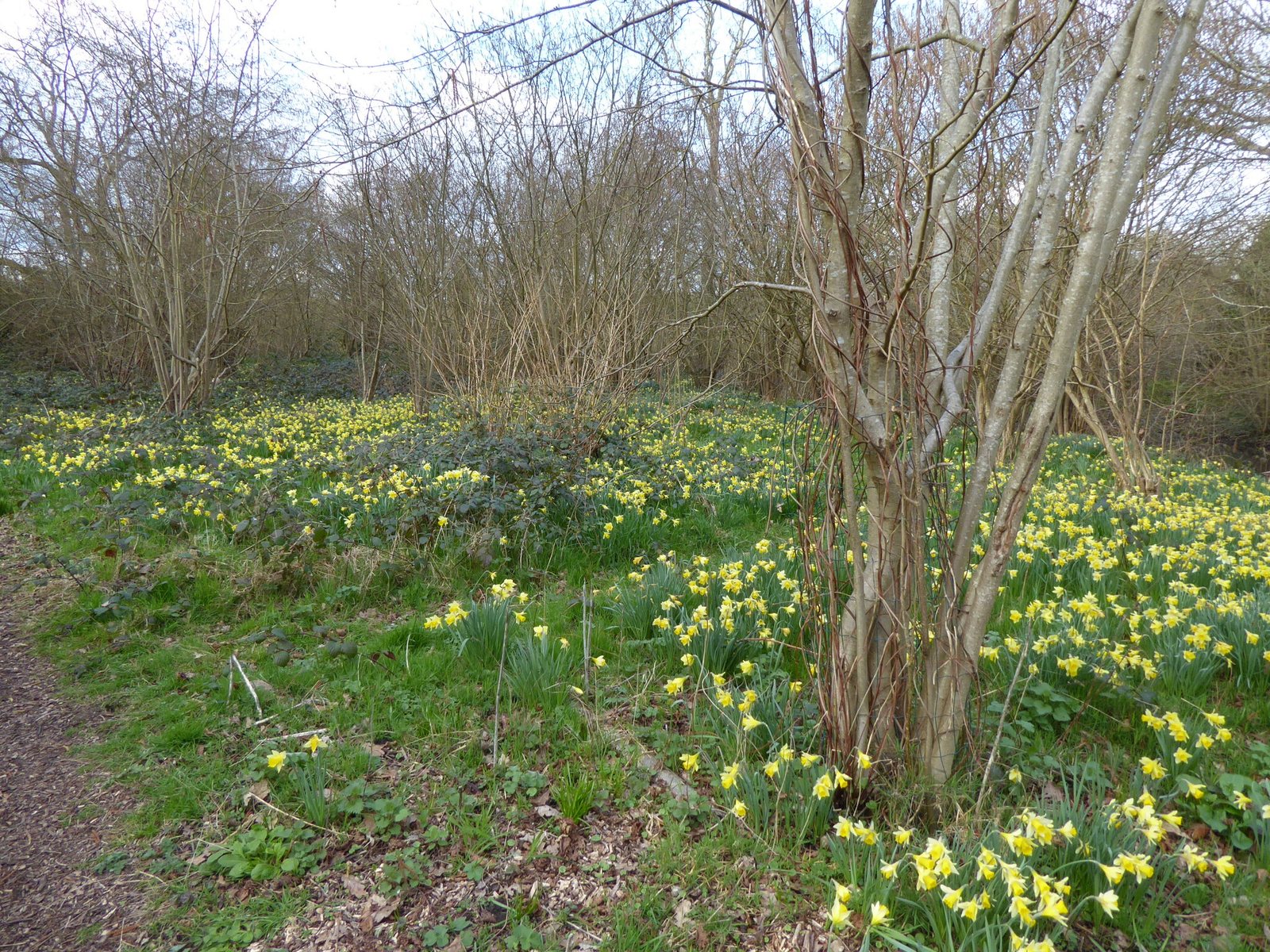
- Plant in broad drifts through grass or beneath deciduous trees for a spring display before the canopy closes.
- Group among emerging hostas or hardy geraniums, whose later foliage helps conceal dying daffodil leaves.
- Repeat small groups along paths and through mixed borders to link separate planting areas.
- Grow in deep, well-drained containers for seasonal colour near an entrance.
Garden styles it suits: English country, Cottage garden, Traditional, Woodland, Grand estate and Low-maintenance.
Plant it with: Forget-me-nots, Grape hyacinths, Primroses, Hostas, Hardy geraniums and Brunnera.
Wildlife: Flowers may receive visits from bees, though 'Carlton' is not a leading nectar plant. Deer and rabbits generally avoid daffodils, but may occasionally damage them.
Problems to watch for
- Leaves but few flowers: improve spring sunlight, avoid cutting green foliage and divide overcrowded clumps after leaves yellow.
- Bulb rot in wet soil: remove soft, decaying bulbs and improve drainage or move healthy bulbs to a better-drained site.
- Narcissus bulb fly: larvae hollow out bulbs; discard infested bulbs and firm soil around remaining bulbs after foliage dies back.
- Slugs and snails damaging shoots or flowers: inspect in damp weather, remove pests by hand and use iron-phosphate bait according to the label if needed.
Safety
All parts are toxic to people, cats, dogs and horses, especially the bulbs. Eating them can cause vomiting, abdominal pain and diarrhoea; large amounts can cause serious poisoning. Never confuse bulbs with onions, and seek medical or veterinary advice after ingestion. Sap can irritate skin, so wear gloves when handling or cutting large quantities.
Easily confused with
Daffodil 'Dutch Master' (Narcissus 'Dutch Master')
Also a large yellow daffodil, but its trumpet is at least as long as the petals; 'Carlton' has a shorter, broad cup.
Jonquil (Narcissus jonquilla)
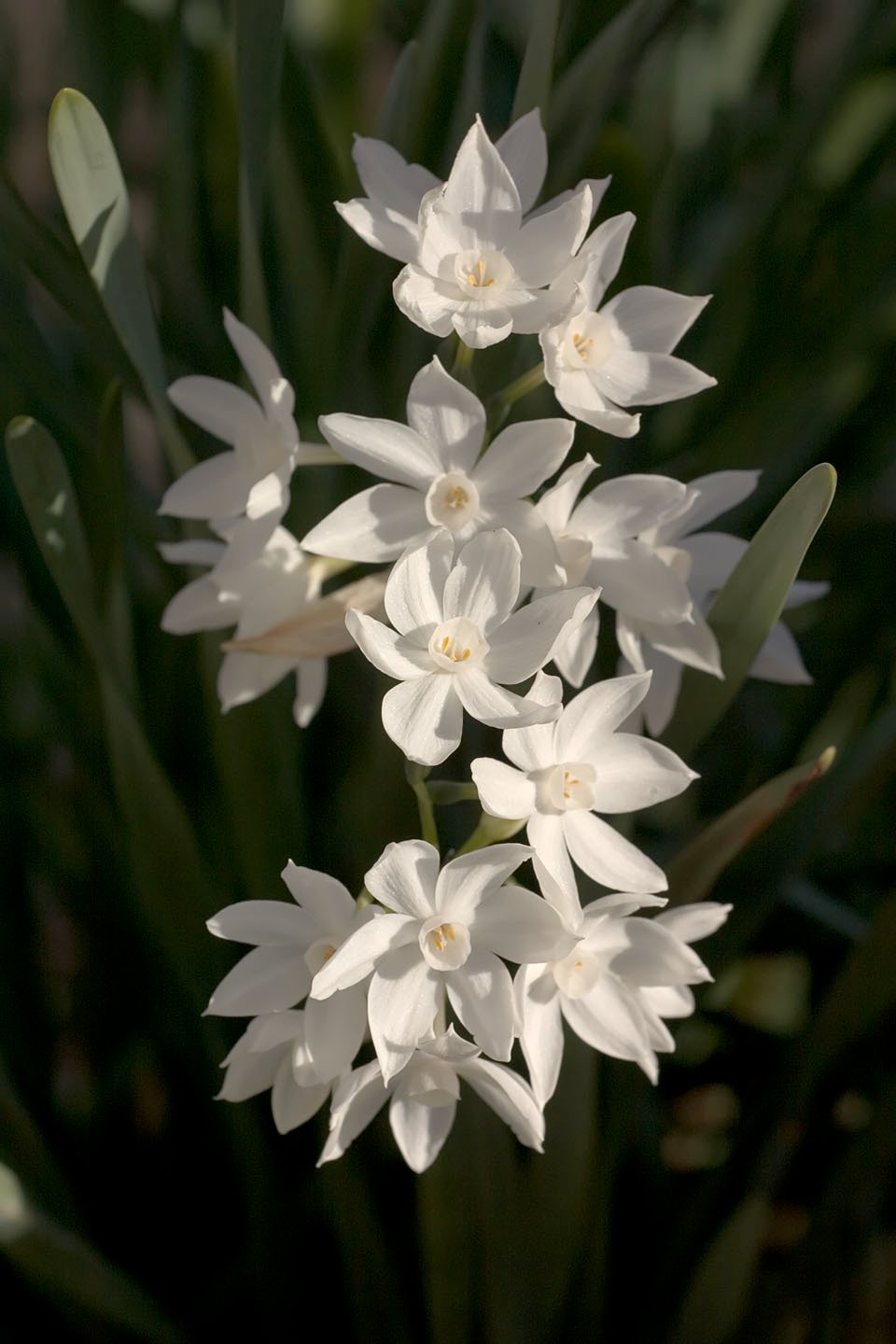
Usually bears several smaller, strongly scented flowers per stem and has narrow, almost cylindrical leaves; 'Carlton' usually has one large flower and broad, flat leaves.
The name
The botanical name Narcissus is associated with the Greek myth of Narcissus, the youth who became captivated by his own reflection.
Propagation. Separate offset bulbs from established clumps after the leaves yellow, then replant promptly. Division preserves 'Carlton'; seedlings will not reliably match the cultivar and take several years to flower.
Checked against open data
- Accepted botanical name
- Narcissus
Sources: GBIF (CC BY 4.0). The care and design notes are LandscapeGPT's own.
See it in your own yard.
Upload a photo of your yard and see it redesigned with plants that suit your climate, each checked against your zone.