Dahlia 'David Howard'
Dahlia 'David Howard'. Family Asteraceae. Perennial.
Also called 'David Howard' dahlia.
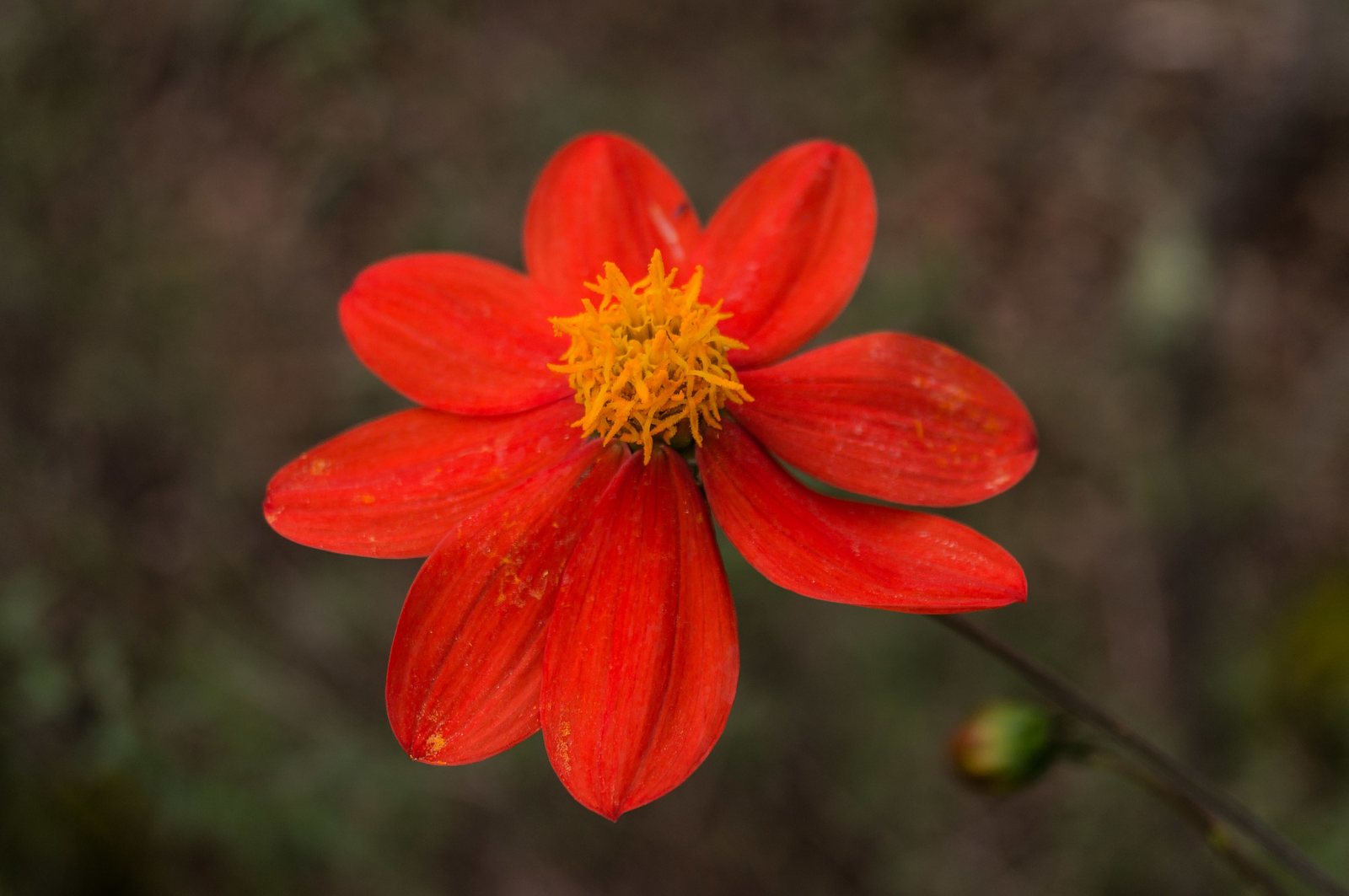
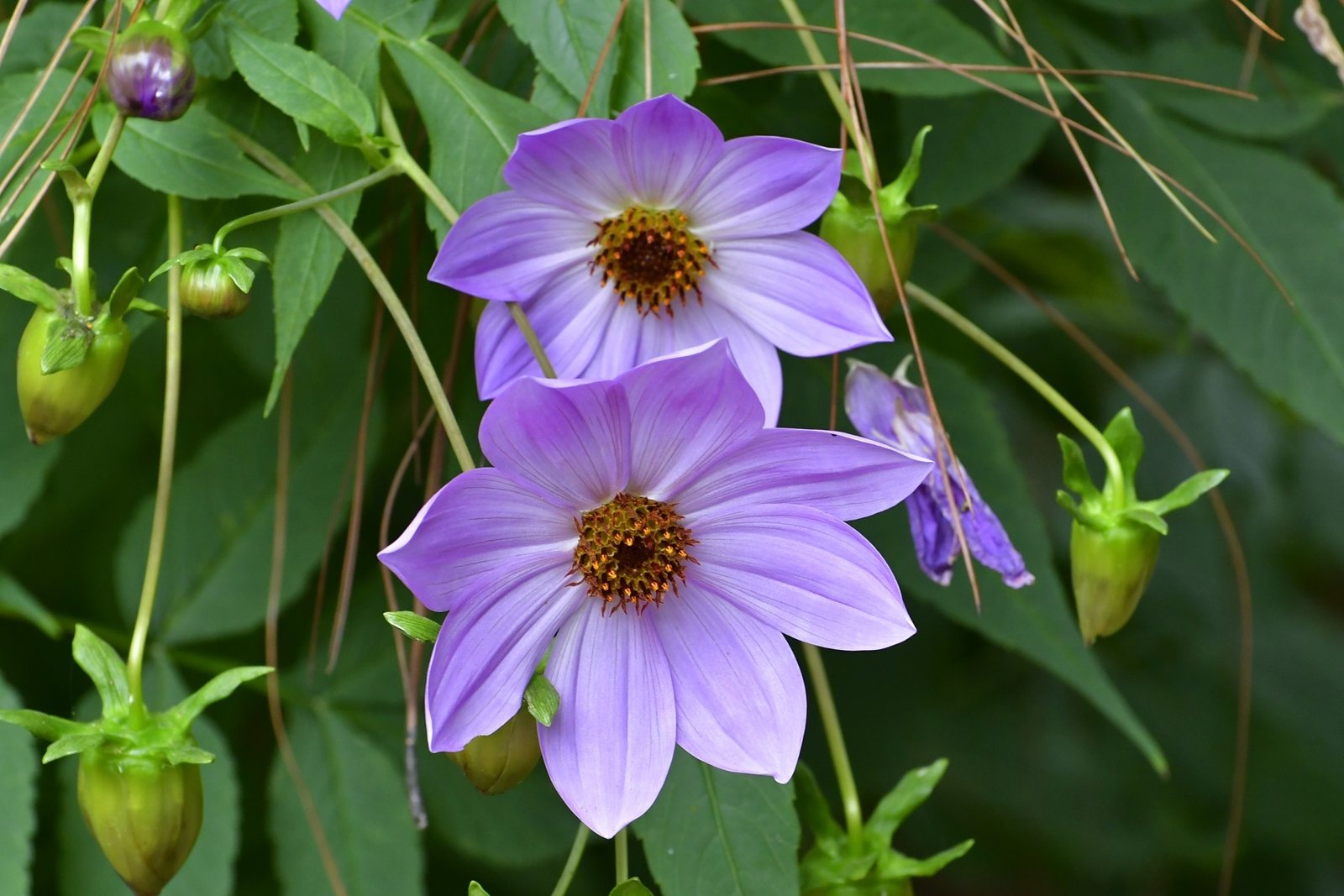
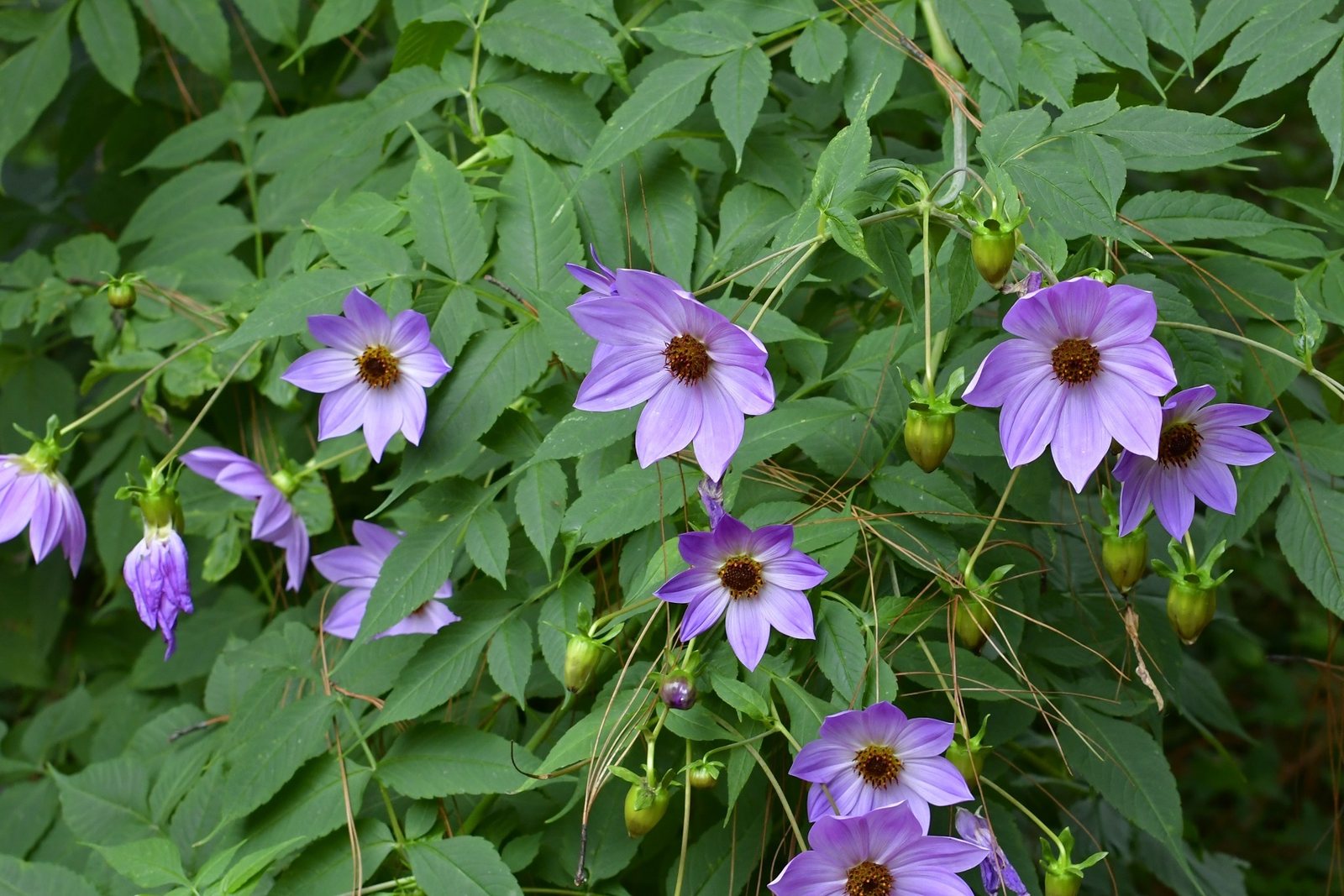
A tuberous perennial with fully double, warm orange flowers above dark bronze-purple foliage. Gardeners grow it for its long summer-to-autumn display and useful cutting flowers; in cold climates, lift and store the tubers or grow it as an annual.
At a glance
- Sun
- Full sun; light afternoon shade can help in very hot climates.
- Water
- Water deeply when the surface soil begins to dry; keep actively growing plants evenly moist but never waterlogged.
- Soil
- Fertile, well-drained soil enriched with compost; avoid sites that stay wet in winter.
- Height
- 3-4 ft (0.9-1.2 m)
- Spread
- 1.5-2 ft (0.45-0.6 m)
- Flowers
- Summer until the first autumn frost; fully double, warm orange flowers.
- Foliage
- Divided, toothed leaves in dark bronze-purple tones.
- Growth
- Fast during the growing season
- Care needed
- Medium
The year at a glance
- Low allergen
| J | F | M | A | M | J | J | A | S | O | N | D | |
|---|---|---|---|---|---|---|---|---|---|---|---|---|
| Flowers | ||||||||||||
| Plant |
Northern hemisphere months. In Australia, shift them by six.
- Difficulty
- Moderate
- Toughness
- Needs looking after
Will it suit your garden?
Pick your zone, country, light and whether you have pets.
Full sun is 6 or more hours of direct sun a day, part shade 3 to 6 hours, shade under 3.
How it grows
Planting day
1 ft (0.3 m)
After 1 year
2.2 ft (0.68 m)
After 2 years
3 ft (1.1 m)
full size
About 2 years to full size.
From a typical nursery size, at an average rate for this kind of plant. A rule of thumb, not a forecast.
Good to know
- Cats and dogs
- Mildly toxic: may upset a stomach
- Growth rate
- Fast
Care
Jobs through the year
- WaterMay–Jun, Sep–Oct, every 7 days
- Water established ground plants when the surface dries; avoid soaking dormant tubers and check young plants more often.
- WaterJul–Aug, every 3 days
- Water established ground plants deeply as needed in dry weather, keeping active roots evenly moist.
- FeedJun–Sep, every 28 days
- Feed established growth at the product's label rate; avoid high-nitrogen fertilizer.
- MulchJun
- Mulch after shoots emerge, keeping material away from stems.
- PruneJun
- Pinch out the growing tip when plants reach 30-40 cm tall.
- ProtectMay–Jun
- Install stakes at planting, protect shoots from slugs and keep frost protection ready.
- ProtectJun–Sep, every 14 days
- Tie growing stems loosely to their supports.
- DeadheadJul–Oct, every 7 days
- Cut faded flowers back to a healthy leaf joint.
- PruneOct–Nov
- Cut down frost-blackened stems before lifting tubers.
- ProtectOct–Nov
- After the first killing frost, lift tubers and store frost-free in barely moist packing.
- ProtectJan–Mar, Dec, every 30 days
- Inspect stored tubers; discard rot and lightly moisten packing only if tubers shrivel.
- DivideApr–May
- If propagation is wanted, divide stored clumps once eyes are visible; retain an eye and crown tissue on each division.
- Plant after frost danger has passed and the soil has warmed, with the tuber crown just below the soil surface.
- Install a stake at planting and tie stems loosely as they grow.
- Water at soil level during dry spells; avoid saturating newly planted, dormant tubers.
- Apply a balanced fertiliser once growth is established, following the label; avoid excessive nitrogen.
- Mulch after shoots emerge to conserve moisture, keeping mulch away from the stems.
- Where winters freeze the ground or soil stays wet, lift tubers after frost blackens the foliage and store them frost-free in barely moist packing material.
Pruning. Pinch out the growing tip when plants are about 12-16 in (30-40 cm) tall to encourage branching. Remove faded flowers regularly, cutting back to a healthy leaf joint, and cut down frost-blackened stems before lifting or winter mulching.
Through the year
- Late winter
- Check stored tubers; remove rotten material and lightly moisten packing material if tubers are badly shrivelling.
- Spring
- Pot up stored tubers under cover for an earlier start, protecting new growth from frost.
- Late spring
- Harden off plants and plant outside after the last frost; add stakes and protect shoots from slugs.
- Early summer
- Pinch young plants, begin feeding and tie new stems to their supports.
- Summer
- Water during dry weather and remove spent flowers to maintain flowering.
- Late autumn
- After frost blackens the foliage, lift and store tubers in cold or wet-winter areas; mulch those left in suitable mild, well-drained sites.
In the garden
- Plant through the middle of a sunny mixed border, where orange flowers stand out against the dark foliage.
- Combine with purple salvias and blue catmint for a strong warm-and-cool colour contrast.
- Repeat in a hot-coloured border with red flowers and fine-textured ornamental grasses.
- Grow in a large container with sturdy support and reliable watering.
- Include in a cutting bed for late-season flower arrangements.
Garden styles it suits: Cottage garden, English country, Hot border, Autumn colour, Modern tropical and Traditional.
Plant it with: Salvia, Catmint, Verbena, Crocosmia, Switchgrass and Cosmos.
Wildlife: The fully double flowers offer less accessible pollen and nectar than open-centred dahlias, so do not rely on this cultivar as a main pollinator plant.
Problems to watch for
- Slugs and snails can destroy emerging shoots; inspect at dusk, remove hiding places and use wildlife-conscious control methods.
- Aphids distort young shoots; wash off small colonies with water and encourage natural predators.
- Powdery mildew develops on crowded or drought-stressed plants; improve airflow, water the roots consistently and remove badly affected leaves.
- Tubers rot in cold, waterlogged soil or damp storage; improve drainage, store frost-free with ventilation and discard soft, rotting tubers.
Safety
Dahlias are mildly toxic to cats and dogs; chewing plant parts may cause stomach upset, and contact can cause skin irritation. Toxicity to horses is not well established. They are not generally regarded as poisonous to people, but sap can irritate sensitive skin and ornamental plants should not be eaten.
Easily confused with
Dahlia 'Bishop of Oxford' (Dahlia 'Bishop of Oxford')
Also has dark foliage and orange flowers, but its semi-double blooms show a conspicuous central disc; 'David Howard' has densely double flowers.
Dahlia 'Cornel Bronze' (Dahlia 'Cornel Bronze')
Has rounded, tightly packed bronze-orange ball flowers and green foliage, rather than the dark foliage and less spherical flowers of 'David Howard'.
The name
The genus Dahlia is named in honour of the Swedish botanist Anders Dahl.
Propagation. Divide tuber clumps in spring, ensuring each division has a sound tuber attached to a piece of crown with a visible bud. Basal cuttings from young spring shoots also preserve the cultivar; seedlings will not reliably come true.
Checked against open data
- Accepted botanical name
- Dahlia
Sources: GBIF (CC BY 4.0). The care and design notes are LandscapeGPT's own.
See it in your own yard.
Upload a photo of your yard and see it redesigned with plants that suit your climate, each checked against your zone.