Dart's Gold ninebark
Physocarpus opulifolius 'Dart's Gold'. Family Rosaceae. Shrub.
Also called Golden ninebark, Physocarpus opulifolius 'Dart's Gold'.
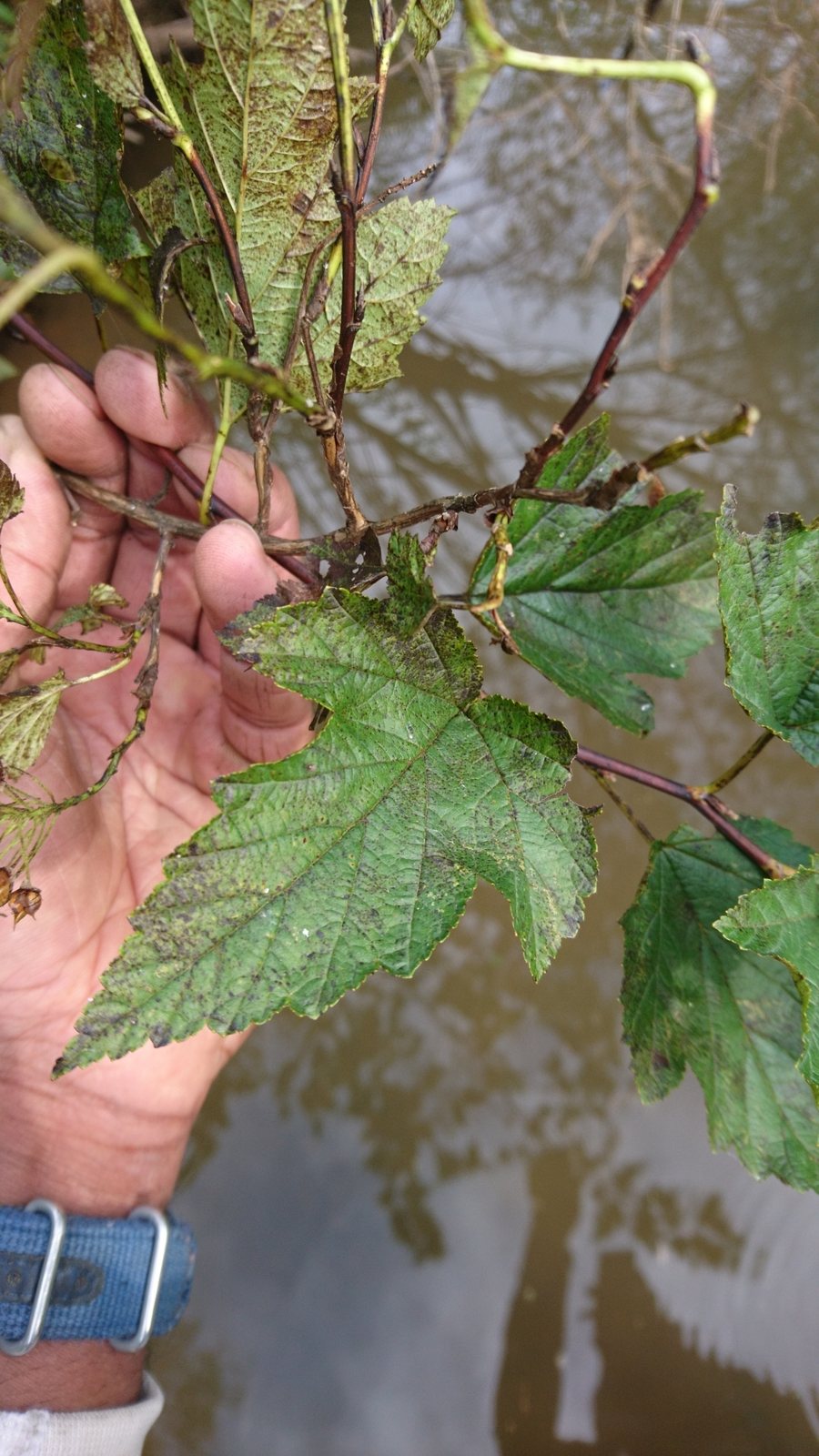
Dart's Gold is a compact, deciduous ninebark grown for its bright yellow spring leaves, rounded shape and clusters of white flowers. The foliage becomes greener in summer, while peeling bark adds some winter interest on older stems.
At a glance
- Sun
- Full sun to partial shade; morning sun and afternoon shade help prevent leaf scorch in hot climates.
- Water
- Moderate; water regularly while establishing. Established shrubs tolerate short dry spells but grow best with some moisture.
- Soil
- Adaptable to clay, loam or sandy soil, from slightly acidic to alkaline; avoid persistently waterlogged ground.
- Height
- 4-5 ft (1.2-1.5 m)
- Spread
- 4-5 ft (1.2-1.5 m)
- Flowers
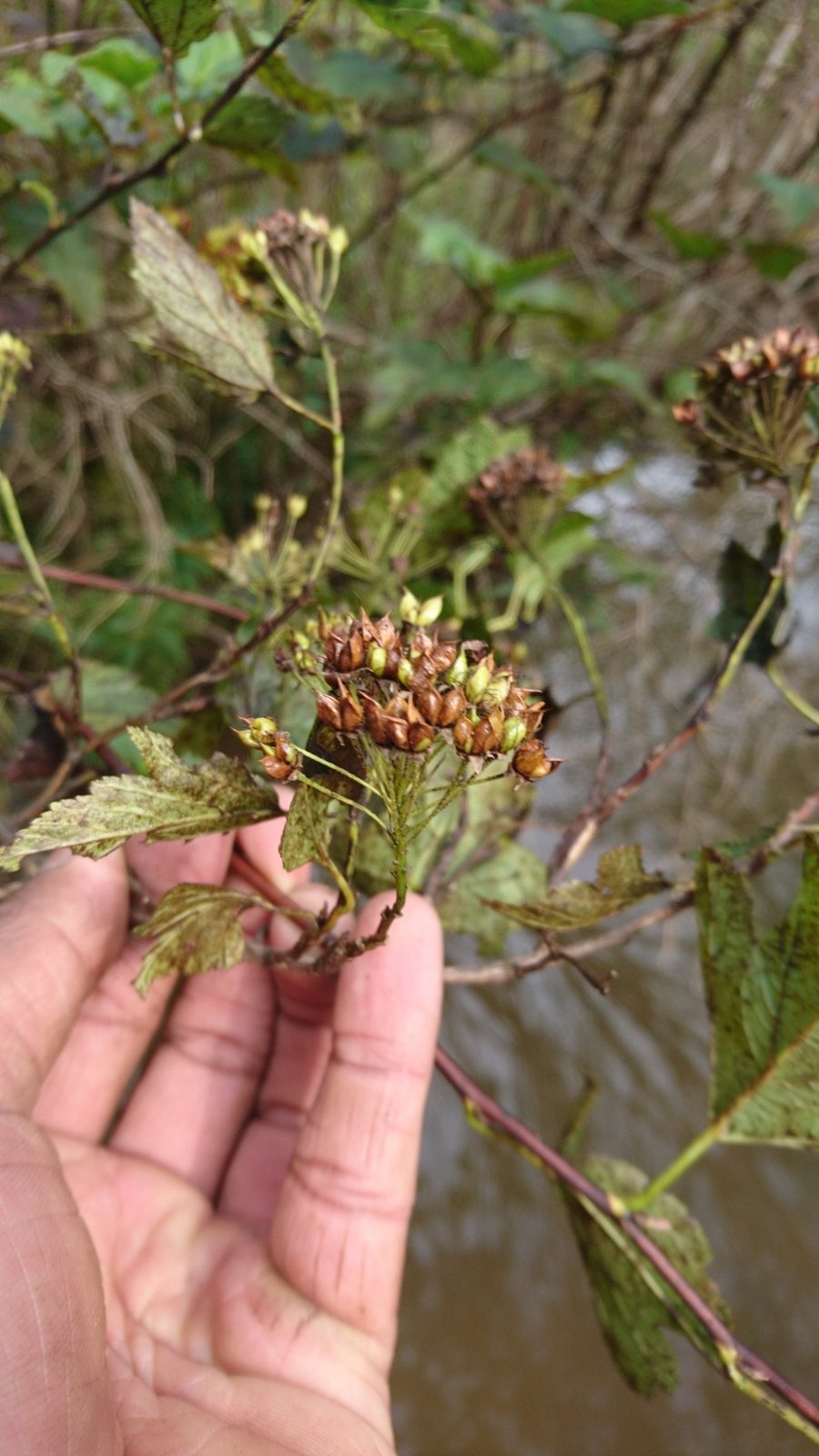
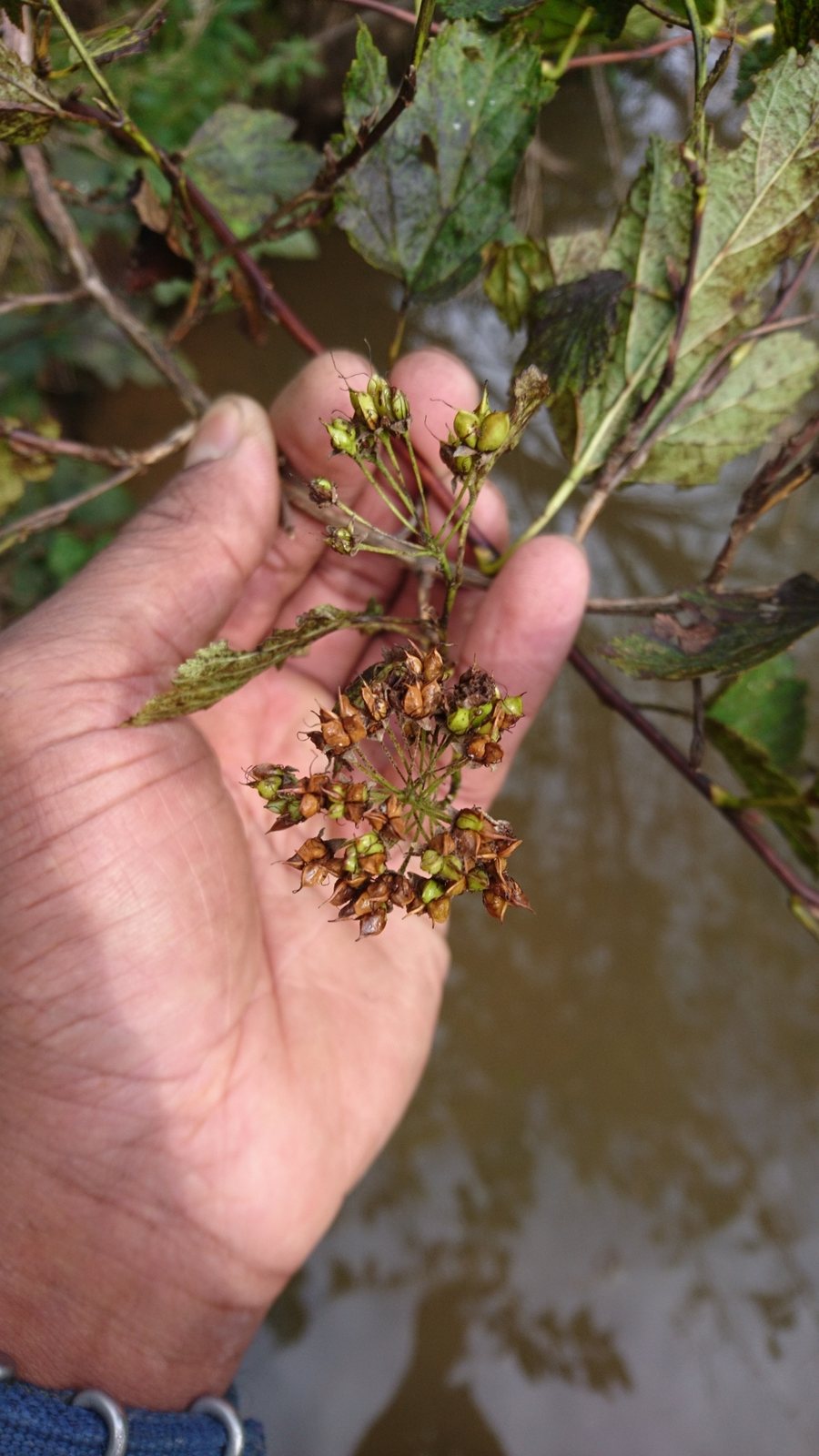
- Late spring to early summer; rounded clusters of white to faintly pink flowers, followed by reddish seed capsules.
- Foliage
- Lobed leaves emerge bright golden yellow, mature to yellow-green or lime green, and often turn yellow in autumn.
- Growth
- Moderate to fast.
- Care needed
- Low
The year at a glance
- Pollinators
- Cold hardy
- Wildlife
- Low allergen
| J | F | M | A | M | J | J | A | S | O | N | D | |
|---|---|---|---|---|---|---|---|---|---|---|---|---|
| Flowers | ||||||||||||
| Fruit | ||||||||||||
| Plant |
Northern hemisphere months. In Australia, shift them by six.
- Difficulty
- Easy
- Toughness
- Very tough
Will it suit your garden?
Pick your zone, country, light and whether you have pets.
Full sun is 6 or more hours of direct sun a day, part shade 3 to 6 hours, shade under 3.
How it grows
Planting day
1.6 ft (0.5 m)
After 1 year
2.3 ft (0.71 m)
After 2 years
3 ft (0.93 m)
After 3 years
4 ft (1.1 m)
After 5 years
4 ft (1.4 m)
full size
About 4 years to full size.
From a typical nursery size, at an average rate for this kind of plant. A rule of thumb, not a forecast.
Good to know
- Cats and dogs
- Safe
- Native to
- the US and Canada
- Growth rate
- Fast
Care
Jobs through the year
- WaterApr–May, Sep–Oct, every 14 days
- Water established shrubs during dry spells; water more regularly for the first two seasons.
- WaterJun–Aug, every 10 days
- Water deeply during prolonged drought, particularly if golden leaves begin scorching.
- MulchMar–Apr
- Apply 5–8 cm of organic mulch over a thin compost layer, keeping stems clear.
- PruneFeb–Mar
- Remove dead or damaged wood; hard renovation is only for overgrown shrubs and sacrifices spring flowers.
- PruneJun–Jul
- Just after flowering, shorten awkward shoots and remove up to one-third of old stems if needed.
- Water deeply during dry spells for the first two growing seasons.
- Spread 2-3 in (5-8 cm) of organic mulch over the root area, keeping it clear of the stems.
- Apply a thin layer of compost in spring; routine fertiliser is usually unnecessary.
- Allow room for the mature spread so air can circulate through the branches.
- During prolonged summer drought, water at soil level rather than wetting the leaves.
Pruning. Prune just after flowering, shortening awkward shoots and removing up to one-third of the oldest stems at ground level if needed. An overgrown shrub can be cut back hard in late winter, but this sacrifices most of that spring's flowers.
Through the year
- Late winter
- Remove dead or damaged wood; reserve hard renovation pruning for shrubs that genuinely need it.
- Spring
- Plant when the ground is workable, water thoroughly and mulch.
- Late spring
- Check new shoots for aphids and inspect leaves for powdery mildew.
- Early summer
- After flowering, thin crowded growth and remove selected old stems if necessary.
- Summer
- Water young shrubs during dry weather and watch exposed leaves for scorch.
- Autumn
- Plant in mild climates while soil remains warm, and collect fallen diseased leaves.
In the garden
- Use as a bright foliage accent against dark green or purple-leaved shrubs.
- Plant in a mixed border with blue- or violet-flowered perennials for contrast.
- Grow as an informal hedge, leaving enough space for its naturally arching branches.
- Include in a sunny woodland-edge planting with other deciduous shrubs.
Garden styles it suits: Cottage garden, English country, Wildlife garden, Low-maintenance, Native hedgerow and Modern rustic.
Plant it with: Purple coneflower, Catmint, Hardy geranium, Russian sage, Purple-leaved ninebark and Switchgrass.
Wildlife: Flowers provide pollen and nectar for bees and other insects. Dense branches offer shelter for small birds; the species is native to eastern and central North America, although this is a selected garden cultivar.
Problems to watch for
- Powdery mildew: white coating and distorted young growth are more likely in crowded conditions; improve airflow, avoid excessive nitrogen and remove badly affected shoots.
- Aphids: colonies may curl tender shoot tips; wash them off with water and allow ladybirds and other predators to feed.
- Leaf scorch: yellow foliage can develop brown edges in hot sun or drought; water deeply and provide afternoon shade in hot regions.
- Root decline in waterlogged soil: yellowing and dieback can follow prolonged saturation; improve drainage or move the shrub to a better-drained site.
Safety
Not known to be toxic to people, cats, dogs or horses. No part is considered edible, and specific safety information for this cultivar is limited.
Easily confused with
Luteus ninebark (Physocarpus opulifolius 'Luteus')
Also has yellow spring foliage and white flower clusters, but usually develops into a substantially larger shrub; young plants can be difficult to distinguish without a reliable label.
Goldflame spirea (Spiraea japonica 'Goldflame')
Has narrow, unlobed leaves, often bronze-orange when young, and pink summer flowers; Dart's Gold has broad, lobed leaves and white flowers.
The name
Ninebark refers to the many peeling layers of bark on older stems, while Physocarpus means bladder-fruit, describing the inflated seed capsules.
Propagation. Take softwood cuttings in late spring or early summer, or semi-ripe cuttings later in summer. Seedlings will not reliably retain the cultivar's golden foliage and compact habit.
Checked against open data
- Accepted botanical name
- Physocarpus opulifolius
- In the US and Canada
- Native in Canada and the lower 48 states.
- Native range
- Alabama, Arizona, Connecticut, Delaware, District of Columbia, Florida, Georgia, Illinois, Indiana, Iowa, Kansas and Kentucky.
- Measured
- Soil pH 4.5 to 6.5. Average height 300 cm.
Sources: GBIF (CC BY 4.0), USDA PLANTS and Trefle (CC BY 4.0). The care and design notes are LandscapeGPT's own.
See it in your own yard.
Upload a photo of your yard and see it redesigned with plants that suit your climate, each checked against your zone.