Dawn viburnum
Viburnum × bodnantense 'Dawn'. Family Viburnaceae. Shrub.
Also called Viburnum × bodnantense 'Dawn', Bodnant viburnum 'Dawn', Winter-flowering viburnum.
A large deciduous shrub grown for clusters of strongly scented pink flowers on bare branches in winter and early spring. Plant it near a frequently used path where you can enjoy the fragrance, allowing room for its upright stems to become arching with age. Flowers open during mild spells; severe frost can damage open blooms without killing the shrub.
At a glance
- Sun
- Full sun or partial shade; flowering is usually best with plenty of sun. Shelter from cold, drying winds.
- Water
- Keep the root zone evenly moist while establishing. Once established, water deeply during prolonged dry spells, particularly in hot summers.
- Soil
- Moist but well-drained soil enriched with organic matter; tolerates clay, loam and chalk, and acidic to alkaline conditions. Avoid persistently waterlogged ground.
- Height
- 8-10 ft (2.4-3 m)
- Spread
- 6-8 ft (1.8-2.4 m)
- Flowers
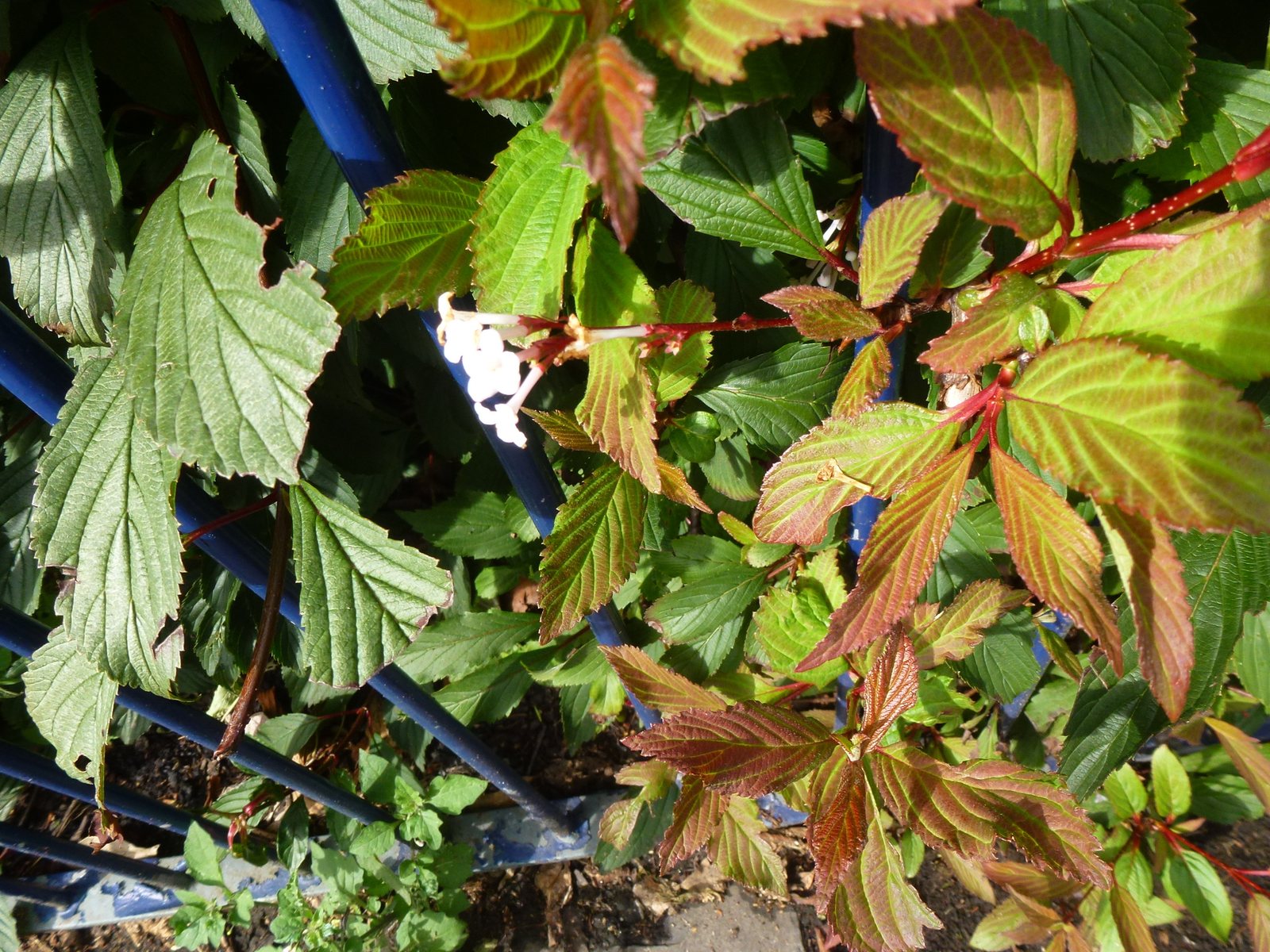
- Winter to early spring, sometimes starting in late autumn in mild climates. Deep pink buds open to fragrant pale pink flowers that fade towards white; flowering is later and more concentrated in cold climates.
- Foliage
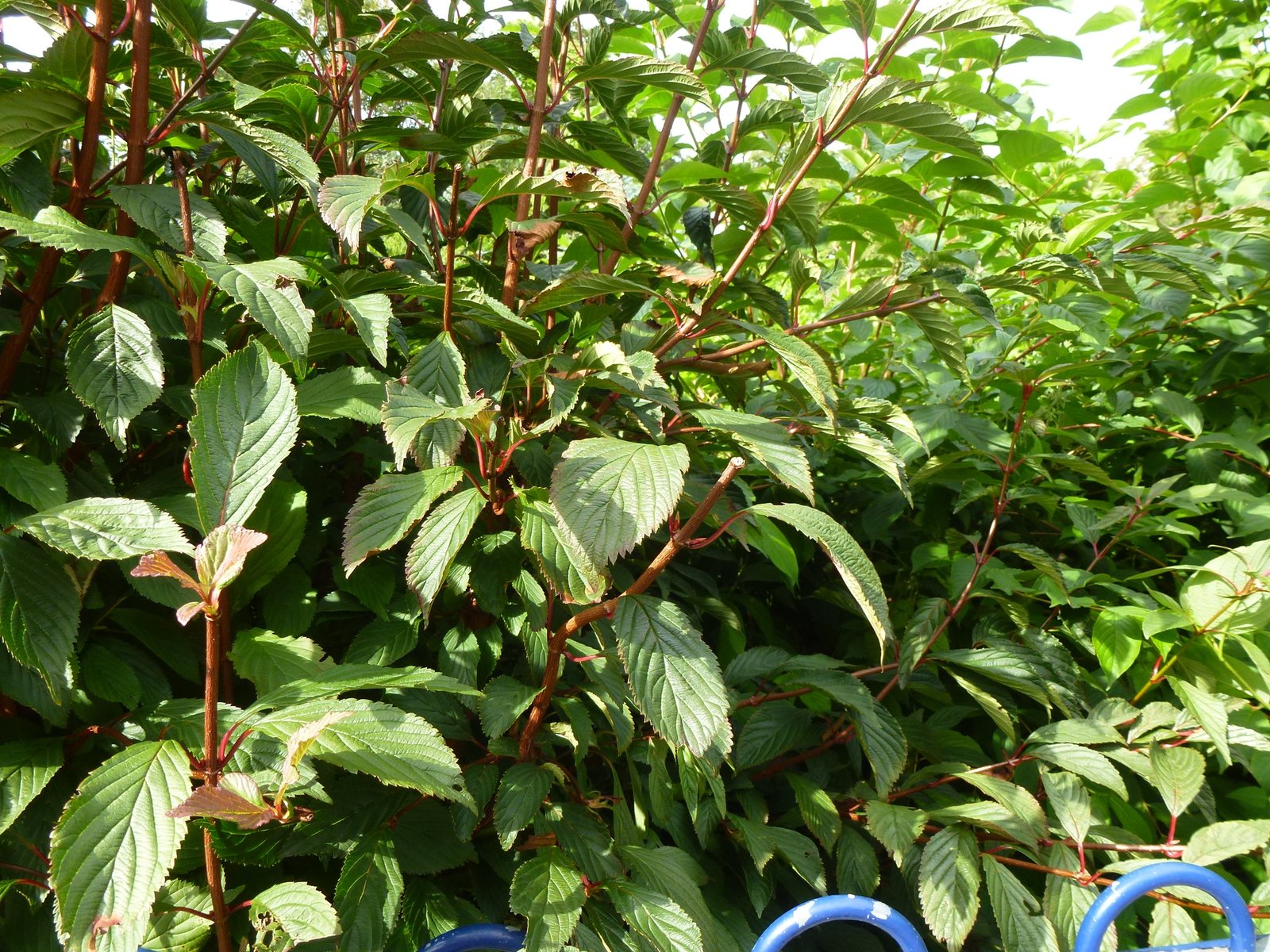
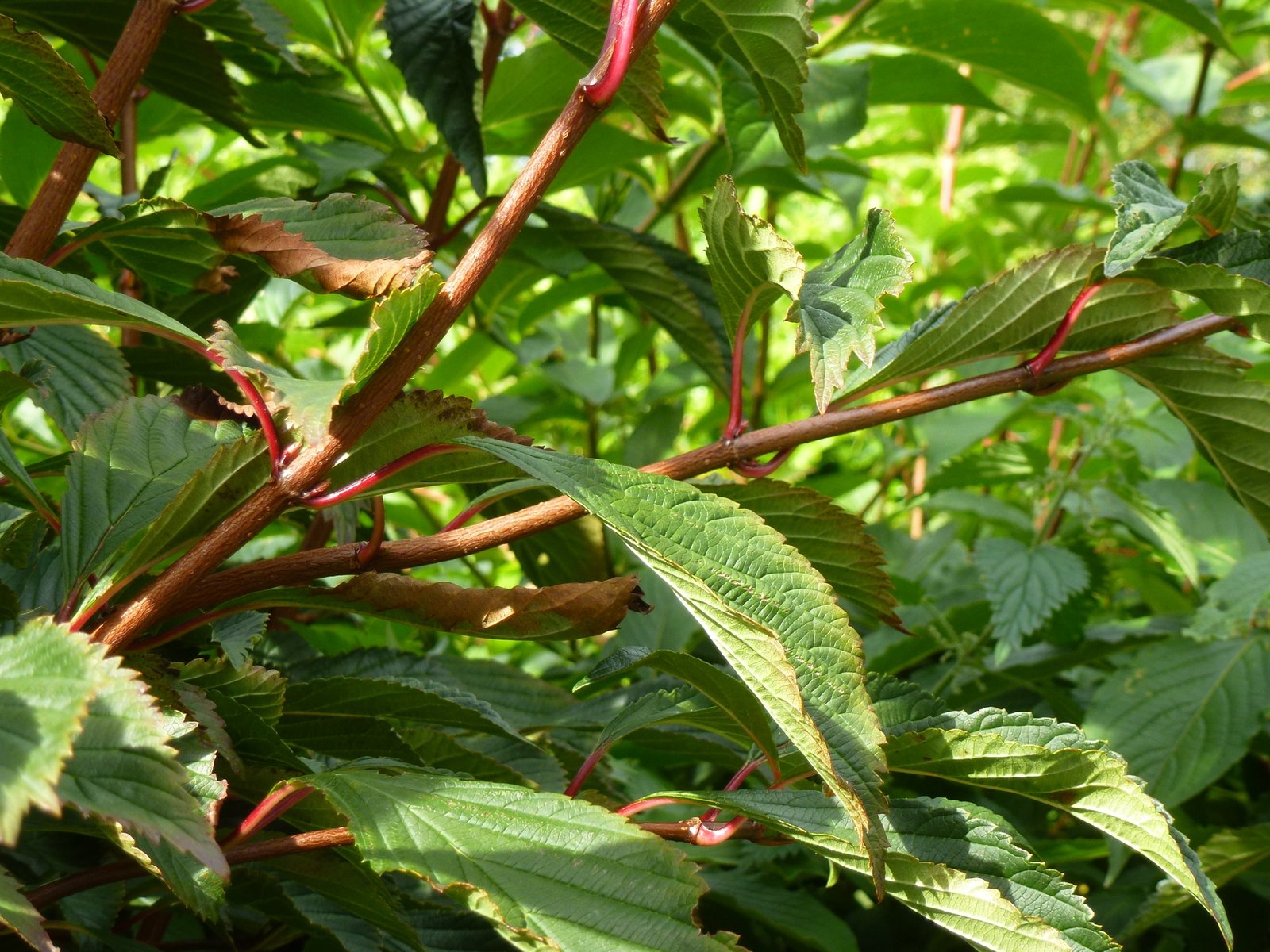
- Opposite, oval, toothed leaves emerge bronze, mature dark green and may turn burgundy or purple-red in autumn.
- Growth
- Moderate
- Care needed
- Low
The year at a glance
- Pollinators
- Wildlife
- Low allergen
- Fragrant
| J | F | M | A | M | J | J | A | S | O | N | D | |
|---|---|---|---|---|---|---|---|---|---|---|---|---|
| Flowers | ||||||||||||
| Plant |
Northern hemisphere months. In Australia, shift them by six.
- Difficulty
- Easy
- Toughness
- Fairly tough
Will it suit your garden?
Pick your zone, country, light and whether you have pets.
Full sun is 6 or more hours of direct sun a day, part shade 3 to 6 hours, shade under 3.
How it grows
Planting day
1.6 ft (0.5 m)
After 1 year
3 ft (0.94 m)
After 2 years
5 ft (1.4 m)
After 3 years
6 ft (1.8 m)
After 5 years
9 ft (2.7 m)
full size
About 5 years to full size.
From a typical nursery size, at an average rate for this kind of plant. A rule of thumb, not a forecast.
Good to know
- Cats and dogs
- Safe
- Growth rate
- Moderate
Care
Jobs through the year
- WaterApr–May, Sep–Oct, every 21 days
- Water established shrubs if soil is drying; keep young plants evenly moist for two years.
- WaterJun–Aug, every 14 days
- Water deeply during prolonged dry spells, skipping when rainfall keeps soil moist.
- PruneMar–Apr
- After flowering, remove damaged or crossing wood and up to one-third of the oldest stems if crowded.
- MulchApr
- Refresh 5–8 cm of organic mulch, keeping it away from stems.
- FeedApr
- Apply a light balanced slow-release feed only on poor soil or where growth is weak.
- ProtectMay–Jun, every 7 days
- Check for viburnum beetle larvae and aphids; remove small infestations by hand or with water.
- Plant when the ground is workable, setting the top of the root ball level with the surrounding soil.
- Water deeply through the first two growing seasons whenever the root zone begins to dry.
- Apply 2-3 in (5-8 cm) of organic mulch in spring, keeping it clear of the stems.
- On poor soil, apply a balanced slow-release shrub fertiliser in spring; avoid heavy feeding.
- Leave enough space for its mature width rather than controlling it with repeated shearing.
Pruning. Prune just after flowering, removing dead, damaged or crossing branches and shortening awkward shoots to a suitable side branch. To rejuvenate an established shrub, remove up to one-third of the oldest stems at ground level each year rather than cutting the whole shrub back at once.
Through the year
- Winter
- Enjoy the scented flowers; check that nearby paths give access without brushing against the flowering branches.
- Early spring
- After flowering finishes, remove damaged wood and thin selected old stems if needed.
- Spring
- Renew the organic mulch and feed lightly only if soil is poor or growth is weak.
- Late spring
- Inspect leaves for viburnum beetle larvae and aphids; remove small infestations by hand.
- Summer
- Water during extended dry weather; take semi-ripe cuttings if you want more plants.
- Autumn
- Plant new shrubs while soil is moist and workable; in very cold climates, postpone planting until spring.
In the garden
- Beside an entrance or winter-used path, with enough clearance for the mature branches, to bring the scent within reach.
- At the back of a mixed border, where summer perennials can provide interest after flowering ends.
- Against a dark evergreen backdrop that makes the pale winter flowers easier to see.
- In a winter-interest planting with snowdrops, hellebores and coloured-stem dogwoods.
Garden styles it suits: English country, Cottage garden, Woodland, Sensory garden, Winter interest and Traditional.
Plant it with: Snowdrops, Hellebores, Winter aconites, Witch hazel, Red-stemmed dogwood and Epimediums.
Wildlife: The flowers can feed bees and other insects active during mild winter or early spring weather. Its branches provide cover for small birds; fruit production is often sparse.
Problems to watch for
- Viburnum beetle can skeletonise leaves where it occurs, including parts of Europe and North America. Inspect in spring, remove larvae from small shrubs and prune out twigs bearing rows of egg pits during the dormant season.
- Aphids can cluster on young shoots and distort new leaves. Wash them off with water and allow ladybirds and other predators to control small colonies.
- Powdery mildew may coat leaves in dry, crowded conditions. Improve airflow, avoid overcrowding and water the soil during drought.
- Hard frost can brown open flowers. Choose a sheltered site and leave undamaged buds to open during the next mild spell.
Safety
Not known to be toxic to people, cats, dogs or horses. It is an ornamental rather than a food plant; do not eat any berries, and discourage pets from chewing it.
Easily confused with
Fragrant viburnum (Viburnum farreri)
This parent of the hybrid also has scented pink-to-white flowers on bare stems. It generally has a finer, smaller-leaved appearance, but the two can be difficult to distinguish confidently without a reliable label.
Bodnant viburnum 'Deben' (Viburnum × bodnantense 'Deben')
'Deben' has flowers that are white or only lightly flushed pink, while 'Dawn' has more distinctly pink buds and newly opened flowers.
Laurustinus (Viburnum tinus)
Laurustinus retains its leathery evergreen leaves and carries broad, flattened flower clusters; 'Dawn' flowers mainly on bare deciduous stems.
The name
The hybrid name bodnantense refers to Bodnant Garden in Wales, where this cross was raised.
Propagation. Take semi-ripe cuttings in summer or layer a low branch. Use vegetative propagation to retain 'Dawn'; seedlings will not reliably match the cultivar.
Checked against open data
- Accepted botanical name
- Viburnum bodnantense
Sources: GBIF (CC BY 4.0). The care and design notes are LandscapeGPT's own.
See it in your own yard.
Upload a photo of your yard and see it redesigned with plants that suit your climate, each checked against your zone.