Delaware Valley White azalea
Rhododendron 'Delaware Valley White'. Family Ericaceae. Shrub.
Also called Rhododendron 'Delaware Valley White'.
A rounded evergreen azalea grown for its abundant white spring flowers and small green leaves. It suits woodland edges, foundation beds and white gardens where the soil is acidic and well drained; some leaves may drop in cold winters.
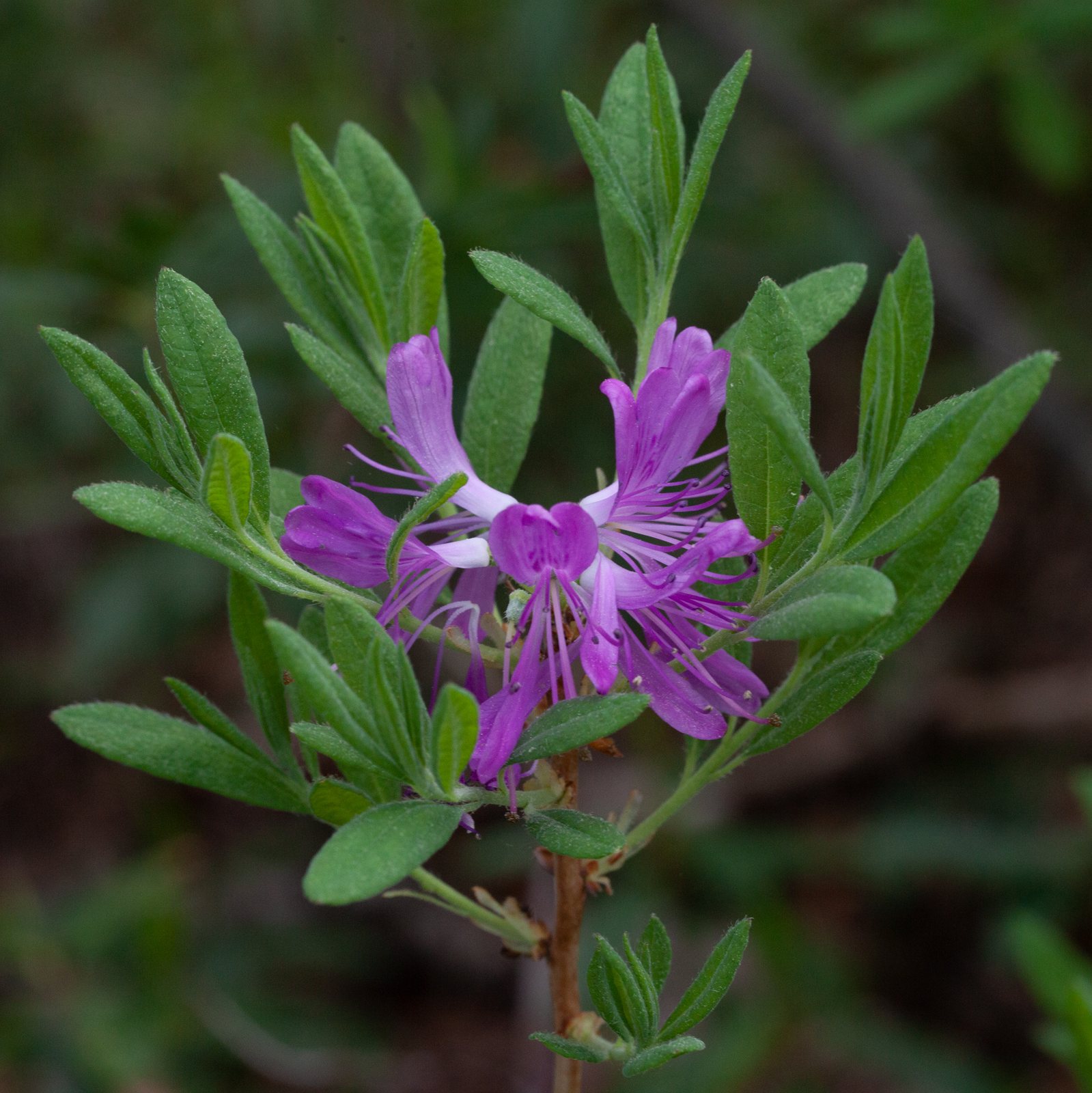
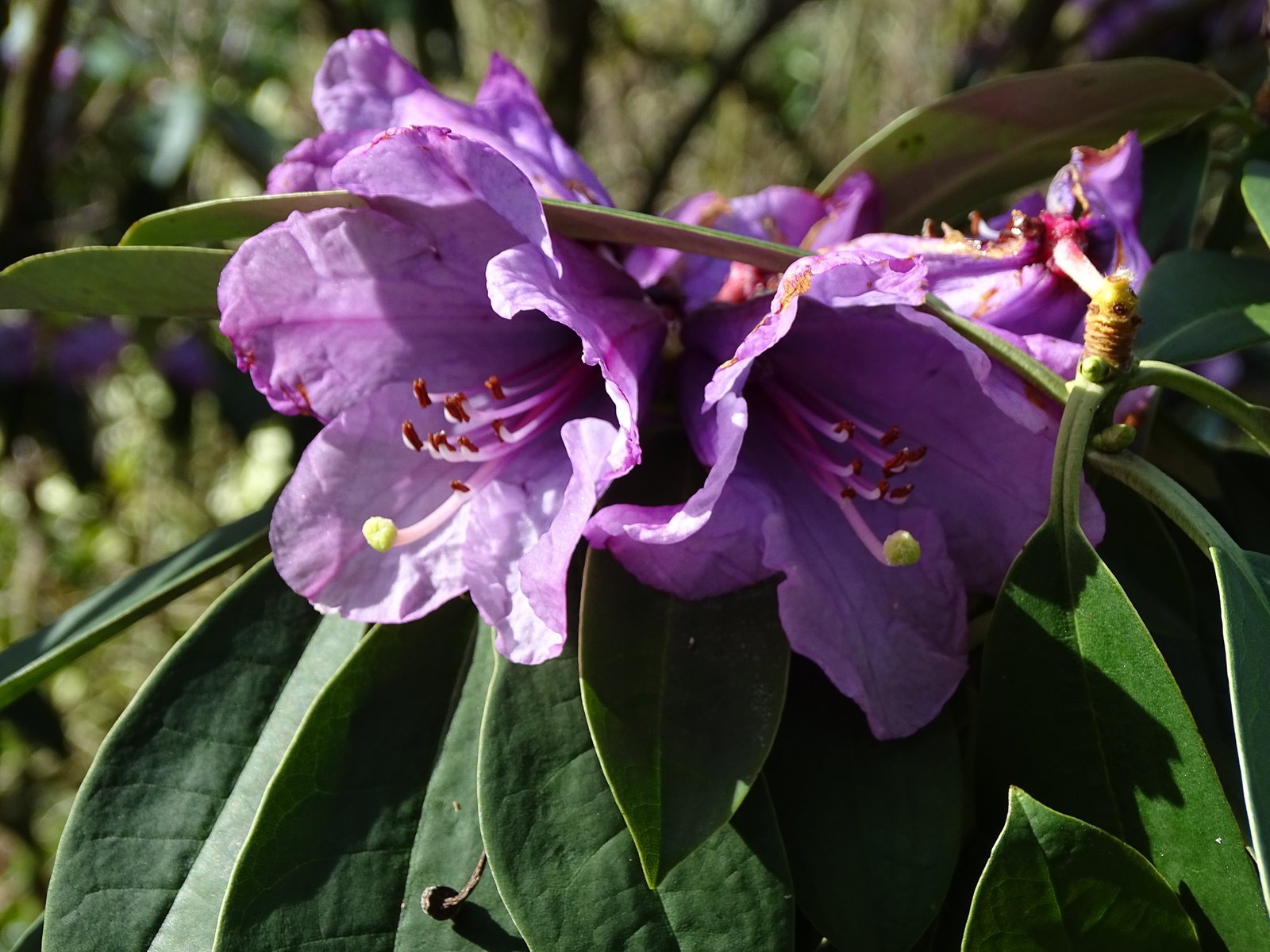
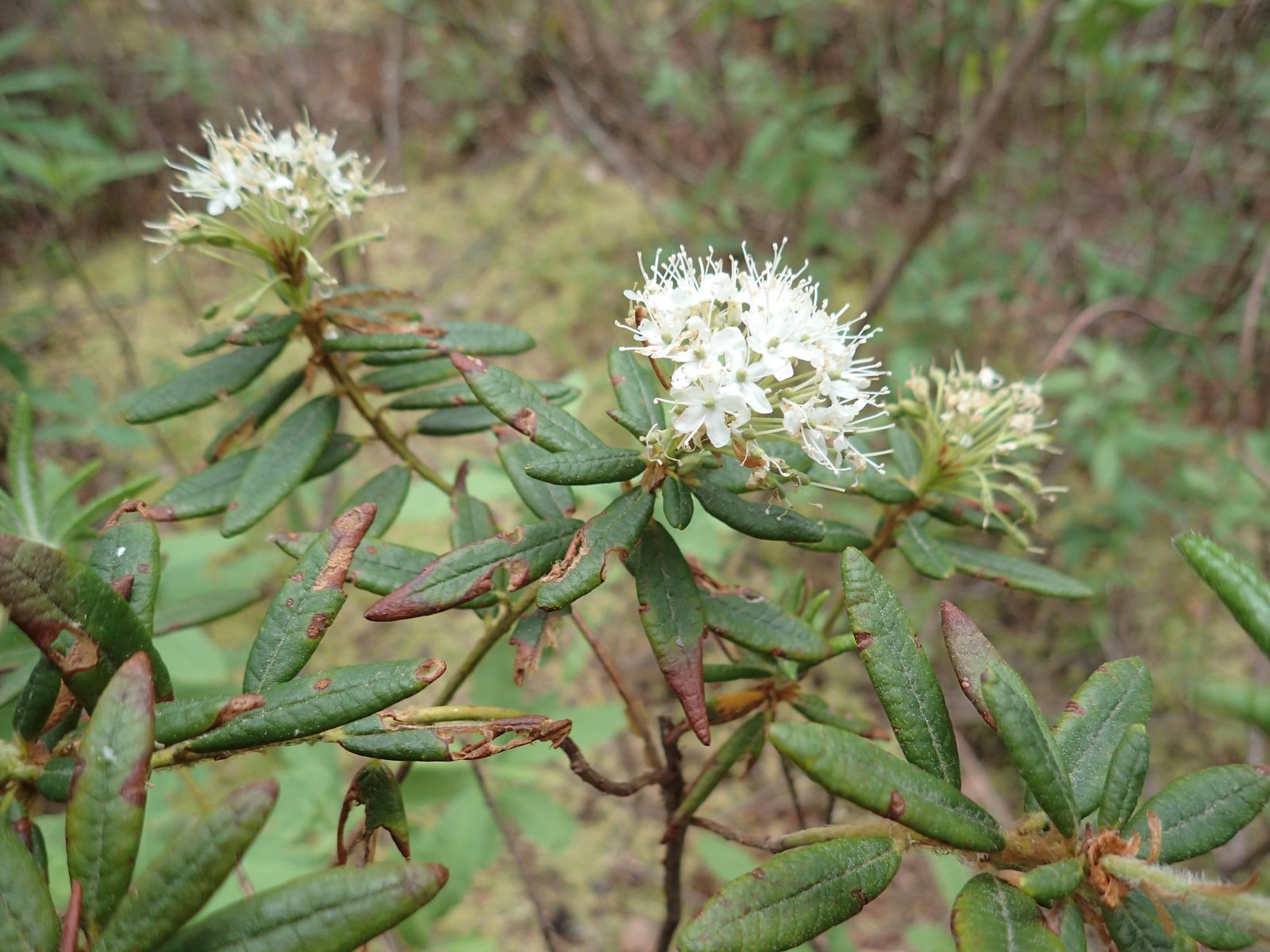
At a glance
- Sun
- Partial shade, ideally morning sun and afternoon shade. Avoid hot reflected sun and exposed, drying sites.
- Water
- Keep the shallow root zone evenly moist, especially during establishment, summer dry spells and flower-bud development. Do not leave the roots waterlogged.
- Soil
- Acidic, humus-rich, well-drained soil, ideally pH 4.5-6.0. Use an ericaceous growing mix in containers where garden soil is alkaline.
- Height
- 3-5 ft (0.9-1.5 m)
- Spread
- 3-5 ft (0.9-1.5 m)
- Flowers
- Mid- to late spring; white, funnel-shaped flowers, often with a faint yellow-green marking in the throat.
- Foliage
- Evergreen. Small, oval, dark green leaves; foliage may bronze or become partly deciduous in cold, exposed conditions.
- Growth
- Slow to moderate.
- Care needed
- Medium
The year at a glance
- Pollinators
- Wildlife
- Low allergen
| J | F | M | A | M | J | J | A | S | O | N | D | |
|---|---|---|---|---|---|---|---|---|---|---|---|---|
| Flowers | ||||||||||||
| Plant |
Northern hemisphere months. In Australia, shift them by six.
- Difficulty
- Moderate
- Toughness
- Fairly tough
Will it suit your garden?
Pick your zone, country, light and whether you have pets.
Full sun is 6 or more hours of direct sun a day, part shade 3 to 6 hours, shade under 3.
How it grows
Planting day
1.6 ft (0.5 m)
After 1 year
2 ft (0.61 m)
After 2 years
2.3 ft (0.72 m)
After 3 years
2.7 ft (0.82 m)
After 5 years
3 ft (1 m)
About 7 years to full size.
From a typical nursery size, at an average rate for this kind of plant. A rule of thumb, not a forecast.
Good to know
- Cats and dogs
- Toxic
- Growth rate
- Slow
Care
Jobs through the year
- WaterMar–May, Sep–Oct, every 14 days
- Check established roots and soak if drying; use rainwater in hard-water areas and water young shrubs more often.
- WaterJun–Aug, every 7 days
- Water deeply in dry weather to keep shallow roots moist, especially during bud development.
- FeedMar–Apr
- Apply a light azalea feed only if growth or soil conditions indicate a need.
- MulchMar–Apr
- Maintain 5–8 cm of leaf mould or pine bark, keeping stem bases clear.
- PruneMay–Jun
- Lightly shape immediately after flowering; avoid later pruning that removes next year's buds.
- ProtectJan–Feb, Nov–Dec
- Shelter exposed shrubs from drying winds and water before freezes if the soil is dry.
- Plant with the top of the root ball level with, or slightly above, the surrounding soil; do not bury the stem base.
- Water deeply when the upper soil starts to dry, using rainwater where tap water is hard.
- Apply 2-3 in (5-8 cm) of leaf mould or pine bark mulch, keeping it clear of the stems.
- If growth is weak, feed lightly in spring with an azalea fertiliser; avoid late-season feeding.
- Keep cultivation shallow and pull weeds by hand to protect the surface roots.
Pruning. Prune only as needed immediately after flowering, shortening stray shoots to a leafy side branch. Remove dead wood whenever noticed; later pruning removes buds for the following spring.
Through the year
- Early spring
- Check soil moisture and apply a light azalea feed only if growth or soil conditions warrant it.
- Spring
- Refresh the organic mulch without covering the stem bases.
- Late spring
- After flowering, lightly shape the shrub and remove damaged shoots.
- Summer
- Water during dry spells and inspect leaf undersides for lace bugs.
- Autumn
- Plant new shrubs while soil is workable, allowing time for rooting before severe frost.
- Winter
- Protect exposed shrubs from drying winds and check that container drainage remains clear.
In the garden
- Plant in groups beneath high-canopied trees for a bright spring display in dappled shade.
- Use beside a shaded entrance or foundation, allowing enough room for its mature width.
- Combine with ferns and hostas for contrasting leaf shapes after flowering.
- Include in a white garden with other acid-loving shrubs and shade-tolerant perennials.
- Grow in a broad container of ericaceous compost where the garden soil is alkaline.
Garden styles it suits: Woodland, White garden, Japanese, Traditional, English country and Moon garden.
Plant it with: Japanese pieris, Camellia, Japanese maple, Hosta, Japanese painted fern and Foamflower.
Wildlife: Flowers provide nectar and pollen for visiting insects, including bees. The branching evergreen growth offers small animals some cover.
Problems to watch for
- Azalea lace bugs cause pale stippling on leaves and dark spots underneath. Reduce heat and drought stress; if needed, apply insecticidal soap to leaf undersides according to the label.
- Phytophthora root rot causes wilting and decline in wet soil. Improve drainage, avoid overwatering and remove badly affected plants.
- Iron chlorosis produces yellow leaves with green veins in alkaline soil. Check soil pH and use an acidic raised bed or ericaceous container mix where necessary.
- Winter scorch causes browned leaves and damaged buds on exposed plants. Shelter from drying winds, mulch the roots and water during dry weather before the ground freezes.
Safety
Toxic to people, cats, dogs and horses. All parts, including leaves, flowers and nectar, contain grayanotoxins; ingestion can cause vomiting, weakness, low blood pressure and dangerous heart disturbances. Seek urgent medical or veterinary advice after suspected ingestion.
Easily confused with
Gumpo White azalea (Rhododendron 'Gumpo White')
Usually forms a much lower, more compact mound and flowers later, with broad, often ruffled white blooms.
Sweet azalea (Rhododendron arborescens)
A deciduous shrub with strongly fragrant white flowers and conspicuously projecting reddish stamens; Delaware Valley White retains foliage and lacks that strong fragrance.
The name
Rhododendron comes from the Greek words for rose and tree.
Propagation. Root semi-ripe cuttings in summer in a moist, free-draining acidic medium under high humidity, or layer a low branch. Seed will not reliably reproduce this cultivar.
Checked against open data
- Accepted botanical name
- Rhododendron
Sources: GBIF (CC BY 4.0). The care and design notes are LandscapeGPT's own.
See it in your own yard.
Upload a photo of your yard and see it redesigned with plants that suit your climate, each checked against your zone.