Diana rose of Sharon
Hibiscus syriacus 'Diana'. Family Malvaceae. Shrub.
Also called Hibiscus syriacus 'Diana', Diana shrub althea, Diana Syrian hibiscus.
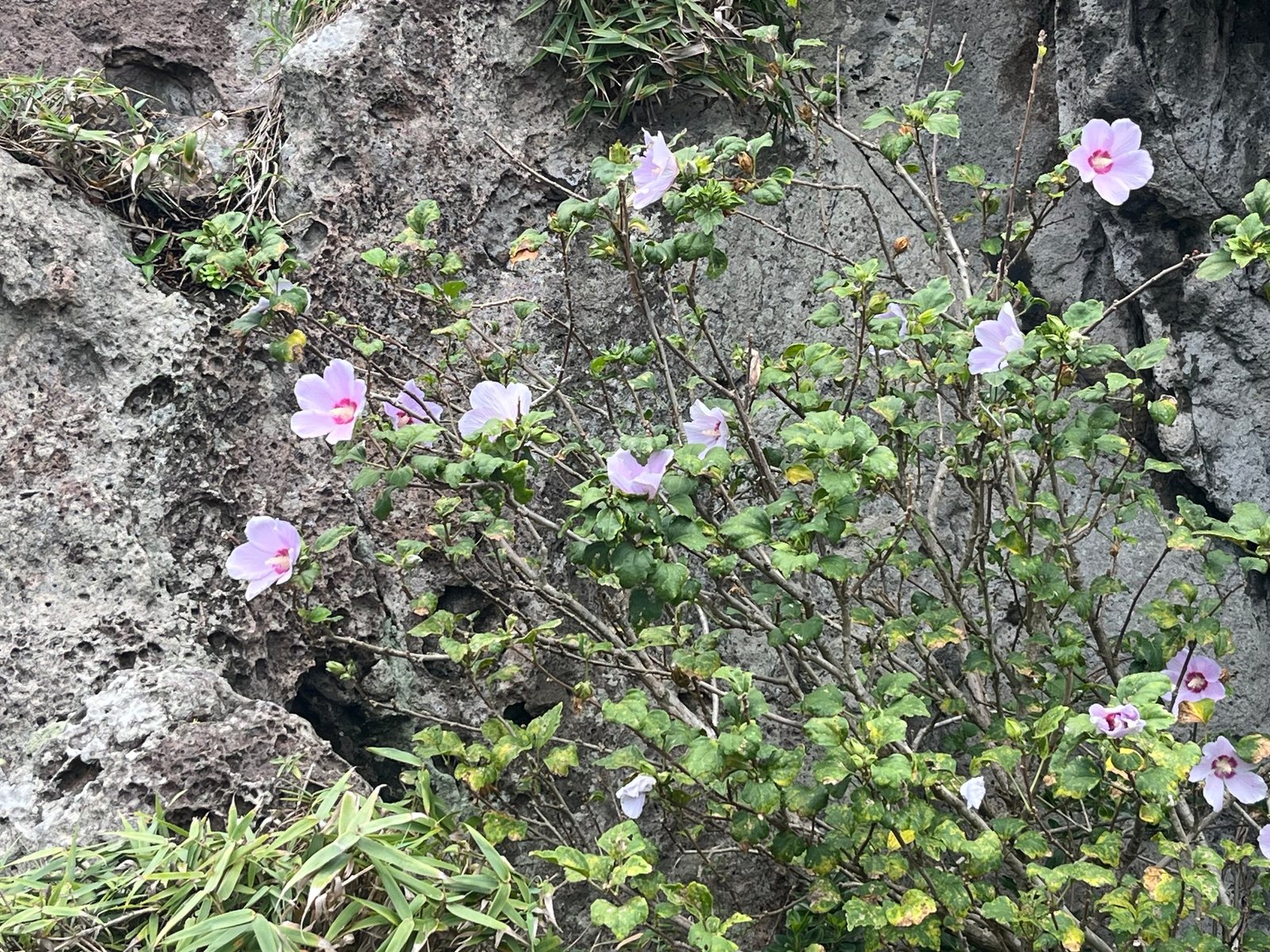
A deciduous, upright shrub grown for large, pure-white flowers with ruffled petals in late summer and early autumn. 'Diana' flowers when many other shrubs have finished and normally produces little or no viable seed, unlike many rose of Sharon varieties.
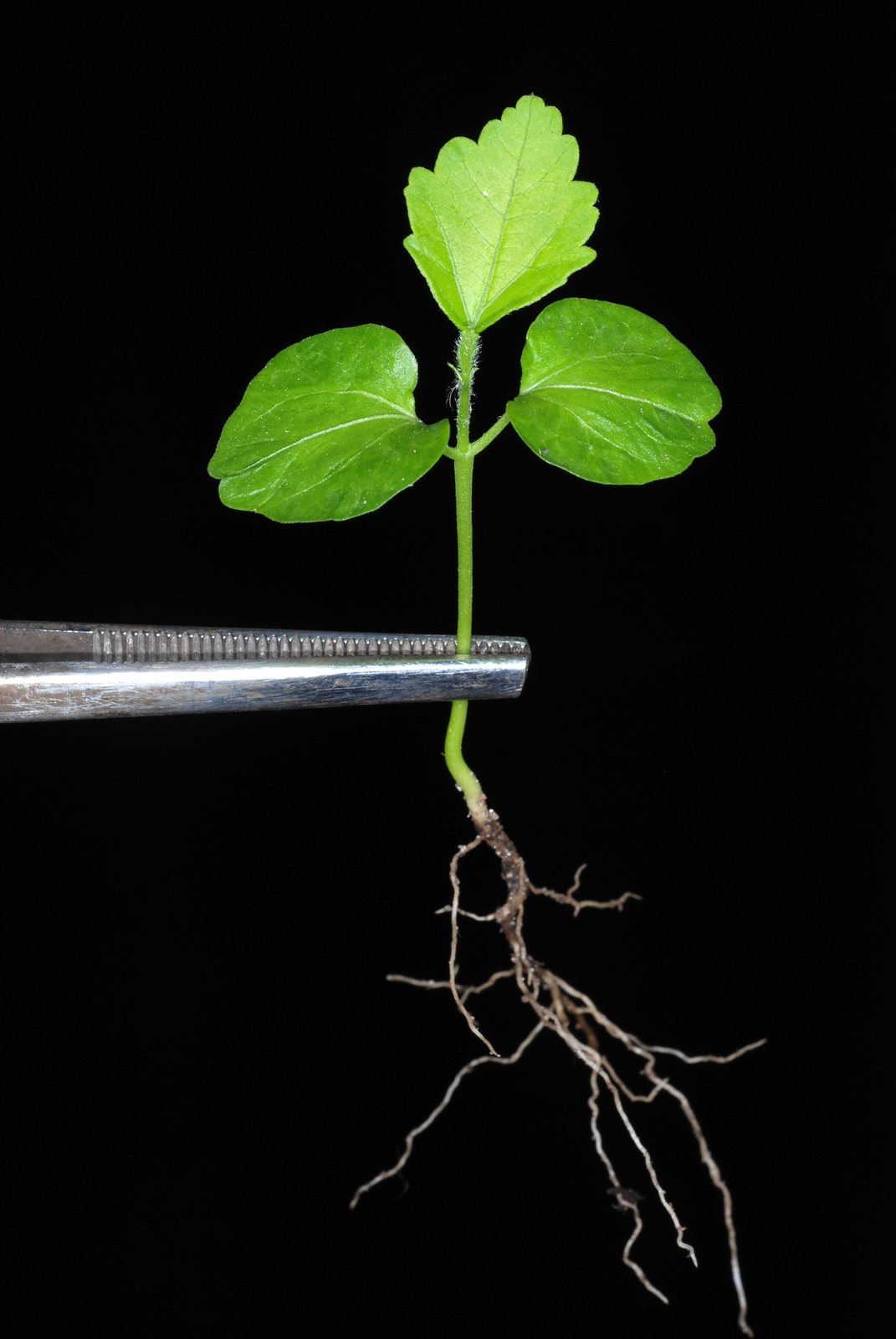
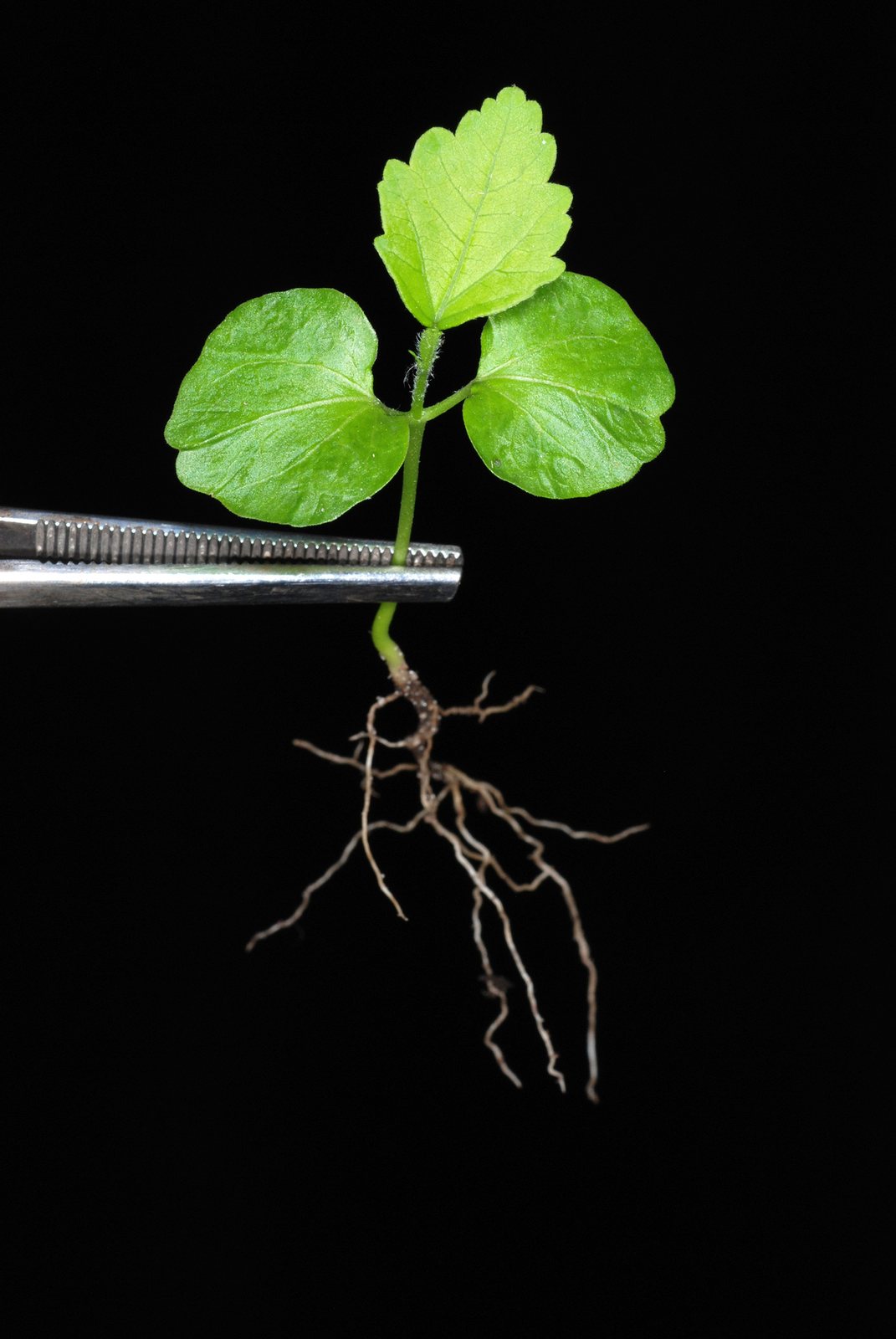
At a glance
- Sun
- Full sun gives the best flowering; tolerates partial shade but flowers less freely.
- Water
- Water regularly during establishment. Once established, tolerates short dry spells, but flowers best with occasional deep watering during prolonged drought.
- Soil
- Well-drained soil, including clay that does not remain waterlogged; tolerates a broad range of soil pH.
- Height
- 8-12 ft (2.4-3.7 m)
- Spread
- 6-10 ft (1.8-3 m)
- Flowers
- Mid- to late summer into autumn; large, single, pure-white flowers without a contrasting central eye.
- Foliage
- Medium- to dark-green, toothed, often three-lobed leaves; emerges late in spring and may turn yellow before falling.
- Growth
- Moderate
- Care needed
- Low
The year at a glance
- Pollinators
- Heat tolerant
- Wildlife
- Low allergen
| J | F | M | A | M | J | J | A | S | O | N | D | |
|---|---|---|---|---|---|---|---|---|---|---|---|---|
| Flowers | ||||||||||||
| Plant |
Northern hemisphere months. In Australia, shift them by six.
- Difficulty
- Easy
- Toughness
- Very tough
Will it suit your garden?
Pick your zone, country, light and whether you have pets.
Full sun is 6 or more hours of direct sun a day, part shade 3 to 6 hours, shade under 3.
How it grows
Planting day
1.6 ft (0.5 m)
After 1 year
3 ft (1 m)
After 2 years
5 ft (1.5 m)
After 3 years
7 ft (2 m)
After 5 years
10 ft (3.1 m)
full size
About 5 years to full size.
From a typical nursery size, at an average rate for this kind of plant. A rule of thumb, not a forecast.
Good to know
- Cats and dogs
- Safe
- Growth rate
- Moderate
Care
Jobs through the year
- WaterApr–May, Sep–Oct, every 14 days
- Water established ground plants only if soil is dry; check and water new plants more frequently.
- WaterJun–Aug, every 7 days
- Water deeply during prolonged dry weather to reduce bud drop; skip when rainfall is adequate.
- PruneFeb–Mar
- Remove dead, damaged and crossing branches; shorten selected shoots only if needed before new growth.
- MulchApr
- Add compost and refresh 5–8 cm of organic mulch, keeping both away from stem bases.
- FeedApr
- Apply balanced slow-release fertilizer only if growth is weak or soil is poor.
- Water deeply through the first growing season whenever the root zone begins to dry.
- Spread 2-3 in (5-8 cm) of organic mulch over the root area, keeping it away from the stems.
- Apply compost in spring; use a balanced slow-release fertiliser only if growth is weak or the soil is poor.
- Water during prolonged summer drought to reduce bud drop.
- Allow room for its mature width rather than repeatedly shearing it into a narrow space.
Pruning. Prune in late winter or early spring, removing dead, damaged and crossing branches and shortening selected shoots if needed. Flowers form on new growth; avoid routine summer pruning, which removes developing flower buds.
Through the year
- Late winter
- Remove dead or crossing branches and make any necessary size-reduction cuts.
- Spring
- Plant when the soil is workable and not waterlogged; water thoroughly.
- Mid-spring
- Refresh mulch and add compost, keeping both clear of the stem bases.
- Late spring
- Allow time for this late-leafing shrub to wake up before deciding that bare branches are dead.
- Summer
- Water deeply during extended dry weather and inspect young shoots for aphids.
- Autumn
- Plant in mild regions while the soil is warm; avoid heavy pruning before winter.
In the garden
- Use as a late-flowering focal shrub in a mixed border, with lower perennials hiding its bare lower stems.
- Plant in a white garden with white phlox, ornamental grasses and silver-leaved perennials.
- Group several plants as an informal summer screen, allowing enough space for their mature width.
- Train as a small standard beside a patio or path, where the white flowers can be seen at close range.
Garden styles it suits: White garden, Moon garden, Cottage garden, Traditional, Formal and Low-maintenance.
Plant it with: Catmint, Russian sage, Purple coneflower, Garden phlox, Feather reed grass and Lamb's ears.
Wildlife: The open flowers provide pollen and nectar for bees and other visiting insects. Dense branches offer shelter for small birds, but this cultivated Asian shrub is not a substitute for locally native habitat plants.
Problems to watch for
- Aphids can cluster on soft shoots: wash them off with water and preserve ladybirds and other predators; use insecticidal soap if necessary.
- Japanese beetles can chew flowers and foliage where they occur in North America: hand-pick them into soapy water and avoid placing beetle traps beside the shrub.
- Flower buds may drop during drought or abrupt changes in moisture: mulch and water deeply rather than giving frequent shallow sprinkles.
- Poor drainage can cause root decline and dieback: improve drainage or relocate the shrub rather than continuing to water saturated soil.
Safety
Not known to be toxic to cats, dogs, horses or people. Eating substantial amounts of leaves or flowers may still cause digestive upset, so discourage pets and children from chewing it.
Where it spreads. The species can self-seed aggressively and is reported invasive in parts of the eastern United States, including Kentucky and Tennessee. 'Diana' is normally sterile and produces little or no viable seed, so its seed-spreading risk is much lower than that of fertile varieties.
Easily confused with
White Chiffon rose of Sharon (Hibiscus syriacus 'Notwoodtwo')
Its white flowers have a conspicuous cluster of small, petal-like structures in the centre; 'Diana' has single flowers with a clearly visible central staminal column.
Rose mallow (Hibiscus moscheutos)
An herbaceous perennial that dies back to the ground each winter, usually with much larger flowers and leaves; 'Diana' retains a woody framework.
Tropical hibiscus (Hibiscus rosa-sinensis)
Usually has glossier, less lobed leaves and remains evergreen in frost-free conditions; it is not reliably hardy outdoors in freezing climates.
The name
Hibiscus comes from an ancient Greek name for a mallow-like plant, while syriacus means 'Syrian', reflecting an early mistaken association with Syria rather than the species' East Asian origin.
Propagation. Take softwood cuttings in late spring or early summer, or semi-ripe cuttings later in summer. Use vegetative propagation to retain the cultivar; seed is generally unavailable and would not reliably produce 'Diana'.
Checked against open data
- Accepted botanical name
- Hibiscus syriacus
- In the US and Canada
- Introduced in the lower 48 states.
- Native range
- China South-Central, China Southeast and Taiwan.
- Measured
- Average height 213 cm.
Sources: GBIF (CC BY 4.0), USDA PLANTS and Trefle (CC BY 4.0). The care and design notes are LandscapeGPT's own.
See it in your own yard.
Upload a photo of your yard and see it redesigned with plants that suit your climate, each checked against your zone.