Dixie wood fern
Dryopteris × australis. Family Dryopteridaceae. Fern.
Also called Dixie fern.
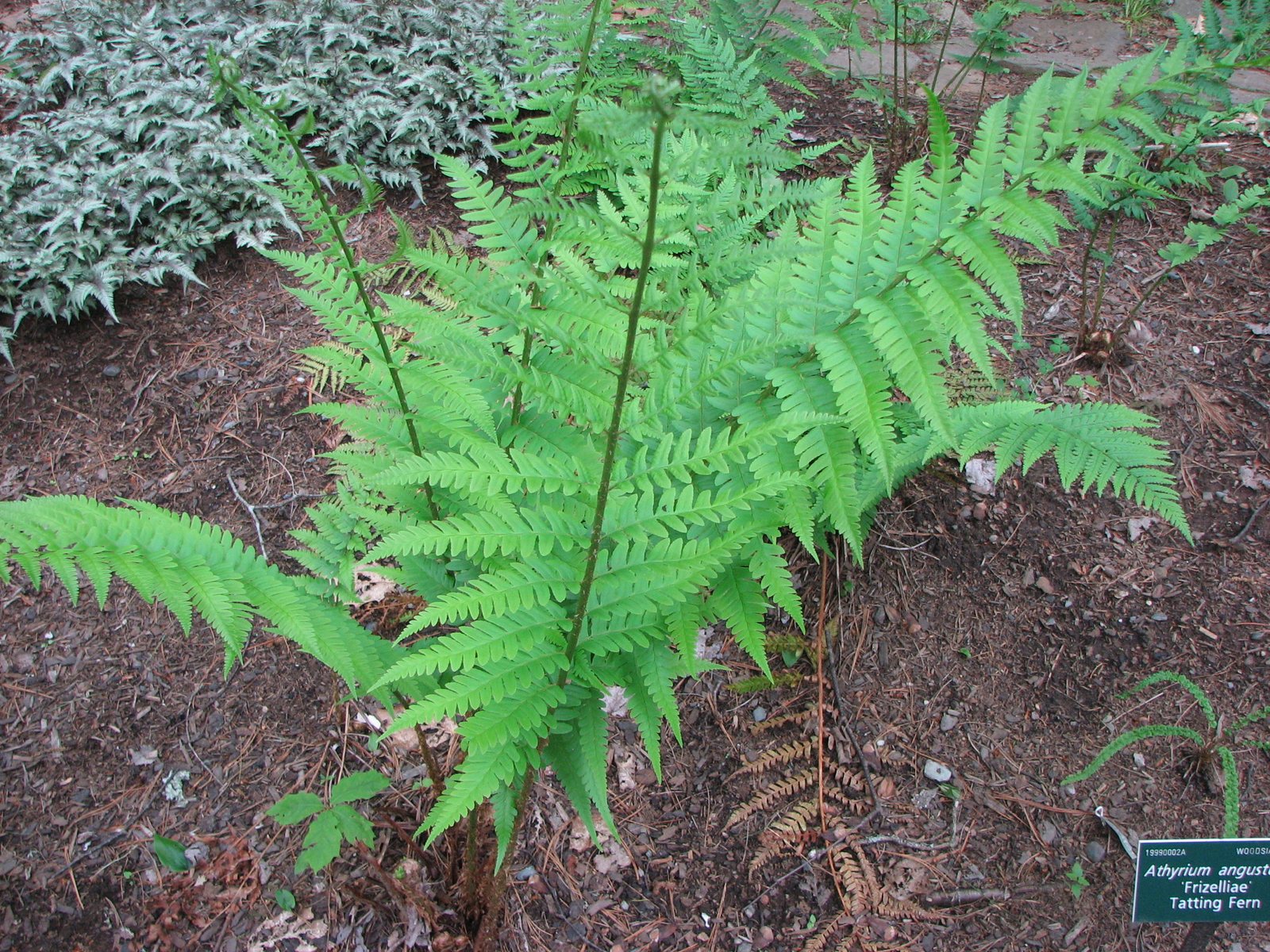
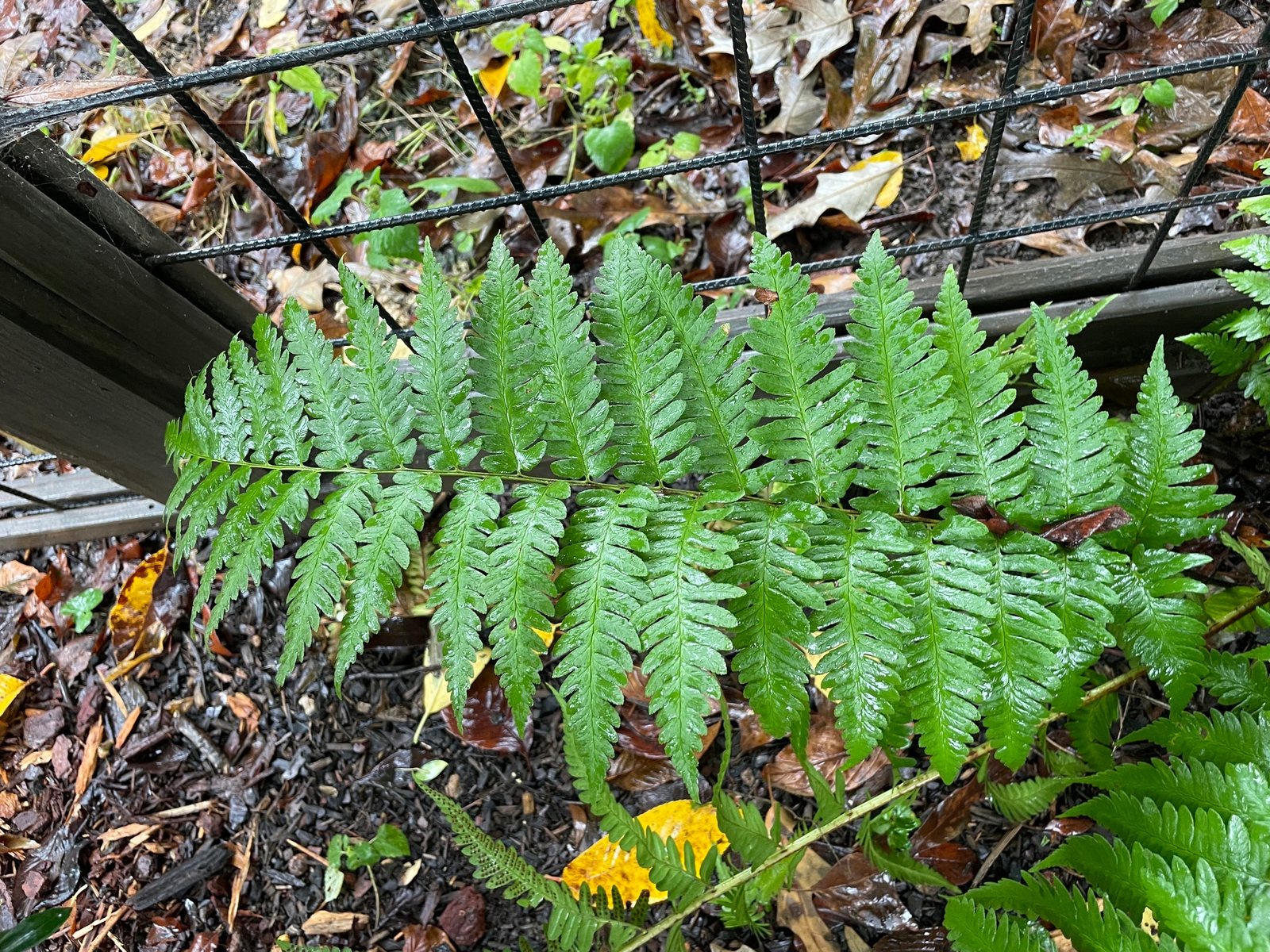
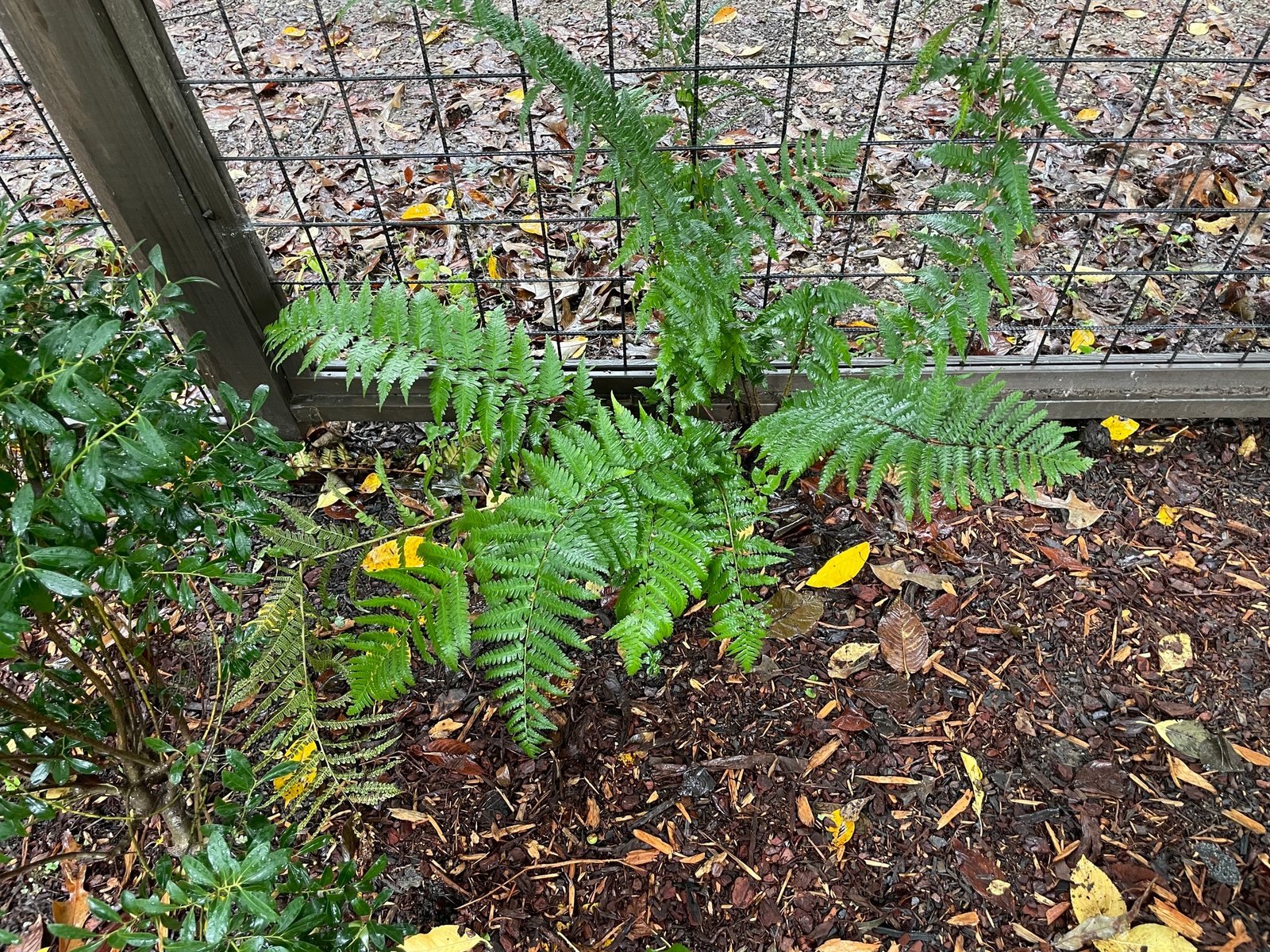
Dixie wood fern (Dryopteris × australis) is a tall, clump-forming fern that arose naturally in the southeastern United States. Gardeners grow it for its upright, arching fronds, which give shaded borders height and structure without spreading into a groundcover.
At a glance
- Sun
- Partial to full shade; gentle morning sun is suitable where the soil stays moist.
- Water
- Keep the soil evenly moist, especially during establishment and hot weather; avoid prolonged waterlogging.
- Soil
- Humus-rich, moisture-retentive soil with good drainage; acidic to neutral soil is ideal.
- Height
- 4-5 ft (1.2-1.5 m)
- Spread
- 2-3 ft (0.6-0.9 m)
- Foliage
- Long, dark green, finely divided fronds rise from a substantial crown and arch outward. Fronds may persist through mild winters but die back in colder climates.
- Growth
- Moderate
- Care needed
- Low
The year at a glance
- Deer resistant
- Heat tolerant
- Wildlife
- Low allergen
| J | F | M | A | M | J | J | A | S | O | N | D | |
|---|---|---|---|---|---|---|---|---|---|---|---|---|
| Plant |
Northern hemisphere months. In Australia, shift them by six.
- Difficulty
- Easy
- Toughness
- Fairly tough
Will it suit your garden?
Pick your zone, country, light and whether you have pets.
Full sun is 6 or more hours of direct sun a day, part shade 3 to 6 hours, shade under 3.
How it grows
Planting day
1 ft (0.3 m)
After 1 year
2.1 ft (0.65 m)
After 2 years
3 ft (1 m)
After 3 years
4 ft (1.4 m)
full size
About 3 years to full size.
From a typical nursery size, at an average rate for this kind of plant. A rule of thumb, not a forecast.
Good to know
- Cats and dogs
- Mildly toxic: may upset a stomach
- Growth rate
- Moderate
Care
Jobs through the year
- WaterApr–May, Sep–Oct, every 14 days
- Water established clumps deeply if rain is insufficient; keep new plants consistently moist.
- WaterJun–Aug, every 7 days
- Keep the root zone evenly moist, watering sooner in heat without waterlogging.
- PruneFeb–Mar
- Remove dead or damaged fronds before fiddleheads unfurl; retain healthy green fronds.
- MulchApr, Oct
- Maintain about 5 cm of leaf mould or compost, leaving the crown uncovered.
- DivideMar–Apr
- Divide established clumps only when needed; leave small crowns undisturbed.
- ProtectApr–May
- Cover emerging fronds with fleece when late frost is forecast.
- Water deeply during dry spells so the root zone does not dry out.
- Mulch with 2 in (5 cm) of leaf mould or compost, keeping the crown uncovered.
- Top-dress with compost in spring; rich soil usually needs no additional fertiliser.
- Shelter from drying winds and strong afternoon sun.
- Divide established clumps in spring only when needed; leave small or recently planted crowns undisturbed.
Pruning. In late winter or early spring, cut dead and badly damaged fronds close to their bases before new fiddleheads unfurl. Leave healthy green fronds in place and avoid cutting emerging growth.
Through the year
- Late winter
- Remove collapsed or winter-damaged fronds before new growth begins.
- Spring
- Plant or divide while the soil is moist, setting the crown at its previous soil level.
- Late spring
- Apply leaf mould or compost around the clump without burying the crown.
- Summer
- Water during dry periods and check exposed plants for scorched frond edges.
- Autumn
- Leave healthy fronds standing and replenish mulch where it has broken down.
In the garden
- Plant behind shorter ferns and woodland perennials to build layers in a shaded border.
- Repeat clumps along a shaded path for a consistent upright shape.
- Use beside a pond or stream where the soil is moist but the crown is above standing water.
- Combine with broad-leaved hostas or bergenias for contrasting leaf shapes.
Garden styles it suits: Woodland, Green on green, Japanese, Secret garden, Low-maintenance and Southern.
Plant it with: Hostas, Epimediums, Foamflowers, Solomon's seal, Japanese forest grass and Sedges.
Wildlife: The dense clump provides sheltered cover for small animals and invertebrates. It produces neither flowers nor nectar and is generally little browsed by deer, though no fern is completely browse-proof.
Problems to watch for
- Brown tips or scorched fronds usually indicate dry soil, drying wind or excessive sun; water deeply, mulch and provide more shelter.
- Crown or root rot can develop in stagnant, waterlogged soil; improve drainage and keep mulch away from the crown.
- Slugs and snails may damage emerging fronds; inspect at dusk, remove them by hand and use iron-phosphate bait if necessary.
- Late frost can blacken emerging fronds; protect with horticultural fleece when frost is forecast and remove damaged growth afterward.
Safety
Toxicity to people, cats, dogs and horses is not well documented for this hybrid. Some other Dryopteris species contain toxic compounds, particularly in their rhizomes, so do not eat the fiddleheads, fronds or roots, or allow pets and livestock to graze them.
Easily confused with
Southern wood fern (Dryopteris ludoviciana)
One of its parents, southern wood fern generally has narrower, less finely divided, more leathery fronds. Dixie wood fern is usually taller, but size and texture overlap.
Log fern (Dryopteris celsa)
The other parent has a very similar upright habit and divided foliage, but is generally shorter. Reliable separation can require a fern key and close examination of the fronds and spores.
The name
Dixie refers to the southern United States, while the botanical epithet australis means southern and the multiplication sign marks its hybrid origin.
Propagation. Divide a large, established crown in early spring, keeping substantial roots and at least one growing point on each division. This sterile hybrid is not reliably propagated from spores.
Checked against open data
- Accepted botanical name
- Dryopteris australis
Sources: GBIF (CC BY 4.0). The care and design notes are LandscapeGPT's own.
See it in your own yard.
Upload a photo of your yard and see it redesigned with plants that suit your climate, each checked against your zone.