Dogwood 'Eddie's White Wonder'
Cornus 'Eddie's White Wonder'. Family Rosaceae. Tree.
Also called Cornus 'Eddie's White Wonder', Eddie's White Wonder flowering dogwood.
This deciduous dogwood is a hybrid of Pacific dogwood and flowering dogwood, grown for its large white spring bracts and red to purple autumn foliage. It forms an upright small tree with spreading, sometimes slightly drooping branches, and performs best where summers are not excessively hot or dry.
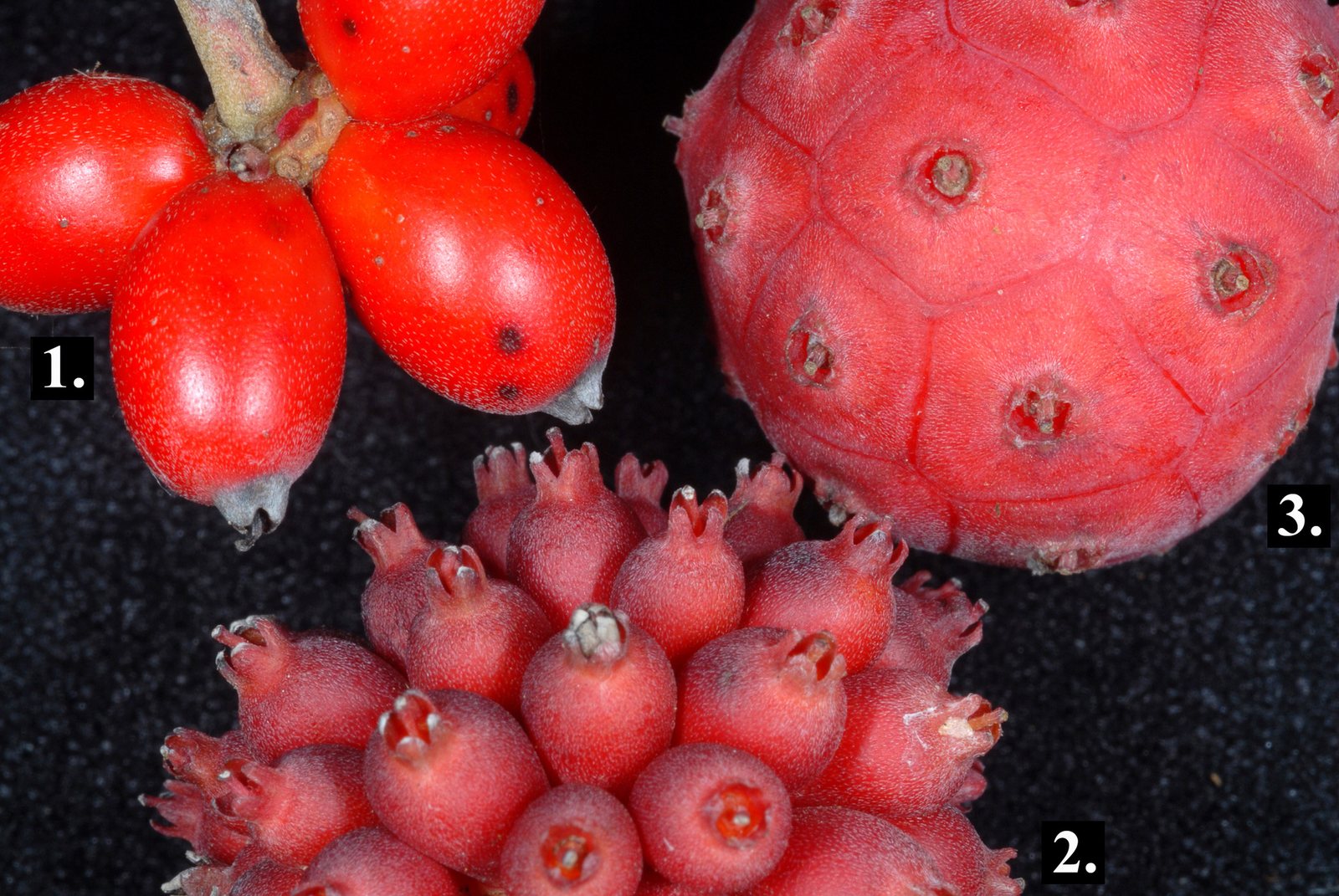
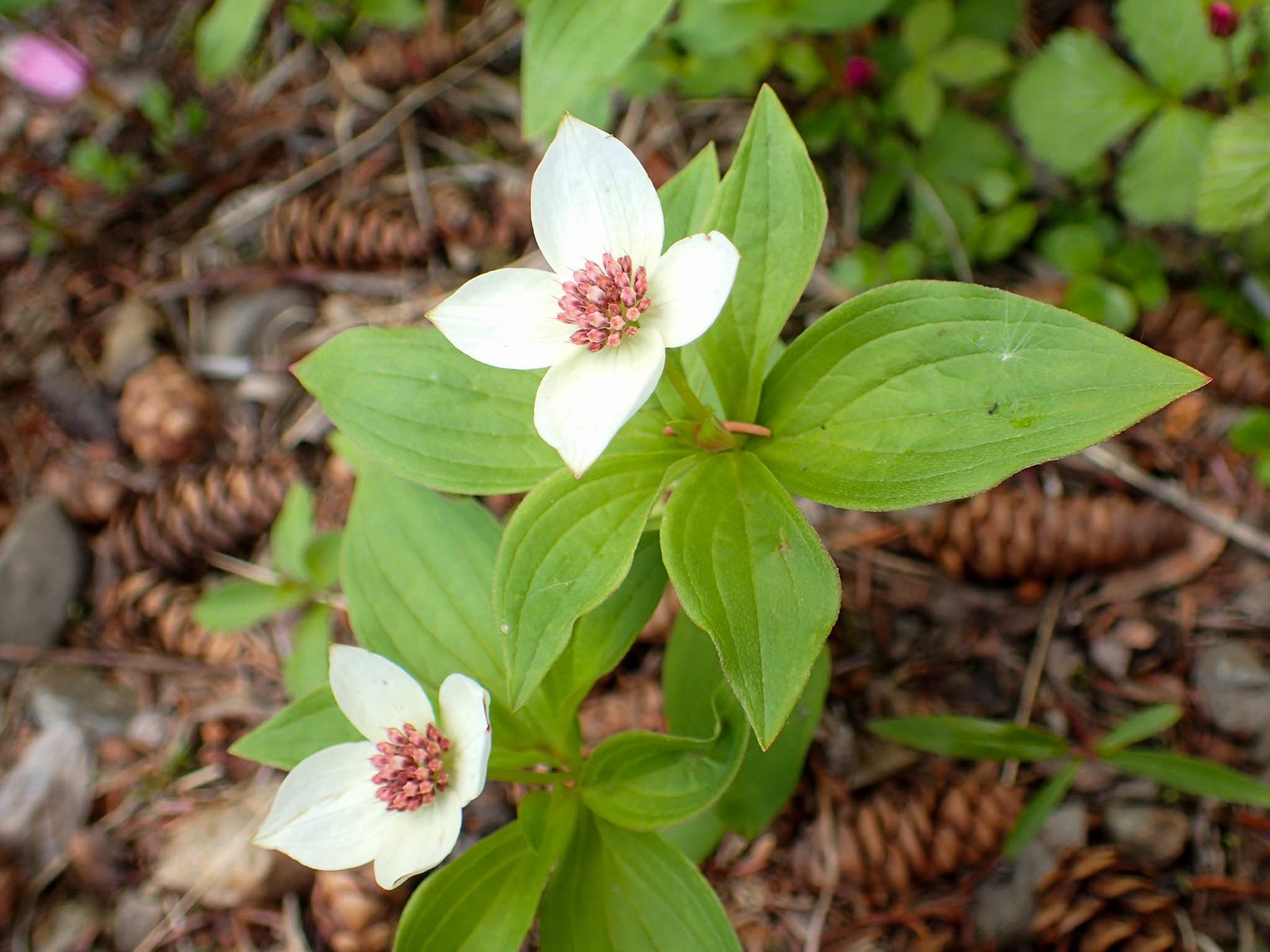
At a glance
- Sun
- Full sun to partial shade; give afternoon shade in warmer climates and shelter from drying winds.
- Water
- Keep the root zone evenly moist but never waterlogged. Water deeply during dry spells, especially for the first two or three growing seasons.
- Soil
- Humus-rich, well-drained, acidic to neutral soil. Avoid chalky soil, compacted ground and sites that remain wet in winter.
- Height
- 20-30 ft (6-9 m)
- Spread
- 15-25 ft (4.5-7.5 m)
- Flowers
- Mid- to late spring; large white, petal-like bracts surround small greenish flower clusters, usually as the leaves emerge.
- Foliage
- Oval, pointed green leaves turn orange, red and purple in autumn.
- Growth
- Moderate
- Care needed
- Medium
The year at a glance
- Pollinators
- Wildlife
- Low allergen
| J | F | M | A | M | J | J | A | S | O | N | D | |
|---|---|---|---|---|---|---|---|---|---|---|---|---|
| Flowers | ||||||||||||
| Fruit | ||||||||||||
| Plant |
Northern hemisphere months. In Australia, shift them by six.
- Difficulty
- Moderate
- Toughness
- Fairly tough
Will it suit your garden?
Pick your zone, country, light and whether you have pets.
Full sun is 6 or more hours of direct sun a day, part shade 3 to 6 hours, shade under 3.
How it grows
Planting day
7 ft (2 m)
After 1 year
7 ft (2.3 m)
After 2 years
8 ft (2.6 m)
After 3 years
9 ft (2.8 m)
After 5 years
11 ft (3.4 m)
About 20 years to full size.
From a typical nursery size, at an average rate for this kind of plant. A rule of thumb, not a forecast.
Good to know
- Cats and dogs
- Mildly toxic: may upset a stomach
- Growth rate
- Moderate
Care
Jobs through the year
- WaterApr–May, Sep–Oct, every 14 days
- Water established trees deeply when soil begins drying; young trees need closer moisture checks.
- WaterJun–Aug, every 7 days
- Water deeply during dry weather, keeping roots evenly moist but never waterlogged.
- MulchApr
- Spread 5–8 cm of organic mulch over shallow roots, clear of the trunk.
- FeedMar–Apr
- Feed lightly only if growth is poor; avoid excess nitrogen.
- PruneMay–Jun
- After flowering, remove damaged or crossing branches only where necessary.
- ProtectJan–Feb, Nov–Dec
- Guard young trunks against rabbits or deer where browsing is a problem.
- Plant with the root flare at soil level; do not bury the trunk.
- Water deeply during dry weather rather than giving frequent light sprinklings.
- Apply 2-3 in (5-8 cm) of organic mulch over the root zone, keeping it clear of the trunk.
- Feed lightly in spring only if growth is poor; avoid heavy nitrogen feeding.
- Keep lawn and mower traffic away from the trunk and shallow roots.
Pruning. Prune only when needed, just after flowering, removing dead, damaged or crossing branches. Preserve its natural branching pattern and avoid hard pruning or topping.
Through the year
- Spring
- Plant when the soil is workable, keeping the root flare visible and watering thoroughly.
- Mid-spring
- Refresh the mulch and check that it is not touching the trunk.
- Late spring
- After flowering, remove damaged or crossing branches only where necessary.
- Summer
- Water deeply during dry spells and check leaves for scorch, spotting or mildew.
- Autumn
- Plant in mild regions while the soil is still warm; collect fallen leaves if leaf disease has been present.
- Winter
- Check drainage and protect young trunks from rabbits or deer where these are a problem.
In the garden
- Use as a specimen in a lawn with a broad mulched planting bed beneath it.
- Plant at a woodland edge with ferns and shade-tolerant perennials.
- Set against dark evergreen shrubs to make the white spring bracts stand out.
- Use near a terrace or along a garden boundary where its branching and autumn colour can be seen.
Garden styles it suits: Woodland, White garden, Japanese, English country, Pacific Northwest woodland and Autumn colour.
Plant it with: Japanese maple, Rhododendron, Camellia, Hellebore, Epimedium and Japanese painted fern.
Wildlife: The small true flowers attract some visiting insects. Any red fruits that develop may be eaten by birds, and the branches provide cover and nesting sites; fruit production can be sparse.
Problems to watch for
- Dogwood anthracnose can cause leaf blotches and shoot dieback: remove affected twigs and fallen leaves, avoid overhead watering and seek local advice if dieback spreads.
- Powdery mildew may coat leaves in white: improve airflow, avoid excessive nitrogen and keep the roots adequately watered.
- Leaf scorch develops in drought, hot sun or drying wind: water deeply, mulch and provide afternoon shade in hot locations.
- Root rot and poor growth occur in waterlogged soil: improve drainage before planting and do not allow irrigation water to collect around the trunk.
Safety
Not known to be toxic to cats, dogs, horses or people, although information specific to this hybrid is limited. Its ornamental fruits are not intended for eating and may cause stomach upset if consumed.
Easily confused with
Flowering dogwood (Cornus florida)
Usually has four bracts with conspicuous notched tips. 'Eddie's White Wonder' often has larger bracts and may have more than four, although individual flowers overlap in appearance.
Pacific dogwood (Cornus nuttallii)
Often has six white bracts and becomes a substantially taller tree. The hybrid is generally smaller, but a nursery label is the safest identification.
Kousa dogwood (Cornus kousa)
Flowers later, after the leaves have expanded, with four pointed bracts and rounded, strawberry-like fruits rather than clusters of separate red fruits.
The name
The cultivar name honours British Columbia nurseryman Henry Eddie, who raised this hybrid, and refers to its conspicuous white flower bracts.
Propagation. Usually propagated commercially by grafting or budding onto compatible dogwood rootstock. Cuttings can be difficult to root, and seedlings will not reliably retain the cultivar's characteristics.
Checked against open data
- Accepted botanical name
- Cormus
Sources: GBIF (CC BY 4.0). The care and design notes are LandscapeGPT's own.
See it in your own yard.
Upload a photo of your yard and see it redesigned with plants that suit your climate, each checked against your zone.