Donation camellia
Camellia × williamsii 'Donation'. Family Theaceae. Shrub.
Also called Camellia × williamsii 'Donation', Camellia 'Donation'.
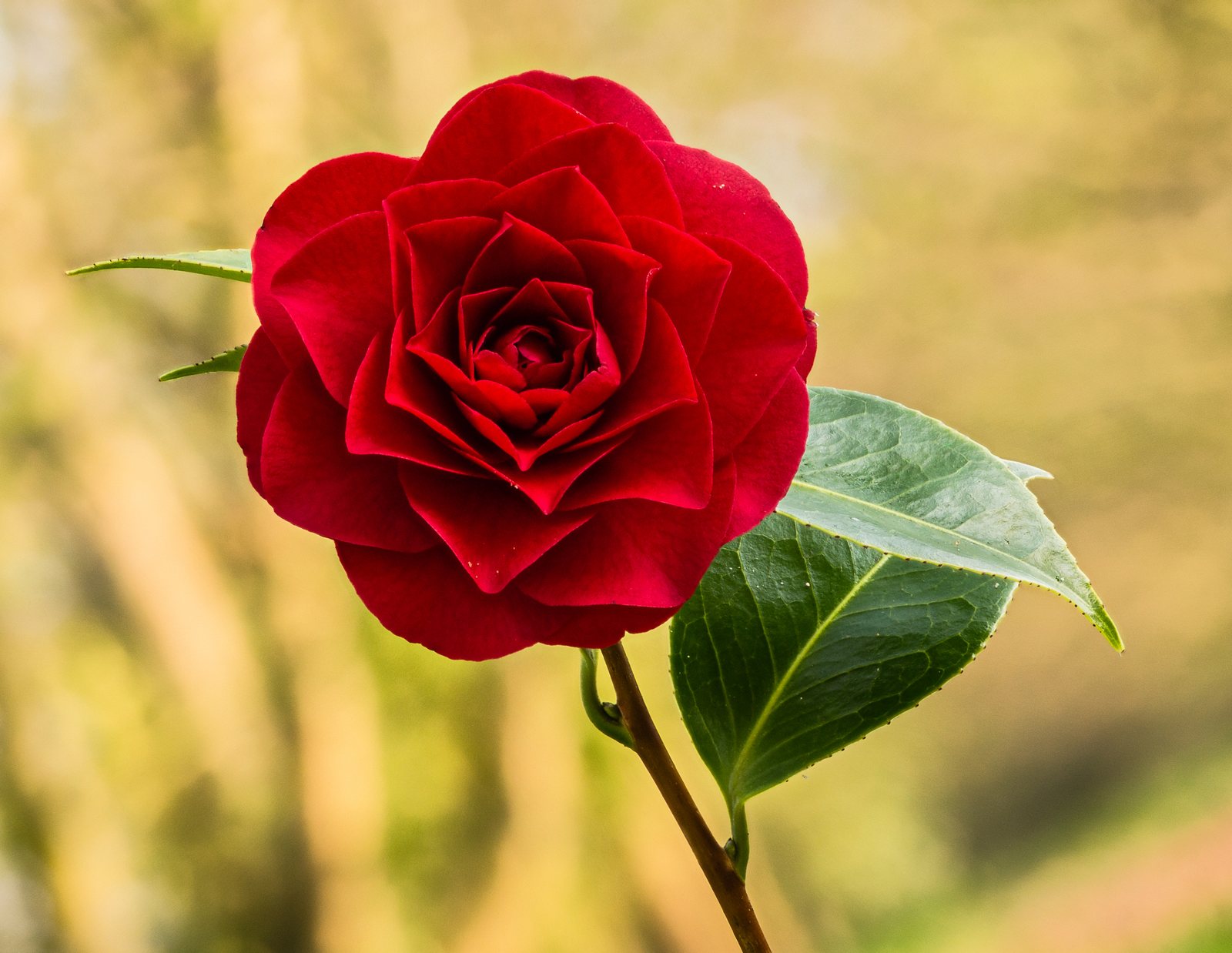
An upright evergreen shrub grown for large, semi-double pink flowers with deeper pink veins and golden stamens, opening from late winter into spring. It is a dependable flowering camellia for sheltered gardens with acidic soil, although frost can damage open flowers.
At a glance
- Sun
- Partial shade or bright, filtered light; protect from hot afternoon sun, cold drying winds and early morning sun after frost.
- Water
- Keep evenly moist but not waterlogged, especially during establishment and while flower buds develop in summer.
- Soil
- Acidic, humus-rich, well-drained soil, ideally pH 5.0-6.5. Use ericaceous potting mix in containers where garden soil is alkaline.
- Height
- 10-15 ft (3-4.5 m)
- Spread
- 6-10 ft (1.8-3 m)
- Flowers
- Late winter to mid-spring; large, semi-double pink flowers with darker veins and yellow stamens. Timing varies with climate.
- Foliage
- Glossy, dark green, oval leaves that provide a dense evergreen background.
- Growth
- Moderate; allow roughly 10-20 years to approach mature size.
- Care needed
- Medium
The year at a glance
- Pollinators
- Heat tolerant
- Wildlife
- Low allergen
| J | F | M | A | M | J | J | A | S | O | N | D | |
|---|---|---|---|---|---|---|---|---|---|---|---|---|
| Flowers | ||||||||||||
| Plant |
Northern hemisphere months. In Australia, shift them by six.
- Difficulty
- Moderate
- Toughness
- Fairly tough
Will it suit your garden?
Pick your zone, country, light and whether you have pets.
Full sun is 6 or more hours of direct sun a day, part shade 3 to 6 hours, shade under 3.
How it grows
Planting day
1.6 ft (0.5 m)
After 1 year
4 ft (1.2 m)
After 2 years
6 ft (1.8 m)
After 3 years
8 ft (2.5 m)
After 5 years
12 ft (3.8 m)
full size
About 5 years to full size.
From a typical nursery size, at an average rate for this kind of plant. A rule of thumb, not a forecast.
Good to know
- Cats and dogs
- Safe
- Growth rate
- Moderate
Care
Jobs through the year
- WaterMar–May, Sep–Oct, every 7 days
- Water established plants when soil is drying; young plants need more frequent watering, preferably with rainwater.
- WaterJun–Aug, every 4 days
- In dry weather, soak established roots to maintain even moisture while flower buds develop.
- FeedApr–May
- After flowering, apply a modest camellia or ericaceous feed; avoid late-season feeding.
- MulchApr–May
- Spread leaf mould or composted bark over the roots, keeping the stem base uncovered.
- PruneApr–May
- Immediately after flowering, remove damaged or crossing branches and shorten shoots only if necessary.
- ProtectJan–Apr, Nov–Dec
- Shelter from cold winds and severe frost; in zone 6, use a container with protected winter quarters.
- Plant with the top of the root ball level with the surrounding soil; do not bury the stem base.
- Water deeply during dry spells, including summer when next season's flower buds are forming.
- Apply leaf mould, composted bark or another organic mulch over the roots, keeping it clear of the stems.
- Feed lightly with a camellia or ericaceous fertiliser after flowering, following the label; avoid late-season feeding.
- Use collected rainwater where possible if your tap water is hard, particularly for container plants.
- Protect container roots from prolonged freezing and check pots for moisture during winter.
Pruning. Prune immediately after flowering, removing dead, damaged or crossing branches and shortening shoots only where needed to control size. Avoid routine summer or autumn trimming, which removes developing flower buds.
Through the year
- Late winter
- Check soil and container moisture; protect buds and flowers from severe frost where practical.
- Spring
- After flowering, prune lightly if needed and apply a modest feed for acid-loving shrubs.
- Late spring
- Refresh the organic mulch without piling it against the stems.
- Summer
- Water during dry spells so developing flower buds do not dry out.
- Autumn
- Plant in mild regions while soil is moist and warm; in colder regions, wait until spring.
- Winter
- Shelter pots from drying winds and prolonged freezes, and remove fallen flowers.
In the garden
- Plant beneath high, open tree canopies with ferns and hellebores for a layered woodland border.
- Use as an evergreen specimen beside a sheltered terrace where the early flowers can be seen closely.
- Combine with rhododendrons and pieris in an acidic-soil shrub border for successive spring flowers.
- Grow in a large container of ericaceous mix in a shaded courtyard where the garden soil is alkaline.
- Use as an informal flowering screen, allowing enough room to avoid frequent clipping.
Garden styles it suits: Woodland, Japanese, English country, Traditional, Romantic rose garden and Winter interest.
Plant it with: Rhododendrons, Japanese pieris, Hellebores, Japanese painted fern, Hostas and Snowdrops.
Wildlife: The exposed stamens offer pollen to visiting bees during mild late-winter and spring weather. Dense evergreen growth can provide shelter for small birds.
Problems to watch for
- Yellow leaves with green veins: often caused by alkaline soil or water. Check soil pH and drainage; use ericaceous mix in containers and rainwater where possible.
- Bud drop or poor flowering: drought during bud formation, waterlogging or abrupt temperature changes can be responsible. Maintain steady moisture and good drainage.
- Scale insects: inspect leaf undersides and stems; remove small infestations by hand or use a horticultural oil labelled for camellias, following temperature restrictions.
- Brown flowers: frost can scorch petals, while camellia petal blight causes expanding brown patches in mild, damp weather. Shelter from frost and promptly collect affected and fallen flowers; do not compost diseased blooms at home.
Safety
Not known to be toxic to cats, dogs, horses or people; no part is recognised as poisonous. Eating leaves or flowers may still cause mild stomach upset, and it is not grown as a food plant.
Easily confused with
Japanese camellia (Camellia japonica)
Many cultivars have similar pink flowers, but often have heavier, broader leaves and retain spent flowers longer. Flower form overlaps considerably, so a reliable label is needed to confirm 'Donation'.
Sasanqua camellia (Camellia sasanqua)
Usually flowers in autumn to early winter, with smaller leaves and flowers whose petals fall separately, rather than the late-winter and spring display of 'Donation'.
The name
Camellia honours the Jesuit botanist Georg Joseph Kamel, and williamsii honours J. C. Williams, associated with the early breeding of these hybrids at Caerhays in Cornwall.
Propagation. Take semi-ripe cuttings in late summer using a free-draining acidic rooting medium and high humidity; rooting can be slow. Layering is another option. Seed will not reliably produce plants identical to 'Donation'.
Checked against open data
- Accepted botanical name
- Camellia williamsii
Sources: GBIF (CC BY 4.0). The care and design notes are LandscapeGPT's own.
See it in your own yard.
Upload a photo of your yard and see it redesigned with plants that suit your climate, each checked against your zone.