Drumstick primula
Primula denticulata. Family Primulaceae. Perennial.
Also called Drumstick primrose, Himalayan drumstick primrose.
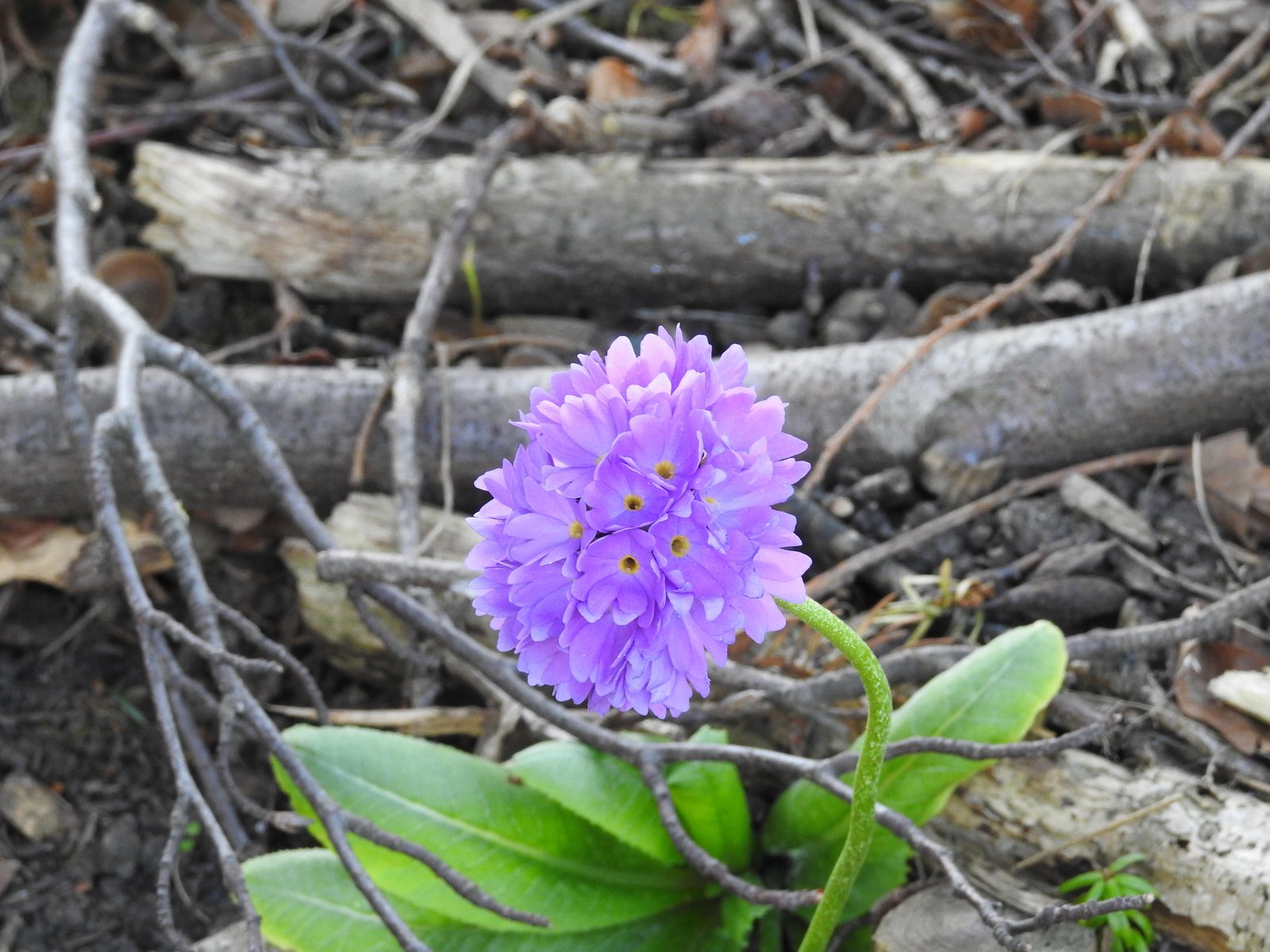
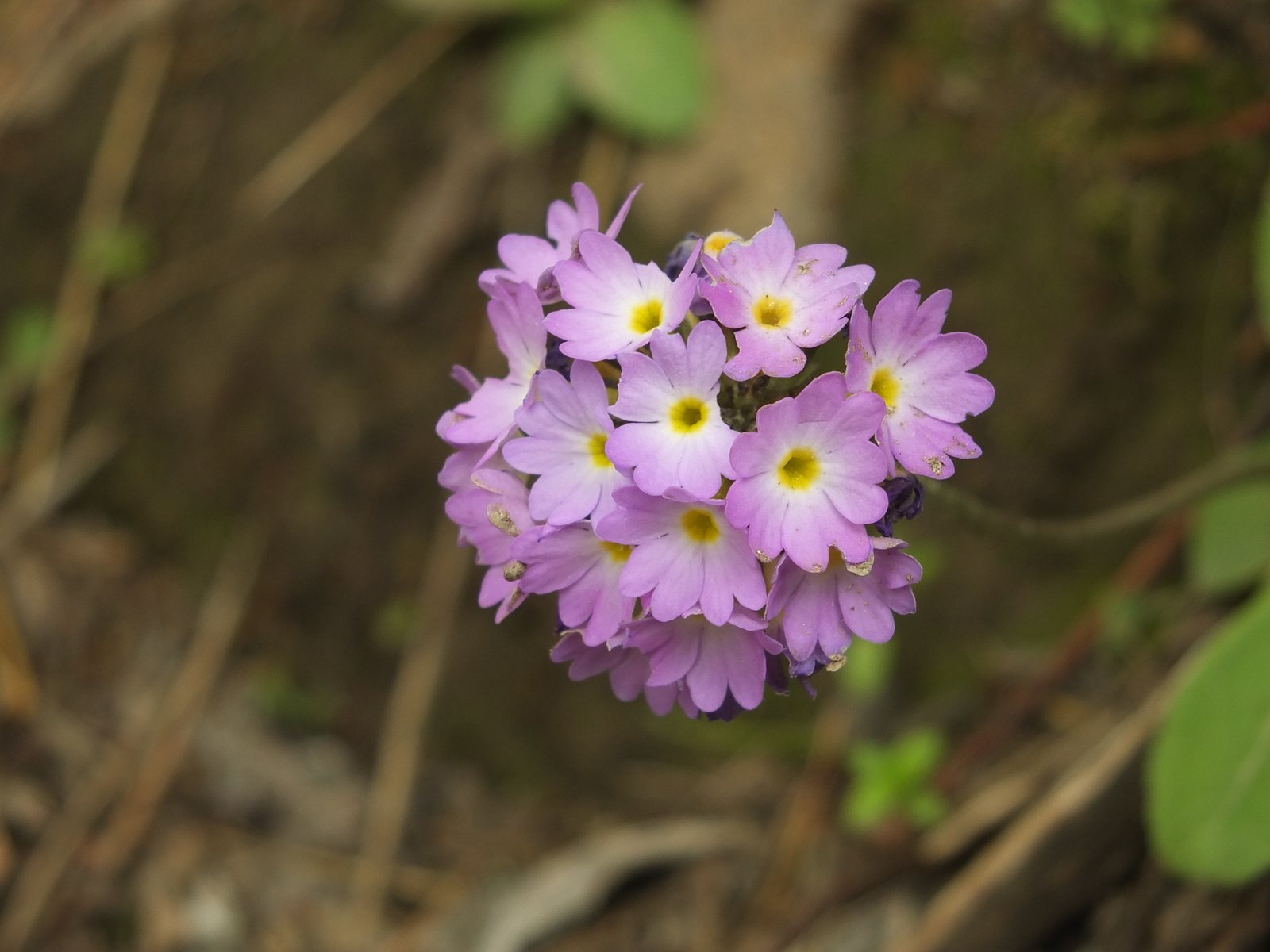
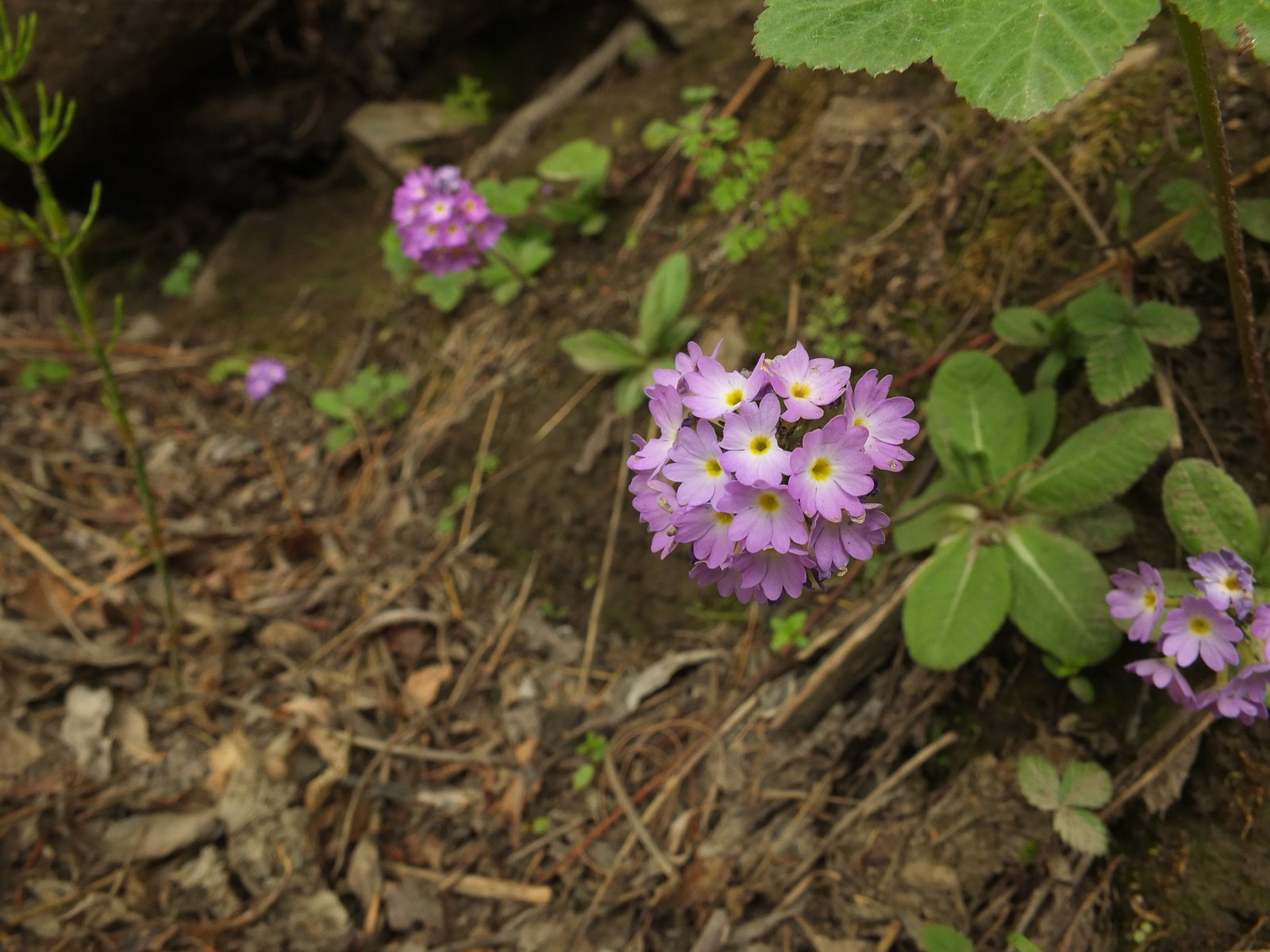
Drumstick primula is a deciduous perennial with rounded heads of small flowers held above rosettes of wrinkled leaves in spring. Gardeners grow it for its distinctive flower shape and early colour in cool, moist borders, woodland edges and pondside beds. It struggles in hot, dry summers.
At a glance
- Sun
- Partial shade; full sun is suitable in cool climates if the soil stays moist. Give it afternoon shade where summers are warm.
- Water
- Keep the root zone consistently moist during growth and flowering. Do not let it dry out in summer, but avoid stagnant water around the crown, especially in winter.
- Soil
- Humus-rich, moisture-retentive soil that drains freely; mildly acidic to neutral soil is ideal.
- Height
- 1-1.5 ft (0.3-0.45 m)
- Spread
- 1-1.5 ft (0.3-0.45 m)
- Flowers
- Early to mid-spring; dense, rounded heads of lilac, purple, pink or white flowers, usually with yellow eyes.
- Foliage
- Basal rosettes of oblong, wrinkled, toothed green leaves that lengthen after flowering; dies back for winter.
- Growth
- Moderate; forms a small clump that enlarges over several seasons.
- Care needed
- Medium
The year at a glance
- Pollinators
- Cold hardy
- Low allergen
| J | F | M | A | M | J | J | A | S | O | N | D | |
|---|---|---|---|---|---|---|---|---|---|---|---|---|
| Flowers | ||||||||||||
| Plant |
Northern hemisphere months. In Australia, shift them by six.
- Difficulty
- Moderate
- Toughness
- Fairly tough
Will it suit your garden?
Pick your zone, country, light and whether you have pets.
Full sun is 6 or more hours of direct sun a day, part shade 3 to 6 hours, shade under 3.
How it grows
Planting day
1 ft (0.3 m)
After 1 year
1.1 ft (0.32 m)
After 2 years
1.1 ft (0.35 m)
After 3 years
1.2 ft (0.38 m)
full size
About 3 years to full size.
From a typical nursery size, at an average rate for this kind of plant. A rule of thumb, not a forecast.
Good to know
- Cats and dogs
- Mildly toxic: may upset a stomach
- Growth rate
- Moderate
Care
Jobs through the year
- WaterMar–May, Sep–Oct, every 7 days
- Water established clumps if rain is insufficient to keep soil evenly moist; new divisions need closer checks.
- WaterJun–Aug, every 3 days
- Keep established plants evenly moist in dry weather without saturating the crown.
- MulchMar
- Top-dress with a thin layer of leaf mould or compost, leaving crowns exposed.
- PruneFeb–Mar
- Remove withered leaves carefully without damaging the central crown.
- DeadheadApr–May, every 7 days
- Cut spent flower stems to the base unless saving seed.
- DivideMay–Jun
- Divide crowded clumps after flowering every three or four years and water divisions thoroughly.
- ProtectMar–May, every 7 days
- Check emerging leaves for slugs and snails and control damage promptly.
- ProtectJun–Aug
- Provide afternoon shade during hot weather.
- ProtectNov–Dec
- Remove heavy wet leaf cover and prevent standing water around dormant crowns.
- Water during dry spells so the soil remains moist throughout active growth.
- Apply a thin layer of leaf mould or compost in spring, keeping it clear of the crown.
- Plant with the crown at soil level rather than buried.
- Divide crowded clumps after flowering, usually every three or four years.
- In containers, use moisture-retentive compost and drainage holes; check moisture frequently in warm weather.
Pruning. Cut spent flower stems back to the base after flowering unless you want seed. Remove dead leaves once they have withered, without damaging the central crown.
Through the year
- Early spring
- Remove dead foliage, check for slug damage and top-dress around the clumps with compost or leaf mould.
- Spring
- Keep flowering plants evenly moist and remove spent flower stems unless saving seed.
- Late spring
- Divide crowded clumps after flowering and water the divisions thoroughly.
- Summer
- Water during dry weather and protect plants from strong afternoon sun.
- Autumn
- Plant or transplant while the soil is moist, leaving crowns at soil level.
- Winter
- Check that water is not collecting around dormant crowns and remove heavy, sodden leaf cover.
In the garden
- Plant small groups along a lightly shaded path where the rounded spring flower heads are easy to see.
- Combine with ferns and hostas for spring flowers before their larger foliage develops.
- Use beside a pond or stream in moist soil above the permanently waterlogged margin.
- Repeat lilac or white forms through a spring border with lungwort and Siberian bugloss.
Garden styles it suits: Woodland, Cottage garden, English country, Bog garden, Blues and silvers and Pastel border.
Plant it with: Hostas, Lungwort, Siberian bugloss, Japanese painted fern, Astilbe and Siberian iris.
Wildlife: Spring flowers provide nectar and pollen for visiting bees and other insects. Slugs and snails may feed on the foliage.
Problems to watch for
- Slugs and snails chew emerging leaves and flowers: inspect at dusk, remove hiding places and use iron phosphate bait according to its label if needed.
- Vine weevil larvae eat roots, particularly in containers: inspect declining plants and use a suitable biological nematode treatment when soil temperatures allow.
- Crown or root rot develops in stagnant, poorly drained soil: improve drainage, keep crowns unburied and discard badly rotted plants.
- Heat and drought cause wilting, scorched leaves and weak growth: provide afternoon shade, mulch around the plants and water deeply before the soil dries out.
Safety
Primulas can cause stomach upset if eaten by people, cats or dogs, and contact with foliage may irritate sensitive skin. Species-specific information for Primula denticulata, particularly its toxicity to horses, is limited; do not treat it as edible or allow pets and livestock to graze it.
Easily confused with
Orchid primrose (Primula vialii)
Produces upright, cone-shaped spikes with red buds opening to lilac flowers, rather than rounded drumstick heads; it usually flowers later.
Cowslip (Primula veris)
Has loose clusters of nodding yellow flowers rather than a dense ball of outward-facing flowers.
Japanese primrose (Primula japonica)
Carries flowers in separate tiers up taller stems, rather than in one rounded head, and generally flowers in late spring or early summer.
The name
Primula refers to its early flowering, denticulata means finely toothed in reference to the leaf edges, and drumstick describes the rounded flower heads on upright stems.
Propagation. Divide established clumps immediately after flowering, keeping roots and a healthy crown on each division. Sow fresh seed on the surface of moist seed compost; a period of cold can help germination. Seedlings may differ in colour from the parent.
Checked against open data
- Accepted botanical name
- Primula denticulata
- Native range
- Afghanistan, Assam, China South-Central, East Himalaya, Myanmar, Nepal, Pakistan, Tibet and West Himalaya.
Sources: GBIF (CC BY 4.0) and Trefle (CC BY 4.0). The care and design notes are LandscapeGPT's own.
See it in your own yard.
Upload a photo of your yard and see it redesigned with plants that suit your climate, each checked against your zone.