Dutch iris
Iris × hollandica. Family Iridaceae. Bulb.
Also called Dutch hybrid iris.
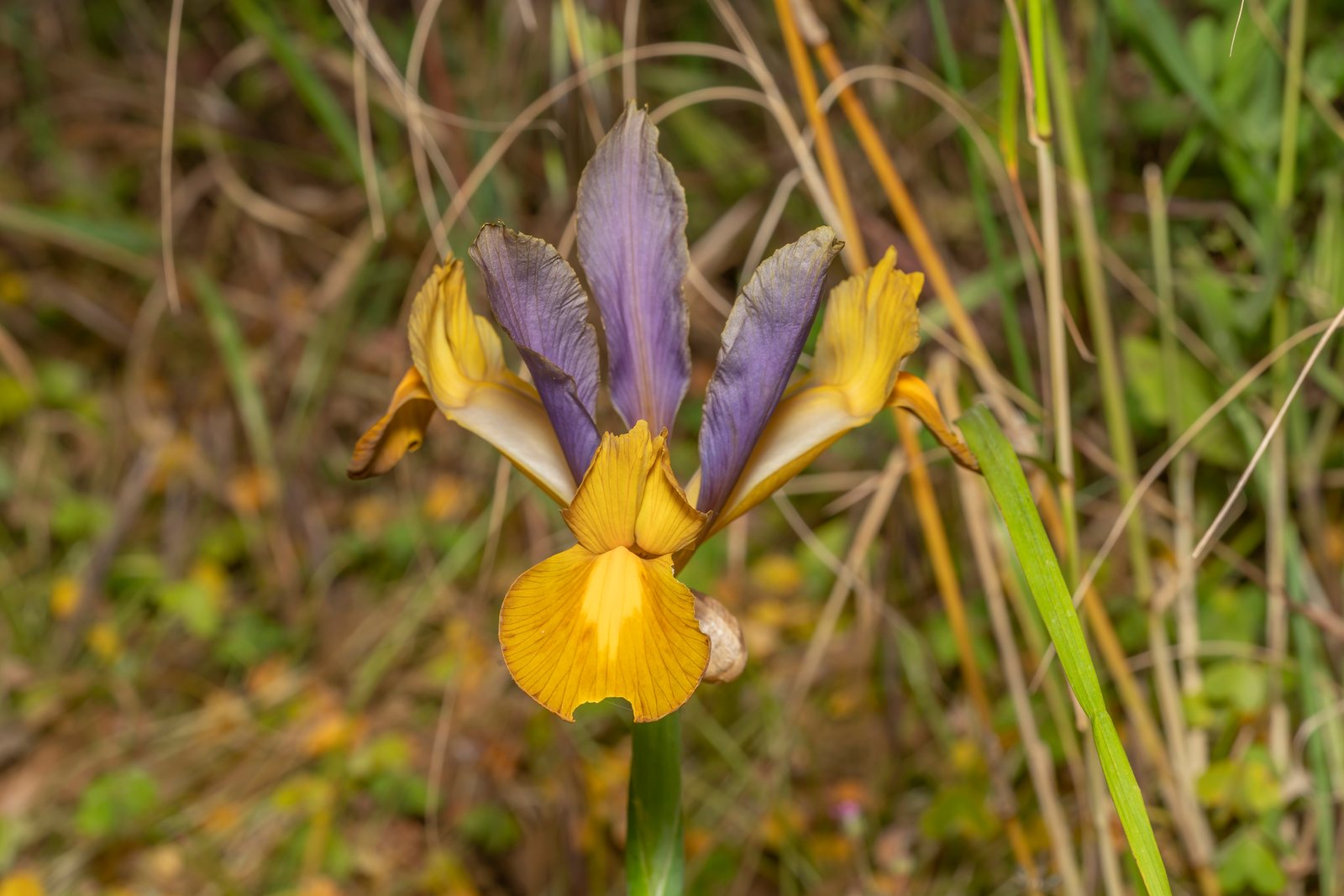
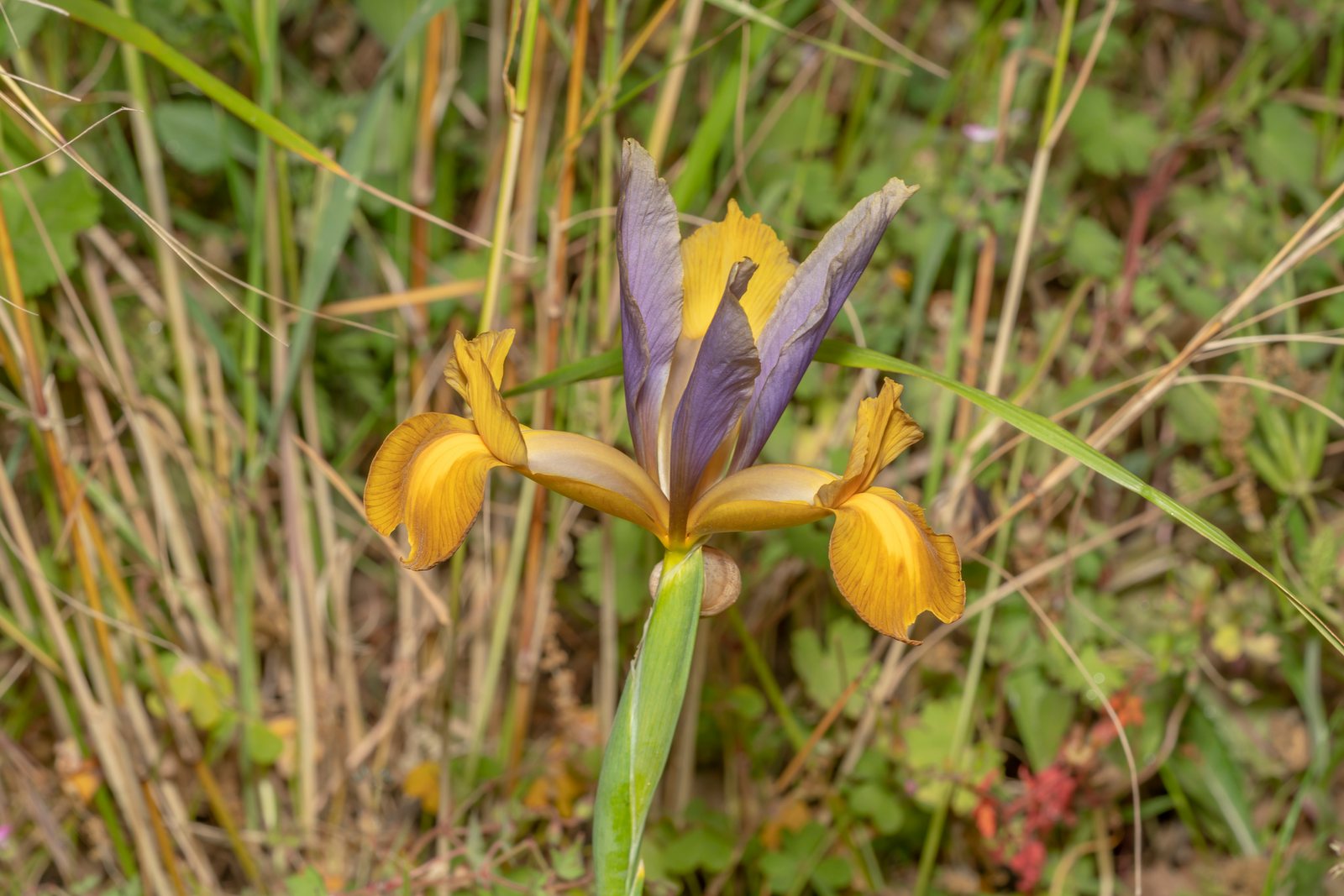
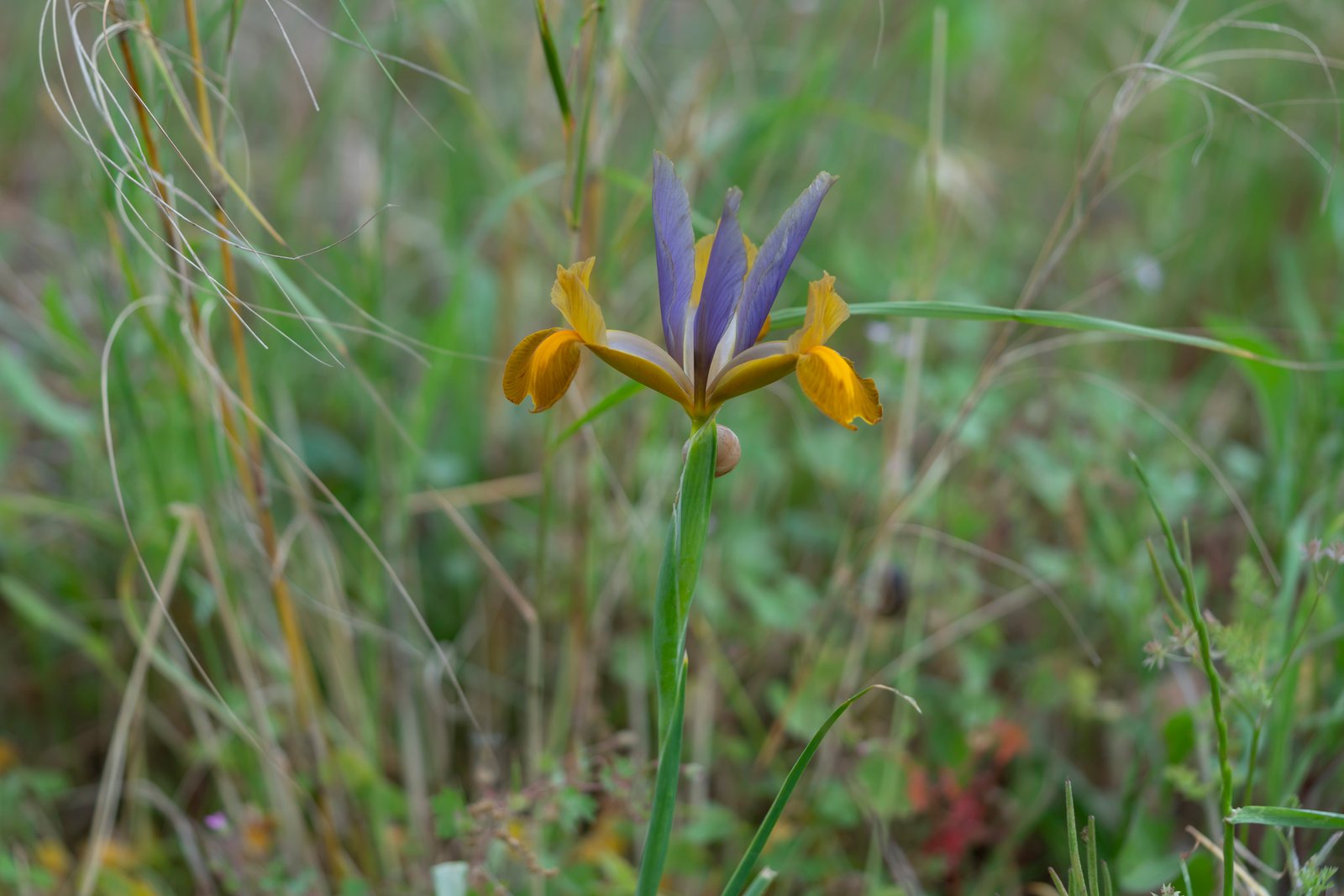
Dutch iris is a bulbous iris grown for its slender stems and elegant blue, purple, white or yellow flowers, often with yellow markings on the lower petals. It makes a useful border plant and cut flower, but repeat flowering depends on good drainage and a fairly dry summer rest.
At a glance
- Sun
- Full sun; tolerates light partial shade, but flowers best in a sunny position.
- Water
- Water moderately during active growth and flowering. Keep bulbs relatively dry after the leaves die back; avoid waterlogged soil in any season.
- Soil
- Well-drained sandy or loamy soil, preferably moderately fertile. Improve drainage in heavy clay or use a raised bed.
- Height
- 1.5-2.5 ft (0.45-0.75 m)
- Spread
- 0.25-0.5 ft (0.08-0.15 m) per bulb, gradually forming small groups
- Flowers
- Spring to early summer, depending on climate and cultivar; blue, violet, purple, white, yellow and bronze combinations, usually with yellow markings on the falls.
- Foliage
- Narrow, upright, blue-green leaves that die back after flowering; foliage may emerge in autumn in mild climates.
- Growth
- Moderate; reaches flowering height each growing season and increases gradually by offsets.
- Care needed
- Low
The year at a glance
- Deer resistant
- Low allergen
| J | F | M | A | M | J | J | A | S | O | N | D | |
|---|---|---|---|---|---|---|---|---|---|---|---|---|
| Flowers | ||||||||||||
| Plant |
Northern hemisphere months. In Australia, shift them by six.
- Difficulty
- Easy
- Toughness
- Fairly tough
Will it suit your garden?
Pick your zone, country, light and whether you have pets.
Full sun is 6 or more hours of direct sun a day, part shade 3 to 6 hours, shade under 3.
How it grows
Planting day
0.5 ft (0.15 m)
After 1 year
2 ft (0.6 m)
full size
About 1 years to full size.
From a typical nursery size, at an average rate for this kind of plant. A rule of thumb, not a forecast.
Good to know
- Cats and dogs
- Toxic
- Growth rate
- Moderate
Care
Jobs through the year
- WaterMar–Apr, every 14 days
- Water established bulbs only during dry spells while leaves are growing.
- WaterMay–Jun, every 7 days
- Water if rainfall is insufficient; stop routine watering as foliage yellows.
- FeedMar
- Apply a light dressing of balanced bulb fertiliser as growth begins.
- DeadheadMay–Jun, every 7 days
- Remove faded flowers before seed pods form, retaining green stems and leaves.
- PruneJun–Jul
- Cut foliage to ground level only once it has yellowed and died.
- DivideJul–Aug
- Lift and separate crowded bulbs after foliage dies, usually every three to four years.
- Plant bulbs in autumn, about 4-6 in (10-15 cm) deep and 3-4 in (8-10 cm) apart.
- Water during active growth if rainfall is insufficient, then reduce watering as the leaves yellow.
- Apply a light dressing of balanced bulb fertilizer as growth begins; avoid heavy nitrogen feeding.
- Keep the planting site free-draining, especially through winter and summer dormancy.
- Lift and separate crowded bulbs after the foliage dies back, usually every three to four years if flowering declines.
- Support stems discreetly in exposed sites if wind causes them to lean.
Pruning. Remove faded flowers before seed pods develop, leaving green stems and leaves to feed the bulbs. Cut off foliage at ground level only once it has yellowed and died naturally.
Through the year
- Autumn
- Plant bulbs in a sunny, well-drained position; replant any stored bulbs.
- Winter
- Check that the planting area drains freely and prevent pots from standing in water.
- Early spring
- Apply a light bulb fertilizer as growth develops and water during dry spells.
- Spring
- Check emerging shoots for slugs and snails, and add discreet supports where needed.
- Late spring to early summer
- Cut flowers as buds begin to show colour, or remove faded blooms while retaining the leaves.
- Summer
- Let foliage die back, reduce watering and lift crowded bulbs if division is needed.
In the garden
- Plant loose groups through sunny borders for upright flowers among lower, spreading plants.
- Combine blue or violet cultivars with yellow alliums or pale roses for a clear colour contrast.
- Grow in a dedicated cutting bed, where stems can be harvested without leaving gaps in display borders.
- Use in sunny containers with excellent drainage, moving pots out of regular irrigation during dormancy.
- Plant among low perennials that conceal the dying foliage without heavily shading the bulbs.
Garden styles it suits: Cottage garden, Traditional, Formal, Blues and silvers, Dry gravel garden and Modern courtyard.
Plant it with: Catmint, Hardy geraniums, Salvias, Alliums, Roses and Creeping thyme.
Wildlife: Flowers may be visited by bees, although Dutch iris is usually grown for its ornamental and cutting value rather than as a main pollinator plant. Deer often leave it alone, but browsing is still possible.
Problems to watch for
- Bulb rot in wet soil: improve drainage, avoid watering dormant bulbs and discard soft or mouldy bulbs.
- Slugs and snails eating young growth: inspect shoots regularly and use barriers, hand collection or an approved bait as directed.
- Weak flowering in later years: give bulbs more sun, retain green foliage after flowering and divide crowded groups.
- Yellow streaks, distorted leaves or broken flower colour from possible virus infection: remove affected plants and control aphids; there is no cure for infected bulbs.
Safety
Toxic to cats, dogs and horses, and harmful to people if eaten. All parts contain irritants, with the highest concentrations in the bulbs; ingestion can cause drooling, vomiting, abdominal pain and diarrhoea. Sap may irritate skin. Keep bulbs away from children and animals, and seek medical or veterinary advice after ingestion.
Easily confused with
Spanish iris (Iris xiphium)
A close relative with similar narrow leaves and bulbous growth. Dutch iris hybrids often have larger flowers, but appearance overlaps and a reliable nursery label may be needed.
English iris (Iris latifolia)
Usually has broader leaves and fuller blue or purple flowers, often flowering later; it prefers more consistent moisture than Dutch iris.
Bearded iris (Iris germanica)
Grows from thick surface rhizomes rather than bulbs, has broad fans of leaves and carries a conspicuous fuzzy beard on each lower petal.
The name
The name hollandica means 'of Holland' and reflects the development of these hybrid irises by Dutch breeders.
Propagation. Separate offsets from dormant bulbs after the foliage has died back and replant in autumn. Small offsets may need several growing seasons to reach flowering size; seed does not reliably reproduce named cultivars.
Checked against open data
- Accepted botanical name
- Iris hollandica
Sources: GBIF (CC BY 4.0). The care and design notes are LandscapeGPT's own.
See it in your own yard.
Upload a photo of your yard and see it redesigned with plants that suit your climate, each checked against your zone.