Dwarf globe blue spruce
Picea pungens 'Globosa'. Family Pinaceae. Shrub.
Also called Globe blue spruce, Dwarf Colorado blue spruce, Picea pungens 'Glauca Globosa'.
Picea pungens 'Globosa' is a slow-growing evergreen spruce with stiff, silver-blue needles and a rounded, often slightly flattened shape when young. Gardeners grow it for year-round colour and structure; older plants can become broadly conical rather than remaining perfect globes. It performs best in sunny gardens with cold winters and is poorly suited to prolonged heat and humidity.
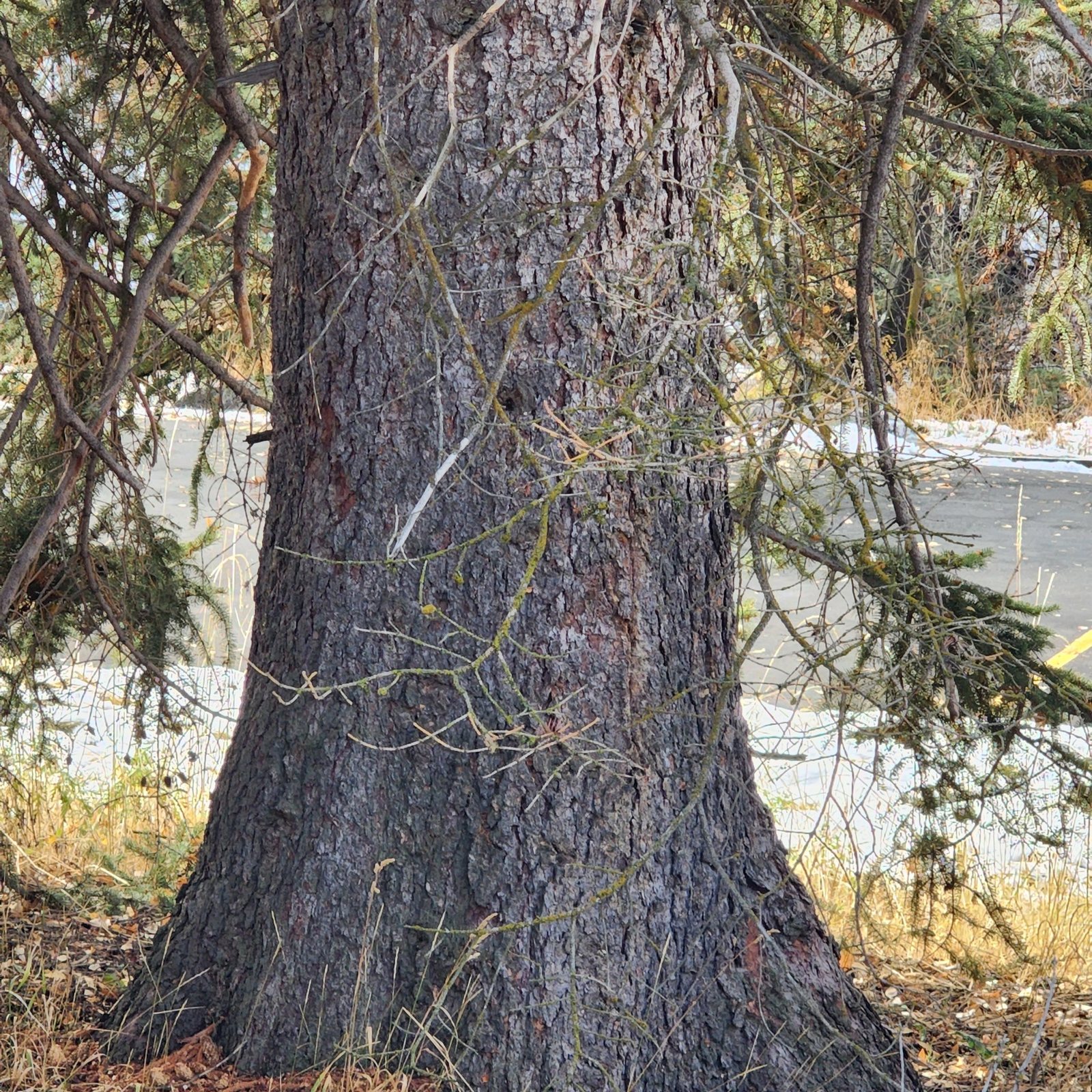
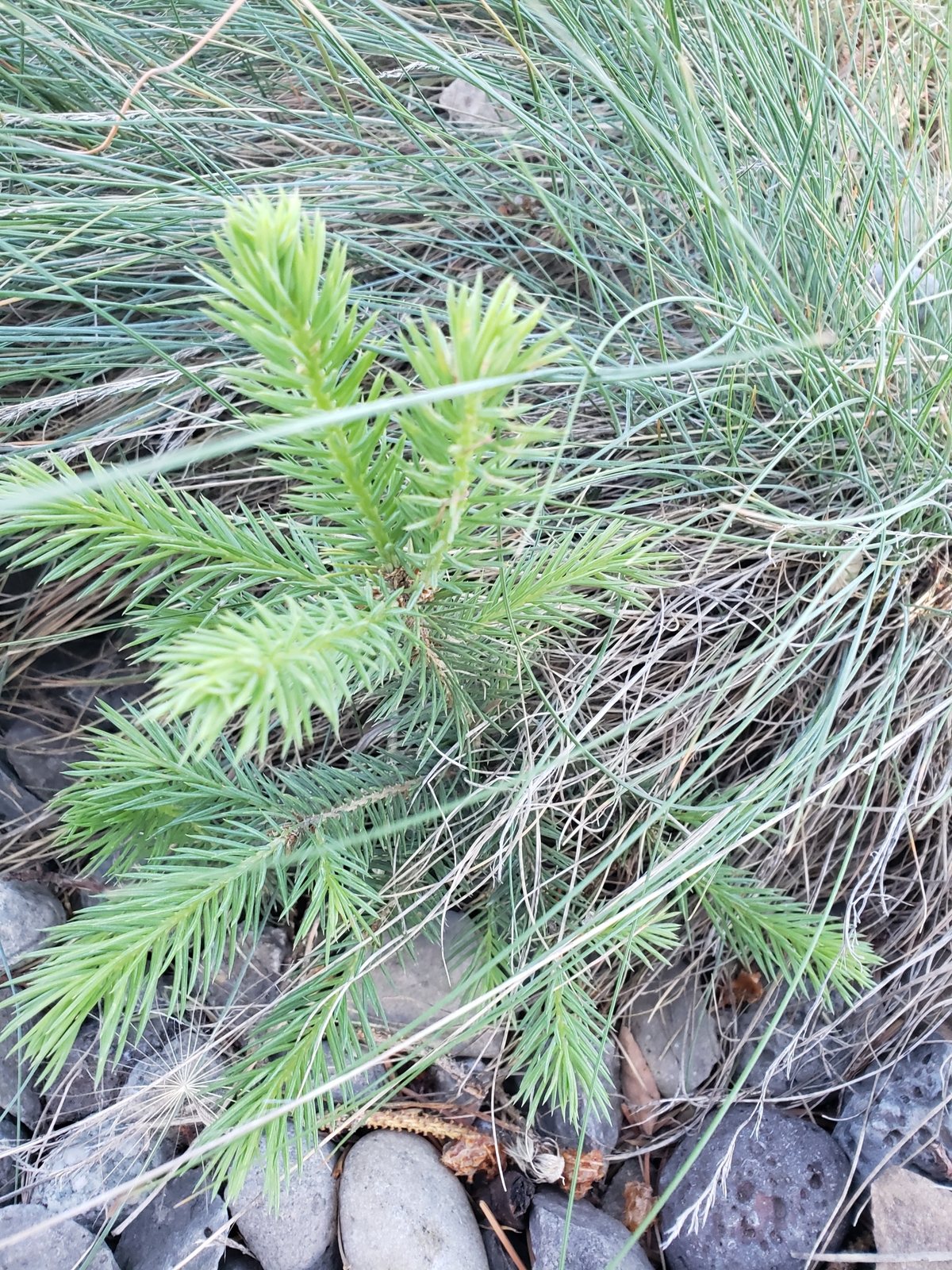
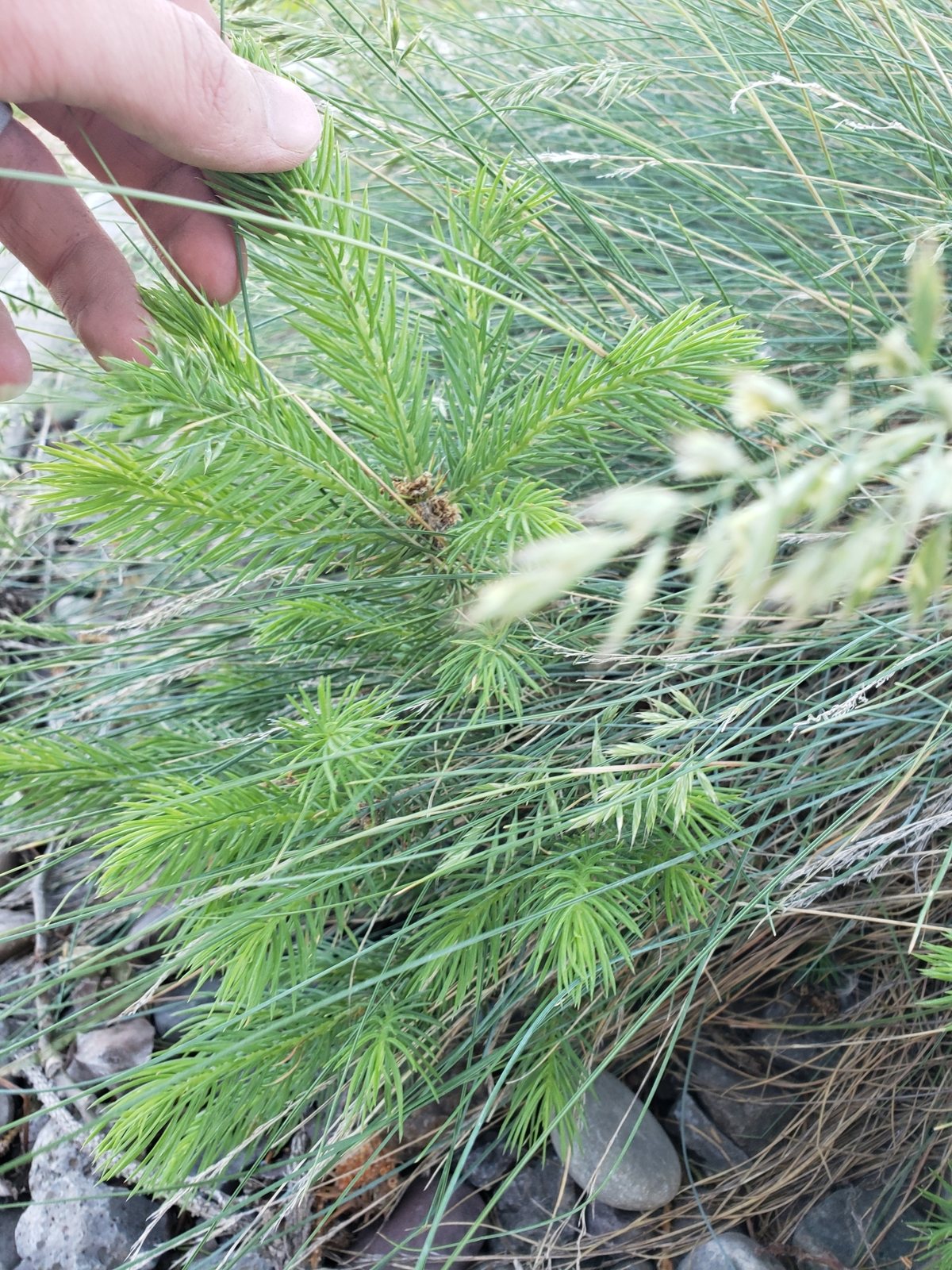
At a glance
- Sun
- Full sun gives the strongest blue colour and densest growth.
- Water
- Keep the root zone evenly moist while establishing. Established plants tolerate some dry weather, but need deep watering during prolonged drought; avoid waterlogged soil.
- Soil
- Well-drained loam, sandy loam or clay improved by good drainage; tolerates acidic to moderately alkaline soil.
- Height
- 3-5 ft (0.9-1.5 m) in about 10 years; older plants may reach 6-10 ft (1.8-3 m). Grafted standards start higher.
- Spread
- 4-6 ft (1.2-1.8 m), sometimes wider with age.
- Foliage
- Evergreen. Short, sharply pointed, stiff needles with a waxy silver-blue coating; new spring growth is often especially bright.
- Growth
- Slow, commonly 2-4 in (5-10 cm) a year.
- Care needed
- Low
The year at a glance
- Deer resistant
- Cold hardy
- Wildlife
| J | F | M | A | M | J | J | A | S | O | N | D | |
|---|---|---|---|---|---|---|---|---|---|---|---|---|
| Plant |
Northern hemisphere months. In Australia, shift them by six.
- Difficulty
- Easy
- Toughness
- Fairly tough
Will it suit your garden?
Pick your zone, country, light and whether you have pets.
Full sun is 6 or more hours of direct sun a day, part shade 3 to 6 hours, shade under 3.
How it grows
Planting day
1.6 ft (0.5 m)
After 1 year
1.9 ft (0.59 m)
After 2 years
2.2 ft (0.68 m)
After 3 years
2.5 ft (0.76 m)
After 5 years
3 ft (0.94 m)
About 8 years to full size.
From a typical nursery size, at an average rate for this kind of plant. A rule of thumb, not a forecast.
Good to know
- Cats and dogs
- Safe
- Native to
- the US
- Growth rate
- Slow
Care
Jobs through the year
- WaterApr–May, Sep–Nov, every 14 days
- Water established ground-grown shrubs deeply during dry spells, including before freezing weather; young plants need more.
- WaterJun–Aug, every 7 days
- During prolonged dry weather, soak the root zone and let the surface begin drying; skip after adequate rain.
- MulchMar–Apr
- Refresh organic mulch to 5–8 cm deep, keeping it clear of the trunk.
- PruneFeb–Mar
- Remove dead or damaged branches only as needed, using clean tools in dry weather.
- PruneMay–Jun
- If necessary, shorten selected new shoots lightly and remove growth below the graft; never cut into bare old wood.
- ProtectJan–Feb, Dec
- Keep salted snow away and gently brush off loose heavy snow without striking frozen branches.
- Plant with the root flare at soil level and leave enough room for its eventual spread.
- Water deeply during dry spells for the first two growing seasons; let the surface soil begin to dry between waterings.
- Apply 2-3 in (5-8 cm) of organic mulch over the root zone, keeping it clear of the trunk.
- Feed only if growth is weak or a soil test shows a deficiency; avoid heavy nitrogen feeding.
- Keep lawn sprinklers off the needles and allow air to circulate around the plant.
- On grafted plants, remove shoots arising from the trunk below the graft union.
Pruning. Little pruning is needed; remove dead or damaged branches in late winter or early spring. If necessary, shorten selected new shoots in late spring to retain a rounded outline, but never cut back into bare old wood.
Through the year
- Early spring
- Plant while the ground is workable, before hot weather, and water thoroughly.
- Spring
- Refresh mulch and check older inner needles for spotting, browning or premature shedding.
- Late spring
- Lightly shorten selected new shoots only if the outline needs correcting; remove growth below any graft.
- Summer
- Water deeply during prolonged dry spells and inspect dusty or mottled needles for mites.
- Autumn
- If rainfall is low, water before the ground freezes, especially for recently planted specimens.
- Winter
- Avoid piling salted snow beside the plant; gently brush off loose, heavy snow without striking frozen branches.
In the garden
- Use as a blue-grey focal point in a sunny gravel garden with low sedums and creeping thyme.
- Repeat rounded plants along a broad path or terrace for year-round structure without a clipped hedge.
- Pair with dark green evergreens and burgundy-leaved shrubs to make the blue foliage stand out.
- Place among rocks and low mountain plants, allowing space for its broad mature outline.
Garden styles it suits: Architectural minimal, Formal, Dry gravel garden, Winter interest, Mountain lodge and Alpine rock garden.
Plant it with: Creeping thyme, Creeping phlox, Stonecrop, Blue fescue, Dwarf mugo pine and Japanese spirea.
Wildlife: Dense evergreen branches provide shelter and occasional nesting cover for small birds. It offers little nectar or pollen value for garden pollinators.
Problems to watch for
- Needle cast: older inner needles turn purple-brown and drop, often starting low down. Keep foliage dry, improve airflow and obtain a diagnosis; confirmed cases may need locally approved fungicide treatment timed to new growth.
- Spruce spider mites: needles become finely mottled, dull or bronzed. Check by tapping branches over white paper; rinse small plants with water and use a locally approved mite treatment if damage continues.
- Cytospora canker: branches die back, sometimes with white resin on the bark. Prune affected branches in dry weather, disinfect tools between cuts and reduce drought or root stress.
- Poor drainage or excessive heat: persistent wet soil can kill roots, while hot, humid conditions encourage decline. Choose a freely draining site and a different shrub where summers are consistently unsuitable.
Safety
Not known to be toxic to cats, dogs, horses or people. The sharp needles can puncture skin or irritate the mouth and digestive tract if chewed; eating woody material is not safe.
Easily confused with
Montgomery blue spruce (Picea pungens 'Montgomery')
Also has blue needles, but usually develops a more upright, densely pyramidal outline. Young plants can be difficult to distinguish without a reliable label.
Dwarf Alberta spruce (Picea glauca 'Conica')
Forms a narrow, regular cone with much finer, predominantly green needles rather than a broad globe with stout silver-blue needles.
Globe Norway spruce (Picea abies 'Globosa')
Has green rather than silver-blue needles and generally finer-textured growth; check the full botanical name when buying.
The name
Pungens means sharply pointed, referring to the prickly needles, while 'Globosa' refers to the plant's rounded young shape.
Propagation. Usually propagated by grafting to preserve the cultivar; this is specialist nursery work. Cuttings can be difficult to root, and seed-grown plants will not reliably retain its blue colour or dwarf shape.
Checked against open data
- Accepted botanical name
- Picea pungens
- In the US and Canada
- Native in the lower 48 states. Introduced in Canada.
- Native range
- Arizona, Colorado, Idaho, Montana, New Mexico, Utah and Wyoming.
- Measured
- Soil pH 5.5 to 7.8. Average height 3024 cm.
Sources: GBIF (CC BY 4.0), USDA PLANTS and Trefle (CC BY 4.0). The care and design notes are LandscapeGPT's own.
See it in your own yard.
Upload a photo of your yard and see it redesigned with plants that suit your climate, each checked against your zone.