Eared lady fern
Athyrium otophorum. Family Athyriaceae. Fern.
Also called Eared fern.
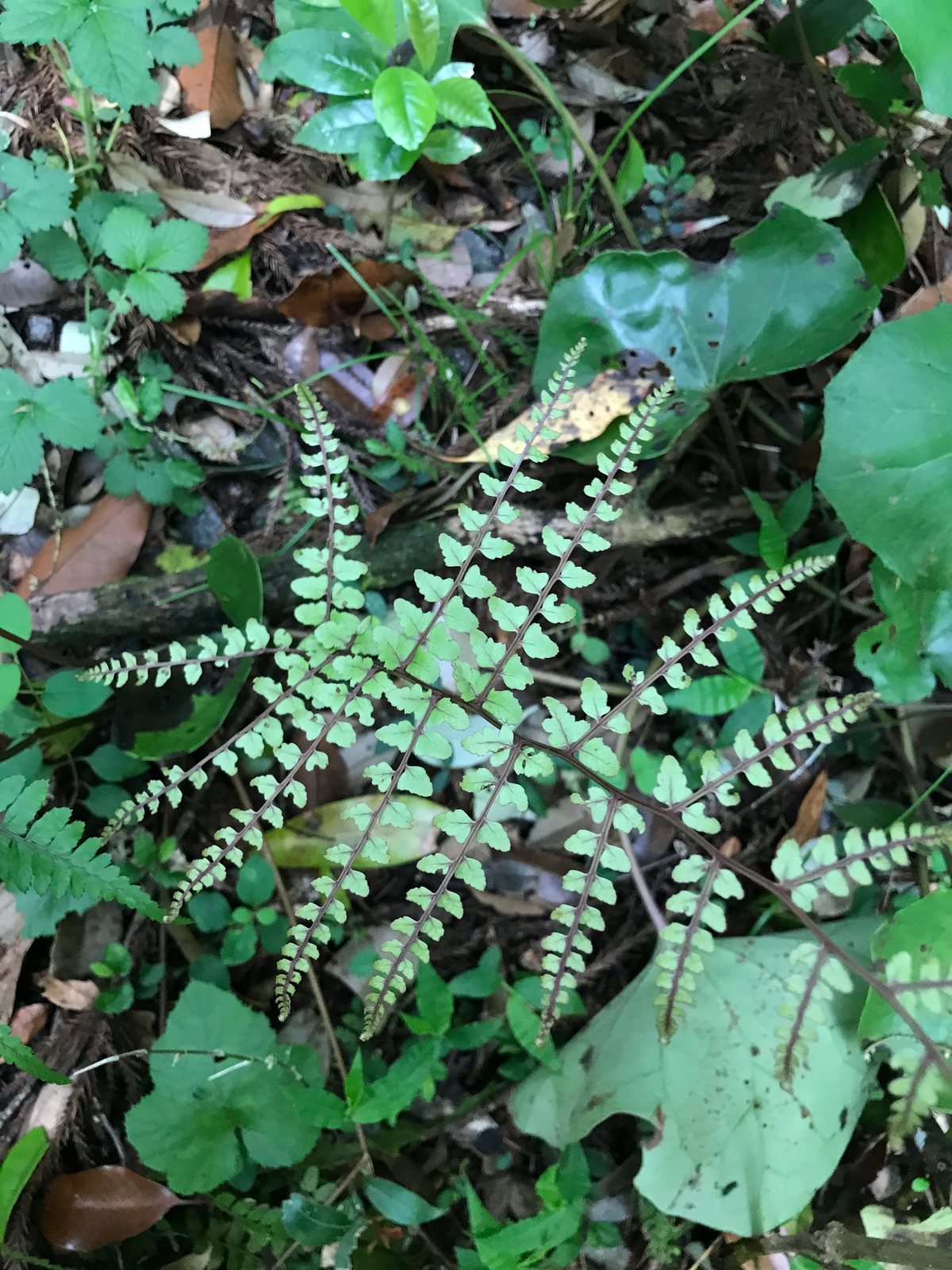
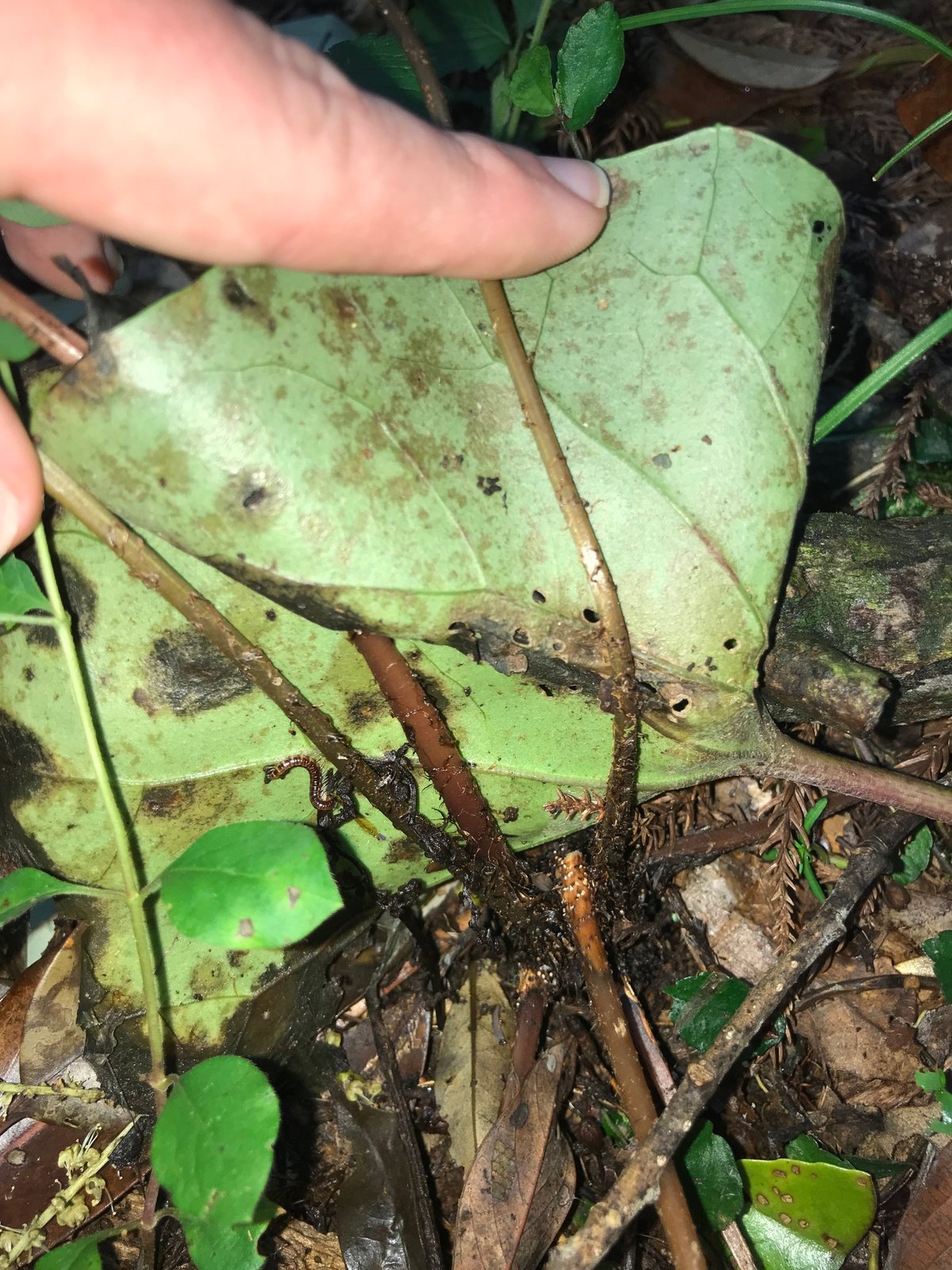
Eared lady fern is a deciduous, clump-forming fern from East Asia, grown for its pale green fronds and contrasting reddish-purple stalks. It brings fine texture to sheltered, shady borders where the soil stays moist without becoming waterlogged.
At a glance
- Sun
- Partial to full shade; gentle morning sun is suitable where the soil stays moist. Avoid hot afternoon sun.
- Water
- Keep evenly moist, especially during establishment and dry summers; do not leave the roots in standing water.
- Soil
- Humus-rich, moisture-retentive but well-drained soil, preferably acidic to neutral.
- Height
- 1.5-2.5 ft (0.45-0.75 m)
- Spread
- 1-2 ft (0.3-0.6 m)
- Foliage
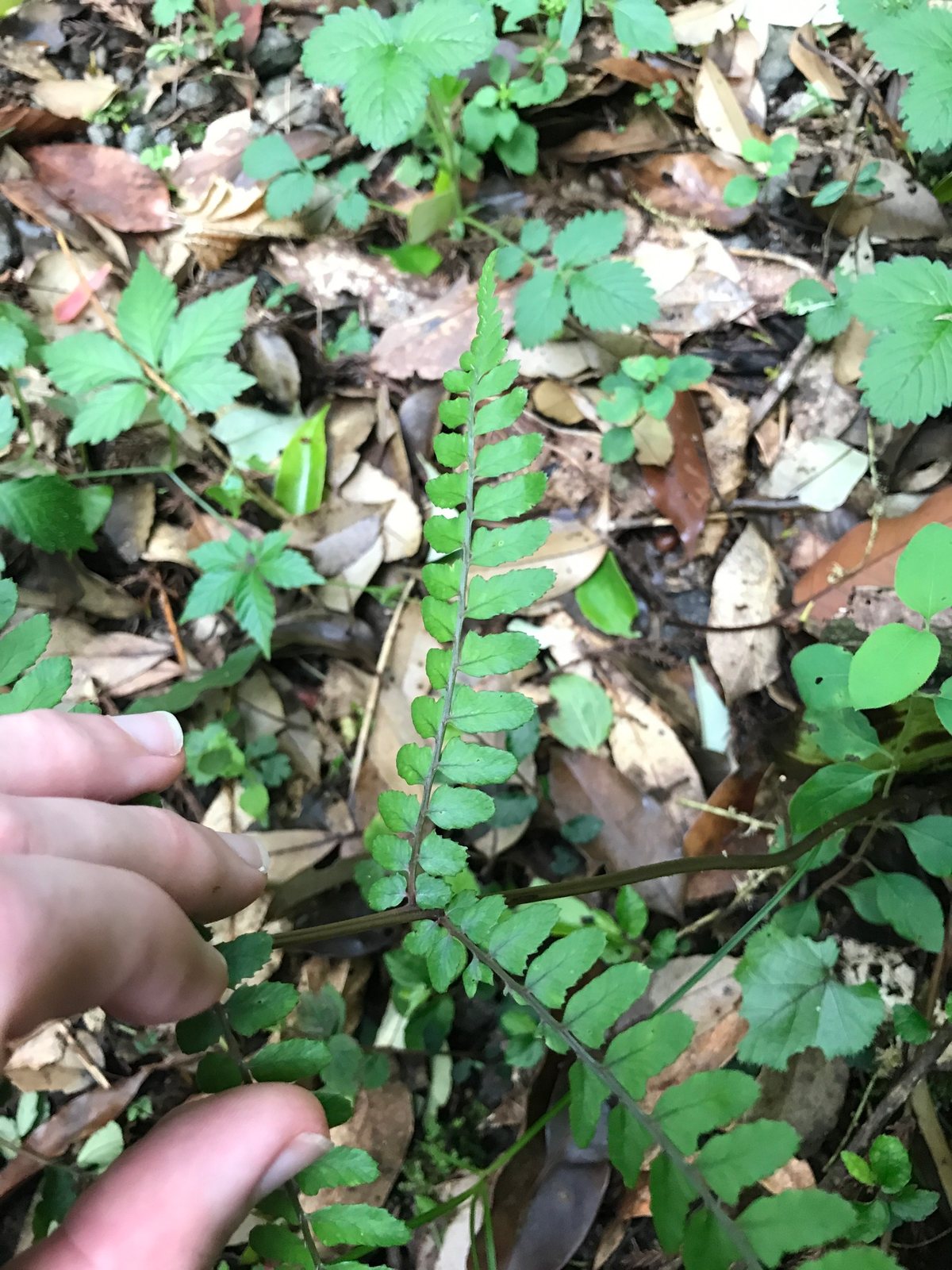
- Finely divided, triangular fronds emerge pale yellow-green and mature to soft green, with reddish-purple stalks and central ribs. Fronds usually die back for winter.
- Growth
- Moderate
- Care needed
- Low
The year at a glance
- Deer resistant
- Heat tolerant
- Wildlife
- Low allergen
| J | F | M | A | M | J | J | A | S | O | N | D | |
|---|---|---|---|---|---|---|---|---|---|---|---|---|
| Plant |
Northern hemisphere months. In Australia, shift them by six.
- Difficulty
- Easy
- Toughness
- Fairly tough
Will it suit your garden?
Pick your zone, country, light and whether you have pets.
Full sun is 6 or more hours of direct sun a day, part shade 3 to 6 hours, shade under 3.
How it grows
Planting day
1 ft (0.3 m)
After 1 year
1.3 ft (0.4 m)
After 2 years
1.6 ft (0.5 m)
After 3 years
2 ft (0.6 m)
full size
About 3 years to full size.
From a typical nursery size, at an average rate for this kind of plant. A rule of thumb, not a forecast.
Good to know
- Cats and dogs
- Safe
- Growth rate
- Moderate
Care
Jobs through the year
- WaterApr–May, Sep–Oct, every 14 days
- Water established in-ground clumps during dry spells; check young plants more often.
- WaterJun–Aug, every 7 days
- Water deeply if rain is insufficient, keeping roots evenly moist; water sooner in hot, dry weather.
- PruneFeb–Mar
- Cut dead fronds close to the base before new growth unfurls.
- MulchMar–Apr
- Spread a shallow layer of leaf mould or compost, keeping the crown uncovered.
- FeedApr
- Feed lightly only if growth is weak; omit feeding in rich soil.
- DivideMar–Apr
- Divide established clumps only when crowded or to propagate, then water well.
- ProtectApr–May
- Cover emerging fronds with fleece when late frost is forecast.
- Water deeply during dry spells, keeping the root zone moist rather than repeatedly wetting just the surface.
- Apply leaf mould or compost around the clump each spring, keeping the crown uncovered.
- Feed lightly in spring only if growth is weak; rich soil usually needs no additional fertiliser.
- Shelter from drying winds and strong afternoon sun.
- Divide established clumps in early spring if you want more plants or the centre becomes crowded.
Pruning. Remove dead fronds in late winter or early spring before new growth unfurls, cutting close to the base without damaging the crown. Leave healthy green fronds intact through the growing season.
Through the year
- Late winter
- Cut away dead fronds before new shoots emerge.
- Early spring
- Plant or divide clumps as growth begins, then water thoroughly.
- Spring
- Apply a shallow mulch of leaf mould or compost around, but not over, the crown.
- Late spring
- Check emerging fronds for slug and snail damage.
- Summer
- Water during dry weather and check for scorching from sun or drying wind.
- Autumn
- Allow fronds to die back naturally and retain a light covering of fallen leaves around the clump.
In the garden
- Plant in small groups beneath deciduous trees where roots have access to reliable moisture.
- Use beside a shaded path so the coloured stalks and finely divided fronds can be seen closely.
- Pair with broad-leaved hostas or bergenias for contrasting leaf shapes.
- Grow in a sheltered courtyard container with moisture-retentive compost and unobstructed drainage.
Garden styles it suits: Woodland, Japanese, Secret garden, Cottage garden, Moss and fern garden and Green on green.
Plant it with: Hostas, Epimediums, Brunnera, Astilbes, Japanese forest grass and Bergenias.
Wildlife: Provides sheltered ground-level cover for small invertebrates. It has no flowers and supplies no nectar or pollen.
Problems to watch for
- Slugs and snails can damage emerging fronds; inspect at dusk, remove them by hand and use wildlife-conscious controls if needed.
- Dry soil or strong sun causes brown, crisp edges; water deeply, mulch and provide more shade.
- Waterlogged soil can rot the crown and roots; improve drainage or move the plant, and keep mulch off the crown.
- Late frost can blacken newly unfurled fronds; cover emerging growth with horticultural fleece when frost is forecast and remove damaged fronds afterward.
Safety
Not known to be toxic to people, cats, dogs or horses, although species-specific safety information is limited. Do not treat the fronds, young shoots or rhizomes as edible.
Easily confused with
Lady fern (Athyrium filix-femina)
Usually has longer, narrower, more finely divided fronds. Eared lady fern has broader triangular fronds and conspicuous ear-like lobes at the bases of its leaflets.
Japanese painted fern (Athyrium niponicum)
Painted forms have conspicuous silver-grey colouring across the fronds, unlike the mainly pale green foliage of eared lady fern; unpainted forms are harder to distinguish.
The name
Otophorum means 'ear-bearing', referring to the small ear-like lobes at the bases of the leaflets.
Propagation. Divide established clumps in early spring, retaining healthy roots and growing points on each piece. It can also be raised from spores, but this is slower and requires consistently humid, clean conditions.
Checked against open data
- Accepted botanical name
- Athyrium otophorum
- Native range
- Assam, China South-Central, China Southeast, Japan, Korea, Taiwan and West Himalaya.
Sources: GBIF (CC BY 4.0) and Trefle (CC BY 4.0). The care and design notes are LandscapeGPT's own.
See it in your own yard.
Upload a photo of your yard and see it redesigned with plants that suit your climate, each checked against your zone.