Early Sunrise coreopsis
Coreopsis grandiflora 'Early Sunrise'. Family Asteraceae. Perennial.
Also called Early Sunrise tickseed, Large-flowered tickseed 'Early Sunrise'.
Early Sunrise is a compact, often short-lived perennial grown for its golden-yellow, semi-double flowers from early summer into autumn. It suits sunny borders and containers, flowering longest when spent blooms are removed and the soil drains freely.
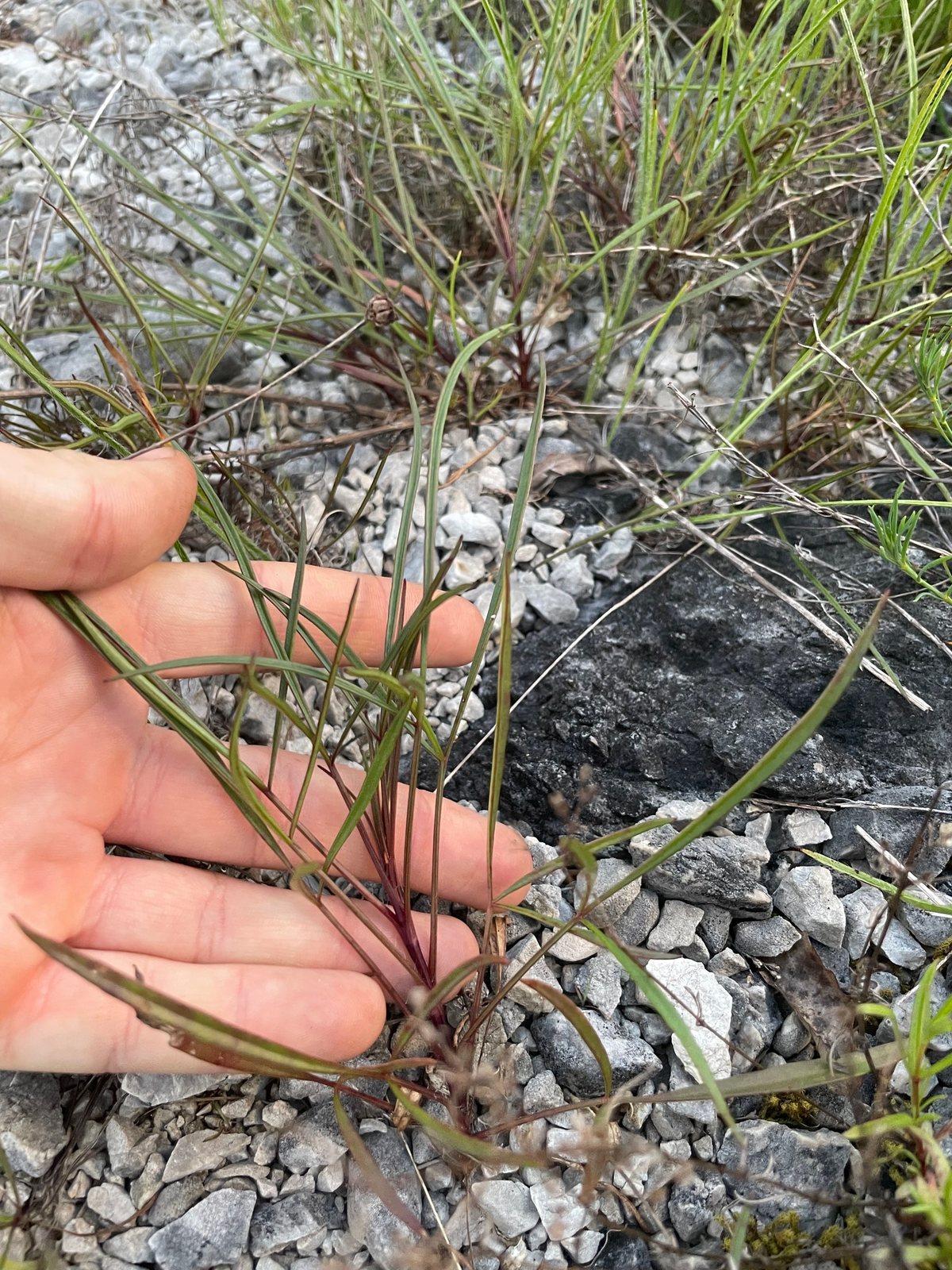
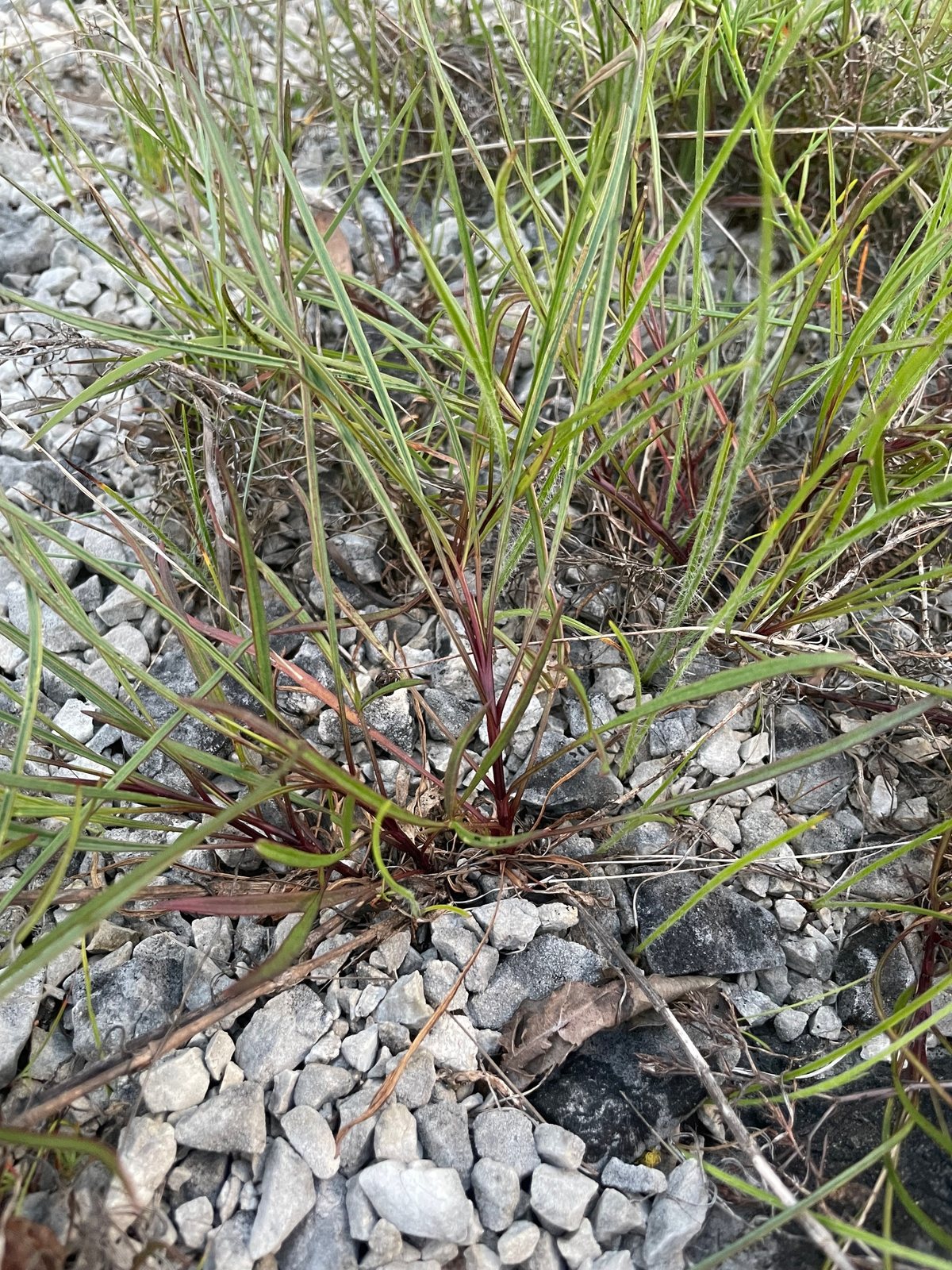
At a glance
- Sun
- Full sun; flowering and stem strength decline in shade.
- Water
- Water regularly while establishing. Once established, tolerate some dry spells, but water during prolonged drought to sustain flowering.
- Soil
- Well-drained sandy, loamy or gravelly soil; average to relatively low fertility. Avoid heavy, persistently wet ground, especially in winter.
- Height
- 1.5-2 ft (0.45-0.6 m)
- Spread
- 1-1.5 ft (0.3-0.45 m)
- Flowers
- Golden-yellow, semi-double daisy flowers from early summer into early autumn, especially with deadheading.
- Foliage
- Green, narrow to lance-shaped leaves, with some upper leaves divided into narrow lobes. Forms a leafy clump beneath upright flower stems; foliage usually dies back in cold winters but may persist in mild climates.
- Growth
- Fast; seed-grown plants can flower in their first year.
- Care needed
- Medium
The year at a glance
- Pollinators
- Deer resistant
- Drought tolerant
- Cold hardy
- Heat tolerant
- Wildlife
- Low allergen
| J | F | M | A | M | J | J | A | S | O | N | D | |
|---|---|---|---|---|---|---|---|---|---|---|---|---|
| Flowers | ||||||||||||
| Fruit | ||||||||||||
| Plant |
Northern hemisphere months. In Australia, shift them by six.
- Difficulty
- Moderate
- Toughness
- Fairly tough
Will it suit your garden?
Pick your zone, country, light and whether you have pets.
Full sun is 6 or more hours of direct sun a day, part shade 3 to 6 hours, shade under 3.
How it grows
Planting day
1 ft (0.3 m)
After 1 year
1.4 ft (0.42 m)
After 2 years
1.7 ft (0.53 m)
full size
About 2 years to full size.
From a typical nursery size, at an average rate for this kind of plant. A rule of thumb, not a forecast.
Good to know
- Cats and dogs
- Safe
- Native to
- Canada
- In the garden
- Spreads vigorously: plan to contain it.
- Growth rate
- Fast
Care
Jobs through the year
- WaterApr–May, Sep–Oct, every 14 days
- For established plants, water only if soil is dry and rainfall insufficient; water new plants more often.
- WaterJun–Aug, every 7 days
- During prolonged dry spells, water established plants deeply at soil level; let the surface dry between waterings.
- FeedApr
- Apply a light balanced feed only if soil is very poor or growth is weak.
- PruneFeb–Mar
- Remove dead stems without cutting into the living crown.
- PruneAug
- Lightly shear exhausted flowering stems if the plant remains vigorous.
- DivideMar–Apr
- Every two to three years, divide healthy outer sections as new growth begins.
- DeadheadJun–Sep, every 7 days
- Cut faded flower stems back to a leaf or side shoot; leave a few late heads for birds if desired.
- ProtectMar–May
- Inspect emerging growth for slugs and snails and hand-pick pests.
- ProtectJan–Feb, Oct–Dec
- Clear wet leaves and diseased debris from the crown and prevent standing water.
- Plant with the crown at soil level in a sunny spot with free drainage.
- Water at soil level during establishment and prolonged dry weather; let the surface soil dry between waterings.
- Avoid rich feeding; apply a light balanced feed in spring only if growth is weak or soil is very poor.
- Keep mulch clear of the crown, particularly where winters are wet.
- Divide healthy clumps in spring every two to three years to maintain vigour.
Pruning. Remove faded flowers regularly, cutting each stem back to a leaf or side shoot; after the main flush, lightly shear tired flowering stems to encourage fresh growth. Remove dead stems in late winter or early spring without cutting into the living crown.
Through the year
- Early spring
- Remove dead stems and check that the crown is firm, healthy and not sitting in wet soil.
- Spring
- Plant out hardened-off plants after severe frosts; divide established clumps as new growth begins.
- Late spring
- Water young plants during dry weather and check tender growth for slugs and snails.
- Summer
- Deadhead regularly and water during prolonged drought to keep flowers coming.
- Late summer
- Lightly shear exhausted flowering stems if the plant remains vigorous, then water if conditions are dry.
- Autumn
- Remove diseased foliage and clear fallen debris from around the crown; avoid heavy feeding or moisture-retaining mulch over the plant.
In the garden
- Plant in groups near the front of a sunny border for a long season of golden-yellow flowers.
- Combine with blue or purple salvias and catmint for strong colour contrast.
- Use among small ornamental grasses in informal, freely drained borders.
- Grow in containers with drainage holes, allowing room for its spreading clump.
Garden styles it suits: Cottage garden, English country, New perennial (prairie), Dry gravel garden, Hot border and Pollinator garden.
Plant it with: Catmint, Perennial salvia, Yarrow, Purple coneflower, Lavender and Prairie dropseed.
Wildlife: Bees and other flower-visiting insects use the blooms, although semi-double flowers generally offer less accessible food than open, single-flowered coreopsis. Seed heads may attract small seed-eating birds if left standing.
Problems to watch for
- Crown and root rot in wet soil: improve drainage, keep mulch off the crown and replace plants whose crowns have become soft or rotten.
- Powdery mildew: provide good spacing and full sun, avoid drought stress and remove badly affected foliage.
- Slugs and snails on young growth: inspect after dark, remove pests and use wildlife-conscious controls where needed.
- Short lifespan or declining flowering: divide vigorous outer portions in spring and replace plants that fail to recover.
Safety
Not known to be toxic to cats, dogs, horses or people; no part is recognised as poisonous. It is not a food plant, and eating substantial amounts may cause digestive upset.
Easily confused with
Lanceleaf coreopsis (Coreopsis lanceolata)
Usually has single yellow flowers and mostly undivided leaves clustered toward the base. Early Sunrise has fuller, semi-double flowers and more foliage along the flowering stems;
Threadleaf coreopsis (Coreopsis verticillata)
Has finely divided, threadlike foliage and usually smaller, single flowers, unlike the broader leaves and fuller blooms of Early Sunrise.
The name
Coreopsis comes from Greek words meaning bug-like, referring to the shape of the seeds, while grandiflora means large-flowered.
Propagation. Sow seed in spring, following the packet's temperature instructions; this cultivar is commonly raised from seed, though saved seed may produce variable offspring. Divide healthy clumps in spring to retain the parent plant's characteristics.
Checked against open data
- Accepted botanical name
- Coreopsis grandiflora
- Native range
- Alabama, Arkansas, Connecticut, Florida, Georgia, Illinois, Indiana, Iowa, Kansas, Kentucky, Louisiana and Maine.
Sources: GBIF (CC BY 4.0) and Trefle (CC BY 4.0). The care and design notes are LandscapeGPT's own.
See it in your own yard.
Upload a photo of your yard and see it redesigned with plants that suit your climate, each checked against your zone.