Emerald Gaiety euonymus
Euonymus fortunei 'Emerald Gaiety'. Family Celastraceae. Shrub.
Also called Emerald Gaiety wintercreeper, Wintercreeper 'Emerald Gaiety'.
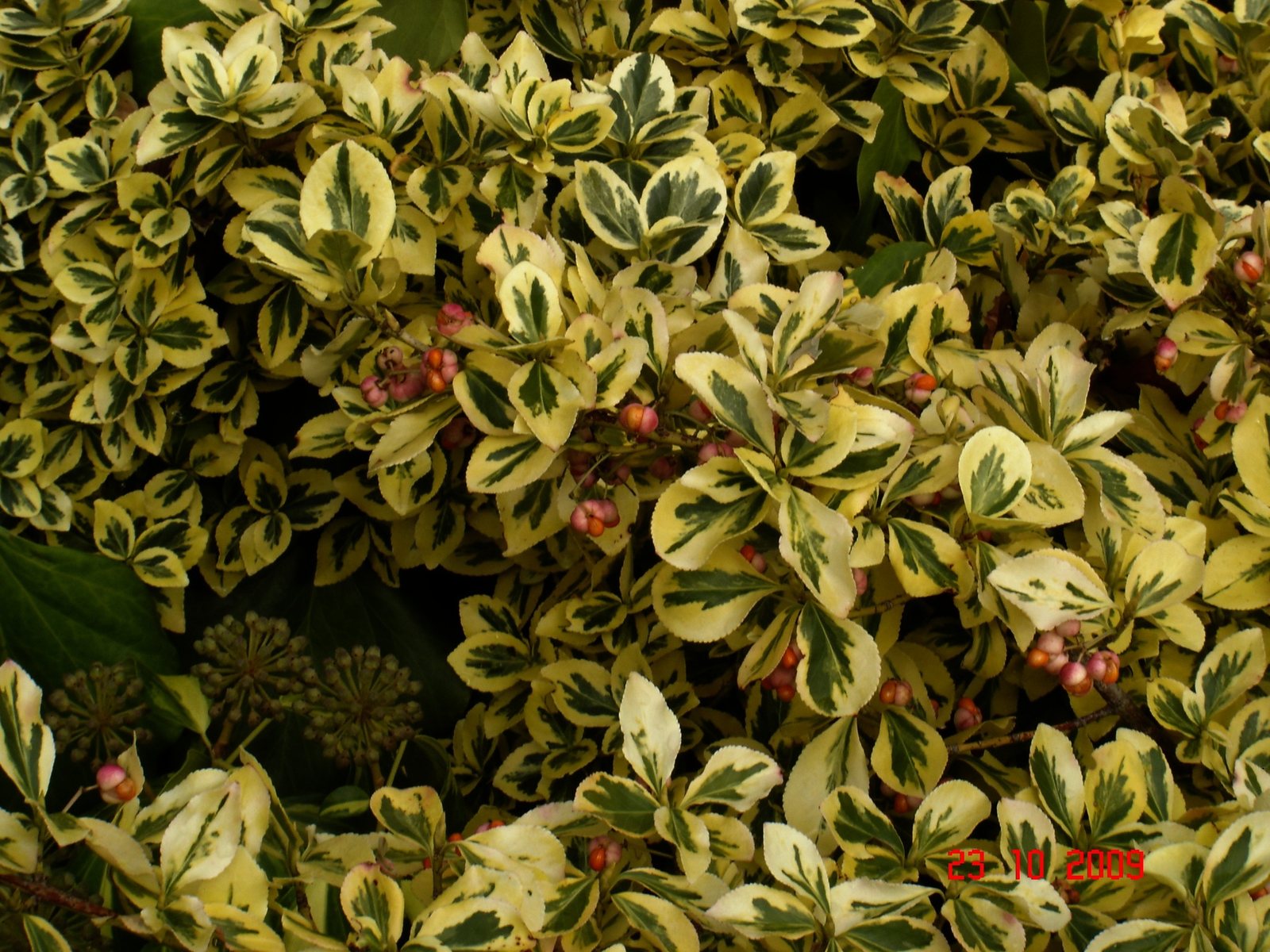
A compact evergreen shrub with small green leaves edged in white, often flushed pink in cold weather. Gardeners grow it for year-round foliage, low hedges and groundcover; stems can root where they touch soil or climb nearby walls and trees. Wintercreeper is invasive in parts of North America, so check local guidance before planting.
At a glance
- Sun
- Full sun to partial shade; tolerates deeper shade but usually becomes less dense. Afternoon shade helps in hot, dry climates.
- Water
- Water regularly during the first growing season. Once established, water during prolonged dry spells; avoid persistently wet soil.
- Soil
- Most well-drained soils, including clay that does not remain waterlogged; tolerates acidic, neutral and alkaline conditions.
- Height
- 2-3 ft (0.6-0.9 m) as a low shrub; can climb 10-20 ft (3-6 m) or more if allowed onto a support
- Spread
- 3-5 ft (0.9-1.5 m), potentially wider as trailing stems root
- Foliage
- Evergreen. Small, opposite, oval green leaves with irregular white margins; white edges often turn pink in winter. Some foliage may drop or scorch in severe cold.
- Growth
- Moderate; rooted trailing stems can gradually form a broad patch.
- Care needed
- Medium
The year at a glance
- Drought tolerant
- Heat tolerant
- Wildlife
- Low allergen
| J | F | M | A | M | J | J | A | S | O | N | D | |
|---|---|---|---|---|---|---|---|---|---|---|---|---|
| Plant |
Northern hemisphere months. In Australia, shift them by six.
- Difficulty
- Moderate
- Toughness
- Very tough
Will it suit your garden?
Pick your zone, country, light and whether you have pets.
Full sun is 6 or more hours of direct sun a day, part shade 3 to 6 hours, shade under 3.
How it grows
Planting day
1.6 ft (0.5 m)
After 1 year
1.8 ft (0.55 m)
After 2 years
2 ft (0.6 m)
After 3 years
2.1 ft (0.65 m)
After 5 years
2.5 ft (0.75 m)
full size
About 5 years to full size.
From a typical nursery size, at an average rate for this kind of plant. A rule of thumb, not a forecast.
Good to know
- Cats and dogs
- Toxic
- Invasive in
- the US
- In the garden
- Spreads vigorously: plan to contain it.
- Growth rate
- Moderate
Care
Jobs through the year
- WaterApr–May, Sep–Nov, every 14 days
- Water established plants only if soil is dry; water young plants more regularly.
- WaterJun–Aug, every 14 days
- Water established plants deeply during prolonged drought; avoid wet soil.
- MulchMar–Apr
- Apply 5–8 cm of mulch, keeping it clear of stems.
- FeedApr
- Feed lightly only if growth is weak or soil is poor.
- PruneMar
- Remove winter damage and renovate overgrown plants above healthy buds.
- PruneMay–Jun
- Trim above leafy shoots to maintain a compact outline.
- PruneApr–Oct, every 30 days
- Remove green reversions at their origin and dig out unwanted rooted runners.
- ProtectJun–Aug, every 30 days
- Inspect stems and leaf undersides for scale; treat infestations promptly.
- Water deeply when the root zone starts to dry during the first growing season.
- Apply 2-3 in (5-8 cm) of mulch, keeping it clear of the main stems.
- Feed lightly in spring only if growth is weak or the soil is poor; avoid heavy nitrogen feeding.
- Remove all-green shoots at their point of origin as soon as they appear.
- Keep stems off trees and inspect bed edges for rooted shoots; lift and remove unwanted growth.
Pruning. Trim in late spring or early summer to maintain a compact outline, cutting just above leafy shoots. Renovate overgrown plants in early spring, and remove reverted green growth completely rather than merely shortening it.
Through the year
- Early spring
- Remove dead or winter-damaged stems once healthy buds are visible; renovate overgrown plants if needed.
- Spring
- Plant into well-drained soil, water thoroughly and mulch around the root zone.
- Late spring
- Trim hedges and compact shrubs after the first flush of growth.
- Summer
- Water during prolonged drought and inspect stems and leaf undersides for scale insects.
- Early autumn
- Remove rooted runners, climbing stems and any all-green shoots.
- Late autumn
- Water before the ground freezes if conditions are dry, especially for plants in containers.
In the garden
- Clip into a low evergreen hedge along paths or around formal beds where wintercreeper is not invasive.
- Use as a white-edged foliage accent beside dark-leaved shrubs and deep green evergreens.
- Grow in a large, well-drained container for year-round structure, checking drainage holes for escaping roots.
- Mass beneath taller shrubs in partial shade to brighten the foreground, while keeping stems away from trunks.
Garden styles it suits: Formal, Traditional, Modern courtyard, Small-space, White garden and Winter interest.
Plant it with: Hellebores, Japanese forest grass, Coral bells, Hardy geraniums, Daffodils and Yew.
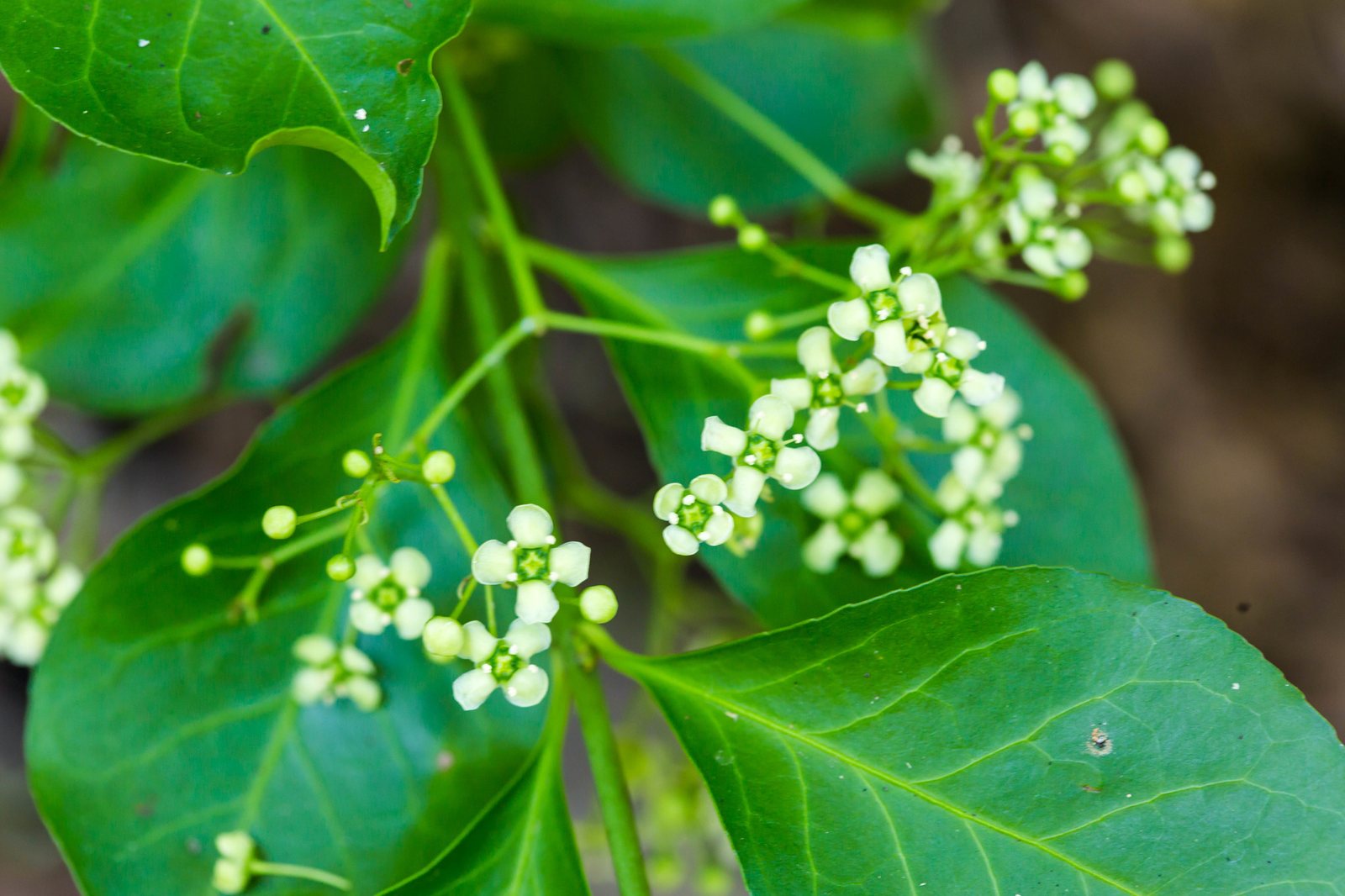
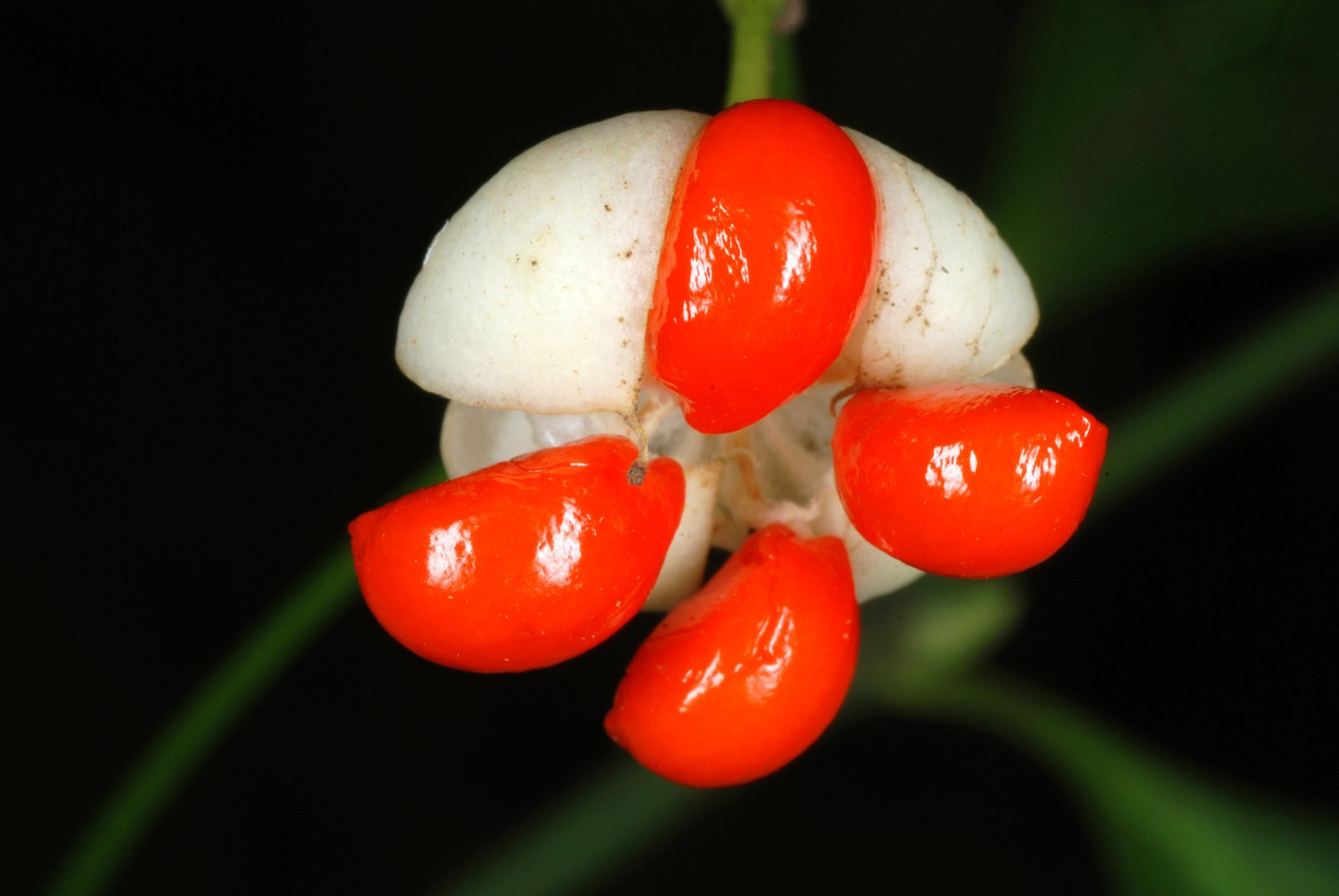
Wildlife: Small flowers, when produced, attract insects, and birds may eat the fruits and disperse the seeds. Dense foliage provides cover, but invasive growth can displace native woodland plants; flowering and fruiting are more likely on mature climbing growth.
Problems to watch for
- Euonymus scale: look for white elongated male scales and brown female scales on stems, with yellowing leaves. Prune out heavily infested growth and use a labelled horticultural oil when appropriate, following temperature restrictions.
- Powdery mildew: improve airflow, avoid overcrowding and remove badly affected shoots; water the soil rather than repeatedly wetting foliage.
- Root rot in waterlogged soil: improve drainage or move the plant to a better-drained position; do not keep watering a wilting plant if its soil is already wet.
- Loss of variegation and spreading stems: cut all-green shoots back to their origin and remove unwanted runners, including their rooted sections.
Safety
Toxic if eaten by people, cats, dogs and horses. Leaves, stems, fruit and seeds should not be eaten; ingestion can cause vomiting, diarrhoea and abdominal pain, and substantial amounts may cause more serious poisoning. Contact a poison service or veterinarian after suspected ingestion.
Where it spreads. Euonymus fortunei spreads aggressively and is listed as invasive in many eastern and central US states, particularly in the Northeast, Midwest and Southeast. It escapes into woodlands, roots along the ground and climbs trees; 'Emerald Gaiety' should not be assumed exempt. It has also escaped cultivation in southern Ontario, Canada.
Easily confused with
Silver Queen wintercreeper (Euonymus fortunei 'Silver Queen')
Usually has larger leaves and a more upright, vigorous habit, with cream-white margins; young growth may be yellowish.
Emerald 'n' Gold euonymus (Euonymus fortunei 'Emerald 'n' Gold')
Has yellow to golden leaf margins rather than the white margins of 'Emerald Gaiety'; both can flush pink in winter.
Variegated Japanese euonymus (Euonymus japonicus 'Silver Queen')
Has larger, thicker, glossier leaves and an upright shrub habit rather than the small-leaved, rooting and potentially climbing stems of wintercreeper.
The name
The species name fortunei honours plant collector Robert Fortune, while 'Emerald Gaiety' refers to the cultivar's bright green-and-white foliage.
Propagation. Take semi-ripe cuttings in summer, or lift rooted trailing shoots in spring or autumn. Propagate only variegated growth to retain the cultivar's appearance, and do not distribute it where wintercreeper is restricted or invasive.
Checked against open data
- Accepted botanical name
- Euonymus fortunei
- In the US and Canada
- Introduced in Canada and the lower 48 states.
- Native range
- Assam, China North-Central, China South-Central, China Southeast, Hainan, Japan, Jawa, Korea, Laos, Lesser Sunda Is., Manchuria and Myanmar.
- Measured
- Soil pH 5 to 7.5. Average height 305 cm.
Sources: GBIF (CC BY 4.0), USDA PLANTS and Trefle (CC BY 4.0). The care and design notes are LandscapeGPT's own.
See it in your own yard.
Upload a photo of your yard and see it redesigned with plants that suit your climate, each checked against your zone.