Emerald Green arborvitae
Thuja occidentalis 'Smaragd'. Family Cupressaceae. Tree.
Also called Emerald arborvitae, Smaragd arborvitae, Smaragd white cedar, Emerald Green thuja.
A narrow, upright evergreen conifer with dense green foliage and a naturally tidy outline. Gardeners grow it for year-round screening, formal hedges and vertical accents without frequent clipping. It performs best in cool to temperate climates with dependable soil moisture, rather than hot, dry gardens.
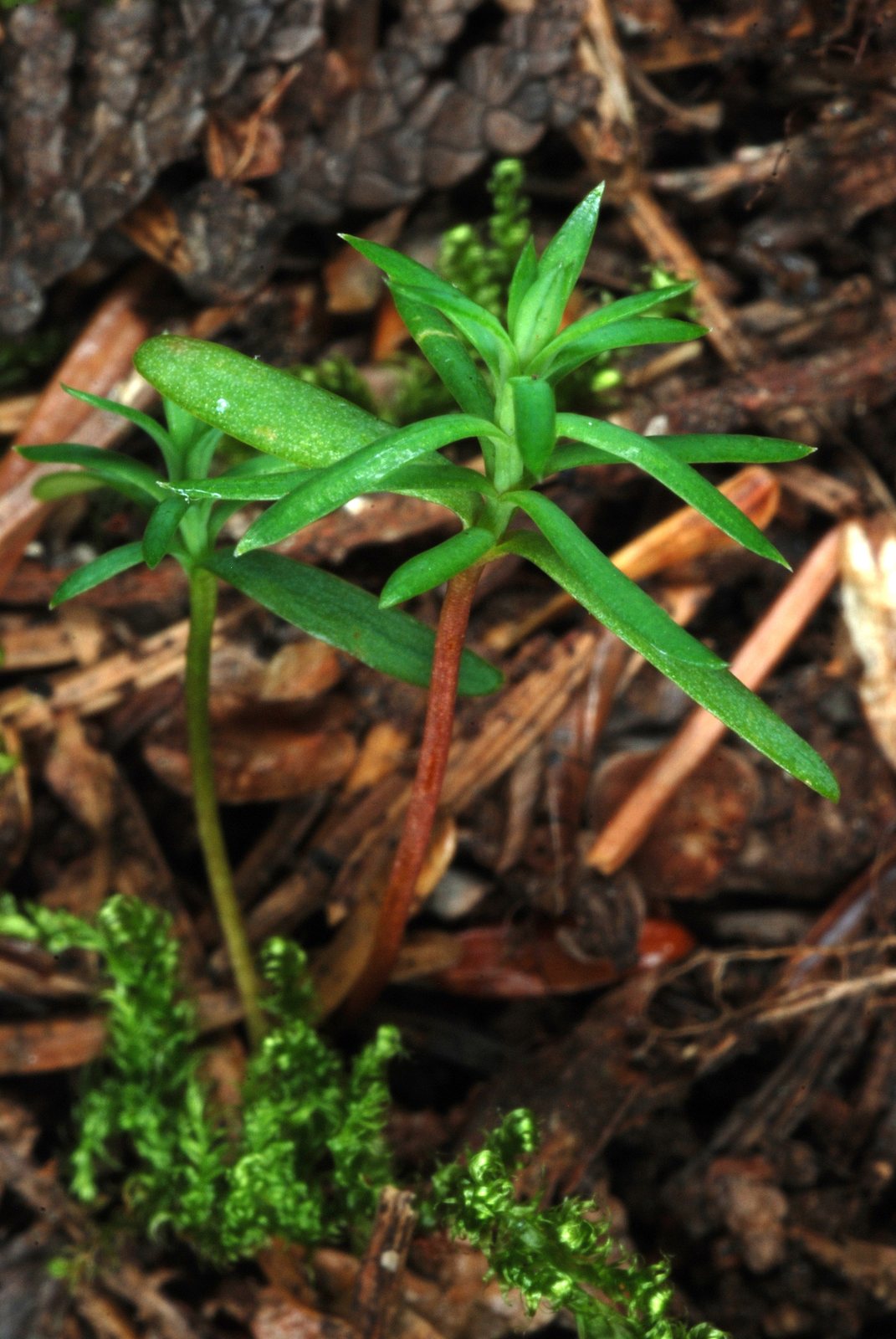
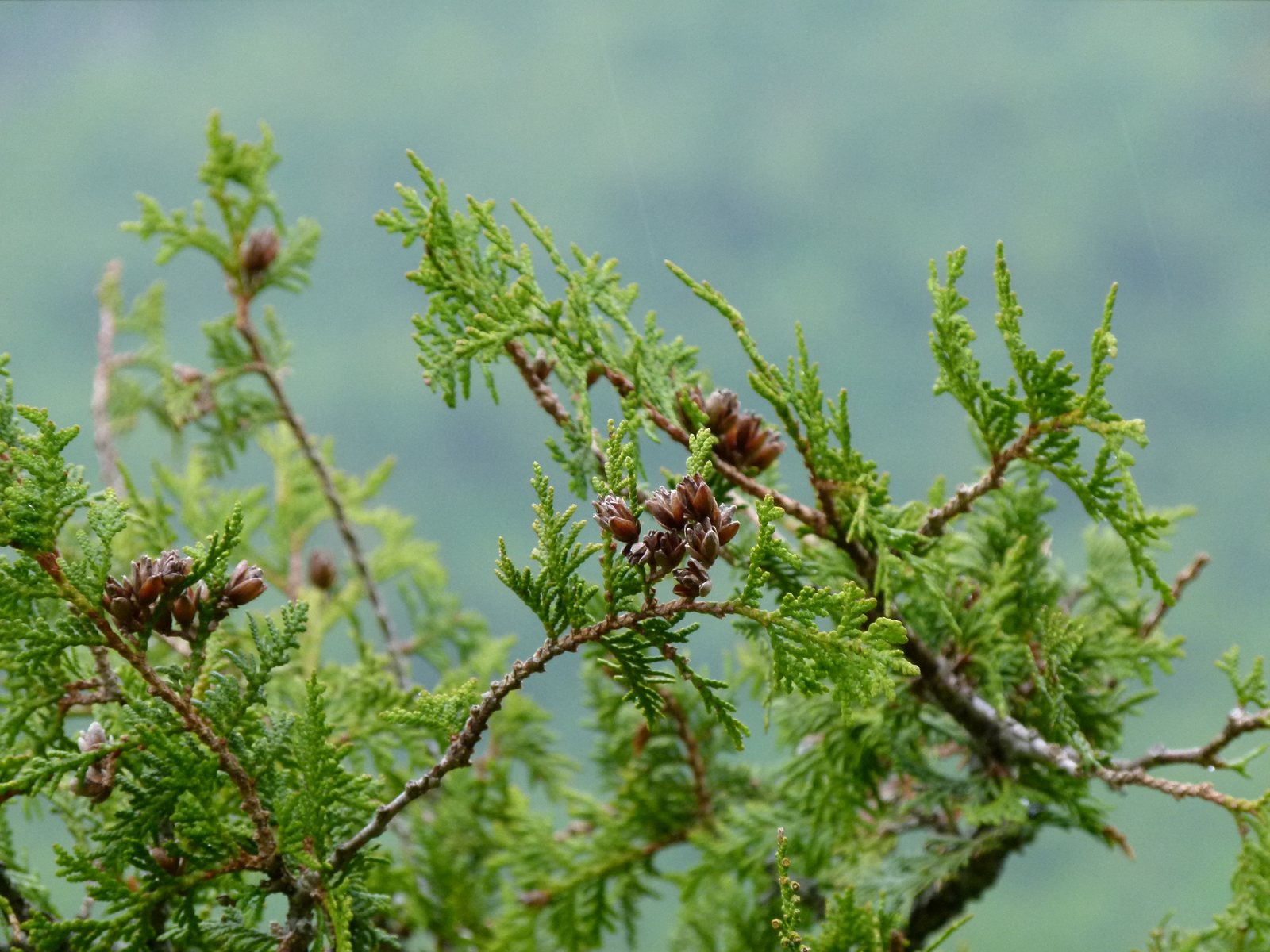
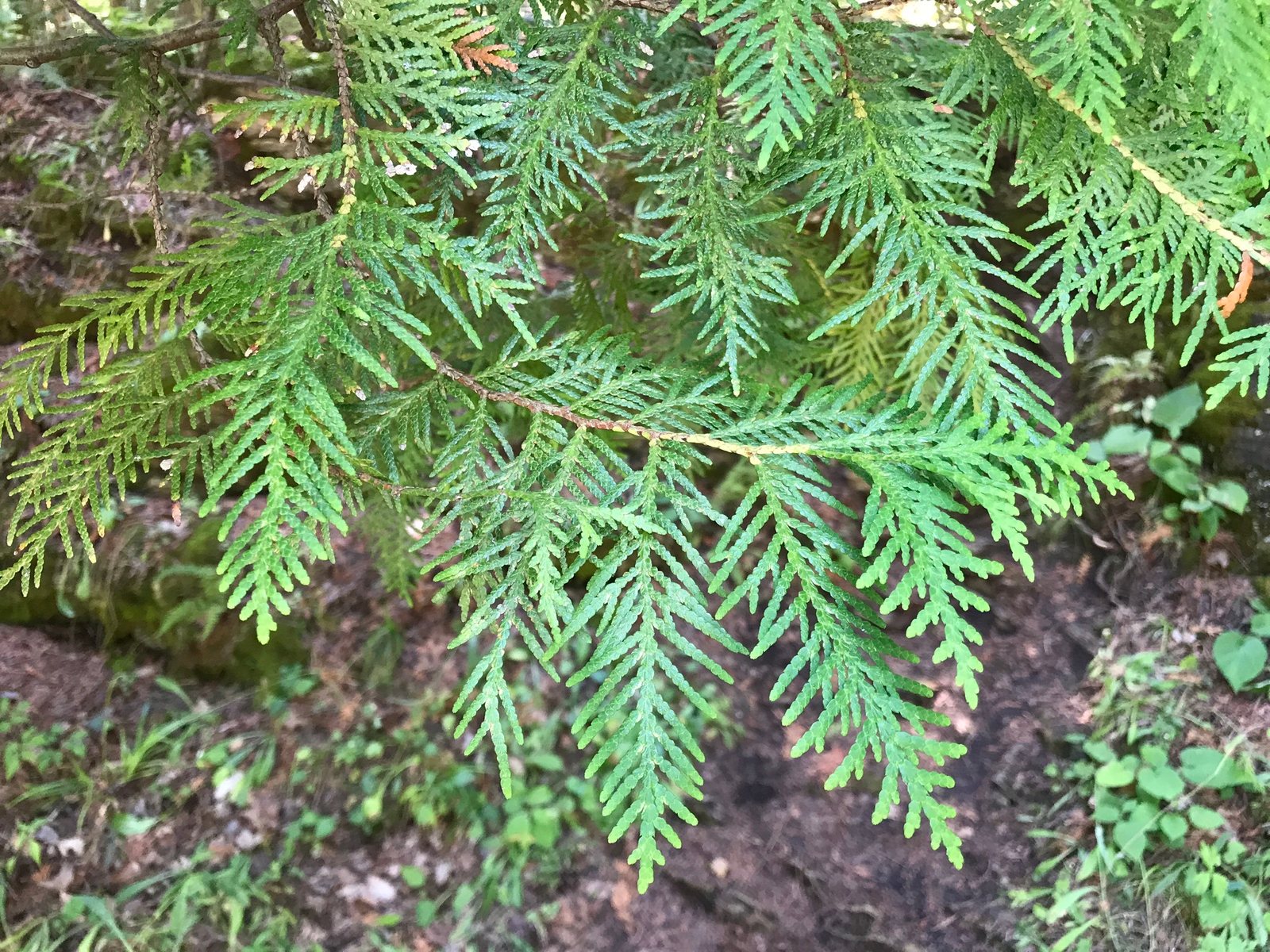
At a glance
- Sun
- Full sun to light partial shade; dense shade produces thin, open growth.
- Water
- Keep the root zone evenly moist but not waterlogged. Established plants still need deep watering during prolonged dry weather.
- Soil
- Moist, well-drained loam is ideal; tolerates clay if drainage is adequate and accepts acidic to alkaline soil.
- Height
- 10-15 ft (3-4.6 m), sometimes reaching 20 ft (6 m) with age
- Spread
- 3-5 ft (0.9-1.5 m)
- Foliage
- Evergreen. Fine, flattened sprays of aromatic, scale-like emerald-green leaves; usually retains its green colour well through winter. Small brown cones may appear.
- Growth
- Slow to moderate, commonly 6-12 in (15-30 cm) a year once established.
- Care needed
- Low
The year at a glance
- Cold hardy
- Wildlife
| J | F | M | A | M | J | J | A | S | O | N | D | |
|---|---|---|---|---|---|---|---|---|---|---|---|---|
| Fruit | ||||||||||||
| Plant |
Northern hemisphere months. In Australia, shift them by six.
- Difficulty
- Easy
- Toughness
- Fairly tough
Will it suit your garden?
Pick your zone, country, light and whether you have pets.
Full sun is 6 or more hours of direct sun a day, part shade 3 to 6 hours, shade under 3.
How it grows
Planting day
7 ft (2 m)
After 1 year
7 ft (2.1 m)
After 2 years
7 ft (2.1 m)
After 3 years
7 ft (2.2 m)
After 5 years
8 ft (2.3 m)
About 26 years to full size.
From a typical nursery size, at an average rate for this kind of plant. A rule of thumb, not a forecast.
Good to know
- Cats and dogs
- Toxic
- Native to
- the US and Canada
- Growth rate
- Slow
Care
Jobs through the year
- WaterMar–May, Sep–Nov, every 14 days
- Water established trees deeply when dry, including before freezing; check new root balls more often for two years.
- WaterJun–Aug, every 7 days
- During dry weather, soak the root zone deeply without leaving soil waterlogged.
- MulchApr, Oct
- Maintain 5–8 cm of organic mulch over roots, keeping the trunk and root flare clear.
- FeedApr
- Feed lightly only for weak growth or a soil-test deficiency; avoid late-season nitrogen.
- PruneMay–Jun
- Trim only if shaping is needed; stay in green growth and keep the base wider than the top.
- ProtectMay–Aug, every 14 days
- Check for bagworms and spider mites; remove bags and treat confirmed infestations if necessary.
- ProtectJan–Mar, Nov–Dec
- Maintain deer guards, shelter young trees from wind and gently brush off loose heavy snow.
- Plant with the root flare at soil level; leave enough room for the mature width rather than crowding plants for instant screening.
- Water deeply during the first two growing seasons, checking the original root ball as well as the surrounding soil for dryness.
- Spread 2-3 in (5-8 cm) of organic mulch over the root zone, keeping it clear of the trunk.
- Feed lightly in spring only if growth is weak or a soil test shows a deficiency; avoid late-season nitrogen.
- Water before the ground freezes if autumn has been dry, and shelter young plants from drying winter winds.
- Gently brush off loose, heavy snow; do not strike frozen branches or pull ice from them.
Pruning. Lightly trim in late spring or early summer if you need a more formal outline, keeping the base wider than the top. Stay within green growth because bare old wood rarely fills in; remove dead or broken branches when noticed.
Through the year
- Spring
- Plant while the soil is workable and moist; water thoroughly and mulch.
- Mid-spring
- Check for winter damage and remove dead shoots; feed only if needed.
- Late spring
- Lightly trim hedges and check for young bagworms where this pest occurs.
- Summer
- Check soil moisture during dry spells and inspect foliage for spider-mite stippling.
- Autumn
- Water deeply during dry weather and renew mulch without burying the trunk base.
- Winter
- Check deer protection and gently remove loose snow that is weighing branches down.
In the garden
- Plant a row along a boundary for a narrow evergreen screen, allowing space for its mature width.
- Use matching specimens beside an entrance or path for a formal, symmetrical frame.
- Set behind flowering shrubs and perennials to provide a steady green backdrop through winter.
- Repeat upright specimens through a border to contrast with rounded shrubs and low groundcovers.
Garden styles it suits: Formal, Traditional, Architectural minimal, English country, Green on green and Winter interest.
Plant it with: Panicle hydrangea, Hosta, Coral bells, Japanese forest grass, Catmint and Siberian iris.
Wildlife: Dense foliage provides shelter and nesting cover for small birds. Deer browse it readily, and its small seeds may be eaten by birds.
Problems to watch for
- Bagworms, especially in parts of the United States: pick off and destroy bags before eggs hatch; treat young, actively feeding larvae with a locally approved product if necessary.
- Spider mites: fine stippling and bronzing are most likely in hot, dry conditions. Maintain soil moisture, rinse foliage and use an approved mite treatment only if an active infestation persists.
- Root rot and browning in saturated soil: improve drainage and avoid frequent shallow watering; badly affected plants may need replacement in a better-drained position.
- Deer browsing: foliage can be stripped beyond recovery. Use a suitable deer fence or individual guards; repellents need repeated application and are less dependable.
Safety
Do not allow people, cats, dogs or horses to eat the foliage, young twigs or cones. They contain aromatic oils, including thujone, that can cause digestive upset; substantial ingestion or concentrated cedar-leaf oil can cause serious poisoning. Normal garden handling is generally low risk, though the sap can irritate sensitive skin.
Easily confused with
Green Giant arborvitae (Thuja standishii × Thuja plicata 'Green Giant')
Grows much faster and becomes a substantially taller, broader tree, with coarser foliage sprays and a less compact outline.
Brabant arborvitae (Thuja occidentalis 'Brabant')
Usually grows faster and forms a broader, looser hedge; its foliage is generally lighter green and can bronze more noticeably in winter.
Italian cypress (Cupressus sempervirens)
Has more three-dimensional, rope-like foliage shoots rather than flat fan-shaped sprays, and round woody cones rather than small elongated cones.
The name
'Smaragd' means emerald in German, referring to the foliage colour; arborvitae comes from Latin for 'tree of life'.
Propagation. Root semi-ripe cuttings in late summer under humid conditions in a free-draining medium. Use cuttings to preserve the cultivar; seedlings will not reliably match its shape or foliage.
Checked against open data
- Accepted botanical name
- Thuja occidentalis
- In the US and Canada
- Native in Canada and the lower 48 states.
- Native range
- Connecticut, Illinois, Indiana, Kentucky, Maine, Manitoba, Maryland, Masachusettes, Michigan, Minnesota, New Brunswick and New Hampshire.
- Measured
- Soil pH 5.2 to 7. Average height 1460 cm.
Sources: GBIF (CC BY 4.0), USDA PLANTS and Trefle (CC BY 4.0). The care and design notes are LandscapeGPT's own.
See it in your own yard.
Upload a photo of your yard and see it redesigned with plants that suit your climate, each checked against your zone.