Emperor I Japanese maple
Acer palmatum 'Emperor I'. Family Sapindaceae. Tree.
Also called Emperor 1 Japanese maple, Acer palmatum 'Wolff'.
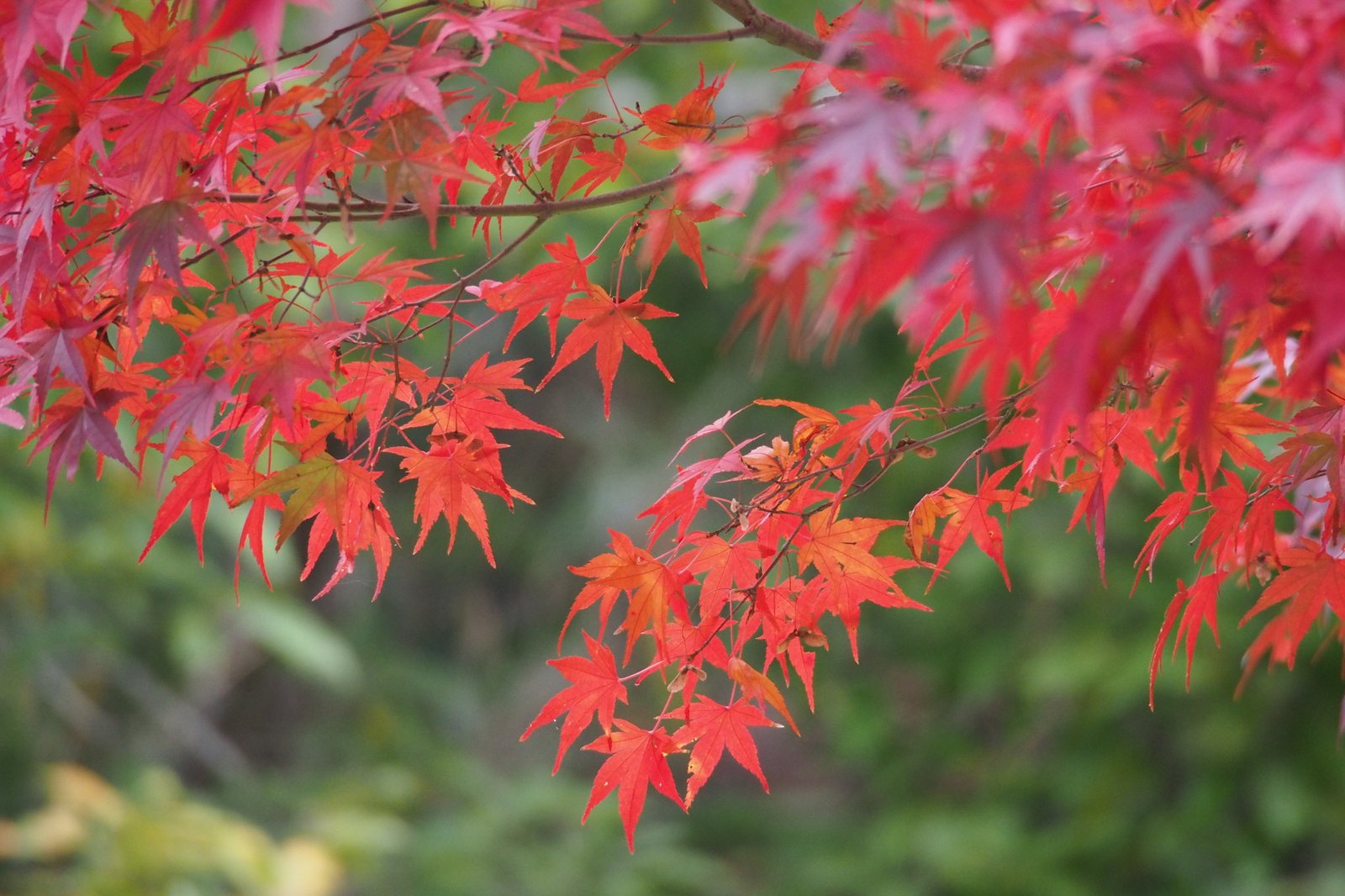
An upright, deciduous Japanese maple grown for its deep burgundy leaves, branching silhouette and bright red autumn colour. It leafs out later than many Japanese maples, which can help it avoid late spring frost, although newly opened leaves still need protection.
At a glance
- Sun
- Morning sun and afternoon shade are safest, especially in hot climates. Full sun is suitable in cooler areas where the soil stays evenly moist; shelter from drying winds.
- Water
- Keep the root zone evenly moist but not waterlogged. Water deeply during dry spells, particularly for the first two or three growing seasons and whenever grown in a container.
- Soil
- Moist, well-drained soil rich in organic matter, preferably slightly acidic to neutral. Avoid waterlogged ground, heavily compacted soil and very alkaline conditions.
- Height
- 15-20 ft (4.6-6.1 m), occasionally taller with age
- Spread
- 12-20 ft (3.7-6.1 m)
- Foliage
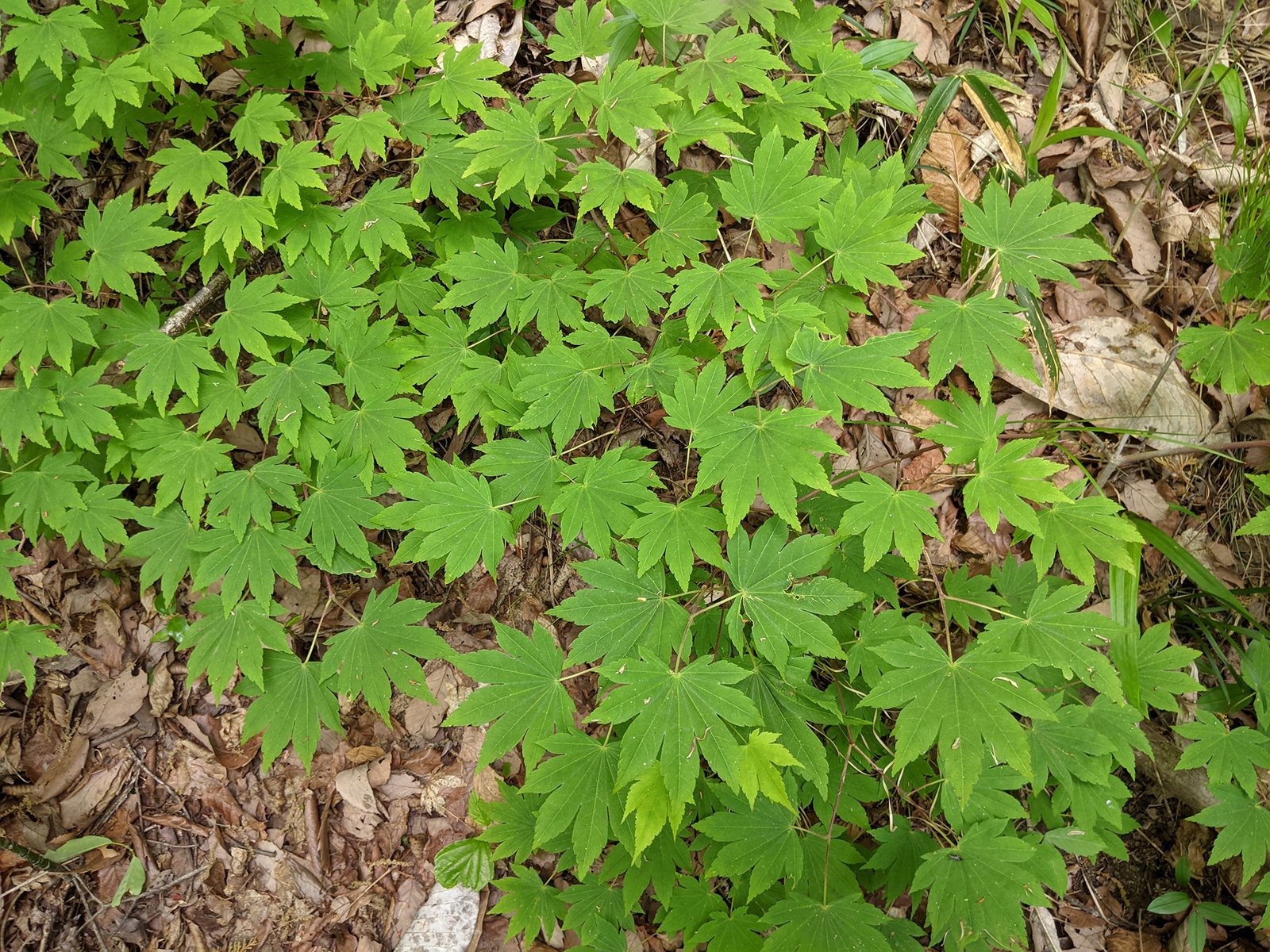
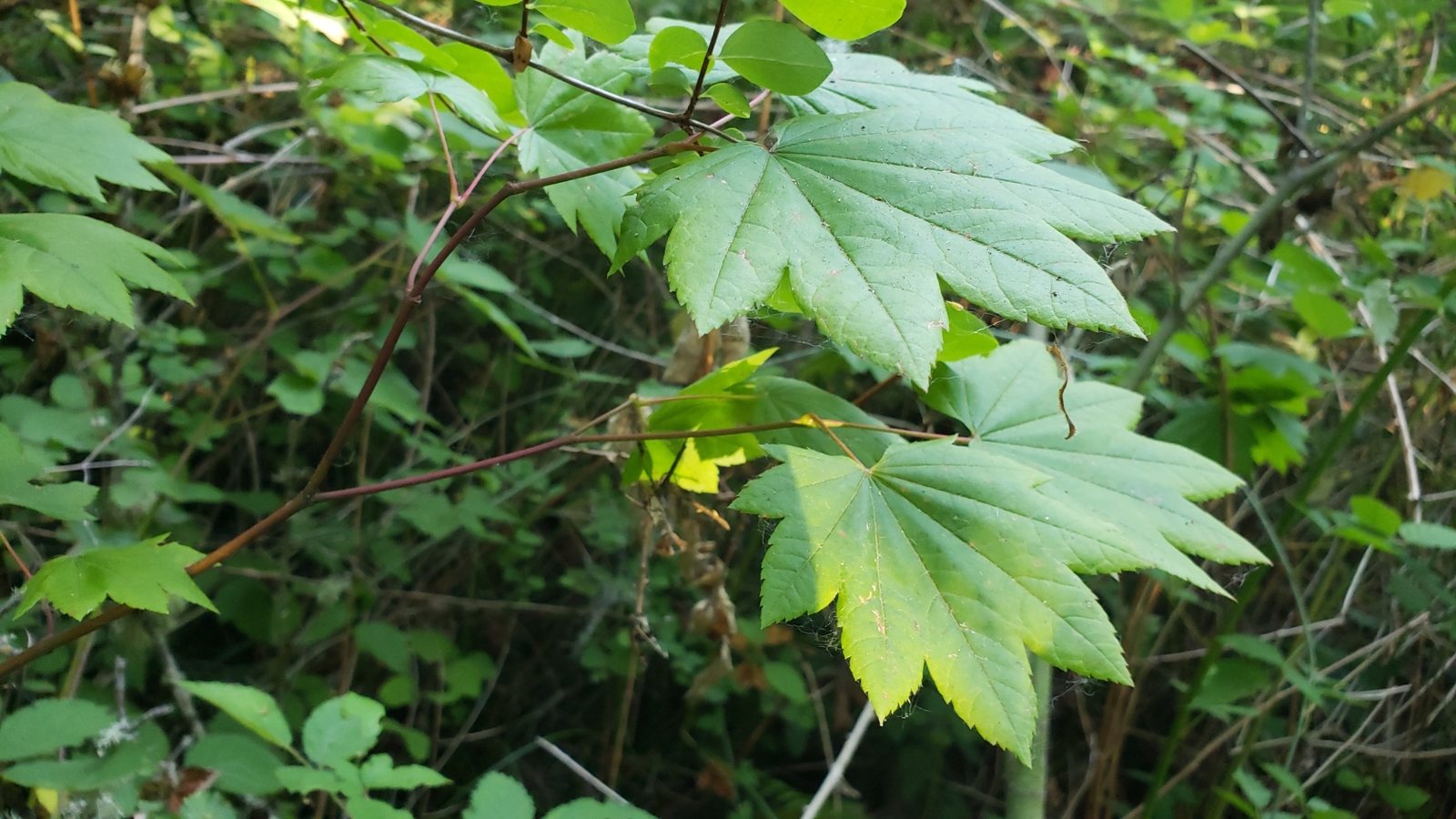
- Finely pointed, deeply lobed leaves emerge red-purple, remain burgundy through much of summer and turn scarlet to crimson in autumn. Colour can become greener in deep shade.
- Growth
- Moderate when young, slowing with age; growth depends strongly on moisture, climate and soil.
- Care needed
- Medium
The year at a glance
- Wildlife
| J | F | M | A | M | J | J | A | S | O | N | D | |
|---|---|---|---|---|---|---|---|---|---|---|---|---|
| Fruit | ||||||||||||
| Plant |
Northern hemisphere months. In Australia, shift them by six.
- Difficulty
- Moderate
- Toughness
- Fairly tough
Will it suit your garden?
Pick your zone, country, light and whether you have pets.
Full sun is 6 or more hours of direct sun a day, part shade 3 to 6 hours, shade under 3.
How it grows
Planting day
7 ft (2 m)
After 1 year
7 ft (2.1 m)
After 2 years
7 ft (2.3 m)
After 3 years
8 ft (2.4 m)
After 5 years
9 ft (2.6 m)
About 26 years to full size.
From a typical nursery size, at an average rate for this kind of plant. A rule of thumb, not a forecast.
Good to know
- Cats and dogs
- Safe
- Invasive in
- the US
- Growth rate
- Slow
Care
Jobs through the year
- WaterApr–May, Sep–Oct, every 14 days
- Water established in-ground trees deeply if soil is drying; young trees need more frequent checks.
- WaterJun–Aug, every 7 days
- Water deeply during dry spells; give extra attention during the first three years.
- FeedMar–Apr
- Feed lightly only if growth is weak or a soil test identifies a deficiency.
- MulchMar–Apr
- Maintain 5–8 cm of organic mulch over the roots, keeping it clear of the trunk.
- PruneJul–Aug
- Remove small crossing or badly placed branches lightly; avoid heavy cutting and spring pruning.
- ProtectMar–May
- Cover emerging foliage with fleece when late frost is forecast.
- ProtectJan–Feb, Nov–Dec
- If container-grown, insulate the pot against prolonged hard freezing and keep roots slightly moist.
- Plant with the root flare at soil level and any graft union above the soil.
- Water deeply when the upper soil begins to dry; do not leave the roots standing in water.
- Apply 2-3 in (5-8 cm) of organic mulch over the root zone, keeping it clear of the trunk.
- Feed lightly in spring only if growth is weak or a soil test indicates a need; avoid heavy nitrogen feeding.
- Protect young leaves from late frost and shelter the tree from hot, drying winds.
- For container plants, use a free-draining potting mix and protect the pot from prolonged hard freezing.
Pruning. Prune lightly in midsummer, removing crossing or badly placed small branches while preserving the natural framework; remove dead or damaged wood whenever necessary. Avoid heavy cutting and spring pruning, when cuts can bleed sap.
Through the year
- Autumn
- Plant while the soil is workable and moist, or wait until spring in areas with severe winters.
- Late winter
- Check for damaged branches and make sure ties, guards and mulch are not rubbing or covering the trunk.
- Spring
- Refresh mulch, check soil moisture and protect emerging leaves if a late frost is forecast.
- Early summer
- Check leaf undersides for aphids and inspect foliage for scorch during hot or windy weather.
- Midsummer
- Carry out any light corrective pruning and water deeply during dry spells.
- Winter
- Insulate container roots in cold regions and keep the potting mix slightly moist rather than completely dry.
In the garden
- Use as a specimen beside a patio or seating area where its leaf shape and autumn colour can be seen closely.
- Place against green shrubs or a pale wall to make the burgundy foliage stand out.
- Combine with ferns, hostas and sedges in a sheltered woodland-edge planting.
- Use as a small canopy tree in a Japanese-style courtyard, allowing room for its mature spread.
- Grow in a large container for several years, with regular watering and eventual repotting or planting out.
Garden styles it suits: Japanese, Japandi, Woodland, Modern courtyard, Autumn colour and Pacific Northwest woodland.
Plant it with: Hostas, Japanese painted ferns, Japanese forest grass, Epimediums, Camellias and Rhododendrons.
Wildlife: Small spring flowers provide some food for visiting insects, and the branches offer perching and shelter for small birds. It generally supports fewer native specialist insects than locally native maples.
Problems to watch for
- Leaf scorch: brown edges usually follow drought, hot afternoon sun or drying wind. Improve watering, mulch the root zone and provide afternoon shade where needed.
- Verticillium wilt: sudden wilting or branch dieback can indicate this soilborne disease, though other root problems look similar. Seek a diagnosis, remove dead wood and avoid replanting susceptible trees in confirmed infected soil.
- Root rot: persistent wet soil can cause decline and dieback. Correct drainage and avoid overwatering; badly affected trees may need removal.
- Aphids and scale insects: inspect shoots and leaf undersides for insects, sticky honeydew or sooty mould. Wash off aphids and use a labelled horticultural oil for persistent scale, avoiding hot weather.
Safety
Japanese maple is not known to be toxic to cats, dogs, horses or people; no part is recognised as a serious poisoning hazard. Do not confuse it with red maple (Acer rubrum), whose wilted or dried leaves can be deadly to horses.
Where it spreads. Japanese maple can self-seed and escape into woodland in parts of the northeastern and mid-Atlantic United States. This cultivar is not necessarily sterile; remove unwanted seedlings near natural areas and check local invasive-plant guidance.
Easily confused with
Bloodgood Japanese maple (Acer palmatum 'Bloodgood')
Very similar upright habit and burgundy leaves. Emperor I usually opens its leaves later in spring, but appearance overlaps enough that a reliable nursery label is the best identification.
Red-leaved Japanese maple (Acer palmatum Atropurpureum Group)
Seed-grown red-leaved maples vary widely and may become noticeably greener in summer. Emperor I is a selected clone with more consistent burgundy foliage, but colour alone does not prove its identity.
Crimson Queen Japanese maple (Acer palmatum 'Crimson Queen')
Has finely dissected, lace-like leaves and a low, cascading habit, unlike Emperor I's broader lobed leaves and upright crown.
The name
The species name palmatum refers to the hand-like shape of the leaves, with lobes spreading like fingers from a palm.
Propagation. Usually propagated by grafting onto Japanese maple seedling rootstock. Seedlings do not reliably retain Emperor I's colour, form or leafing time; buy a correctly labelled grafted tree for a predictable result.
Checked against open data
- Accepted botanical name
- Acer palmatum
- In the US and Canada
- Introduced in Canada and the lower 48 states.
- Native range
- Japan and Korea.
- Measured
- Soil pH 6.5 to 7. Average height 700 cm.
Sources: GBIF (CC BY 4.0), USDA PLANTS and Trefle (CC BY 4.0). The care and design notes are LandscapeGPT's own.
See it in your own yard.
Upload a photo of your yard and see it redesigned with plants that suit your climate, each checked against your zone.