Encore Autumn Amethyst azalea
Rhododendron 'Conlee'. Family Ericaceae. Shrub.
Also called Rhododendron 'Conlee', Autumn Amethyst reblooming azalea.
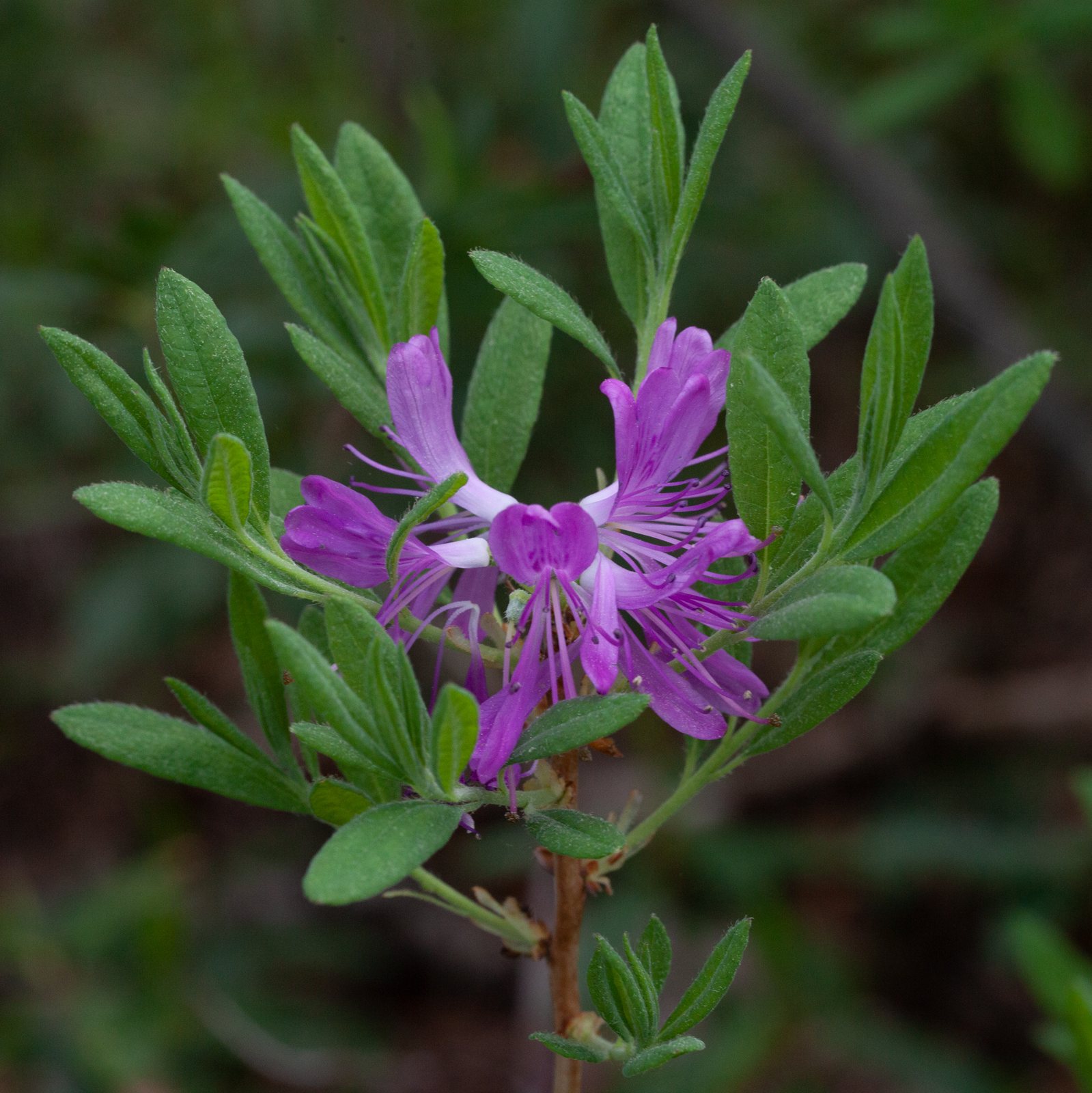
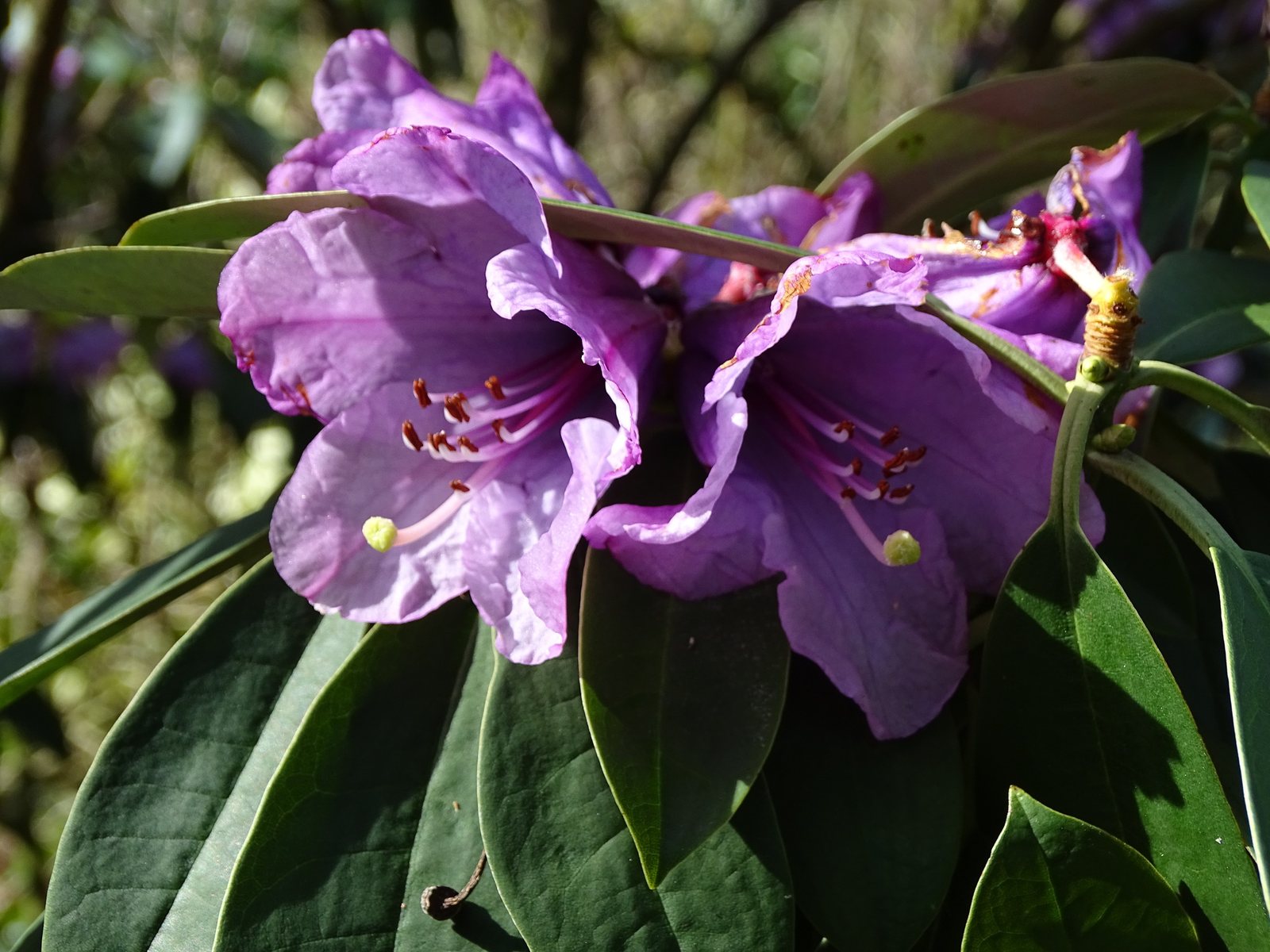
A compact evergreen azalea grown for purple flowers in spring and repeat flowering later in the growing season. Its foliage often turns bronze-purple in cold weather, adding winter interest; repeat flowering is usually strongest where summers are warm and long.
At a glance
- Sun
- Sun to partial shade; aim for 4-6 hours of direct light, preferably morning sun with afternoon shade in hot climates.
- Water
- Keep the root zone evenly moist but never waterlogged. Water during dry spells, including winter dry spells when the ground is not frozen.
- Soil
- Acidic, humus-rich, well-drained soil, ideally pH 4.5-6.0. Unsuitable for chalky soil unless grown in a container of ericaceous compost.
- Height
- 4 ft (1.2 m)
- Spread
- 4 ft (1.2 m)
- Flowers
- Single purple flowers in spring, followed by intermittent summer and autumn flowers; later flowering varies with climate and growing conditions.
- Foliage
- Evergreen. Small, leathery green leaves, often developing bronze-purple tones in winter.
- Growth
- Moderate
- Care needed
- Medium
The year at a glance
- Pollinators
- Heat tolerant
- Wildlife
- Low allergen
| J | F | M | A | M | J | J | A | S | O | N | D | |
|---|---|---|---|---|---|---|---|---|---|---|---|---|
| Flowers | ||||||||||||
| Plant |
Northern hemisphere months. In Australia, shift them by six.
- Difficulty
- Moderate
- Toughness
- Fairly tough
Will it suit your garden?
Pick your zone, country, light and whether you have pets.
Full sun is 6 or more hours of direct sun a day, part shade 3 to 6 hours, shade under 3.
How it grows
Planting day
1.6 ft (0.5 m)
After 1 year
2.1 ft (0.64 m)
After 2 years
2.6 ft (0.78 m)
After 3 years
3 ft (0.92 m)
After 5 years
4 ft (1.2 m)
full size
About 5 years to full size.
From a typical nursery size, at an average rate for this kind of plant. A rule of thumb, not a forecast.
Good to know
- Cats and dogs
- Toxic
- Growth rate
- Moderate
Care
Jobs through the year
- WaterMar–May, Sep–Oct, every 7 days
- Water established shrubs when the upper soil begins drying; check new root balls more often.
- WaterJun–Aug, every 4 days
- Water deeply during dry weather, preferably with rainwater; keep roots moist, not saturated.
- WaterJan–Feb, Nov–Dec, every 14 days
- Check moisture and water only during dry spells when the ground is unfrozen.
- FeedApr
- Feed lightly with azalea fertiliser only if growth is weak; avoid late nitrogen.
- MulchMar–Apr
- Refresh 5-8 cm of pine bark or leaf mould, keeping stems clear.
- PruneMay–Jun
- Lightly shape only immediately after the spring flush; later pruning reduces repeat flowers.
- ProtectJan–Mar, Nov–Dec
- Shelter from drying winter winds and insulate container roots against prolonged freezing.
- Plant with the top of the root ball level with, or slightly above, the surrounding soil.
- Water deeply when the upper soil begins to dry; do not let a newly planted root ball dry out.
- Apply 2-3 in (5-8 cm) of pine bark or leaf mould, keeping mulch clear of the stems.
- Feed lightly in spring with an azalea fertiliser if growth is weak; avoid heavy feeding and late-season nitrogen.
- Choose a sheltered position away from drying winter winds, especially near the cold end of its range.
Pruning. Prune lightly immediately after the main spring flush, shortening stray shoots rather than shearing the whole shrub. Remove dead or damaged wood whenever needed; later pruning can reduce repeat flowering.
Through the year
- Early spring
- Check winter damage and remove dead shoots once healthy growth is visible.
- Spring
- Plant when soil is workable, refresh mulch and feed lightly if needed.
- Late spring
- After the main flowering flush, lightly shape the shrub only if necessary.
- Summer
- Water during dry spells and inspect leaf undersides if foliage becomes pale or stippled.
- Autumn
- Keep the soil moist during repeat flowering and avoid pruning or nitrogen-rich feeding.
- Winter
- Check container plants for drying out and protect their roots from prolonged freezing.
In the garden
- Plant in small groups along an acidic woodland edge for spring colour and scattered later flowers.
- Use as a low, informal foundation shrub, leaving enough room for its mature width.
- Combine with ferns and shade-tolerant perennials to contrast rounded evergreen foliage with softer textures.
- Grow in a large, well-drained container of ericaceous compost where garden soil is alkaline.
Garden styles it suits: Woodland, Traditional, Southern, Cottage garden, Japanese and Modern courtyard.
Plant it with: Japanese pieris, Camellias, Japanese maples, Hostas, Japanese painted ferns and Hakone grass.
Wildlife: Flowers may attract bees and other pollinating insects. Dense evergreen branches provide some shelter for small birds.
Problems to watch for
- Azalea lace bugs cause pale stippling and dark specks beneath leaves. Reduce drought stress, inspect leaf undersides and use insecticidal soap where labelled, thoroughly covering young bugs.
- Root rot causes wilting and dieback in wet soil. Improve drainage before planting, avoid deep planting and replace severely affected plants rather than repeatedly watering them.
- Yellow leaves with green veins often indicate iron deficiency from alkaline soil. Check soil pH and move to suitable acidic soil or an ericaceous container; chelated iron may provide temporary relief.
- Sparse repeat flowering can result from deep shade, late pruning or a cool, short growing season. Provide more morning sun, prune only after spring flowering and expect fewer later blooms in cool climates.
Safety
Toxic to people, cats, dogs and horses. All parts, including leaves, flowers and nectar, contain grayanotoxins; swallowing them can cause vomiting, weakness, dangerous heart disturbances and potentially fatal poisoning. Seek urgent medical or veterinary advice after ingestion.
Easily confused with
Encore Autumn Twist azalea (Rhododendron 'Conlep')
Flowers are usually pale with purple stripes or sectors, although some may be solid purple; Autumn Amethyst normally has consistently purple flowers.
Encore Autumn Lilac azalea (Rhododendron 'Robles')
Has paler lavender flowers with conspicuously ruffled edges and darker spotting; Autumn Amethyst has deeper purple, less ruffled flowers.
The name
Rhododendron comes from Greek words meaning 'rose tree', while Autumn Amethyst refers to the purple flowers and autumn repeat bloom.
Propagation. Root semi-ripe cuttings in summer in an acidic, free-draining medium under humid conditions. Layering low branches is another option; seedlings will not reliably retain the cultivar's characteristics.
Checked against open data
- Accepted botanical name
- Rhododendron
Sources: GBIF (CC BY 4.0). The care and design notes are LandscapeGPT's own.
See it in your own yard.
Upload a photo of your yard and see it redesigned with plants that suit your climate, each checked against your zone.