Encore Autumn Embers azalea
Rhododendron 'Conleb'. Family Ericaceae. Shrub.
Also called Rhododendron 'Conleb', Autumn Embers reblooming azalea.
A compact evergreen azalea with orange-red, semi-double flowers in spring and repeat flowering in summer and autumn. It suits small borders and containers where the soil is acidic and well drained; repeat flowering is strongest with adequate light, moisture and a long growing season.
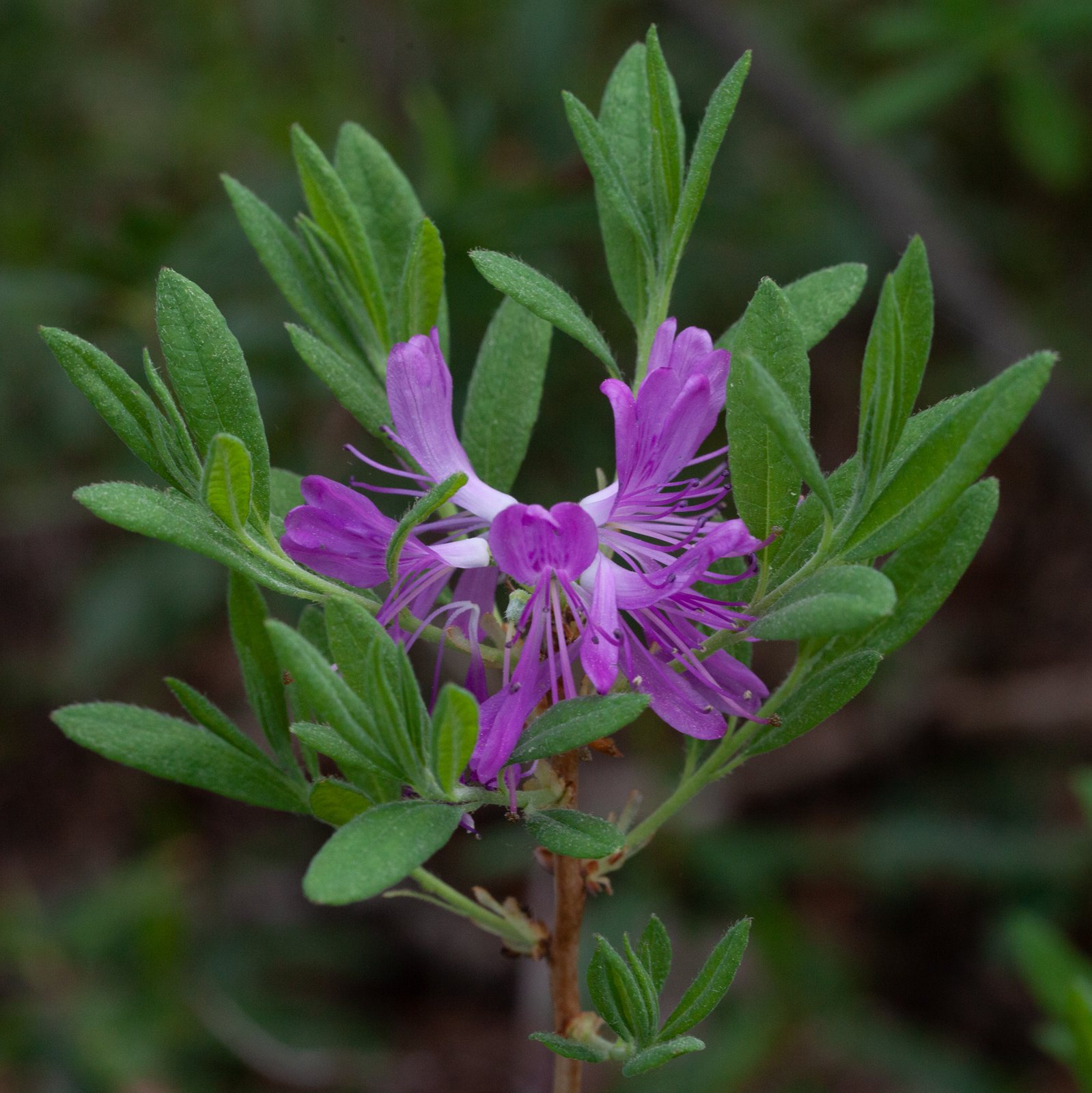
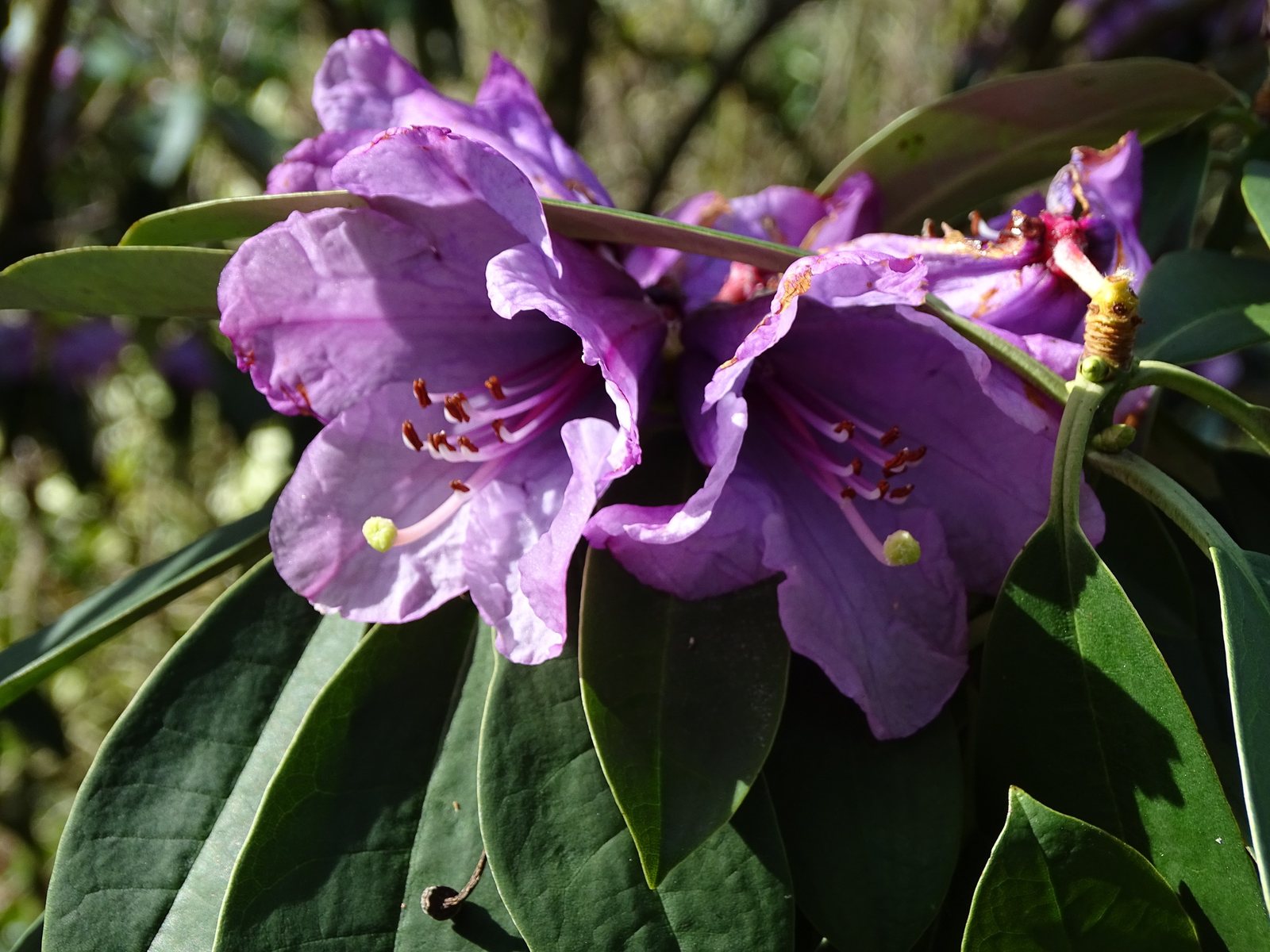
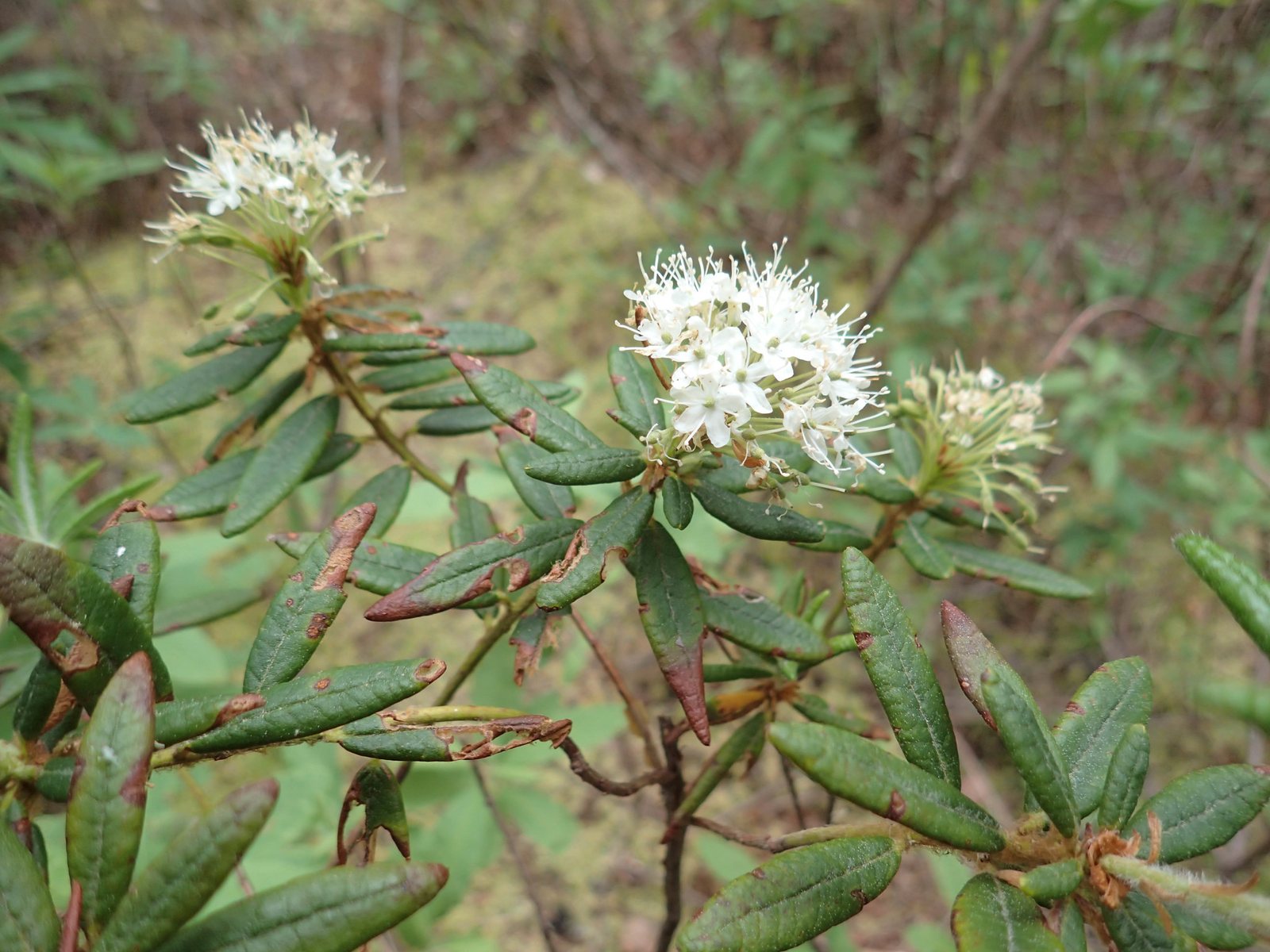
At a glance
- Sun
- Sun to partial shade; aim for 4-6 hours of direct light, preferably morning sun. Provide afternoon shade in hot climates and shelter from drying winds.
- Water
- Keep the shallow root zone evenly moist but not saturated. Water during dry spells, especially in the first two growing seasons and in containers.
- Soil
- Acidic, humus-rich, well-drained soil, ideally pH 4.5-6.0. Use ericaceous potting compost in containers where garden soil is alkaline.
- Height
- 3 ft (0.9 m)
- Spread
- 3-3.5 ft (0.9-1.1 m)
- Flowers
- Orange-red, semi-double flowers in spring, with further flushes in summer and autumn; later flowering varies with climate and growing conditions.
- Foliage
- Small, dark green evergreen leaves on a dense, rounded shrub; some winter bronzing or older-leaf shedding can occur in cold weather.
- Growth
- Slow to moderate
- Care needed
- Medium
The year at a glance
- Pollinators
- Heat tolerant
- Wildlife
- Low allergen
| J | F | M | A | M | J | J | A | S | O | N | D | |
|---|---|---|---|---|---|---|---|---|---|---|---|---|
| Flowers | ||||||||||||
| Plant |
Northern hemisphere months. In Australia, shift them by six.
- Difficulty
- Moderate
- Toughness
- Fairly tough
Will it suit your garden?
Pick your zone, country, light and whether you have pets.
Full sun is 6 or more hours of direct sun a day, part shade 3 to 6 hours, shade under 3.
How it grows
Planting day
1.6 ft (0.5 m)
After 1 year
1.8 ft (0.56 m)
After 2 years
2 ft (0.62 m)
After 3 years
2.2 ft (0.68 m)
After 5 years
2.7 ft (0.81 m)
About 7 years to full size.
From a typical nursery size, at an average rate for this kind of plant. A rule of thumb, not a forecast.
Good to know
- Cats and dogs
- Toxic
- Growth rate
- Slow
Care
Jobs through the year
- WaterMar–May, Sep–Oct, every 7 days
- Water established shrubs when the upper soil begins drying; check new plants more often for two years.
- WaterJun–Aug, every 7 days
- Water deeply during dry spells without saturating roots; increase checks in heat.
- FeedMar–Apr
- Apply a light azalea fertiliser as growth begins; avoid late-season nitrogen.
- PruneMay–Jun
- Lightly shorten wayward shoots immediately after the main spring flush, only if shaping is needed.
- MulchMar–Apr, Oct
- Maintain 5–8 cm of pine bark or leaf mould without covering the crown or stems.
- ProtectJun–Sep, every 14 days
- Inspect stippled foliage for lace bugs beneath the leaves and treat confirmed infestations if needed.
- ProtectJan–Feb, Nov–Dec
- Shelter from cold, drying winds and insulate container roots against prolonged freezing.
- Plant with the top of the root ball level with, or slightly above, the surrounding soil; do not bury the crown.
- Water deeply when the upper soil begins to dry, keeping the root ball moist without leaving it waterlogged.
- Mulch with 2-3 in (5-8 cm) of pine bark or leaf mould, keeping mulch clear of the stems.
- Feed lightly in spring with an azalea or rhododendron fertiliser, following the label; avoid late-season nitrogen feeding.
- Avoid digging around the shallow roots, and use rainwater where tap water is strongly alkaline.
Pruning. If needed, lightly shorten wayward shoots immediately after the main spring flowering. Avoid routine summer or autumn pruning, which removes growth that would carry later flowers; remove dead or damaged wood whenever necessary.
Through the year
- Early spring
- Check soil moisture, refresh mulch and apply a light feed as growth begins.
- Spring
- Plant when the soil is workable, avoiding waterlogged ground and periods of frost.
- Late spring
- After the main flower flush, lightly prune only if shaping is needed.
- Summer
- Water during dry spells and inspect leaf undersides if foliage becomes pale or stippled.
- Autumn
- Keep plants watered during dry weather to support repeat flowering; avoid nitrogen feeding.
- Winter
- Protect container roots from prolonged freezing and shelter plants from cold, drying winds.
In the garden
- Plant in small groups along an acidic-soil border for repeated patches of warm flower colour.
- Use beneath an open tree canopy with ferns and hostas, provided tree roots do not leave the soil dry.
- Grow in a broad container of ericaceous compost beside a doorway or patio.
- Use as a low, informal edging shrub where its natural rounded shape can develop without regular clipping.
Garden styles it suits: Woodland, Japanese, Traditional, Southern, Modern courtyard and Small-space.
Plant it with: Japanese pieris, Camellias, Japanese maples, Hostas, Japanese painted ferns and Dwarf gardenias.
Wildlife: Flowers may attract bees, although the semi-double blooms offer less accessible forage than many single-flowered azaleas. Dense evergreen growth provides some cover for small birds.
Problems to watch for
- Azalea lace bugs cause pale stippling above and dark specks beneath leaves. Reduce drought stress and treat leaf undersides with insecticidal soap or horticultural oil labelled for azaleas; follow label precautions.
- Root rot causes wilting and dieback in wet soil. Improve drainage, keep the crown above standing water and remove badly affected plants.
- Yellow leaves with green veins often indicate alkaline soil or water. Check soil pH, switch to rainwater where practical and use an ericaceous container mix if the ground is unsuitable.
- Poor repeat flowering can result from deep shade, drought or late pruning. Increase morning light, maintain steady moisture and prune only just after spring flowering.
Safety
All parts, including leaves, flowers and nectar, contain grayanotoxins and are poisonous to people, cats, dogs and horses. Ingestion can cause vomiting, weakness, dangerous heart effects and, in severe cases, death; seek urgent medical or veterinary advice.
Easily confused with
Flame azalea (Rhododendron calendulaceum)
Usually a much larger, deciduous shrub with single yellow, orange or red flowers in late spring or early summer, rather than a compact evergreen with semi-double flowers and repeat bloom.
The name
Rhododendron comes from Greek words meaning 'rose tree', while Autumn Embers refers to the cultivar's glowing orange-red flowers and autumn repeat bloom.
Propagation. Root semi-ripe cuttings in summer in an acidic, free-draining medium under humid conditions. Seedlings will not reliably retain the cultivar's characteristics.
Checked against open data
- Accepted botanical name
- Rhododendron
Sources: GBIF (CC BY 4.0). The care and design notes are LandscapeGPT's own.
See it in your own yard.
Upload a photo of your yard and see it redesigned with plants that suit your climate, each checked against your zone.