Endive
Cichorium endivia. Family Asteraceae. Annual.
Also called Curly endive, Frisée, Escarole, Broad-leaved endive.
Endive is a cool-season leafy vegetable grown as an annual for salads and cooking. Curly endive has finely cut, often frilly leaves, while escarole has broader leaves with a milder flavour; both grow best for harvest in cool weather.

At a glance
- Sun
- Full sun in cool weather; light afternoon shade in warmer conditions.
- Water
- Keep the root zone evenly moist without waterlogging; drought makes leaves tougher and more bitter.
- Soil
- Fertile, moisture-retentive but well-drained soil, ideally pH 6.0-7.0.
- Height
- 0.7-1.3 ft (0.2-0.4 m) before flowering
- Spread
- 0.7-1.5 ft (0.2-0.45 m)
- Foliage
- Green leaves form a low rosette with a paler centre. Curly types have narrow, deeply divided leaves; escarole types have broad, gently toothed leaves.
- Growth
- Fast; most varieties reach full harvest size about 60-100 days after sowing.
- Care needed
- Medium
The year at a glance
- Low allergen
- Edible
| J | F | M | A | M | J | J | A | S | O | N | D | |
|---|---|---|---|---|---|---|---|---|---|---|---|---|
| Fruit | ||||||||||||
| Plant |
Northern hemisphere months. In Australia, shift them by six.
- Difficulty
- Moderate
- Toughness
- Needs looking after
Will it suit your garden?
Pick your zone, country, light and whether you have pets.
Full sun is 6 or more hours of direct sun a day, part shade 3 to 6 hours, shade under 3.
How it grows
Planting day
0.5 ft (0.15 m)
After 1 year
1 ft (0.3 m)
full size
Full size in one season.
From a typical nursery size, at an average rate for this kind of plant. A rule of thumb, not a forecast.
Good to know
- Cats and dogs
- Safe
- Growth rate
- Fast
Care
Jobs through the year
- WaterApr–May, Sep–Nov, every 7 days
- Keep established crops evenly moist; check seedlings more often and avoid wetting the crown.
- WaterJun–Aug, every 3 days
- Water at soil level as the surface dries, adjusting for rain to avoid drought and waterlogging.
- FeedApr, Jul–Aug
- Incorporate compost before each sowing; use balanced vegetable fertiliser only if growth is weak.
- MulchMay, Aug–Sep
- Apply a thin mulch around established plants, keeping central crowns clear.
- ProtectApr–May
- Cover early seedlings during prolonged cold to reduce later bolting.
- ProtectJun–Aug
- Provide light afternoon shade during hot spells.
- ProtectOct–Nov
- Cover autumn crops against frost; harvest before hard freezes.
- HarvestJun–Nov, every 7 days
- Pick outer leaves or cut filled heads before bolting; optionally blanch dry hearts for 7–14 days.
- Space plants 10-16 inches (25-40 cm) apart, allowing more room for large escarole varieties.
- Water at soil level whenever the surface starts to dry; avoid repeated drying and soaking.
- Work compost into the bed before planting; use a balanced vegetable fertiliser if growth is weak.
- Apply a thin mulch to conserve moisture, keeping it clear of the central crown.
- For paler, less bitter hearts, loosely tie dry outer leaves over the centre for 7-14 days before harvest; check regularly for rot.
Pruning. No routine pruning is needed. Remove damaged or decaying outer leaves promptly, and pull plants once they bolt unless you want flowers or seed.
Harvest
Pick outer leaves once they are large enough to use, leaving the centre intact for further growth. Harvest whole heads when the rosette is well filled but before a flower stalk rises, usually 60-100 days after sowing; cut just above soil level. Harvest promptly during hot or dry weather, when bitterness and bolting increase.
Through the year
- Spring
- Sow a small early crop once the soil has warmed; protect seedlings from prolonged cold, which can encourage later bolting.
- Late spring
- Thin or transplant seedlings to their final spacing and begin regular watering.
- Summer
- Harvest spring crops before they bolt; provide afternoon shade where summers are warm.
- Late summer
- Sow the main autumn crop, keeping the seedbed moist and cool during germination.
- Autumn
- Harvest mature rosettes and blanch selected heads if you prefer milder hearts.
- Winter
- In mild climates, harvest protected crops during dry weather; in cold climates, clear finished plants before hard freezes.
In the garden
- Plant in repeated rows in a potager, using the contrasting textures of curly endive and broad-leaved escarole.
- Edge vegetable beds with compact rosettes for an orderly, edible border.
- Grow in deep containers near the kitchen for convenient leaf picking.
- Use as an autumn follow-on crop in beds vacated by peas or early potatoes.
Garden styles it suits: Potager (kitchen garden), Edible landscape, Homestead, Cottage garden, Small-space and Formal.
Plant it with: Lettuce, Radishes, Carrots, Beetroot and Spring onions.
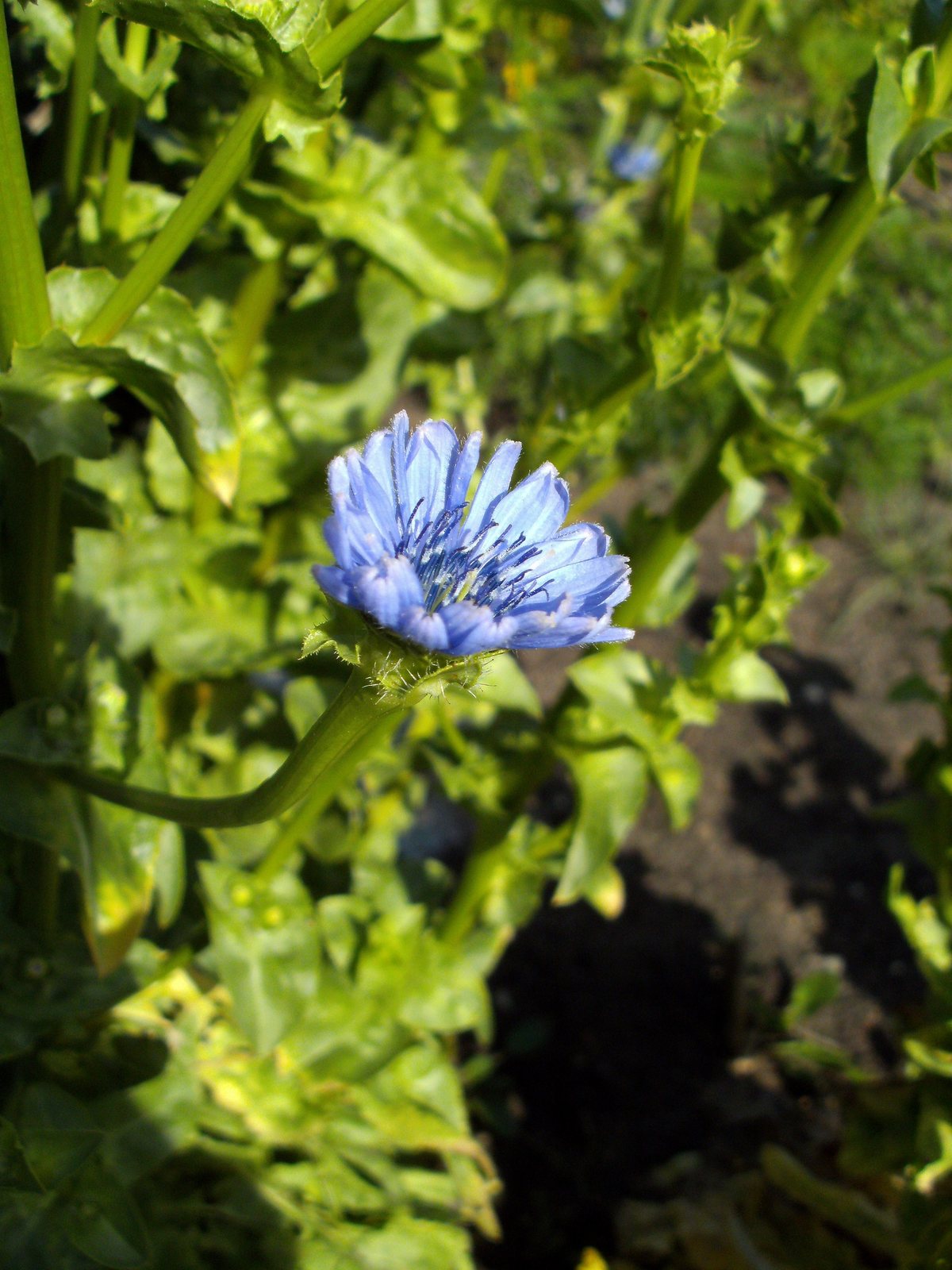
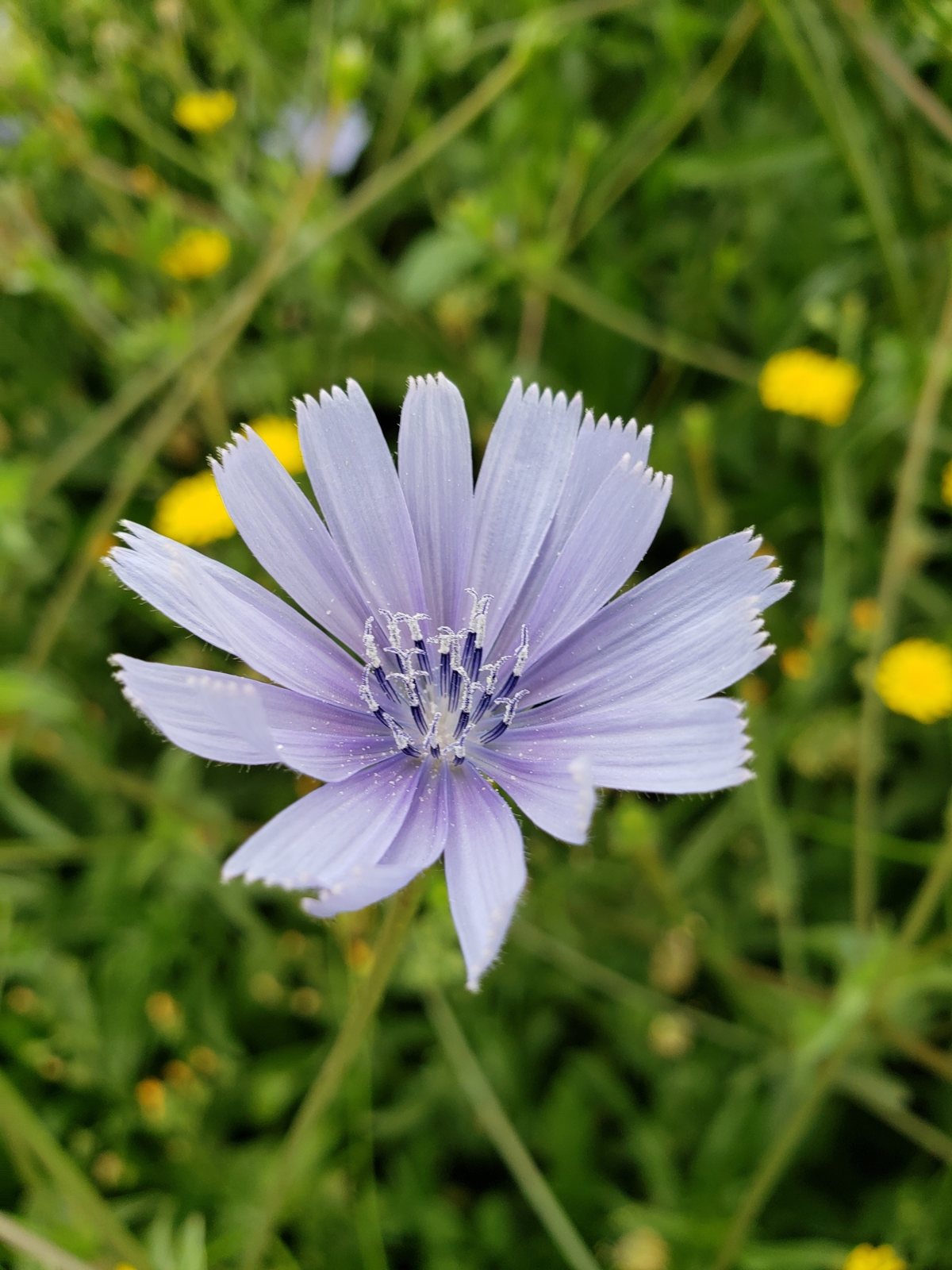
Wildlife: Leaves may be eaten by rabbits and deer. If allowed to flower, the blue, chicory-like flowers attract bees and other visiting insects.
Problems to watch for
- Slugs and snails chew seedlings and lower leaves: remove hiding places, hand-pick after dark, and use an approved iron-phosphate bait if needed.
- Aphids cluster on tender leaves: rinse them off with water and encourage natural predators; check inside heads before harvest.
- Crown and leaf rots develop in wet, crowded plants: improve spacing and drainage, water at soil level, and remove affected heads.
- Bolting and excessive bitterness follow heat, drought or prolonged cold during early growth: favour cool-season crops, maintain steady moisture, and harvest before stems elongate.
Safety
Not known to be toxic to people, cats, dogs or horses. The leaves are edible; large amounts of unfamiliar greens may cause digestive upset in pets.
Easily confused with
Chicory, including Belgian endive and radicchio (Cichorium intybus)
Belgian endive forms tightly packed, pale pointed heads when forced, while many radicchios form red or variegated heads. True endive usually forms a green, open rosette with curled or broad leaves;
Lettuce (Lactuca sativa)
Some loose-leaf lettuces resemble escarole, but lettuce generally has softer, less bitter leaves. Flowering lettuce has small yellow flowers, whereas endive has blue flowers.
The name
Cichorium comes from the ancient Greek kichorion, a name used for chicory.
Propagation. Grow from seed, either directly in the bed or in modules for transplanting while young. Sow about 0.25 inch (0.5 cm) deep; germination is most reliable in moderately warm soil, roughly 59-68°F (15-20°C), and may be poor in hot seedbeds.
Checked against open data
- Accepted botanical name
- Cichorium endivia
- In the US and Canada
- Introduced in the lower 48 states.
- Native range
- Egypt and Palestine.
- Measured
- Soil pH 7 to 7.5. Average height 53 cm.
Sources: GBIF (CC BY 4.0), USDA PLANTS and Trefle (CC BY 4.0). The care and design notes are LandscapeGPT's own.
See it in your own yard.
Upload a photo of your yard and see it redesigned with plants that suit your climate, each checked against your zone.