English bluebell
Hyacinthoides non-scripta. Family Asparagaceae. Bulb.
Also called Common bluebell, British bluebell, Wild hyacinth.
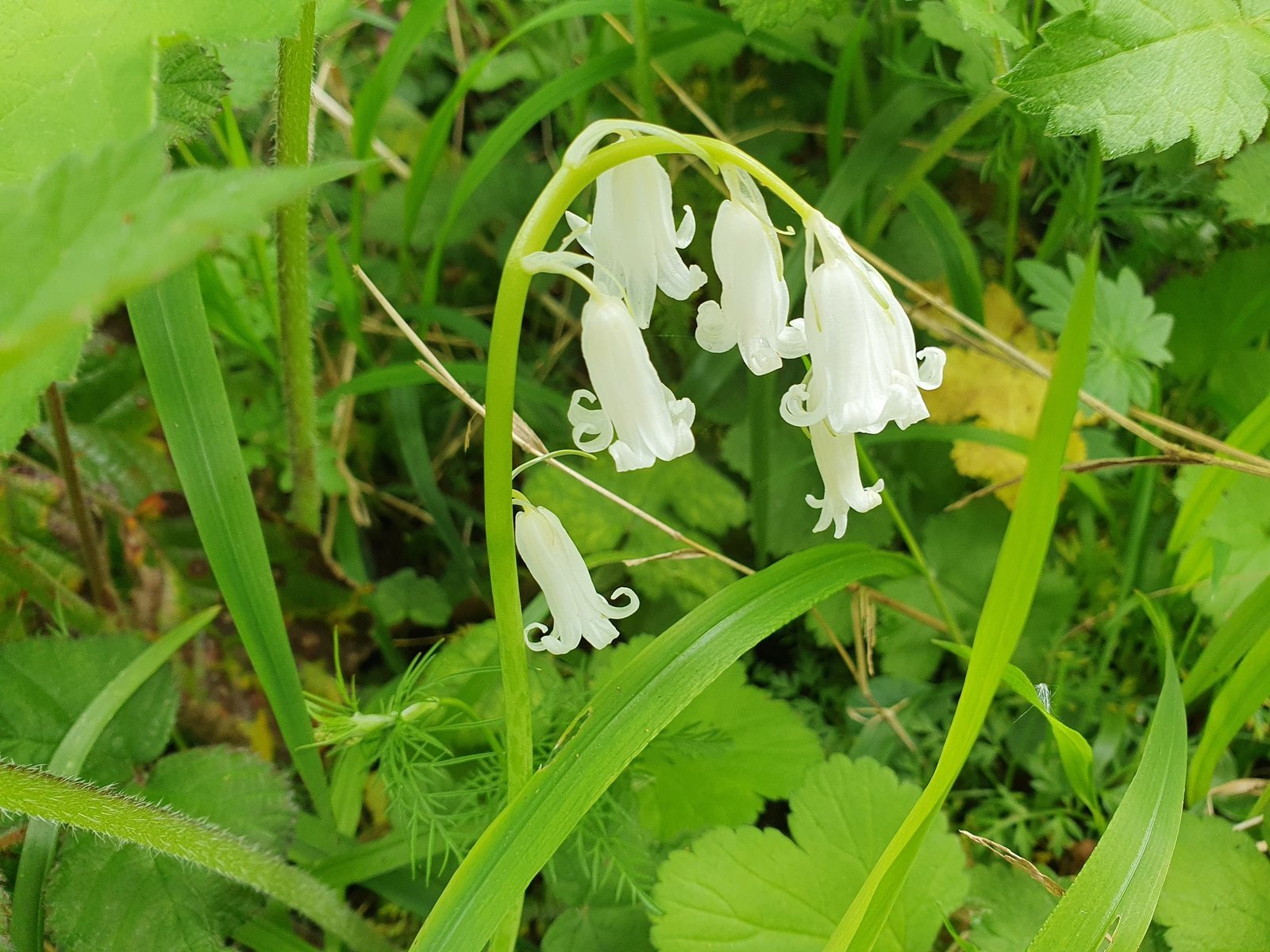
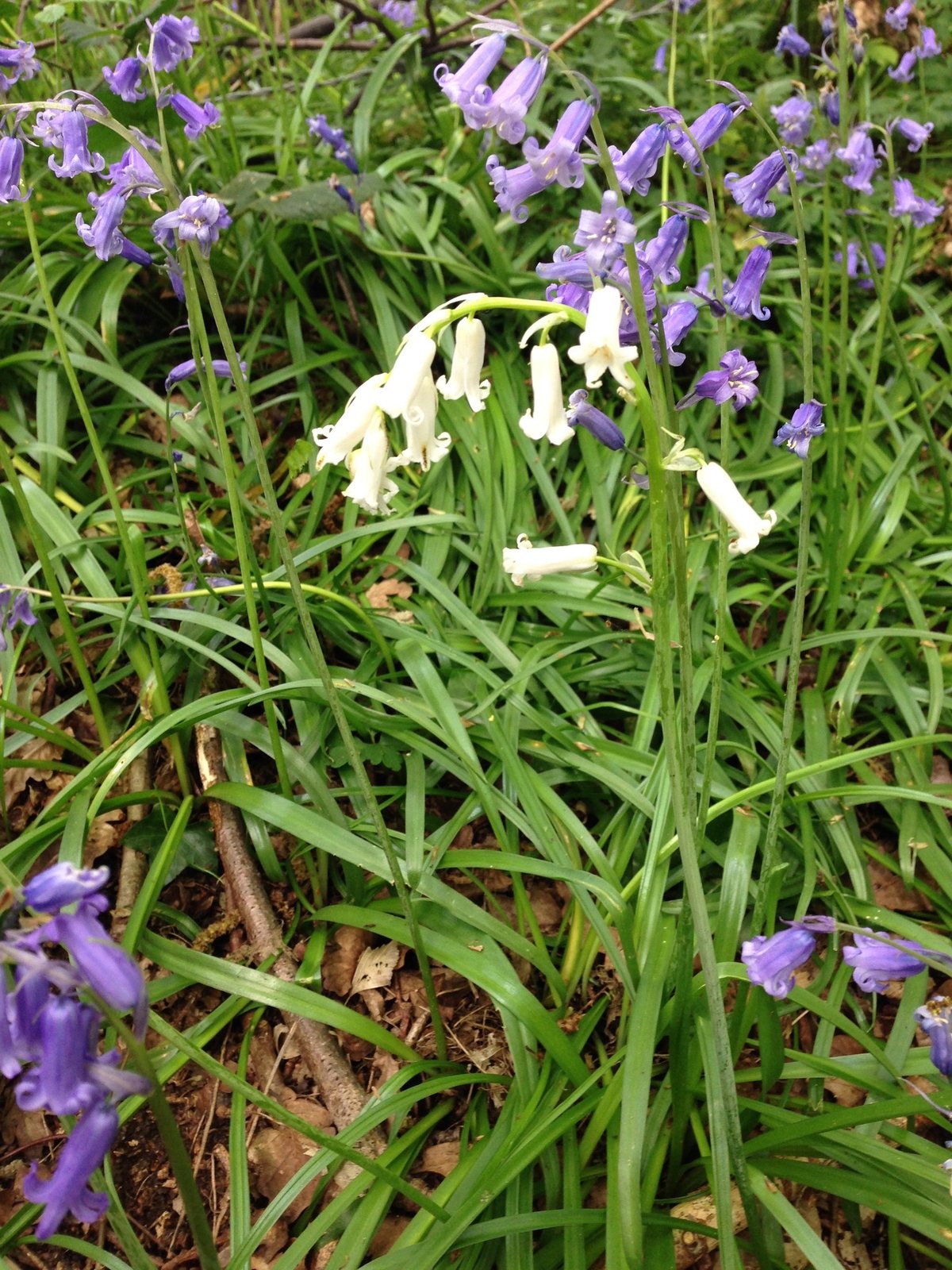
English bluebell is a spring-flowering woodland bulb with fragrant, violet-blue bells hanging from arching stems. Grow it beneath deciduous trees or shrubs, where it can form spreading carpets before the summer canopy closes; its leaves die back after flowering.
At a glance
- Sun
- Partial shade, ideally beneath deciduous trees; tolerates full sun where spring soil stays moist.
- Water
- Keep soil moist while leaves and flowers are growing. Established bulbs need little watering during summer dormancy, but avoid prolonged baking drought.
- Soil
- Humus-rich, well-drained soil that retains spring moisture; tolerates clay if it does not remain waterlogged.
- Height
- 1-1.5 ft (0.3-0.45 m)
- Spread
- 0.25-0.5 ft (0.08-0.15 m) per clump, eventually forming much wider colonies
- Flowers
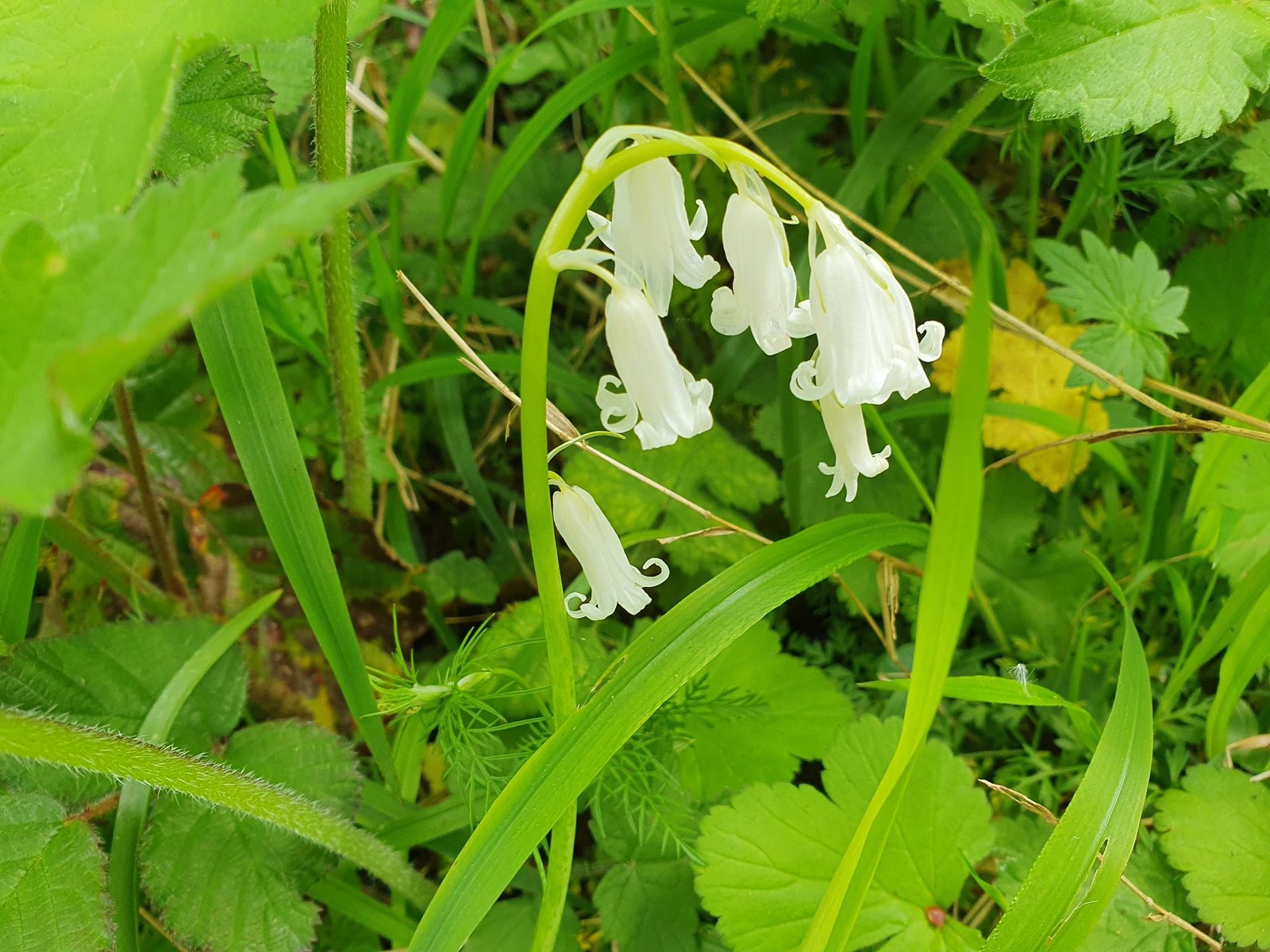
- Mid to late spring, usually April-May in the Northern Hemisphere and September-October in southern Australia; violet-blue, occasionally white or pink.
- Foliage
- Narrow, glossy, strap-shaped green leaves emerge before flowering and die back in summer.
- Growth
- Moderate; colonies expand through bulb offsets and self-seeding.
- Care needed
- Low
The year at a glance
- Pollinators
- Deer resistant
- Cold hardy
- Low allergen
- Fragrant
| J | F | M | A | M | J | J | A | S | O | N | D | |
|---|---|---|---|---|---|---|---|---|---|---|---|---|
| Flowers | ||||||||||||
| Plant |
Northern hemisphere months. In Australia, shift them by six.
- Difficulty
- Easy
- Toughness
- Very tough
Will it suit your garden?
Pick your zone, country, light and whether you have pets.
Full sun is 6 or more hours of direct sun a day, part shade 3 to 6 hours, shade under 3.
How it grows
Planting day
0.5 ft (0.15 m)
After 1 year
1.2 ft (0.38 m)
full size
About 1 years to full size.
From a typical nursery size, at an average rate for this kind of plant. A rule of thumb, not a forecast.
Good to know
- Cats and dogs
- Toxic
- Native to
- the UK
- In the garden
- Spreads vigorously: plan to contain it.
- Growth rate
- Moderate
Care
Jobs through the year
- WaterMar–Jun, every 7 days
- Water established bulbs during dry spells while leaves are green; new plantings need closer attention.
- DeadheadMay–Jun
- Remove spent flower stems before seed ripens only if you want to limit spread.
- DivideMay–Jun
- Divide only overcrowded clumps after flowering while still green; replant promptly and water well.
- PruneJun–Jul
- Clear foliage only when completely yellow and withered; never tie or cut green leaves.
- MulchOct–Nov
- Apply a thin layer of leaf mould or well-rotted compost.
- Plant nursery-grown bulbs in autumn, about 4 in (10 cm) deep and 4-6 in (10-15 cm) apart; never dig plants from the wild.
- Water during dry spells while leaves are green, particularly in the first growing season.
- Apply a thin layer of leaf mould or well-rotted compost in autumn; rich soil rarely needs extra fertiliser.
- Leave the foliage intact until it has yellowed completely, and keep foot traffic off emerging colonies.
- Divide overcrowded clumps after flowering while leaves remain green, replanting promptly and watering well.
- Remove fading flower stems before seed ripens if you want to limit spread.
Pruning. Remove spent flower stems after flowering if seedlings are unwanted. Cut or clear leaves only once they have turned yellow and withered; do not tie them into bundles.
Through the year
- Autumn
- Plant dormant bulbs and mulch established colonies lightly with leaf mould.
- Winter
- Check that planting areas drain freely and avoid walking over emerging shoots.
- Early spring
- Water new plantings if rainfall is scarce and protect shoots from trampling.
- Late spring
- After flowering, remove seed heads to control spread or divide crowded clumps while still in leaf.
- Early summer
- Allow foliage to yellow fully before clearing it or mowing naturalised areas.
- Summer
- Avoid digging through dormant colonies; mark their boundaries before the foliage disappears.
In the garden
- Plant broad drifts beneath deciduous trees for a spring woodland carpet.
- Thread groups through shrub borders, with hostas and ferns taking over as bluebell leaves fade.
- Naturalise in lightly shaded orchard grass where mowing can wait until foliage dies back.
- Edge informal woodland paths with fragrant spring colour, keeping plants beyond the walking surface.
Garden styles it suits: Woodland, English country, Cottage garden, Romantic rose garden, Wildlife garden and Sensory garden.
Plant it with: Primroses, Wood anemones, Lungwort, Hellebores, Hostas and Ferns.
Wildlife: Flowers provide spring nectar and pollen for bees, especially bumblebees. Avoid trampling colonies, as damaged leaves reduce the bulbs' ability to flower in following years.
Problems to watch for
- Bulb rot in waterlogged soil: improve drainage or move bulbs to a site that stays moist without becoming saturated.
- Poor flowering in deep evergreen shade: move bulbs beneath deciduous plants where they receive more light in spring.
- Weak flowering after early mowing or leaf removal: let all foliage yellow naturally so bulbs can rebuild their reserves.
- Hybridisation with Spanish bluebells: buy reliably identified nursery stock and remove Spanish bluebells and hybrids nearby if preserving the species matters.
Safety
Toxic to people, cats, dogs and horses if eaten. All parts contain toxic compounds, with bulbs a particular risk; ingestion can cause vomiting, diarrhoea and potentially serious heart effects. Sap may irritate skin. Seek medical or veterinary advice promptly after ingestion.
Where it spreads. Spreads by seed and bulb offsets and can become difficult to contain in cool, moist gardens. It escapes cultivation in parts of the Pacific Northwest of the United States and coastal British Columbia, Canada. In the UK it is native; warnings about invasive bluebells there generally concern Spanish bluebells and hybrids.
Easily confused with
Spanish bluebell (Hyacinthoides hispanica)
Usually has broader leaves, more upright stems and open bells arranged around the stem, with little scent and blue anthers.
Hybrid bluebell (Hyacinthoides × massartiana)
Shows mixed features, often broader leaves and more upright, less one-sided flower spikes than English bluebell. Scent and anther colour vary, so appearance alone may not identify every hybrid reliably.
Harebell (Campanula rotundifolia)
Also called bluebell in Scotland, but has slender branching stems with a few open bells in summer rather than a dense spring spike rising from a clump of strap-shaped leaves.
The name
Hyacinthoides means 'hyacinth-like', and non-scripta means 'unwritten', referring to the absence of the letter-like markings associated with the hyacinth of Greek myth.
Propagation. Divide established clumps after flowering while still in leaf, or separate dormant offsets in autumn and replant promptly. Sow fresh ripe seed outdoors in pots and keep moist; seedlings usually take several years to flower. Use nursery-propagated material rather than wild-collected bulbs.
Checked against open data
- Accepted botanical name
- Hyacinthoides non-scripta
- Native range
- Belgium, France, Great Britain, Ireland, Netherlands, Portugal and Spain.
- Measured
- Soil pH 5 to 5.5. Average height 30 cm.
Sources: GBIF (CC BY 4.0) and Trefle (CC BY 4.0). The care and design notes are LandscapeGPT's own.
See it in your own yard.
Upload a photo of your yard and see it redesigned with plants that suit your climate, each checked against your zone.