Étoile Violette clematis
Clematis 'Étoile Violette'. Family Ranunculaceae. Climber.
Also called Clematis viticella 'Étoile Violette'.
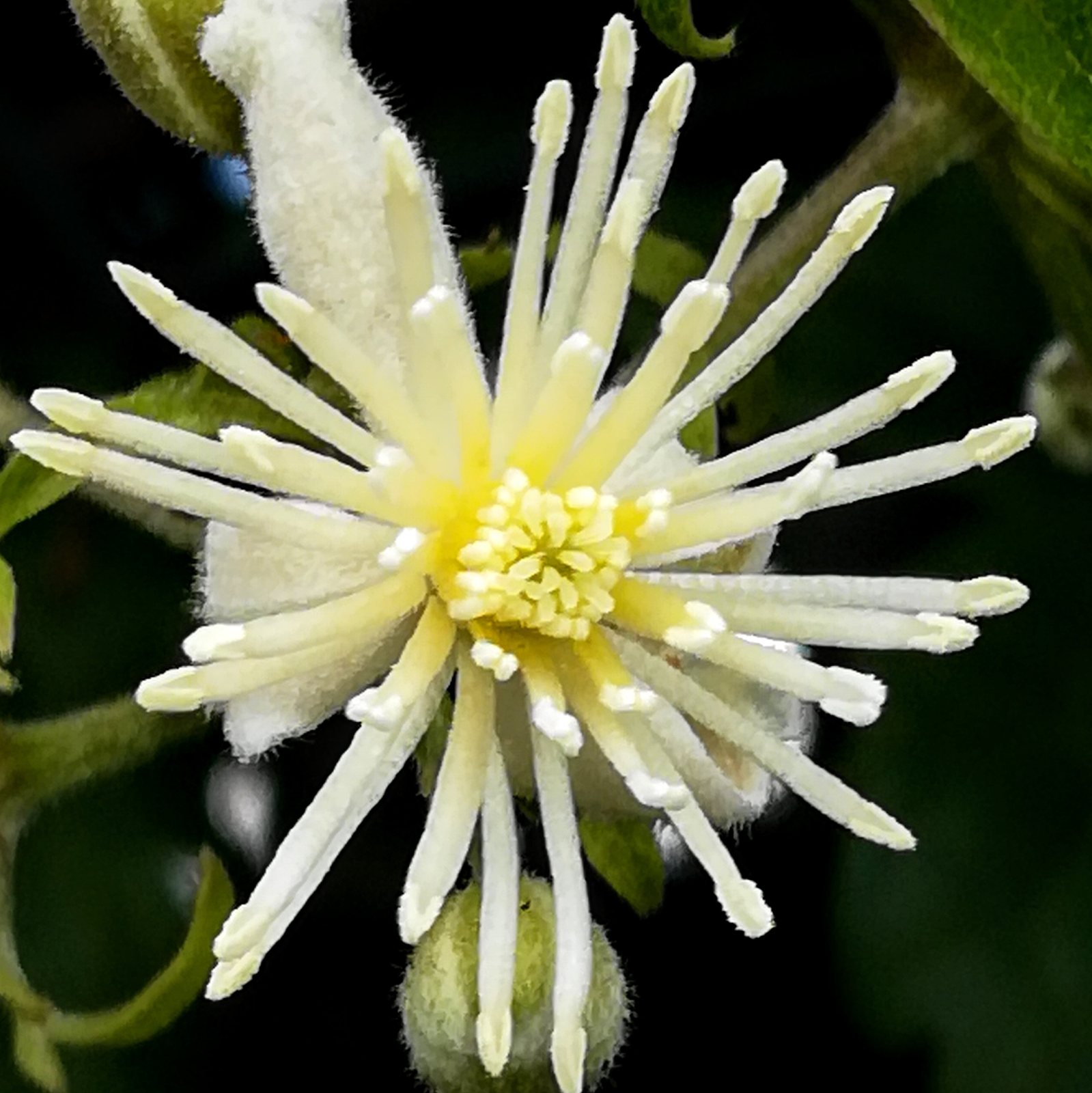
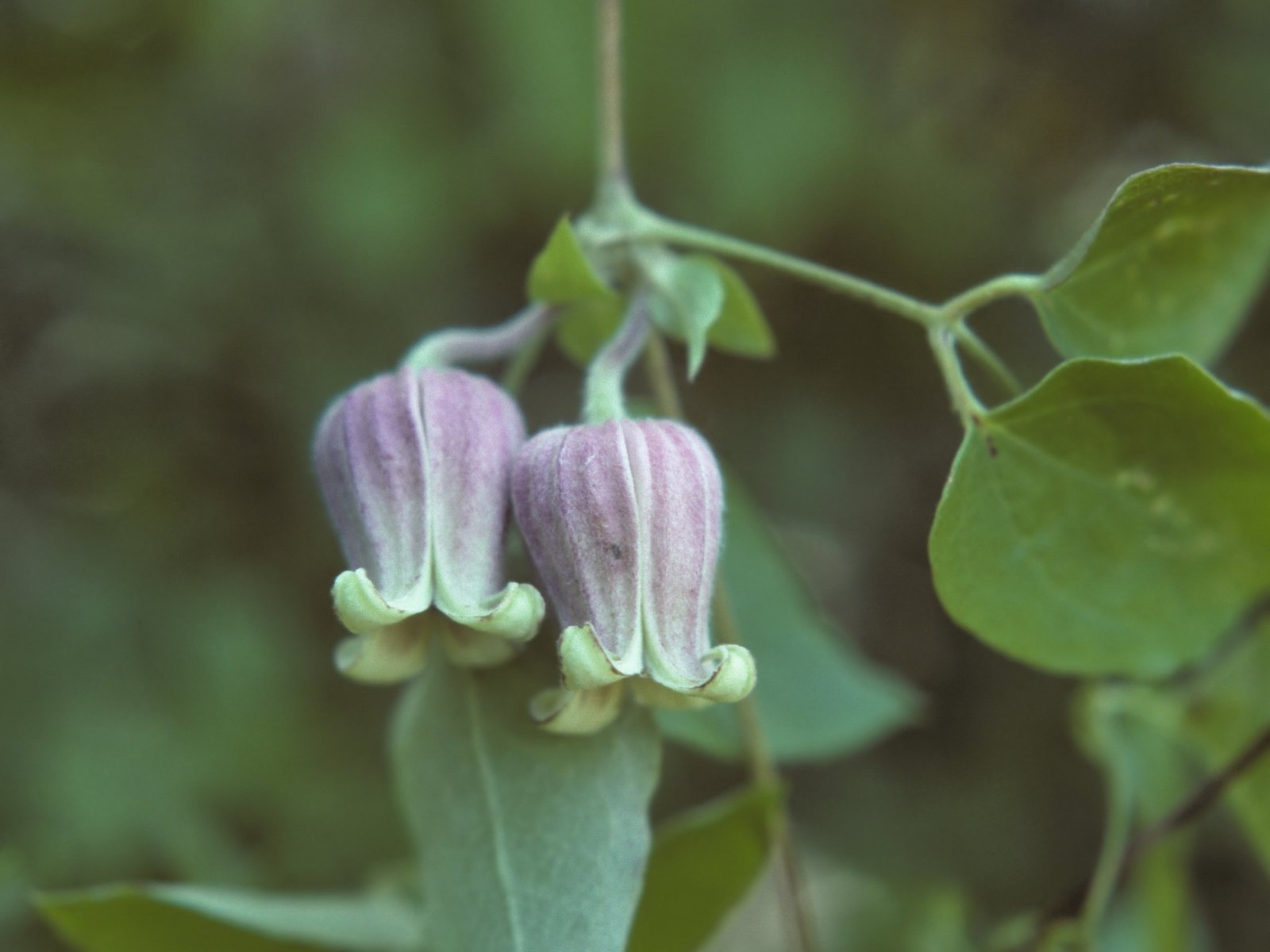
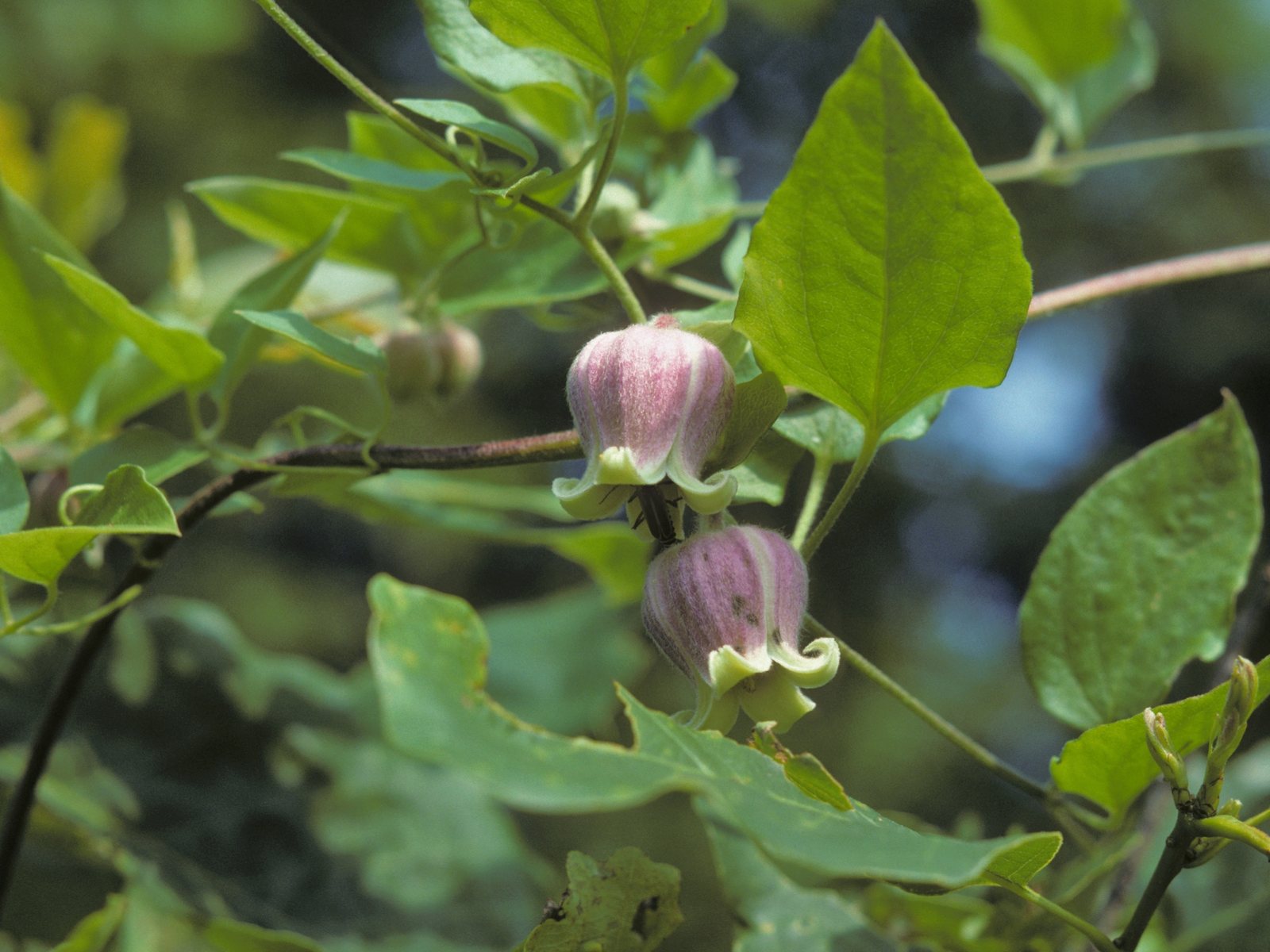
A deciduous climbing clematis with masses of small, deep violet-purple flowers and contrasting creamy-yellow stamens from summer into early autumn. It is grown over trellises, arches and shrubs, and its flowers form on new growth, making annual pruning straightforward.
At a glance
- Sun
- Full sun to partial shade; keep the root area cool, especially in hot climates.
- Water
- Keep evenly moist while establishing. Once established, water deeply during dry spells; avoid waterlogged soil.
- Soil
- Fertile, moisture-retentive but well-drained soil; tolerates acidic, neutral and alkaline conditions.
- Height
- 10-15 ft (3-4.5 m)
- Spread
- 3-5 ft (0.9-1.5 m)
- Flowers
- Summer to early autumn; deep violet-purple flowers about 3 in (7.5 cm) across, with creamy-yellow stamens.
- Foliage
- Green, divided leaves on slender stems; leaf stalks curl around narrow supports. Leaves fall in autumn.
- Growth
- Fast once established; young plants may take two or three growing seasons to fill their support.
- Care needed
- Low
The year at a glance
- Pollinators
- Cold hardy
- Heat tolerant
- Disease resistant
- Wildlife
- Low allergen
| J | F | M | A | M | J | J | A | S | O | N | D | |
|---|---|---|---|---|---|---|---|---|---|---|---|---|
| Flowers | ||||||||||||
| Fruit | ||||||||||||
| Plant |
Northern hemisphere months. In Australia, shift them by six.
- Difficulty
- Easy
- Toughness
- Fairly tough
Will it suit your garden?
Pick your zone, country, light and whether you have pets.
Full sun is 6 or more hours of direct sun a day, part shade 3 to 6 hours, shade under 3.
How it grows
Planting day
2 ft (0.6 m)
After 1 year
3 ft (1.1 m)
After 2 years
5 ft (1.5 m)
After 3 years
6 ft (1.8 m)
full size
About 3 years to full size.
From a typical nursery size, at an average rate for this kind of plant. A rule of thumb, not a forecast.
Good to know
- Cats and dogs
- Toxic
- Growth rate
- Fast
Care
Jobs through the year
- WaterApr–May, Sep–Oct, every 14 days
- Water established plants deeply in dry weather; keep newly planted root balls consistently moist.
- WaterJun–Aug, every 7 days
- Deep-water established plants during dry spells; young plants may need more frequent watering.
- PruneFeb–Mar
- Cut stems to strong buds 30–45 cm above ground and remove dead or weak stems.
- FeedMar–Apr
- Apply balanced fertiliser at the label rate as growth begins.
- MulchMar–Apr
- Apply compost mulch over the root area, keeping it clear of stems.
- ProtectApr–Jun, every 14 days
- Guide and loosely tie shoots onto supports; check emerging growth for slugs.
- ProtectNov
- Clear diseased fallen foliage and check that the support is secure.
- Provide wires, mesh or slender trellis bars that the leaf stalks can grip; tie in young shoots loosely.
- Water deeply during the first growing season and during prolonged dry weather.
- Apply compost and a balanced fertiliser in spring, following the product rate.
- Mulch the root area annually, keeping mulch clear of the stems.
- Shade the root zone with low planting or mulch rather than planting in a dry spot beneath dense shrubs.
Pruning. Pruning group 3: in late winter or early spring, cut all stems back to strong buds about 12-18 in (30-45 cm) above ground. Remove dead or weak stems and guide the new shoots onto their support.
Through the year
- Late winter
- Cut stems back to strong low buds before vigorous new growth begins.
- Spring
- Apply compost, balanced fertiliser and a fresh mulch; water if the soil is dry.
- Late spring
- Guide and loosely tie new shoots onto supports; check for slug damage.
- Summer
- Water deeply in dry spells and redirect shoots before they become tangled.
- Early autumn
- Continue watering during dry weather while flowering lasts.
- Late autumn
- Remove fallen diseased foliage and check that the support is secure; leave major pruning until late winter.
In the garden
- Train over an arch or pergola for a curtain of purple summer flowers.
- Grow through a sturdy shrub or climbing rose to extend the season of colour without needing a separate trellis.
- Cover a sunny fence with wires or mesh, giving a narrow border height without a bulky evergreen screen.
- Pair with pale roses and silver foliage for strong colour contrast in a cottage border.
Garden styles it suits: English country, Cottage garden, Romantic rose garden, Traditional, Secret garden and Blues and silvers.
Plant it with: Climbing roses, Catmint, Hardy geraniums, Lady's mantle, Lavender and Mock orange.
Wildlife: The open flowers provide pollen for visiting bees and other insects. Dense growth offers temporary shelter, but this cultivar is not a substitute for locally native wildlife planting.
Problems to watch for
- Slugs and snails can destroy emerging shoots: check new growth regularly and use barriers or iron-phosphate bait according to the label.
- Powdery mildew may develop in dry soil or crowded growth: water the root zone, improve airflow and remove badly affected foliage.
- Sudden stem collapse can result from damage or clematis wilt, although viticella cultivars are relatively resistant: cut affected stems back to healthy growth and dispose of diseased material.
- Poor growth and few flowers often follow drought or dense shade: maintain root moisture and give the upper growth more light.
Safety
All parts are toxic if eaten by people, cats, dogs or horses. Chewing fresh material can cause mouth irritation, drooling, vomiting or diarrhoea; serious poisoning is uncommon because the plant tastes unpleasant. Sap can irritate skin, so wear gloves when pruning.
Easily confused with
Jackman's clematis (Clematis 'Jackmanii')
Has larger purple flowers with broader, more overlapping sepals; 'Étoile Violette' has smaller, more open flowers, usually with four narrower sepals.
Purpurea Plena Elegans clematis (Clematis 'Purpurea Plena Elegans')
Has densely double, reddish-purple flowers rather than the single violet-purple flowers and exposed pale stamens of 'Étoile Violette'.
The name
The French cultivar name 'Étoile Violette' means 'violet star', referring to its purple, star-like flowers.
Propagation. Take softwood cuttings in late spring or early summer, or layer a flexible stem into a pot of compost. Seedlings will not reliably match the named cultivar.
Checked against open data
- Accepted botanical name
- Clematis
Sources: GBIF (CC BY 4.0). The care and design notes are LandscapeGPT's own.
See it in your own yard.
Upload a photo of your yard and see it redesigned with plants that suit your climate, each checked against your zone.