False dittany
Ballota pseudodictamnus. Family Lamiaceae. Shrub.
Also called Greek horehound.
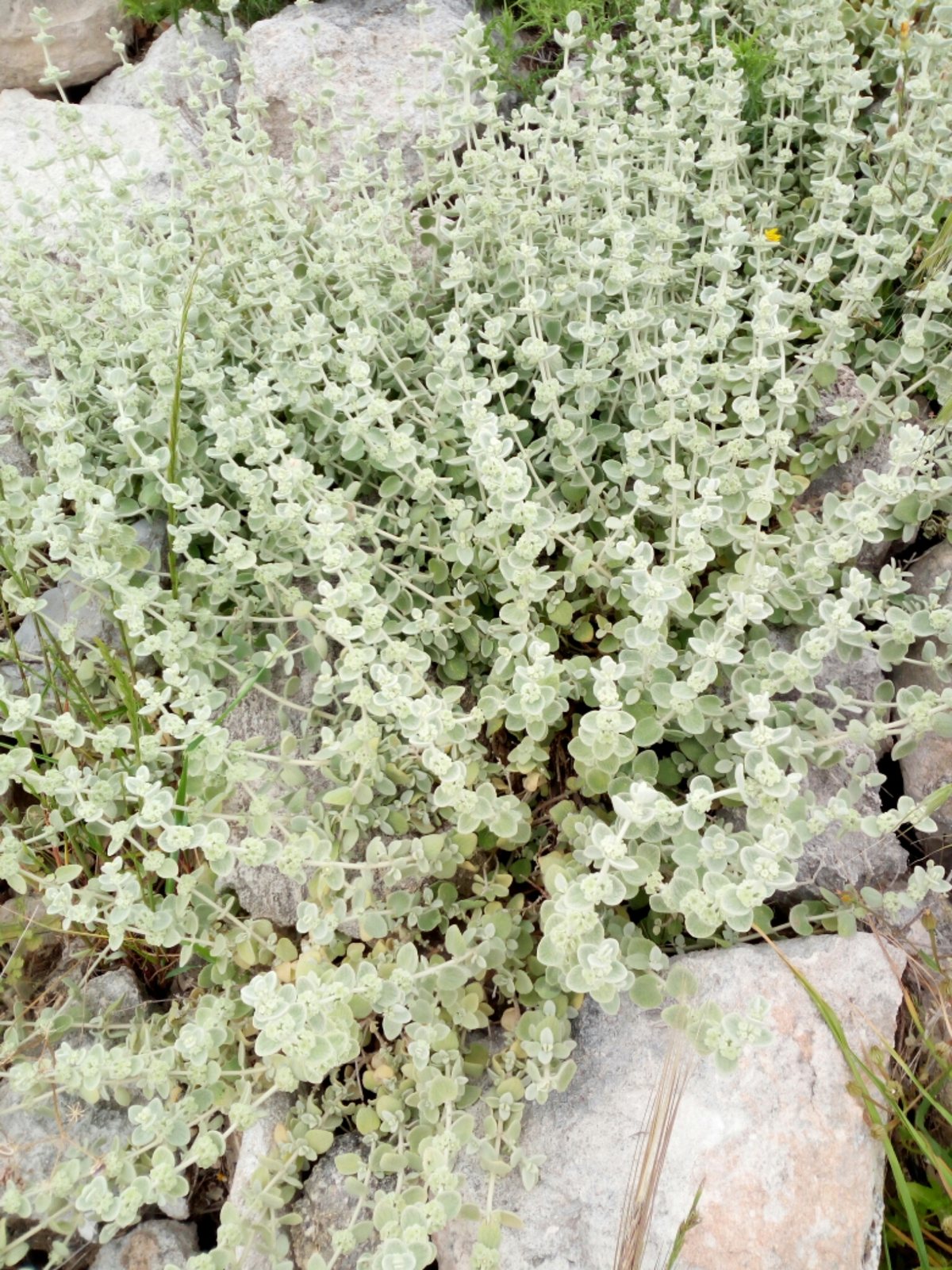
False dittany is a small, rounded Mediterranean shrub grown mainly for its soft, woolly, silver-grey leaves. It brings year-round foliage contrast to sunny gravel gardens and dry borders, but needs sharp drainage and shelter from cold, wet winters.
At a glance
- Sun
- Full sun; shelter from cold winds.
- Water
- Low once established. Water young plants during dry spells, then water established plants only during prolonged drought.
- Soil
- Poor to moderately fertile, sharply drained soil; sandy, gravelly or stony ground is ideal. Tolerates alkaline soil but dislikes wet clay.
- Height
- 2-3 ft (0.6-0.9 m)
- Spread
- 2-3 ft (0.6-0.9 m)
- Flowers
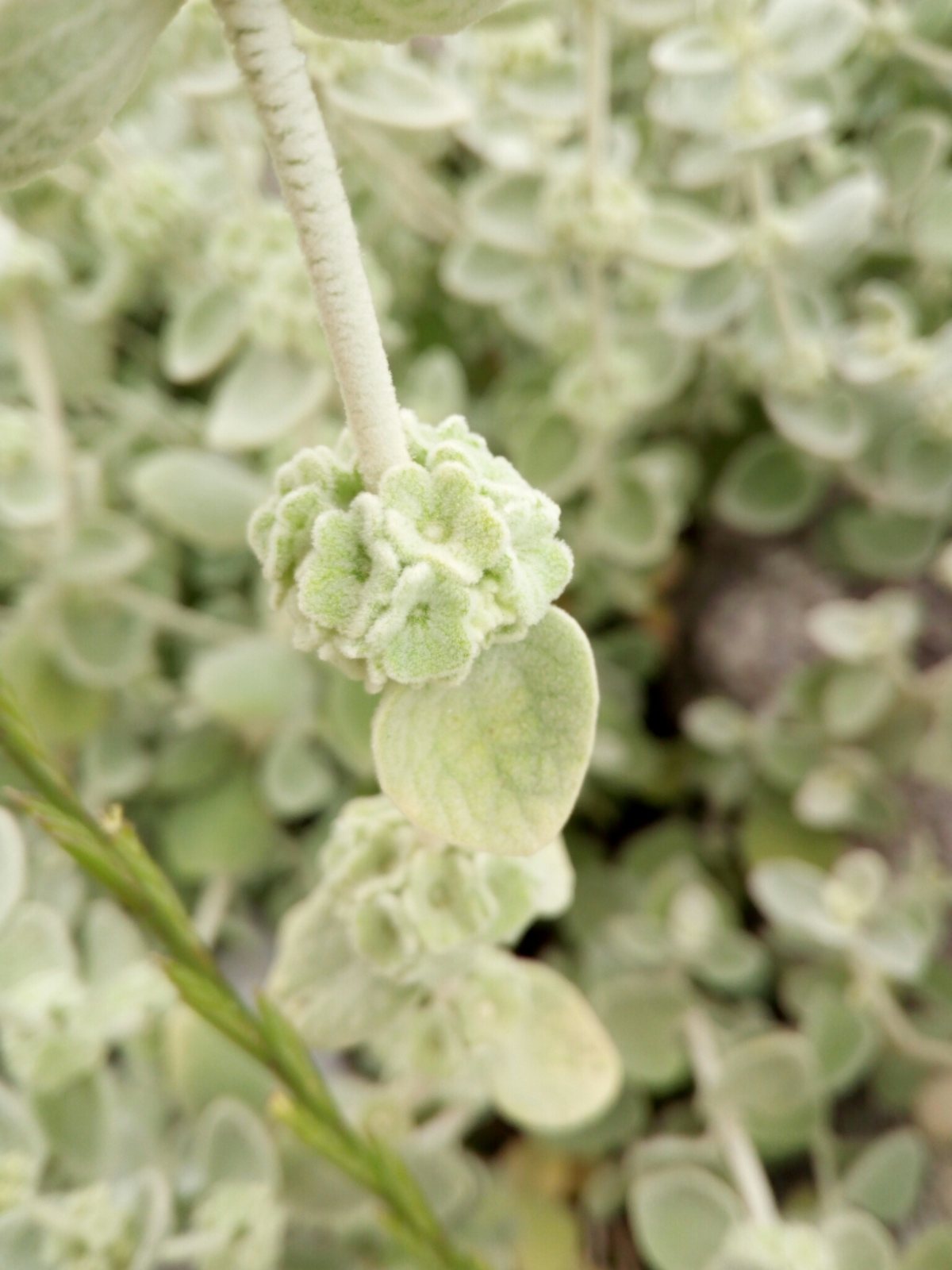
- Small pale pink to pinkish-white flowers in whorls during summer, held within woolly, cup-shaped calyces.
- Foliage
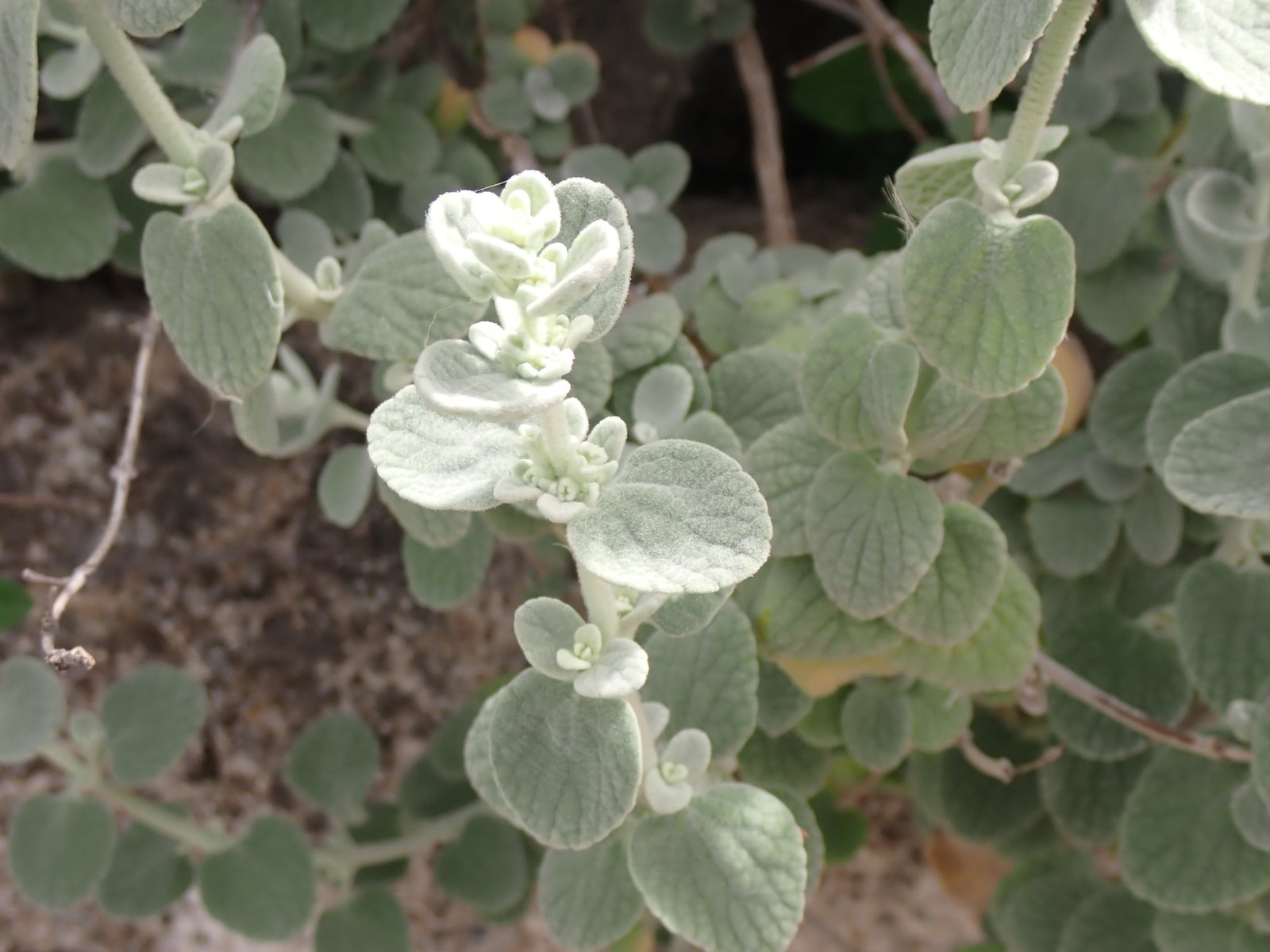
- Evergreen. Rounded to broadly oval, softly woolly, silver-grey leaves on branching stems; foliage may thin or suffer damage in cold winters.
- Growth
- Moderate
- Care needed
- Low
The year at a glance
- Pollinators
- Deer resistant
- Drought tolerant
- Heat tolerant
- Low allergen
| J | F | M | A | M | J | J | A | S | O | N | D | |
|---|---|---|---|---|---|---|---|---|---|---|---|---|
| Flowers | ||||||||||||
| Plant |
Northern hemisphere months. In Australia, shift them by six.
- Difficulty
- Moderate
- Toughness
- Fairly tough
Will it suit your garden?
Pick your zone, country, light and whether you have pets.
Full sun is 6 or more hours of direct sun a day, part shade 3 to 6 hours, shade under 3.
How it grows
Planting day
1.6 ft (0.5 m)
After 1 year
1.8 ft (0.55 m)
After 2 years
2 ft (0.6 m)
After 3 years
2.1 ft (0.65 m)
After 5 years
2.5 ft (0.75 m)
full size
About 5 years to full size.
From a typical nursery size, at an average rate for this kind of plant. A rule of thumb, not a forecast.
Good to know
- Cats and dogs
- Safe
- Growth rate
- Moderate
Care
Jobs through the year
- WaterApr–May, Sep, every 21 days
- Established plants: water only during prolonged drought when soil is dry; water young plants more often.
- WaterJun–Aug, every 14 days
- Established plants: soak only during prolonged drought, allowing soil to dry between waterings.
- PruneApr–May
- After severe frost risk passes, remove dead shoots and lightly shape within leafy growth.
- DeadheadAug–Sep
- Remove spent flower stems if they spoil the rounded outline.
- MulchMay
- Use a thin gravel mulch, leaving the crown exposed.
- ProtectJan–Apr, Oct–Dec
- In zones 6–7, grow in a container and overwinter in bright, cool, frost-free shelter; avoid winter saturation.
- Plant in spring in cooler climates so roots establish before winter.
- Improve drainage with a raised planting position or use a container with generous drainage holes.
- Water at soil level and let the soil dry between waterings.
- Avoid rich compost and routine feeding, which encourage soft, floppy growth.
- Use gravel rather than moisture-retaining organic mulch around the crown.
Pruning. In mid-spring, once severe frosts have passed, remove dead or frost-damaged shoots and lightly trim leafy stems to keep the plant compact. Avoid cutting hard into bare old wood, which may not regrow reliably.
Through the year
- Spring
- Plant into warm, freely draining soil after the main frost risk has passed.
- Mid-spring
- Remove winter damage and lightly shape the plant, retaining leafy growth on each stem.
- Early summer
- Take softwood cuttings from healthy, non-flowering shoots.
- Summer
- Water new plants during dry spells; leave established plants mostly dry.
- Late summer
- Trim off spent flower stems if they spoil the rounded outline.
- Autumn
- Clear fallen leaves from the crown and check that water drains away freely.
- Winter
- Move containers under a bright, cool shelter where prolonged frost or winter rain threatens.
In the garden
- Plant beside lavender and rosemary in a sunny gravel garden for contrasting leaf textures.
- Use along the front of a dry border as a low, rounded silver mound.
- Grow in terracotta containers in a sunny courtyard, using a gritty potting mix.
- Combine with purple-flowered salvias and ornamental alliums to soften strong flower colours.
Garden styles it suits: Mediterranean, Dry gravel garden, Modern Mediterranean, Coastal, Sensory garden and Low-maintenance.
Plant it with: Lavender, Rosemary, Rock rose, Santolina, Bearded iris and Ornamental alliums.
Wildlife: The small summer flowers provide nectar for visiting bees. Its main garden value is foliage rather than a large floral display.
Problems to watch for
- Root and crown rot in wet soil: improve drainage, keep mulch away from the crown and avoid winter watering.
- Frost damage: choose a sheltered position and remove damaged shoots in spring after severe frost has passed.
- Leggy, open growth: provide full sun, avoid feeding and trim lightly each spring.
- Poor recovery after hard pruning: retain leafy sections when trimming and replace badly bare plants with rooted cuttings.
Safety
Not known to be toxic to people, cats, dogs or horses, but species-specific safety information is limited. No particular toxic part is established; treat it as an ornamental rather than a culinary herb.
Easily confused with
Dittany of Crete (Origanum dictamnus)
Also has rounded, woolly leaves, but usually forms a lower, spreading plant with conspicuous overlapping pink-purple bracts around the flowers.
White horehound (Marrubium vulgare)
Has more deeply wrinkled, scalloped, greener leaves and small white flowers in dense whorls; it lacks false dittany's evenly silver, softly rounded appearance.
Jerusalem sage (Phlomis fruticosa)
Makes a larger shrub with longer, more pointed leaves and prominent whorls of yellow flowers.
The name
The epithet pseudodictamnus means false dittany, referring to its resemblance to dittany.
Propagation. Take softwood cuttings in early summer or semi-ripe cuttings in late summer. Root in a sharply drained medium and keep young plants sheltered through their first winter.
Checked against open data
- Accepted botanical name
- Pseudodictamnus mediterraneus Ballota pseudodictamnus is an older name for Pseudodictamnus mediterraneus.
- Native range
- Egypt, Greece, Kriti, Libya and Turkey.
Sources: GBIF (CC BY 4.0) and Trefle (CC BY 4.0). The care and design notes are LandscapeGPT's own.
See it in your own yard.
Upload a photo of your yard and see it redesigned with plants that suit your climate, each checked against your zone.