Feather grass
Stipa barbata. Family Poaceae. Ornamental grass.
Also called Silver feather grass.
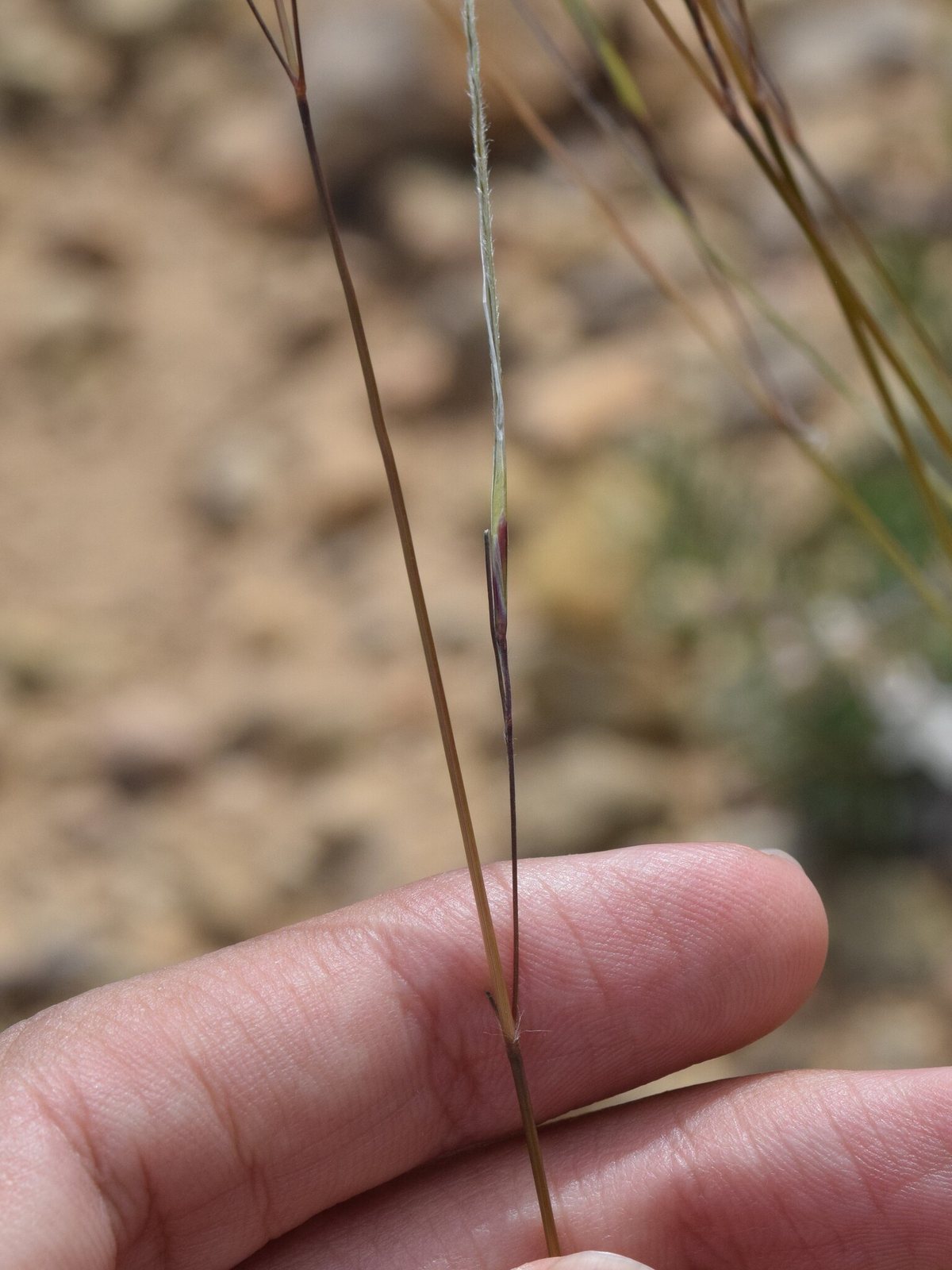
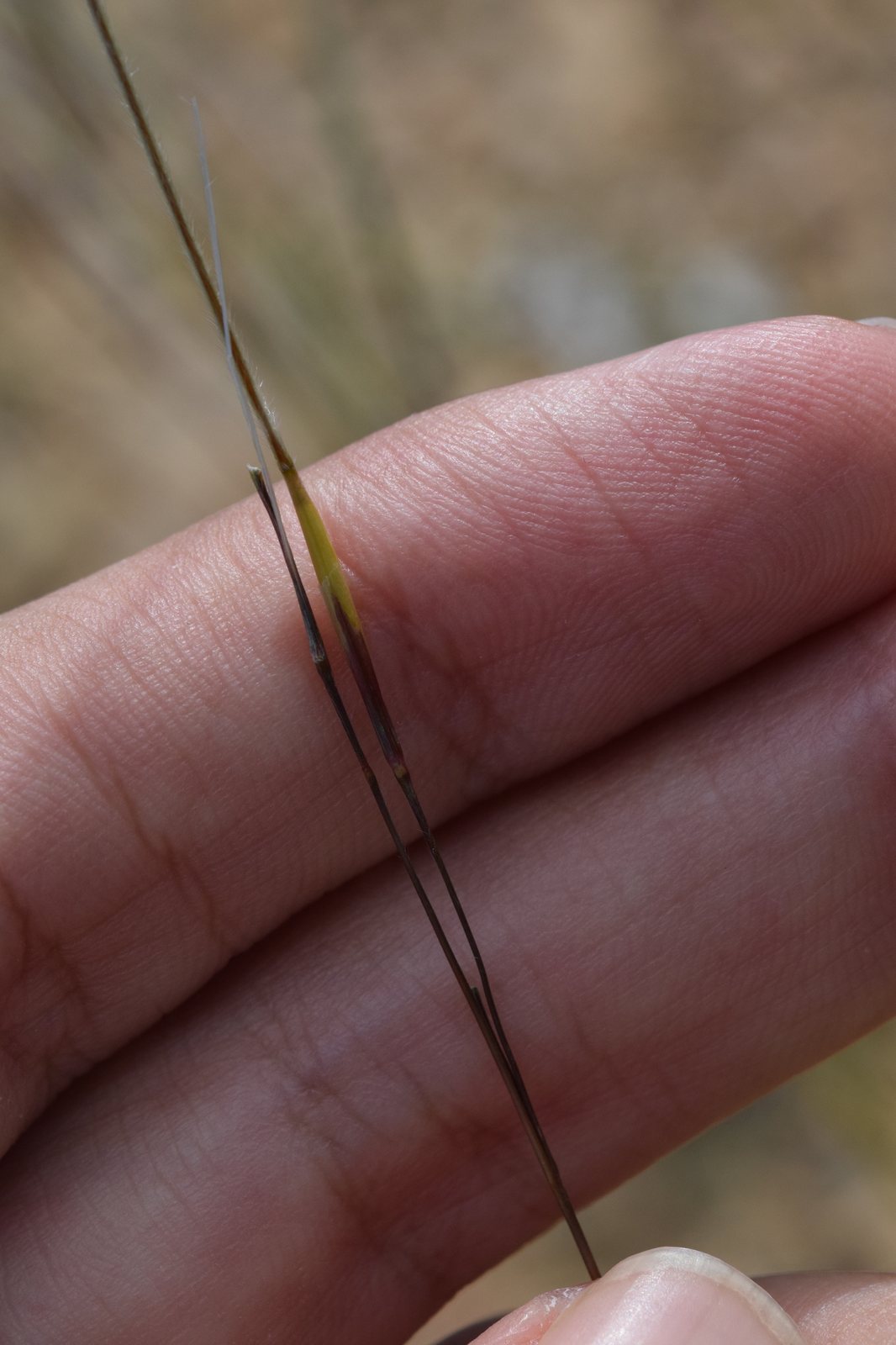
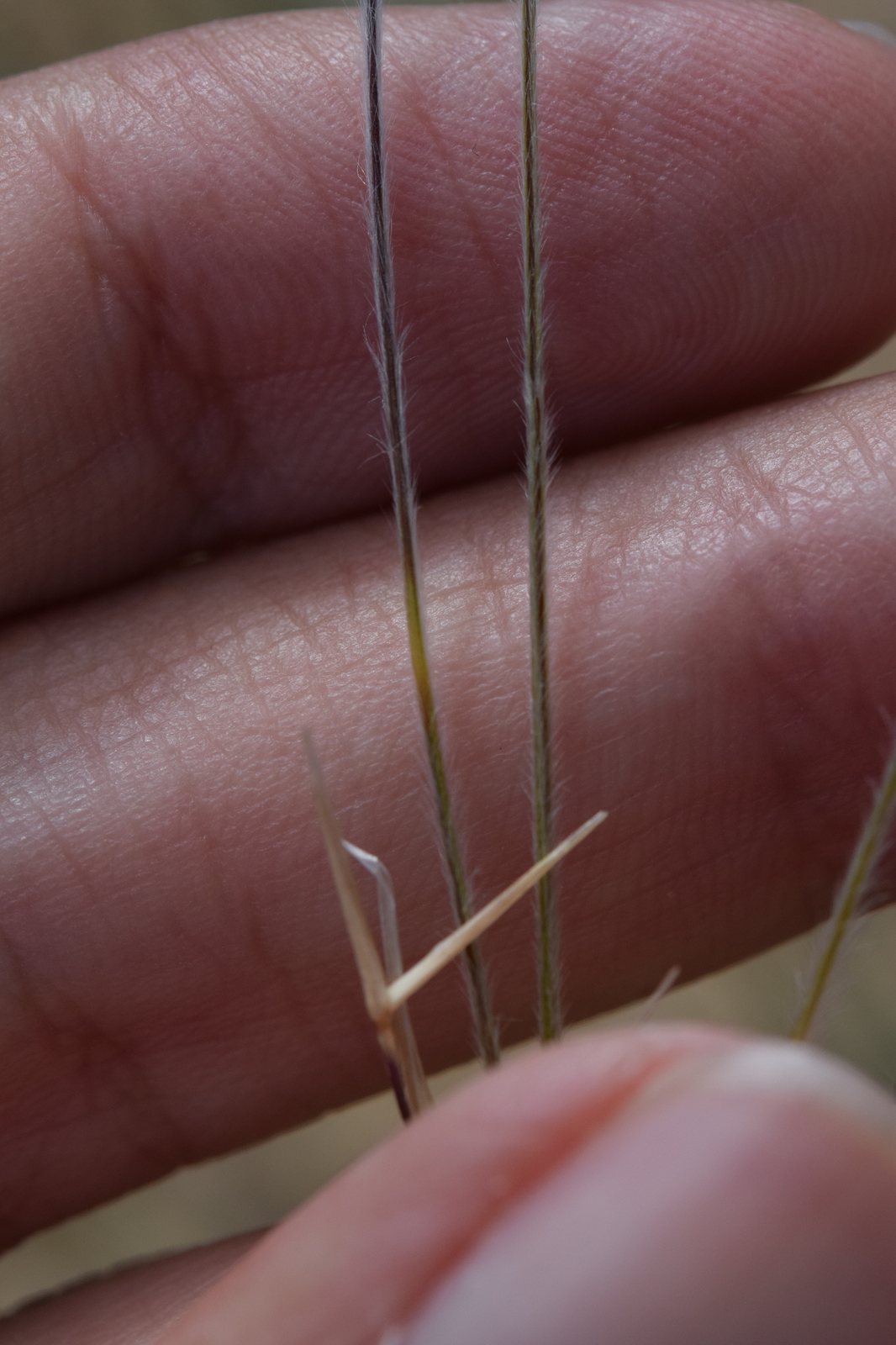
Stipa barbata is a clump-forming perennial grass grown for its exceptionally long, silvery, feather-like flower awns. These catch the light and move in a breeze above fine foliage, making it especially useful in sunny gravel gardens and dry borders. It needs excellent drainage and can struggle in cold, wet winters.
At a glance
- Sun
- Full sun.
- Water
- Water regularly while establishing; once rooted, water only during prolonged drought. Avoid persistently damp soil.
- Soil
- Light, sharply drained soil, preferably sandy, gritty or gravelly; tolerates poor soil and alkaline conditions.
- Height
- 2-3 ft (0.6-0.9 m), including flower stems
- Spread
- 1-1.5 ft (0.3-0.45 m)
- Flowers
- Early to midsummer; inconspicuous flowers carry long, silvery-white feathered awns that become pale straw-coloured.
- Foliage
- Fine, narrow, green to grey-green leaves forming a small tuft; foliage may persist in mild winters but dies back in colder conditions.
- Growth
- Moderate.
- Care needed
- Low
The year at a glance
- Deer resistant
- Drought tolerant
- Heat tolerant
- Wildlife
| J | F | M | A | M | J | J | A | S | O | N | D | |
|---|---|---|---|---|---|---|---|---|---|---|---|---|
| Flowers | ||||||||||||
| Fruit | ||||||||||||
| Plant |
Northern hemisphere months. In Australia, shift them by six.
- Difficulty
- Easy
- Toughness
- Very tough
Will it suit your garden?
Pick your zone, country, light and whether you have pets.
Full sun is 6 or more hours of direct sun a day, part shade 3 to 6 hours, shade under 3.
How it grows
Planting day
1.1 ft (0.35 m)
After 1 year
1.7 ft (0.51 m)
After 2 years
2.2 ft (0.67 m)
After 3 years
2.5 ft (0.75 m)
full size
About 3 years to full size.
From a typical nursery size, at an average rate for this kind of plant. A rule of thumb, not a forecast.
Good to know
- Cats and dogs
- Mildly toxic: may upset a stomach
- Growth rate
- Moderate
Care
Jobs through the year
- WaterApr–May, Sep, every 21 days
- Check established clumps and water only during prolonged drought; young plants need more frequent watering.
- WaterJun–Aug, every 14 days
- Water established clumps only in prolonged drought, letting soil dry between soakings.
- PruneFeb–Mar
- Comb out dead foliage; cut fully dormant tufts to 10 cm without damaging fresh shoots.
- MulchApr
- Use a thin gravel mulch and keep moisture-holding organic material away from the crown.
- DeadheadJul–Aug
- Remove seed heads before seed falls if unwanted seedlings are a concern.
- ProtectJan–Feb, Oct–Dec
- Clear fallen leaves from crowns and maintain sharp drainage; exposed zone 6 sites risk winter losses.
- Plant in spring in a sunny position with excellent drainage.
- Water during the first growing season, allowing the soil to dry between waterings.
- Avoid routine feeding; rich soil encourages floppy growth.
- Use a thin gravel mulch rather than moisture-holding mulch against the crown.
- Remove unwanted seedlings while small.
Pruning. In late winter or early spring, gently comb out dead leaves and remove spent flower stems. If the whole tuft has died back, cut it to about 4 in (10 cm), avoiding any fresh green shoots.
Through the year
- Late winter
- Check that water is draining away from the crown and remove collapsed flower stems.
- Early spring
- Comb out dead foliage, or trim fully dormant tufts before new growth develops.
- Spring
- Plant new specimens and water them in thoroughly.
- Early summer
- Water establishing plants during dry spells; leave established clumps relatively dry.
- Late summer
- Remove seed heads before seed falls if you do not want seedlings.
- Autumn
- Clear fallen leaves from the crown and leave sound stems standing for seasonal interest.
In the garden
- Plant in small groups through a gravel garden with lavender and rock roses.
- Position where low morning or evening sun shines through the silvery awns.
- Use among drought-tolerant flowering perennials to add fine texture and movement.
- Grow beside a sunny terrace, set back from paths where the seed heads could brush against people or pets.
Garden styles it suits: Dry gravel garden, Mediterranean, New perennial (prairie), Sensory garden, Modern Mediterranean and Desert / xeriscape.
Plant it with: Lavender, Russian sage, Rock rose, Yarrow, Sea holly and Catmint.
Wildlife: Clumps offer some shelter for small invertebrates. Flowers are wind-pollinated and are not a significant nectar source for bees or butterflies.
Problems to watch for
- Crown rot in wet winter soil: improve drainage or replant on a raised, gritty mound; discard badly rotted plants.
- Floppy growth in shade or rich soil: move to full sun and stop feeding.
- Winter losses in exposed or marginally hardy locations: choose a sheltered site with dry winter soil and plant in spring.
- Unwanted seedlings: remove seed heads before they shed and pull seedlings promptly.
Safety
Not known to be chemically toxic to people, cats, dogs or horses. The pointed seeds and long awns can nevertheless cause physical injury if caught in eyes, ears, mouths or skin; keep pets and grazing animals away from mature seed heads.
Easily confused with
Giant feather grass (Celtica gigantea)
Much taller, with open sprays of golden, oat-like flowers rather than the long, silky white plumes of Stipa barbata.
Mexican feather grass (Nassella tenuissima)
Forms a dense, hair-fine fountain with masses of relatively short awns, rather than the conspicuously long, individually feathered awns of Stipa barbata.
European feather grass (Stipa pennata)
Also has white feathered awns and can be difficult to distinguish; reliable identification requires comparing mature spikelets and awn details rather than overall garden appearance.
The name
The species name barbata means 'bearded', referring to the conspicuously hairy, feather-like awns.
Propagation. Sow ripe seed in a gritty seed compost in autumn or spring; germination can be irregular. Small clumps can be divided carefully in spring, although established plants resent excessive root disturbance.
Checked against open data
- Accepted botanical name
- Stipa barbata
- Native range
- Afghanistan, Algeria, Cyprus, Iran, Iraq, Italy, Lebanon-Syria, Libya, Morocco, Pakistan, Palestine and Sicilia.
Sources: GBIF (CC BY 4.0) and Trefle (CC BY 4.0). The care and design notes are LandscapeGPT's own.
See it in your own yard.
Upload a photo of your yard and see it redesigned with plants that suit your climate, each checked against your zone.