Fennel
Foeniculum vulgare. Family Apiaceae. Perennial.
Also called Common fennel, Sweet fennel.
Fennel is a tall, aromatic, usually short-lived perennial grown for its fine foliage, yellow flower heads and edible leaves and seeds. It adds an airy screen to sunny borders and attracts beneficial insects, but can self-seed heavily. Common fennel does not form the swollen leaf bases harvested from Florence fennel varieties.
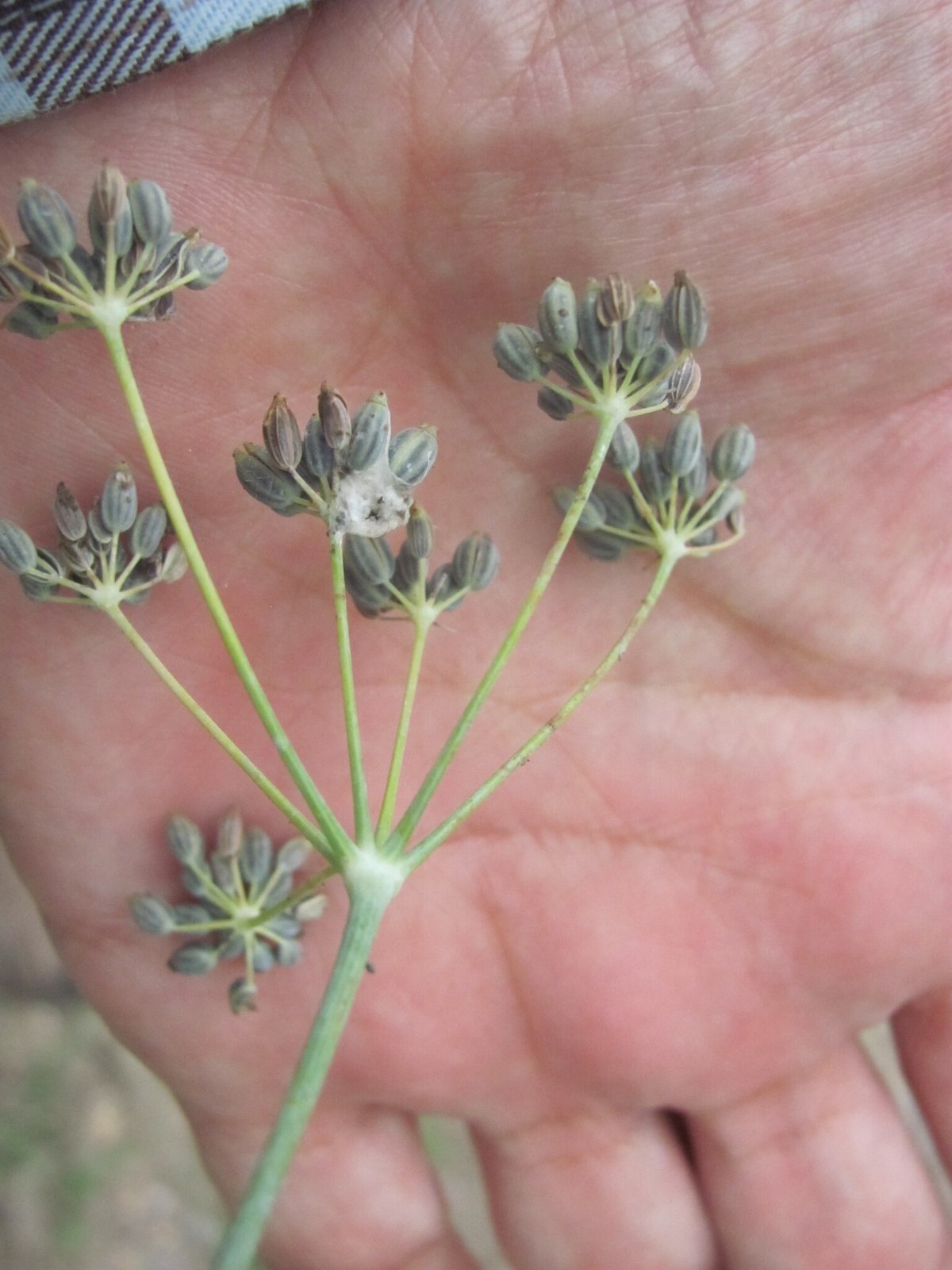
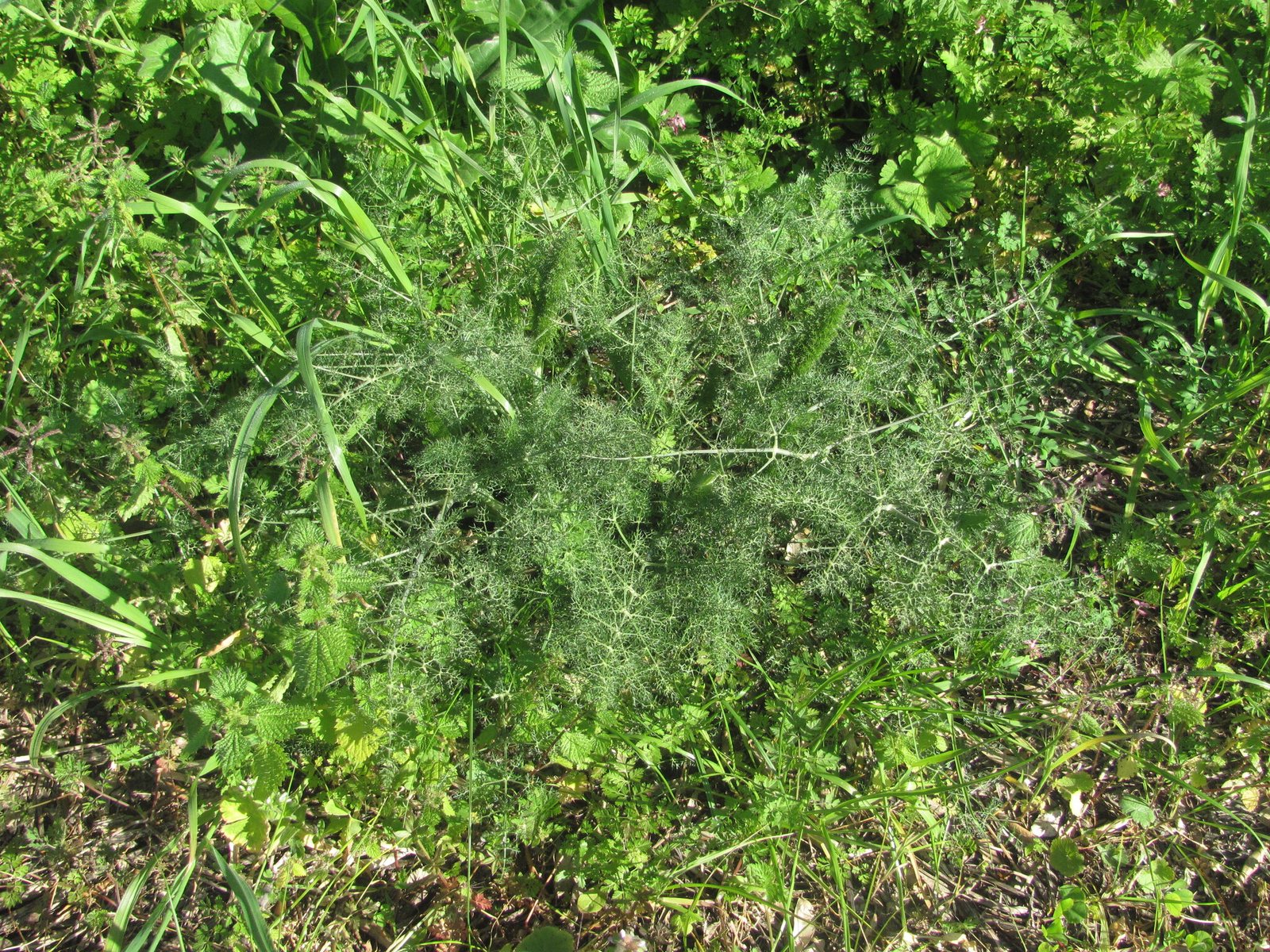
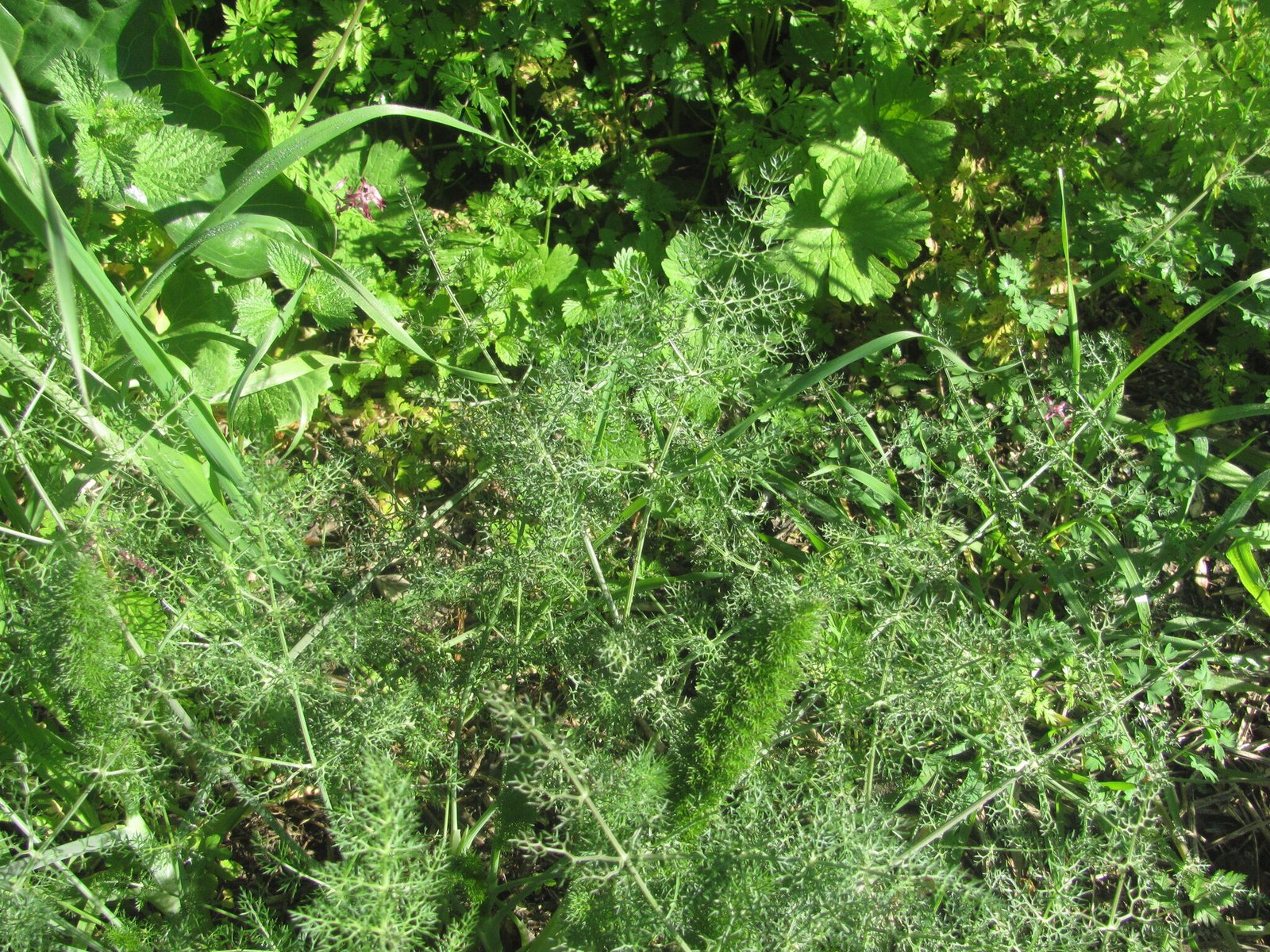
At a glance
- Sun
- Full sun; stems become weaker and flowering decreases in shade.
- Water
- Water regularly while establishing, then during prolonged dry spells. Established plants tolerate some drought; avoid waterlogged soil.
- Soil
- Well-drained soil, preferably moderately fertile; tolerates sandy, stony and chalky ground.
- Height
- 4-6 ft (1.2-1.8 m)
- Spread
- 1.5-3 ft (0.45-0.9 m)
- Flowers
- Summer into early autumn; small yellow flowers in broad, flat-topped clusters.
- Foliage
- Finely divided, threadlike green leaves with an anise scent; bronze-leaved forms are also grown. Usually dies back in cold winters but may retain foliage in mild climates.
- Growth
- Fast
- Care needed
- Medium
The year at a glance
- Pollinators
- Drought tolerant
- Cold hardy
- Heat tolerant
- Wildlife
- Low allergen
- Fragrant
- Edible
| J | F | M | A | M | J | J | A | S | O | N | D | |
|---|---|---|---|---|---|---|---|---|---|---|---|---|
| Flowers | ||||||||||||
| Fruit | ||||||||||||
| Plant |
Northern hemisphere months. In Australia, shift them by six.
- Difficulty
- Easy
- Toughness
- Very tough
Will it suit your garden?
Pick your zone, country, light and whether you have pets.
Full sun is 6 or more hours of direct sun a day, part shade 3 to 6 hours, shade under 3.
How it grows
Planting day
1 ft (0.3 m)
After 1 year
3 ft (0.92 m)
After 2 years
5 ft (1.5 m)
full size
About 2 years to full size.
From a typical nursery size, at an average rate for this kind of plant. A rule of thumb, not a forecast.
Good to know
- Cats and dogs
- Safe
- Invasive in
- the US and Australia
- In the garden
- Spreads vigorously: plan to contain it.
- Growth rate
- Fast
Care
Jobs through the year
- WaterApr–May, Sep–Oct, every 14 days
- Water established plants only if soil is dry; water seedlings more often.
- WaterJun–Aug, every 14 days
- Water deeply during prolonged drought; bulb fennel needs more consistent moisture.
- MulchMar–Apr
- Apply a light compost dressing, keeping the crown clear; avoid heavy feeding.
- ProtectMay–Jun
- Stake tall stems early in exposed positions.
- PruneFeb–Mar
- Cut dead stems to ground level before new shoots lengthen.
- DeadheadAug–Sep, every 7 days
- Remove fading heads before seeds ripen, except those retained for seed harvest.
- HarvestMay–Oct, every 7 days
- Snip a few fronds as needed; cut Florence bulbs when firm, before bolting.
- HarvestAug–Oct, every 7 days
- Collect seed heads when brown, before the seeds fall.
- Sow directly or plant young seedlings; the deep taproot makes established plants difficult to move.
- Water young plants deeply when the soil begins to dry, and established plants during extended drought.
- Avoid heavy feeding, which encourages soft, floppy growth; a light spring dressing of compost is usually enough.
- Stake tall plants early in exposed gardens, or support them among sturdy border plants.
- Remove unwanted seedlings promptly and cut off seed heads before they ripen where spreading is a concern.
Pruning. Cut spent flower heads off before the seeds mature unless you want to harvest seed or allow self-sowing. Cut dead stems to ground level in late winter or early spring before new shoots lengthen.
Harvest
Snip fennel fronds as needed once plants are established and about 6–8 inches (15–20 cm) tall, taking only a few stems at a time. For Florence (bulb) fennel, cut the swollen base at soil level when it is firm and about 3–4 inches (8–10 cm) across, usually 3–4 months after sowing, before a flower stalk develops. Harvest seeds in late summer or autumn when the seed heads turn brown but before seeds fall;
Through the year
- Late winter
- Cut down dead stems and check that the crown is not sitting in wet soil.
- Spring
- Direct-sow once the soil is workable and warming; thin seedlings to 1.5-2 ft (0.45-0.6 m) apart.
- Late spring
- Install supports in windy sites and remove unwanted volunteer seedlings.
- Summer
- Harvest small quantities of leaves and water during prolonged dry weather.
- Late summer
- Remove fading flower heads to prevent seeding, or collect seed heads as the seeds turn brown.
- Autumn
- Leave sound, seed-free stems for structure and insects, or remove broken stems.
In the garden
- Place near the back of a sunny border, where the fine foliage softens larger leaves without creating a solid visual barrier.
- Combine with coneflowers, yarrow and upright salvias for contrasting flower shapes and a long season of insect activity.
- Use in a herb garden or potager for accessible leaf and seed harvesting.
- Plant among drought-tolerant perennials in a gravel garden, allowing room for its mature height and spread.
Garden styles it suits: Cottage garden, Potager (kitchen garden), Mediterranean, Dry gravel garden, Pollinator garden and Edible landscape.
Plant it with: Yarrow, Purple coneflower, Meadow sage, Tall verbena, Lavender and Feather reed grass.
Wildlife: Flowers feed hoverflies, small parasitic wasps, bees and other insects. In North America, the foliage is a host plant for black swallowtail and anise swallowtail caterpillars; tolerate some leaf loss rather than spraying them.
Problems to watch for
- Excessive self-seeding: remove flower heads before seeds ripen and pull seedlings while their roots are small.
- Aphids on tender shoots: rinse off heavy colonies with water and preserve ladybirds, lacewings and other predators.
- Crown or root rot in wet soil: improve drainage or replant in a raised position; avoid frequent watering of established plants.
- Flopping stems: provide full sun, avoid rich feeding and stake early in exposed positions.
Safety
Fennel is not known to be toxic to cats, dogs or horses. Its leaves, seeds and Florence fennel leaf bases are edible to people in normal food quantities. Concentrated essential oil is not equivalent to the edible plant and should not be given to pets or taken internally without qualified advice.
Where it spreads. Spreads readily by seed. It is invasive in California and is also a weed concern in parts of Oregon and Washington. In Australia it is an environmental weed in parts of New South Wales, Victoria, South Australia, Western Australia and Tasmania. Check local restrictions before planting, especially near roadsides, grassland or coastal habitat.
Easily confused with
Dill (Anethum graveolens)
Also has fine foliage and yellow flower clusters, but is an annual, usually smaller, with a dill rather than anise scent. Its ripe seeds are broad and flattened; fennel seeds are longer and prominently ribbed.
Poison hemlock (Conium maculatum)
Highly poisonous. It has white rather than yellow flowers, broader fernlike leaf segments and usually purple-blotched stems. Never taste an unidentified plant or rely on smell alone to identify edible fennel.
Dogfennel (Eupatorium capillifolium)
Has similarly fine foliage but produces numerous small whitish flower heads rather than broad yellow umbels. It is not edible fennel and should not be used as a substitute.
The name
Foeniculum comes from the Latin for 'little hay', referring to the fine foliage or its scent, while vulgare means common.
Propagation. Direct-sow seed in spring, or in autumn where winters are mild. Transplant only small seedlings with minimal root disturbance; division is generally unsuccessful because of the taproot.
Checked against open data
- Accepted botanical name
- Foeniculum vulgare
- In the US and Canada
- Introduced in Canada, Hawaii, the lower 48 states, Puerto Rico and US Virgin Islands.
- Native range
- Afghanistan, Albania, Algeria, Baleares, Bulgaria, Corse, Cyprus, East Aegean Is., Egypt, Eritrea, Ethiopia and France.
- Measured
- Soil pH 7.5 to 8. Average height 89 cm.
Sources: GBIF (CC BY 4.0), USDA PLANTS and Trefle (CC BY 4.0). The care and design notes are LandscapeGPT's own.
See it in your own yard.
Upload a photo of your yard and see it redesigned with plants that suit your climate, each checked against your zone.