Field scabious
Knautia arvensis. Family Caprifoliaceae. Perennial.
Also called Blue buttons.
Field scabious is a European and western Asian meadow perennial with branching stems of pale lilac pincushion flowers. Gardeners grow it for its long summer flowering season, loose habit and value to pollinating insects, but it can seed freely and is a regulated weed in parts of North America.
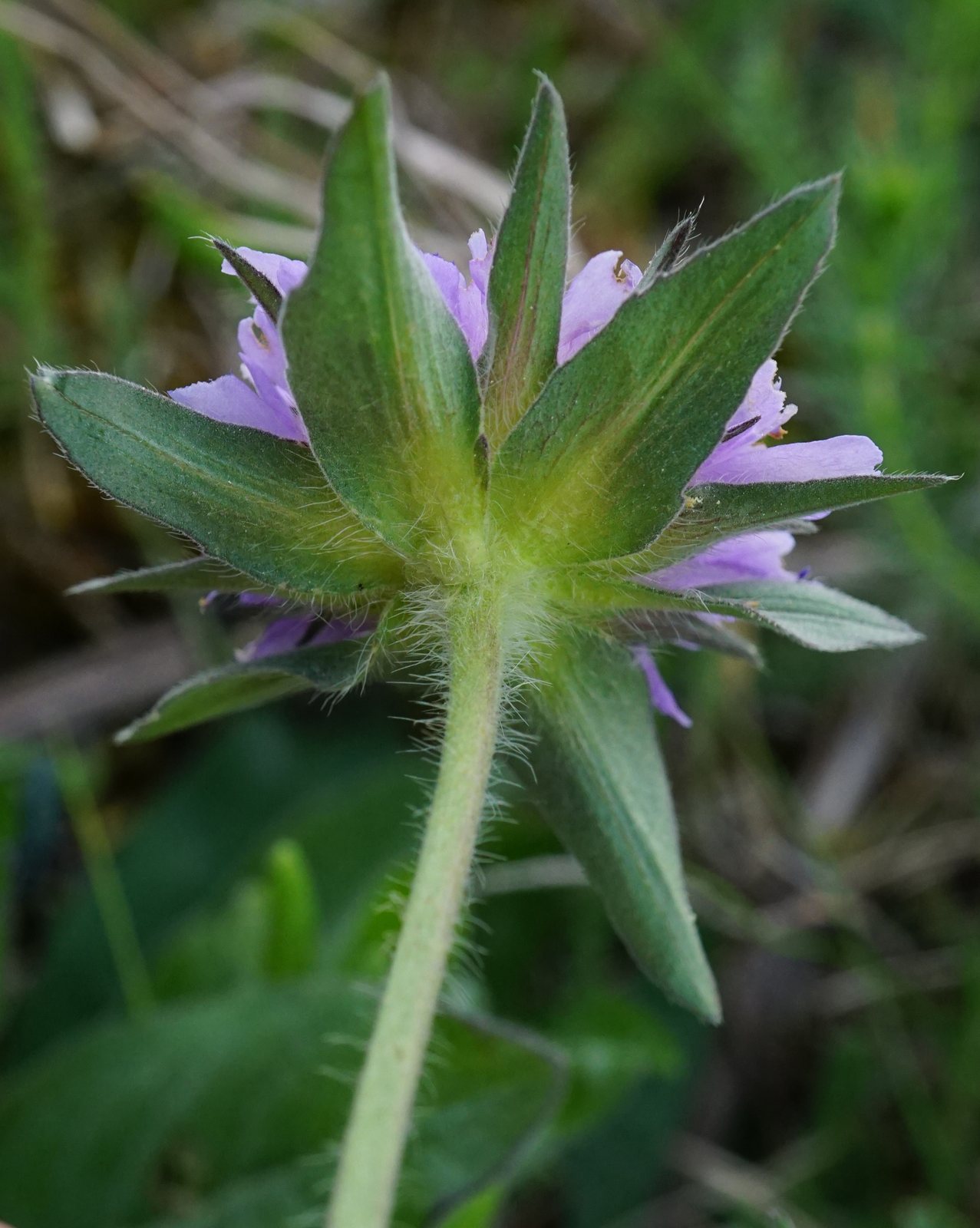
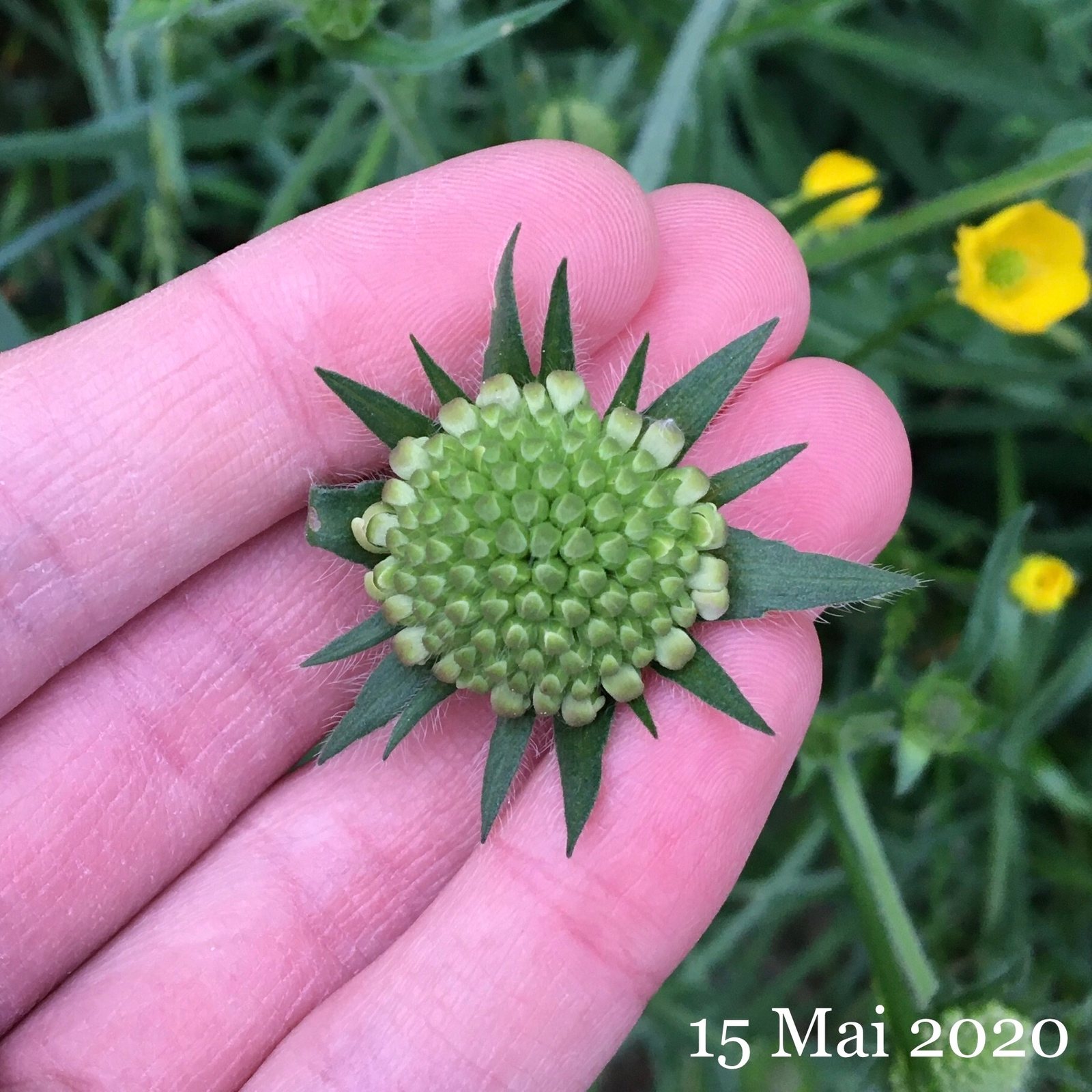
At a glance
- Sun
- Full sun; tolerates light shade, but flowers less and may lean.
- Water
- Water regularly while establishing; established plants tolerate dry spells. Avoid persistently wet soil.
- Soil
- Well-drained, lean to moderately fertile soil, preferably neutral to alkaline. Particularly suited to chalky or limestone soils; avoid wet, heavy clay.
- Height
- 2-4 ft (0.6-1.2 m)
- Spread
- 1-2 ft (0.3-0.6 m)
- Flowers
- Pale lilac to lavender-blue pincushion flowers from early summer into early autumn, especially if deadheaded.
- Foliage
- Grey-green, hairy leaves form a basal clump; lower leaves may be unlobed, while upper leaves are more deeply divided.
- Growth
- Moderate
- Care needed
- Low
The year at a glance
- Pollinators
- Drought tolerant
- Cold hardy
- Wildlife
- Low allergen
| J | F | M | A | M | J | J | A | S | O | N | D | |
|---|---|---|---|---|---|---|---|---|---|---|---|---|
| Flowers | ||||||||||||
| Plant |
Northern hemisphere months. In Australia, shift them by six.
- Difficulty
- Easy
- Toughness
- Very tough
Will it suit your garden?
Pick your zone, country, light and whether you have pets.
Full sun is 6 or more hours of direct sun a day, part shade 3 to 6 hours, shade under 3.
How it grows
Planting day
1 ft (0.3 m)
After 1 year
1.6 ft (0.5 m)
After 2 years
2.3 ft (0.7 m)
After 3 years
3 ft (0.9 m)
full size
About 3 years to full size.
From a typical nursery size, at an average rate for this kind of plant. A rule of thumb, not a forecast.
Good to know
- Cats and dogs
- Safe
- Native to
- the UK
- Invasive in
- the US and Canada
- In the garden
- Spreads vigorously: plan to contain it.
- Growth rate
- Moderate
Care
Jobs through the year
- WaterApr–May, Sep, every 21 days
- Water established clumps only during prolonged dry spells; water new plants whenever the root zone dries.
- WaterJun–Aug, every 14 days
- Water established plants deeply during prolonged drought, allowing soil to dry between waterings.
- PruneFeb–Mar
- Cut dead stems back to the basal clump without damaging new growth.
- DivideMar–Apr
- Divide congested clumps if needed and replant in freely draining soil.
- DeadheadJun–Sep, every 7 days
- Remove faded flowers to extend bloom and prevent seed escape.
- ProtectMar–May, Sep, every 30 days
- Remove unwanted seedlings; grow only where local invasive-plant rules permit.
- ProtectJan–Feb, Nov–Dec
- Keep wet leaves and moisture-retentive mulch off the crown and prevent standing water.
- Check local weed regulations before planting, particularly in western North America.
- Water through the first growing season whenever the root zone becomes dry.
- Avoid routine feeding; rich soil encourages floppy growth.
- Keep mulch away from the crown, especially in wet winters.
- Support tall stems with twiggy stakes in exposed gardens.
- Remove unwanted seedlings promptly and deadhead before seed ripens where spread is a concern.
Pruning. Remove faded flower heads during summer to encourage further flowering and limit seedlings. Cut dead stems back to the basal clump in late winter or early spring; where escape is a risk, remove flowering stems before they set seed.
Through the year
- Early spring
- Cut away dead stems without damaging new basal growth; remove unwanted seedlings.
- Spring
- Plant into well-drained soil and water thoroughly; divide established clumps if needed.
- Late spring
- Add discreet supports before tall stems start to lean.
- Summer
- Deadhead regularly and water newly planted clumps during dry spells.
- Early autumn
- Remove remaining flower heads before seed disperses where self-seeding is unwanted.
- Winter
- Check that water is not collecting around the crown; avoid adding moisture-retentive mulch over it.
In the garden
- Thread through a sunny cottage border with hardy geraniums and meadow sage for a loose, long-flowering display.
- Combine with fine-textured grasses in naturalistic planting, allowing the flower stems to rise above lower foliage.
- Use in a lean, sunny gravel border with yarrow and other drought-tolerant perennials.
- Include in a flowering meadow within its native range, where its open flowers provide accessible insect forage.
Garden styles it suits: Cottage garden, Wildflower, New perennial (prairie), Pollinator garden, Dry gravel garden and English country.
Plant it with: Yarrow, Meadow sage, Tufted hair grass, Hardy geranium and Small scabious.
Wildlife: Nectar and pollen attract bees, butterflies, hoverflies and other insects. It is a useful meadow flower within its native range, but its wildlife value does not outweigh the risk of introducing it where it is invasive.
Problems to watch for
- Flopping stems: provide full sun, avoid nitrogen-rich feed and support stems early if necessary.
- Crown or root rot in wet soil: improve drainage or move plants to a raised, freely draining position.
- Powdery mildew: give plants more airflow, water at soil level and remove badly affected foliage.
- Excessive self-seeding: deadhead before seeds mature and remove seedlings while small.
Safety
Not known to be toxic to people, cats, dogs or horses. No particular poisonous part is established, although species-specific safety information is limited; do not treat it as an edible plant.
Where it spreads. Spreads by seed and can invade pasture, hayfields and grassland in western North America. It is listed as a noxious weed in Alberta, parts of British Columbia, Montana and Washington. Check current local restrictions and do not plant it where regulated or close to vulnerable grassland.
Easily confused with
Small scabious (Scabiosa columbaria)
Usually shorter and more finely textured, with narrower, finely divided upper leaves. Its individual florets have five lobes, whereas field scabious florets have four.
Devil's-bit scabious (Succisa pratensis)
Has rounder, usually darker blue-purple flower heads and mostly undivided leaves. It generally favours moister soil than field scabious.
Macedonian scabious (Knautia macedonica)
Typically bears deep crimson to wine-red flowers rather than pale lilac ones; its garden forms can otherwise have a similar branching habit.
The name
Knautia honours the botanists Christian and Christoph Knaut, while arvensis means 'of fields'.
Propagation. Sow seed in pots in autumn or spring; germination can be uneven, and a period of winter cold may help. Divide established clumps in spring. Do not collect or distribute seed where the plant is regulated.
Checked against open data
- Accepted botanical name
- Knautia arvensis
- In the US and Canada
- Introduced in Canada and the lower 48 states.
- Native range
- Altay, Austria, Baltic States, Belarus, Belgium, Bulgaria, Buryatiya, Central European Rus, Czechoslovakia, Denmark, East European Russia and Finland.
- Measured
- Soil pH 7 to 7.5. Average height 31 cm.
Sources: GBIF (CC BY 4.0), USDA PLANTS and Trefle (CC BY 4.0). The care and design notes are LandscapeGPT's own.
See it in your own yard.
Upload a photo of your yard and see it redesigned with plants that suit your climate, each checked against your zone.