Fine Wine weigela
Weigela florida 'Bramwell'. Family Caprifoliaceae. Shrub.
Also called Weigela florida 'Bramwell', Fine Wine® weigela.
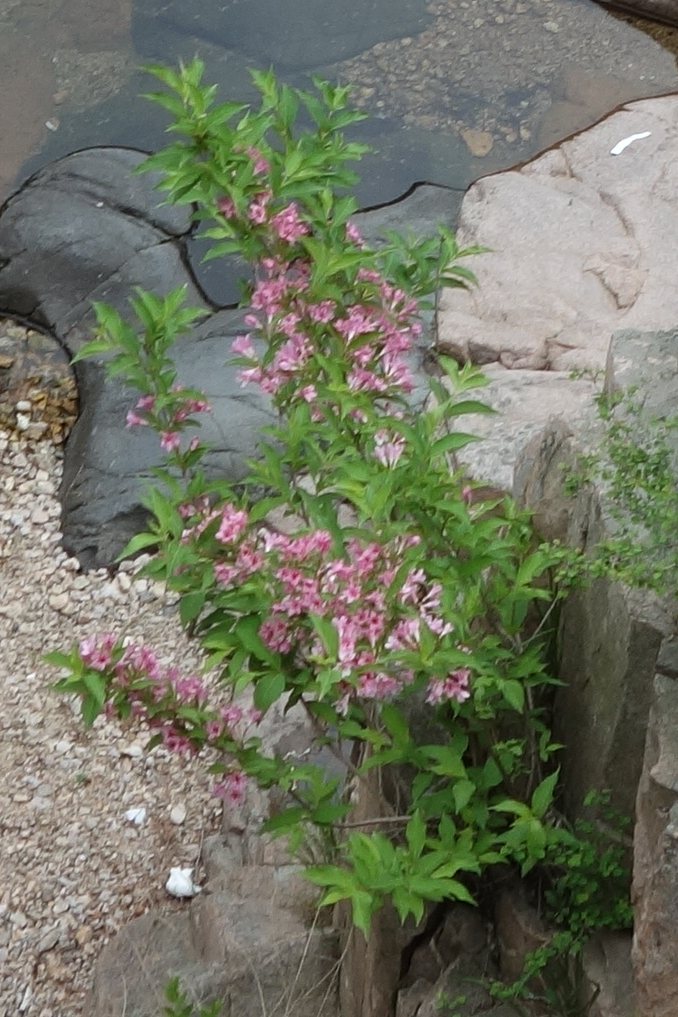
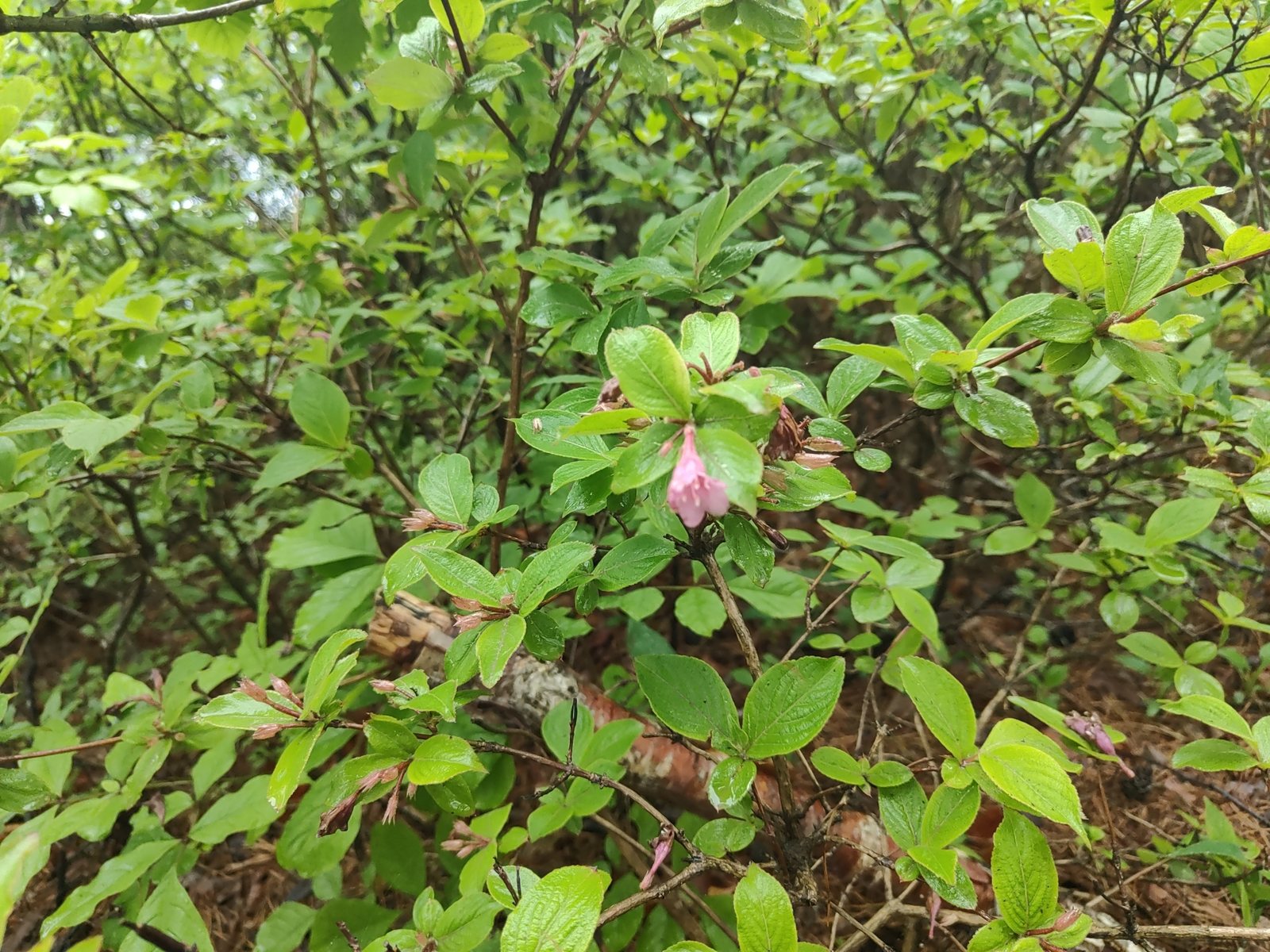
Fine Wine weigela is a compact, deciduous shrub grown for its dark burgundy foliage and pink, trumpet-shaped flowers. Its rounded habit suits small borders and foundation beds, where the leaves provide colour after the main late-spring flowering has finished.
At a glance
- Sun
- Full sun gives the darkest foliage and most flowers; tolerates partial shade with greener leaves and fewer blooms.
- Water
- Water regularly during the first growing season. Once established, water deeply during prolonged dry spells; avoid constantly wet soil.
- Soil
- Well-drained soil with moderate fertility; tolerates clay if drainage is adequate and a range from slightly acidic to slightly alkaline.
- Height
- 2-3 ft (0.6-0.9 m)
- Spread
- 2-3 ft (0.6-0.9 m)
- Flowers
- Pink, trumpet-shaped flowers in late spring to early summer; occasional scattered flowers may follow.
- Foliage
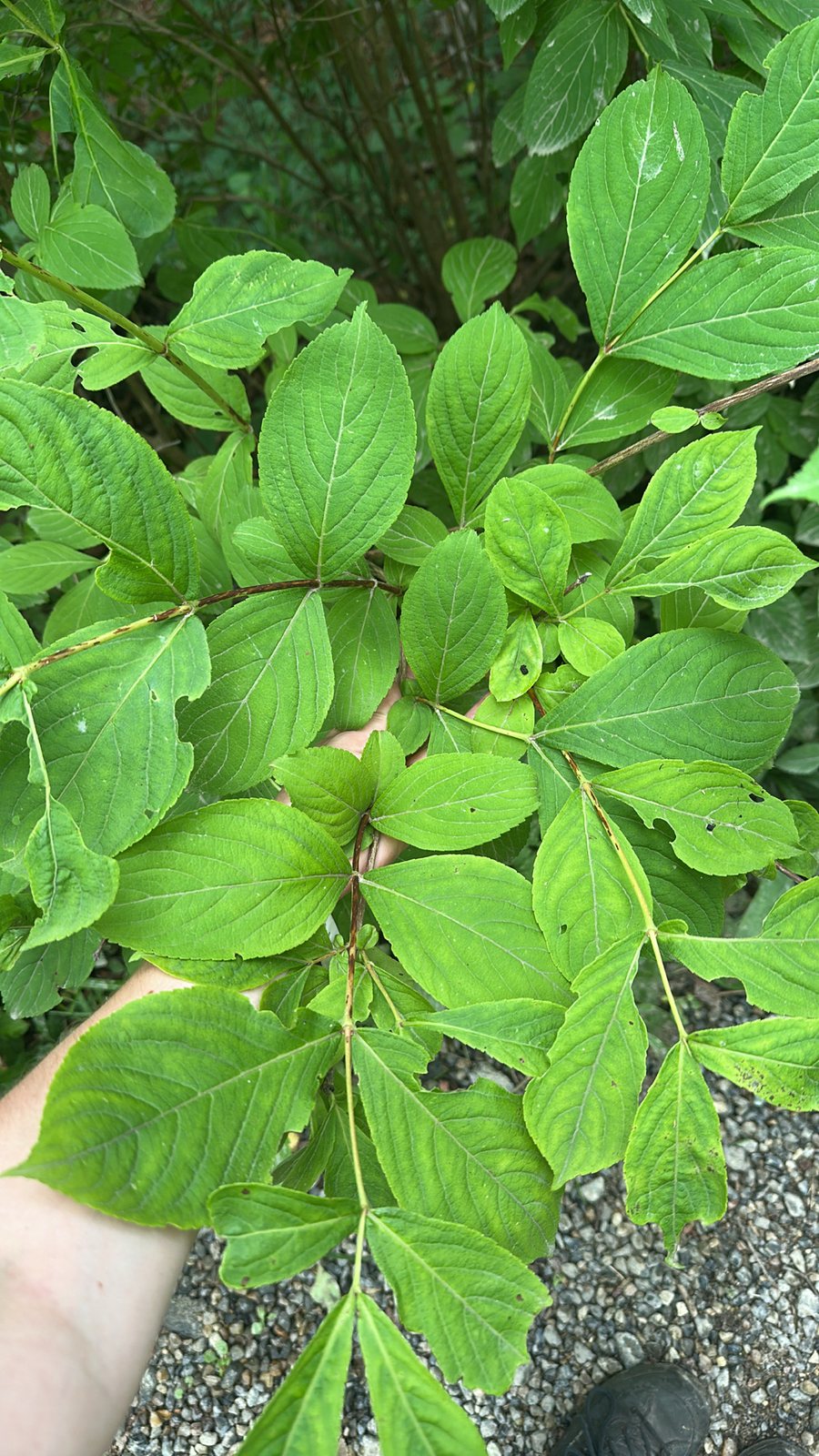
- Small, pointed, dark burgundy-purple leaves on densely branched stems; colour is strongest in sun. Leaves fall in autumn.
- Growth
- Moderate
- Care needed
- Low
The year at a glance
- Pollinators
- Wildlife
- Low allergen
| J | F | M | A | M | J | J | A | S | O | N | D | |
|---|---|---|---|---|---|---|---|---|---|---|---|---|
| Flowers | ||||||||||||
| Plant |
Northern hemisphere months. In Australia, shift them by six.
- Difficulty
- Easy
- Toughness
- Very tough
Will it suit your garden?
Pick your zone, country, light and whether you have pets.
Full sun is 6 or more hours of direct sun a day, part shade 3 to 6 hours, shade under 3.
How it grows
Planting day
1.6 ft (0.5 m)
After 1 year
1.8 ft (0.55 m)
After 2 years
2 ft (0.6 m)
After 3 years
2.1 ft (0.65 m)
After 5 years
2.5 ft (0.75 m)
full size
About 5 years to full size.
From a typical nursery size, at an average rate for this kind of plant. A rule of thumb, not a forecast.
Good to know
- Cats and dogs
- Safe
- Growth rate
- Moderate
Care
Jobs through the year
- WaterApr–May, Sep–Oct, every 14 days
- Water established shrubs deeply only if dry; water young plants more frequently as needed.
- WaterJun–Aug, every 7 days
- Water deeply during prolonged drought; skip when soil remains moist.
- MulchMar–Apr
- Maintain 5–8 cm of organic mulch without covering stem bases.
- FeedMar–Apr
- Top-dress with compost; use balanced fertilizer only for weak growth or poor soil.
- PruneMar–Apr
- Remove dead or winter-damaged stems after live buds become visible.
- PruneJun
- Immediately after flowering, shorten wayward shoots and remove an occasional old stem if congested.
- Water deeply when the root zone starts to dry during the first growing season.
- Apply a 2-3 in (5-8 cm) layer of organic mulch, keeping it clear of the stems.
- Add compost in spring; use a balanced shrub fertiliser only if growth is weak or soil is poor.
- Allow room for its natural rounded shape rather than repeatedly shearing it.
- Keep the soil freely draining, especially during wet winters.
Pruning. Prune immediately after the main flowering, shortening wayward shoots and removing an occasional old stem at ground level if the shrub becomes congested. Remove dead or winter-damaged wood in spring, but avoid general autumn or early-spring pruning because it removes flower buds.
Through the year
- Spring
- Plant when the soil is workable, water thoroughly, and mulch around the root zone.
- Early spring
- Check for winter damage and remove dead stems once live buds are visible.
- Late spring
- Check new shoots for aphids and dislodge small colonies with water.
- Early summer
- After the main flowering, lightly reshape only where needed.
- Summer
- Water young plants and established shrubs during prolonged drought.
- Autumn
- Plant in mild regions while the soil is still warm; avoid pruning off next year's flower buds.
In the garden
- Place near the front of a sunny mixed border, where its dark leaves contrast with green foliage.
- Repeat in small groups along a path or foundation bed for a consistent, rounded shape.
- Pair with catmint or hardy geraniums to soften the shrub's base and extend the flowering season.
- Use as a compact foliage accent beside pale flowers or silver-leaved perennials.
Garden styles it suits: Cottage garden, Traditional, English country, Small-space, Pollinator garden and Low-maintenance.
Plant it with: Catmint, Hardy geranium, Lady's mantle, Lamb's ear, Salvia and Dwarf fountain grass.
Wildlife: Flowers attract bees and, in North America, hummingbirds. The branches provide modest shelter for small garden wildlife.
Problems to watch for
- Aphids can cluster on young shoots; wash them off with water and preserve ladybirds and other predators.
- Spider mites may cause fine stippling during hot, dry weather; water the root zone well and rinse leaf undersides.
- Poor flowering often follows shade or pruning at the wrong time; provide more sun and prune only after the main bloom.
- Waterlogged soil can cause root decline and dieback; improve drainage or move the shrub to a better-drained position.
Safety
Not known to be toxic to people, cats, dogs or horses; no plant part is recognised as seriously poisonous. It is an ornamental rather than an edible plant, and eating plant material may cause stomach upset.
Easily confused with
Wine & Roses weigela (Weigela florida 'Alexandra')
Also has dark foliage and pink flowers, but usually grows substantially taller and broader, with larger leaves.
Midnight Wine weigela (Weigela florida 'Elvera')
Forms a much lower, spreading mound, commonly around 1-2 ft (0.3-0.6 m) tall, and often flowers less freely.
The name
Weigela honours German botanist Christian Ehrenfried Weigel, florida means abundantly flowering, and Fine Wine refers to the foliage colour.
Propagation. Take softwood cuttings in late spring or early summer, or layer a low branch. Seedlings will not reliably retain the cultivar's compact habit and foliage colour; check local plant-protection restrictions before propagating.
Checked against open data
- Accepted botanical name
- Weigela florida
- In the US and Canada
- Introduced in the lower 48 states.
- Native range
- China North-Central, China Southeast, Inner Mongolia, Japan, Korea, Manchuria and Primorye.
- Measured
- Average height 300 cm.
Sources: GBIF (CC BY 4.0), USDA PLANTS and Trefle (CC BY 4.0). The care and design notes are LandscapeGPT's own.
See it in your own yard.
Upload a photo of your yard and see it redesigned with plants that suit your climate, each checked against your zone.