Fire Chief arborvitae
Thuja occidentalis 'Congabe'. Family Cupressaceae. Shrub.
Also called Thuja occidentalis 'Congabe', Fire Chief eastern arborvitae, Fire Chief northern white cedar.
Fire Chief is a slow-growing, rounded evergreen grown for its golden foliage and orange-red seasonal tips. It stays compact without regular clipping and provides year-round structure in small borders and foundation plantings. The hardiness range given here is for the species; Fire Chief itself is commonly sold for USDA zones 5–8, so do not assume it shares the species' full cold tolerance.
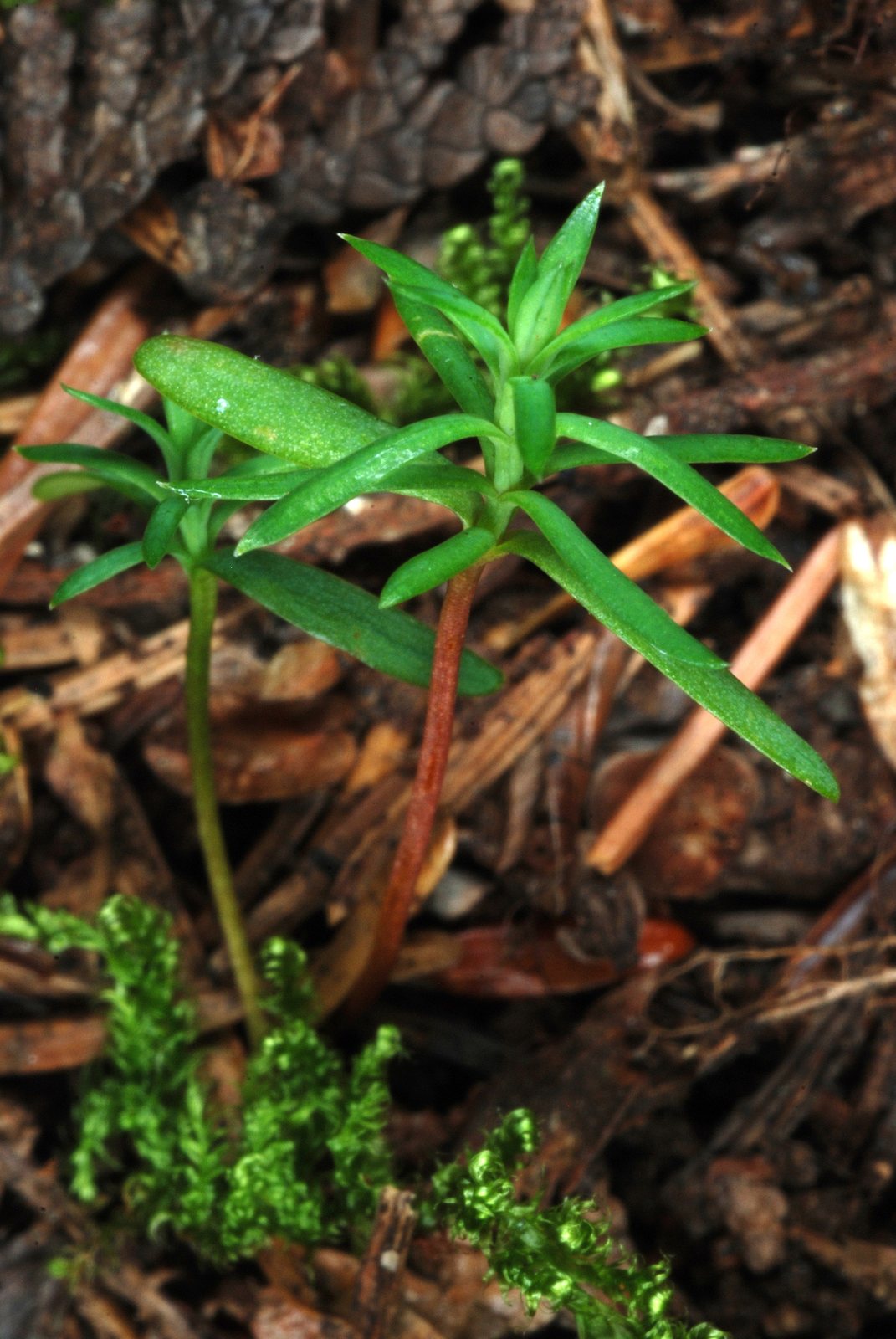
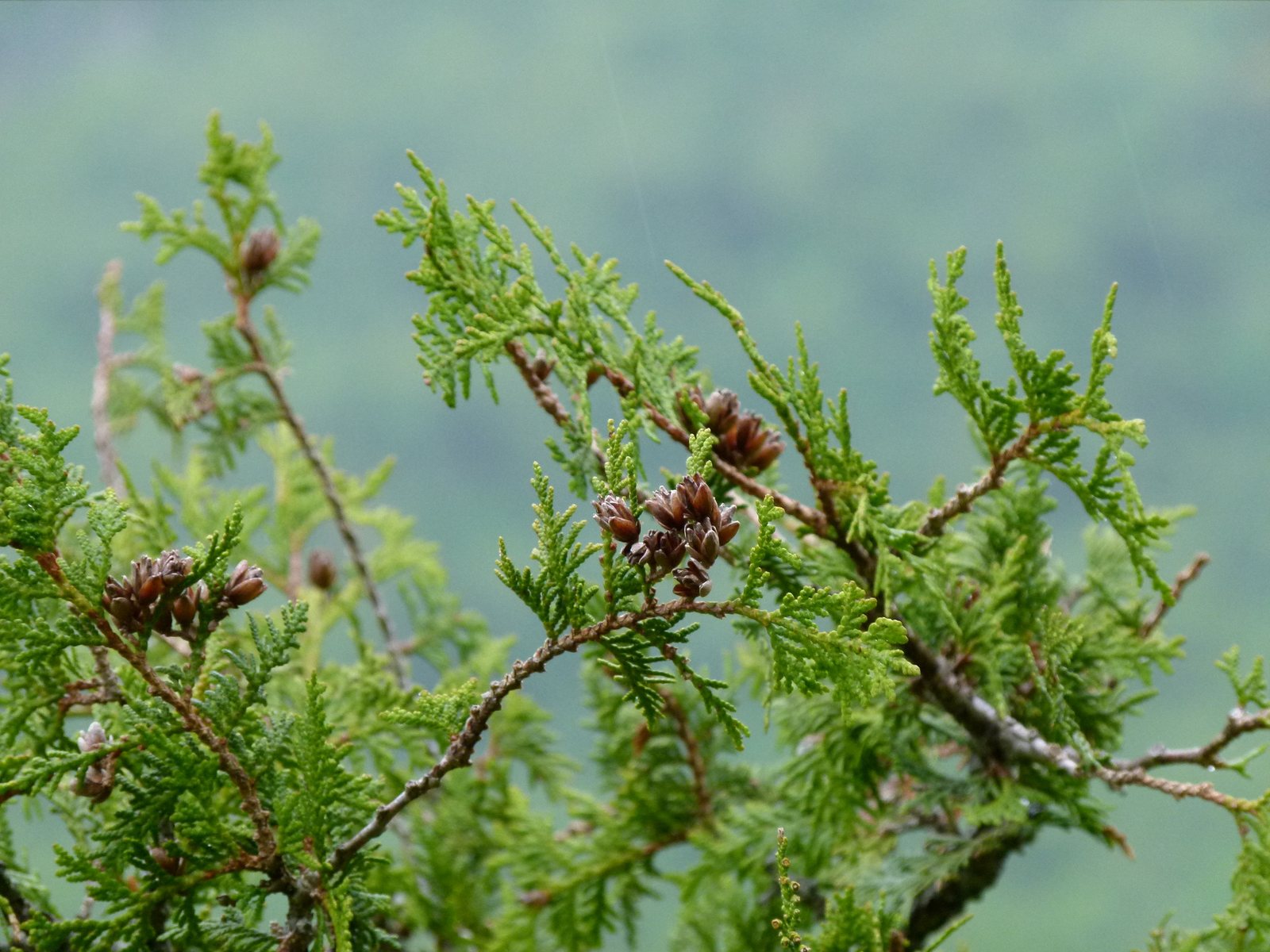
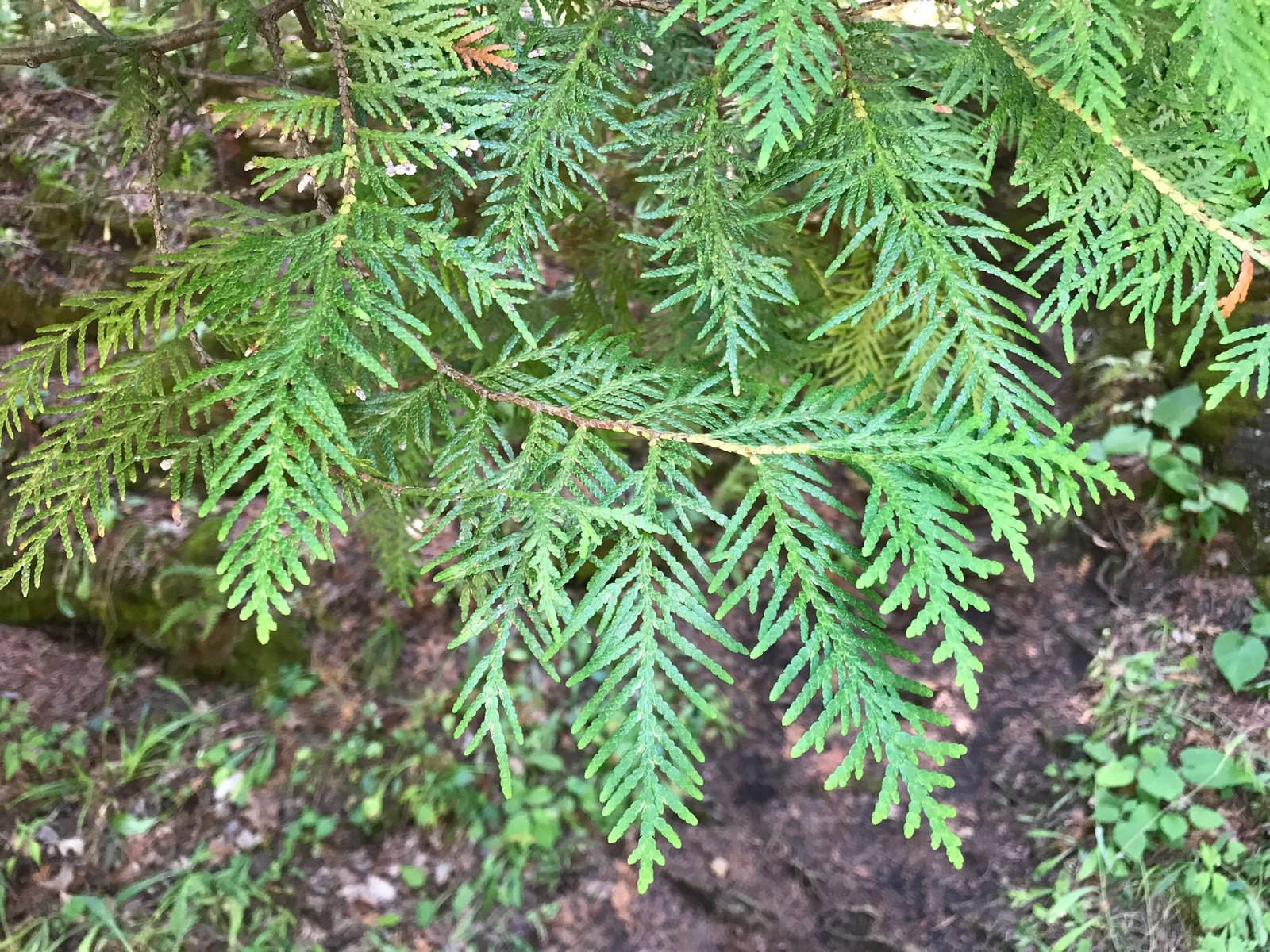
At a glance
- Sun
- Full sun to light partial shade; foliage colour is strongest with at least six hours of sun. In hot locations, provide some afternoon shade.
- Water
- Keep the root zone evenly moist, especially during establishment. Established plants tolerate brief dry spells but suffer in prolonged drought.
- Soil
- Moist, well-drained loam or clay loam; tolerates acidic to alkaline soil. Avoid waterlogged ground and very dry, shallow soil.
- Height
- 3-4 ft (0.9-1.2 m), eventually
- Spread
- 3-4 ft (0.9-1.2 m), eventually
- Foliage
- Fine, scale-like evergreen foliage on soft, flattened sprays. New growth is golden yellow, with orange-red tips becoming more noticeable in cooler weather; shaded foliage is greener.
- Growth
- Slow, usually a few inches each year; final size takes many years.
- Care needed
- Low
The year at a glance
- Cold hardy
- Wildlife
| J | F | M | A | M | J | J | A | S | O | N | D | |
|---|---|---|---|---|---|---|---|---|---|---|---|---|
| Plant |
Northern hemisphere months. In Australia, shift them by six.
- Difficulty
- Easy
- Toughness
- Fairly tough
Will it suit your garden?
Pick your zone, country, light and whether you have pets.
Full sun is 6 or more hours of direct sun a day, part shade 3 to 6 hours, shade under 3.
How it grows
Planting day
1.6 ft (0.5 m)
After 1 year
1.9 ft (0.57 m)
After 2 years
2.1 ft (0.64 m)
After 3 years
2.3 ft (0.71 m)
After 5 years
2.8 ft (0.84 m)
About 8 years to full size.
From a typical nursery size, at an average rate for this kind of plant. A rule of thumb, not a forecast.
Good to know
- Cats and dogs
- Toxic
- Native to
- the US and Canada
- Growth rate
- Slow
Care
Jobs through the year
- WaterApr–May, Sep–Oct, every 14 days
- Water established shrubs if rainfall is insufficient; check young plants more often for two growing seasons.
- WaterJun–Aug, every 7 days
- Water established shrubs deeply during dry weather, keeping roots moist but not saturated.
- WaterNov
- Water thoroughly before soil freezes if autumn has been dry.
- MulchMar–Apr
- Refresh organic mulch to 5–8 cm deep, keeping stems and the root flare clear.
- FeedApr
- Feed lightly only if growth is weak or a soil test confirms a deficiency.
- PruneMar–Apr
- Remove clearly dead or broken shoots after assessing winter damage.
- PruneMay–Jun
- Lightly trim stray green tips only if needed; never cut into bare brown wood.
- ProtectJan–Feb, Nov–Dec
- Protect from deer and drying winds, keep salt away, and gently brush off loose heavy snow.
- Plant with the root flare at soil level and leave enough room for its mature width.
- Water deeply whenever the upper soil begins to dry during the first two growing seasons.
- Spread 2-3 in (5-8 cm) of organic mulch over the root zone, keeping it away from the stems.
- Feed lightly in spring only if growth is weak or a soil test shows a deficiency.
- Water before the ground freezes if autumn has been dry, and protect exposed young plants from drying winter winds.
Pruning. Little pruning is needed; remove dead or broken shoots in spring. If shaping is necessary, lightly trim green tips in late spring or early summer, never cutting back into bare brown wood.
Through the year
- Spring
- Check for winter damage and remove dead or broken shoots.
- Spring
- Plant while the soil is workable and moist; refresh mulch without covering the root flare.
- Late spring
- Lightly trim stray green shoots only if they spoil the rounded outline.
- Summer
- Check soil moisture during dry spells and inspect foliage for mites or bagworms.
- Autumn
- Water deeply during dry weather, particularly before frozen soil prevents water uptake.
- Winter
- Keep de-icing salt away and gently brush off loose, heavy snow without striking frozen branches.
In the garden
- Repeat along a path or at the front of a mixed border for low, rounded evergreen structure.
- Pair with blue or dark-green conifers to make the golden foliage stand out.
- Use beside a doorway or patio where its winter colour can be seen at close range.
- Plant among low perennials and grasses, leaving space around the shrub so its rounded outline remains visible.
Garden styles it suits: Formal, Traditional, Modern, Winter interest, Low-maintenance and Small-space.
Plant it with: Coral bells, Japanese forest grass, Siberian iris, Dwarf blue spruce, Hostas and Hardy geraniums.
Wildlife: Dense foliage offers shelter for small birds, but this compact cultivar provides limited nesting space. Deer readily browse arborvitae and can severely disfigure it.
Problems to watch for
- Drought and winter burn cause browning, especially on exposed sides: maintain soil moisture, mulch the roots and shelter young plants from drying winds.
- Bagworms can strip foliage, particularly in parts of the United States: remove bags by hand before eggs hatch, or treat young feeding larvae with an appropriately labelled product.
- Spider mites cause fine stippling and dull, bronzed foliage in hot, dry conditions: check over white paper, rinse foliage thoroughly and use a labelled treatment if infestations persist.
- Root rot can develop in persistently saturated soil: improve drainage or move the plant; do not keep watering a declining shrub without checking soil moisture.
Safety
Do not eat the foliage or cones. Foliage and especially concentrated leaf oil contain compounds that can cause poisoning if swallowed; keep people, cats, dogs and horses from consuming them. Small incidental nibbles are less concerning than substantial ingestion, but seek medical or veterinary advice after suspected poisoning. Sap or foliage may irritate sensitive skin.
Easily confused with
Fireglow arborvitae (Thuja occidentalis 'Fireglow')
Another compact, warm-coloured arborvitae; colour and habit overlap enough that a reliable nursery label is the safest distinction.
Rheingold arborvitae (Thuja occidentalis 'Rheingold')
Usually becomes larger and more broadly conical with age, and often shows more fine, juvenile needle-like foliage.
Golden Globe arborvitae (Thuja occidentalis 'Golden Globe')
Has a similar rounded habit but generally more consistently yellow outer foliage, without Fire Chief's characteristic orange-red tips.
The name
Arborvitae means 'tree of life', occidentalis means 'western', and the selling name Fire Chief refers to the foliage's fiery colouring.
Propagation. Propagate from semi-ripe cuttings in late summer; seedlings will not reliably retain the cultivar's colour and habit. Check current plant-patent or plant-breeders' rights restrictions in your country before propagating.
Checked against open data
- Accepted botanical name
- Thuja occidentalis
- In the US and Canada
- Native in Canada and the lower 48 states.
- Native range
- Connecticut, Illinois, Indiana, Kentucky, Maine, Manitoba, Maryland, Masachusettes, Michigan, Minnesota, New Brunswick and New Hampshire.
- Measured
- Soil pH 5.2 to 7. Average height 1460 cm.
Sources: GBIF (CC BY 4.0), USDA PLANTS and Trefle (CC BY 4.0). The care and design notes are LandscapeGPT's own.
See it in your own yard.
Upload a photo of your yard and see it redesigned with plants that suit your climate, each checked against your zone.