Florist's cineraria
Pericallis × hybrida. Family Asteraceae. Annual.
Also called Florists' cineraria, Common cineraria, Senecio × hybridus.
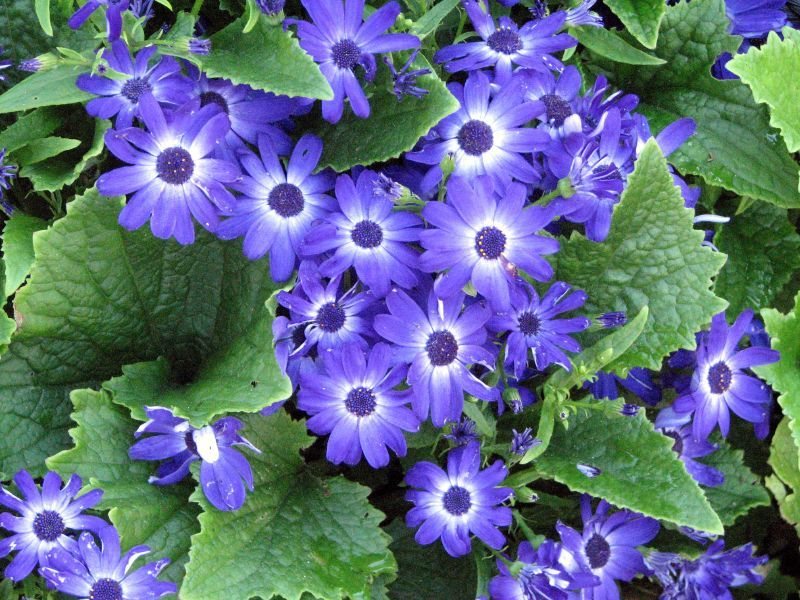
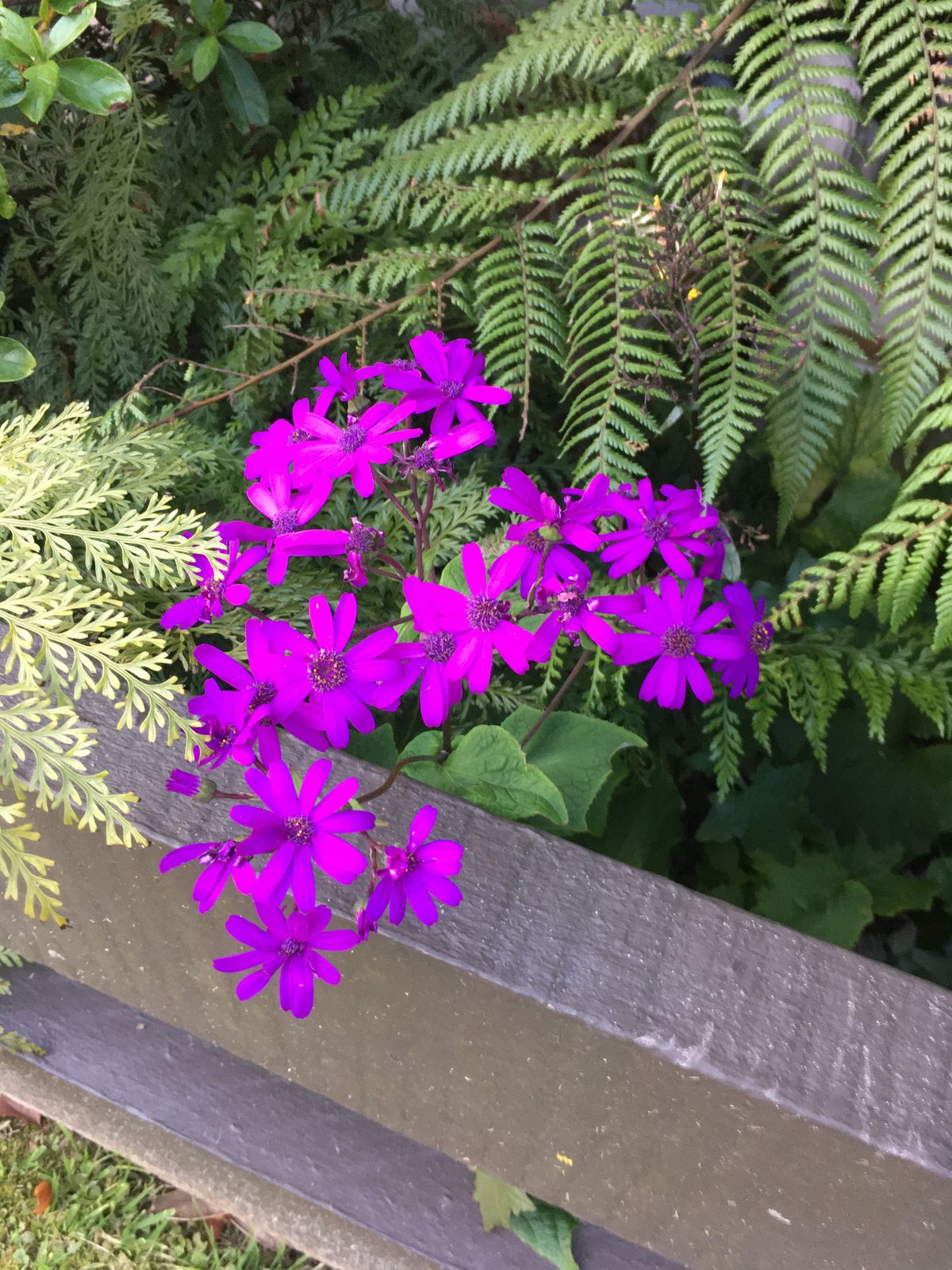
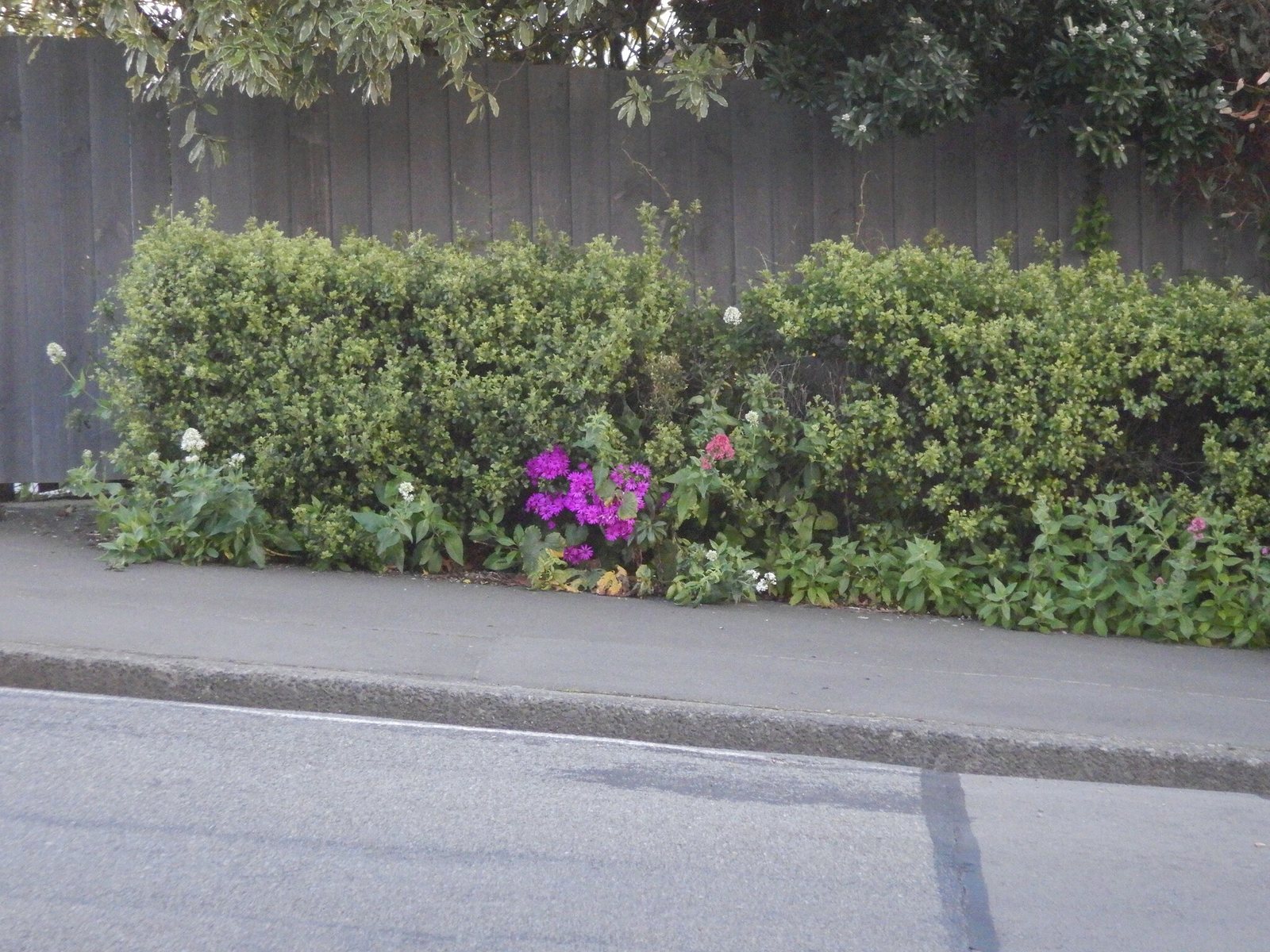
Florist's cineraria is a tender, short-lived perennial usually grown as an annual for its dense clusters of brightly coloured, daisy-like flowers. It makes a cool-season pot plant or temporary bedding display in sheltered partial shade, but struggles with frost, hot sun and summer heat.
At a glance
- Sun
- Bright partial shade outdoors; bright indirect light indoors. Gentle morning sun is suitable in cool weather, but avoid hot afternoon sun.
- Water
- Keep the root ball evenly moist without leaving it waterlogged. Plants wilt quickly if allowed to dry out.
- Soil
- Fertile, moisture-retentive but well-drained soil; use good-quality potting compost in containers.
- Height
- 1-2 ft (0.3-0.6 m)
- Spread
- 1-1.5 ft (0.3-0.45 m)
- Flowers
- Usually late winter through spring, depending on sowing time and greenhouse production; blue, purple, pink, red or white flowers, often with contrasting white centres or rings.
- Foliage
- Evergreen. Broad, soft, green leaves with toothed edges, often heart-shaped and slightly hairy.
- Growth
- Fast in cool growing conditions.
- Care needed
- Medium
The year at a glance
- Pollinators
| J | F | M | A | M | J | J | A | S | O | N | D | |
|---|---|---|---|---|---|---|---|---|---|---|---|---|
| Flowers | ||||||||||||
| Plant |
Northern hemisphere months. In Australia, shift them by six.
- Difficulty
- Moderate
- Toughness
- Needs looking after
Will it suit your garden?
Pick your zone, country, light and whether you have pets.
Full sun is 6 or more hours of direct sun a day, part shade 3 to 6 hours, shade under 3.
How it grows
Planting day
0.5 ft (0.15 m)
After 1 year
1.5 ft (0.45 m)
full size
Full size in one season.
From a typical nursery size, at an average rate for this kind of plant. A rule of thumb, not a forecast.
Good to know
- Cats and dogs
- Toxic
- Growth rate
- Fast
Care
Jobs through the year
- WaterFeb–Apr, every 3 days
- For protected flowering pots, check moisture daily and water as the surface starts drying.
- WaterMay–Jun, every 2 days
- Keep outdoor plants evenly moist, not saturated; check pots daily and adjust for rain.
- FeedFeb–May, every 14 days
- Feed actively growing plants with half-strength flowering-plant fertiliser.
- DeadheadFeb–May, every 7 days
- Snip faded flower heads and remove yellowing leaves.
- ProtectJan–Apr, Oct–Dec
- Keep any retained plants or seedlings in bright, cool, frost-free shelter.
- ProtectMay–Jun
- Acclimatise before planting out after frost; shelter from hot afternoon sun.
- Plant outdoors only after frost risk has passed, while the weather is still cool.
- Check container moisture daily during flowering; water when the surface begins to dry.
- Empty saucers after watering and keep drainage holes clear.
- Feed actively growing plants every two weeks with a half-strength flowering-plant fertiliser.
- Keep indoor plants in a bright, cool room away from radiators and warm draughts.
Pruning. Snip off faded flower heads and remove yellowing leaves throughout the display. Once flowering finishes, plants are usually composted rather than cut back for another season.
Through the year
- Late summer
- For plants raised from seed, sow for a cool-season display and keep seedlings shaded from strong sun.
- Autumn
- Pot on seedlings as needed and move them under bright, frost-free cover before cold weather.
- Winter
- Keep protected plants cool and bright; water carefully without leaving the compost saturated.
- Spring
- Move plants outdoors after frost risk has passed, gradually acclimatising them to a sheltered, partly shaded position.
- Spring
- Remove faded flowers, check regularly for aphids and maintain even moisture.
- Summer
- Move remaining flowering pots away from heat; compost exhausted plants when their display ends.
In the garden
- Group flowering pots beside a sheltered entrance for a temporary cool-season display.
- Use in partly shaded window boxes with primroses and violas.
- Place beneath deciduous shrubs for spring colour before the canopy becomes dense.
- Combine blue or purple flowers with pale spring bulbs for a contrasting container display.
Garden styles it suits: Cottage garden, Traditional, Victorian, Modern courtyard, Blues and silvers and Small-space.
Plant it with: Primroses, Violas, Forget-me-nots, Grape hyacinths, Dwarf daffodils and Ivy.
Wildlife: Open flowers can attract bees and other pollinating insects when plants are grown outdoors, although this is usually a short-lived seasonal display.
Problems to watch for
- Aphids cluster on soft shoots and flower stems: inspect frequently, wash off small colonies and use insecticidal soap if needed, following the label.
- Whiteflies infest protected plants: check leaf undersides, isolate affected pots and treat with a labelled insecticidal soap.
- Grey mould develops on flowers and leaves in damp, crowded conditions: remove affected material, improve airflow and avoid wetting flowers.
- Wilting can follow dry compost, waterlogged roots or excessive heat: check moisture and drainage before watering, and move plants to a cooler, shaded position.
Safety
Treat all parts as toxic if eaten by people, cats, dogs or horses. Cinerarias contain pyrrolizidine alkaloids, which can damage the liver, particularly with repeated ingestion; seek medical or veterinary advice after ingestion.
Easily confused with
Silver ragwort (Jacobaea maritima)
Also sold as cineraria, but grown mainly for deeply divided, silvery leaves rather than broad green foliage and colourful daisy flowers.
Poison primrose (Primula obconica)
Another cool-season flowering pot plant, but its flowers have five broad lobes rather than a daisy's central disc surrounded by narrow rays.
The name
The common name survives from its former placement in Cineraria, a name derived from the Latin for ash-coloured, referring to the greyish foliage of some plants in that group.
Propagation. Usually raised from seed in late summer or autumn under cool, protected conditions. Sow on the surface of moist seed compost and follow the packet's temperature guidance; named hybrids may not come true from saved seed.
Checked against open data
- Accepted botanical name
- Pericallis hybrida
- In the US and Canada
- Introduced in the lower 48 states.
Sources: GBIF (CC BY 4.0) and USDA PLANTS. The care and design notes are LandscapeGPT's own.
See it in your own yard.
Upload a photo of your yard and see it redesigned with plants that suit your climate, each checked against your zone.