Flowering cherry 'Accolade'
Prunus 'Accolade'. Family Rosaceae. Tree.
Also called 'Accolade' cherry, Japanese flowering cherry 'Accolade'.
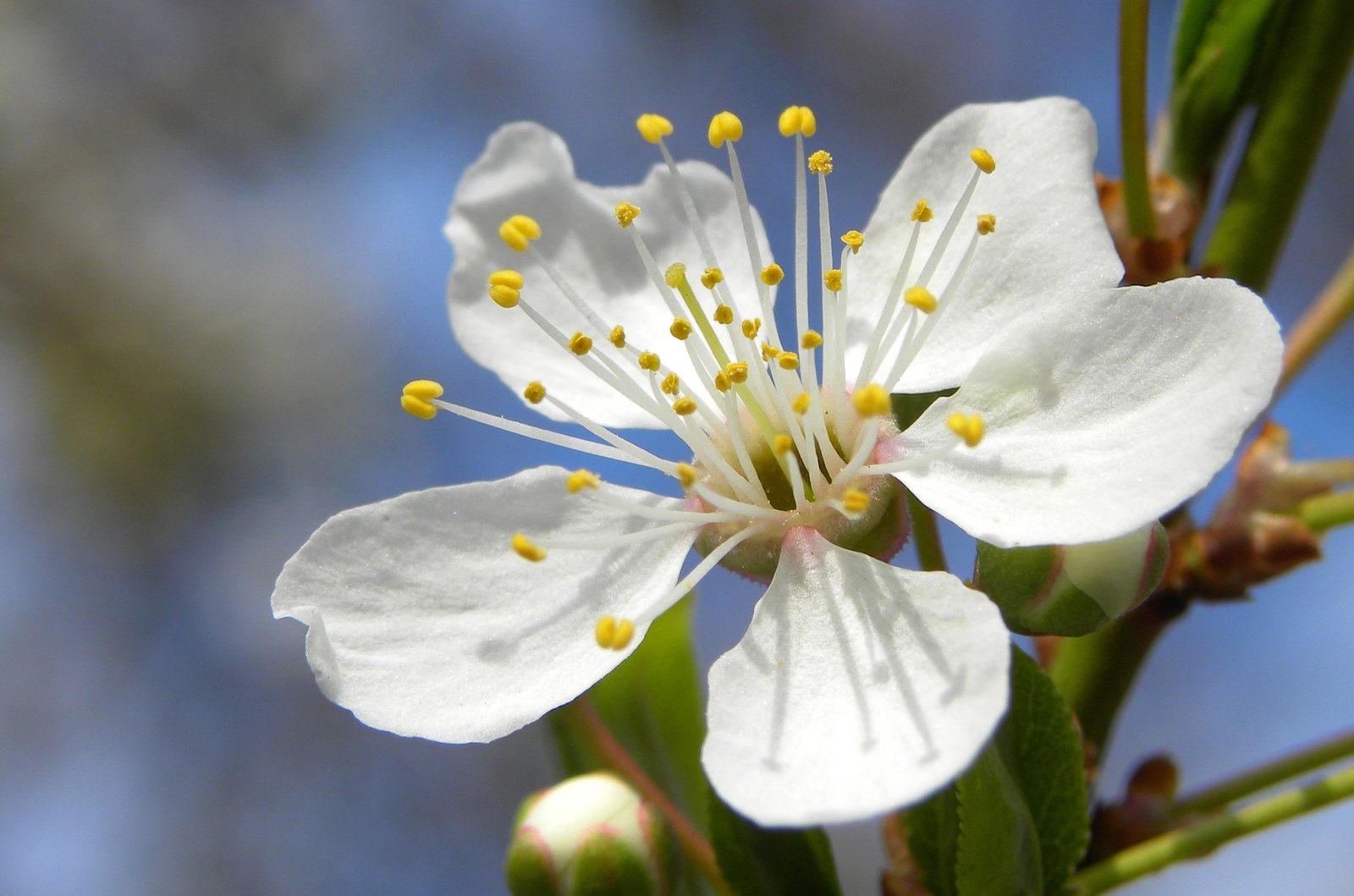
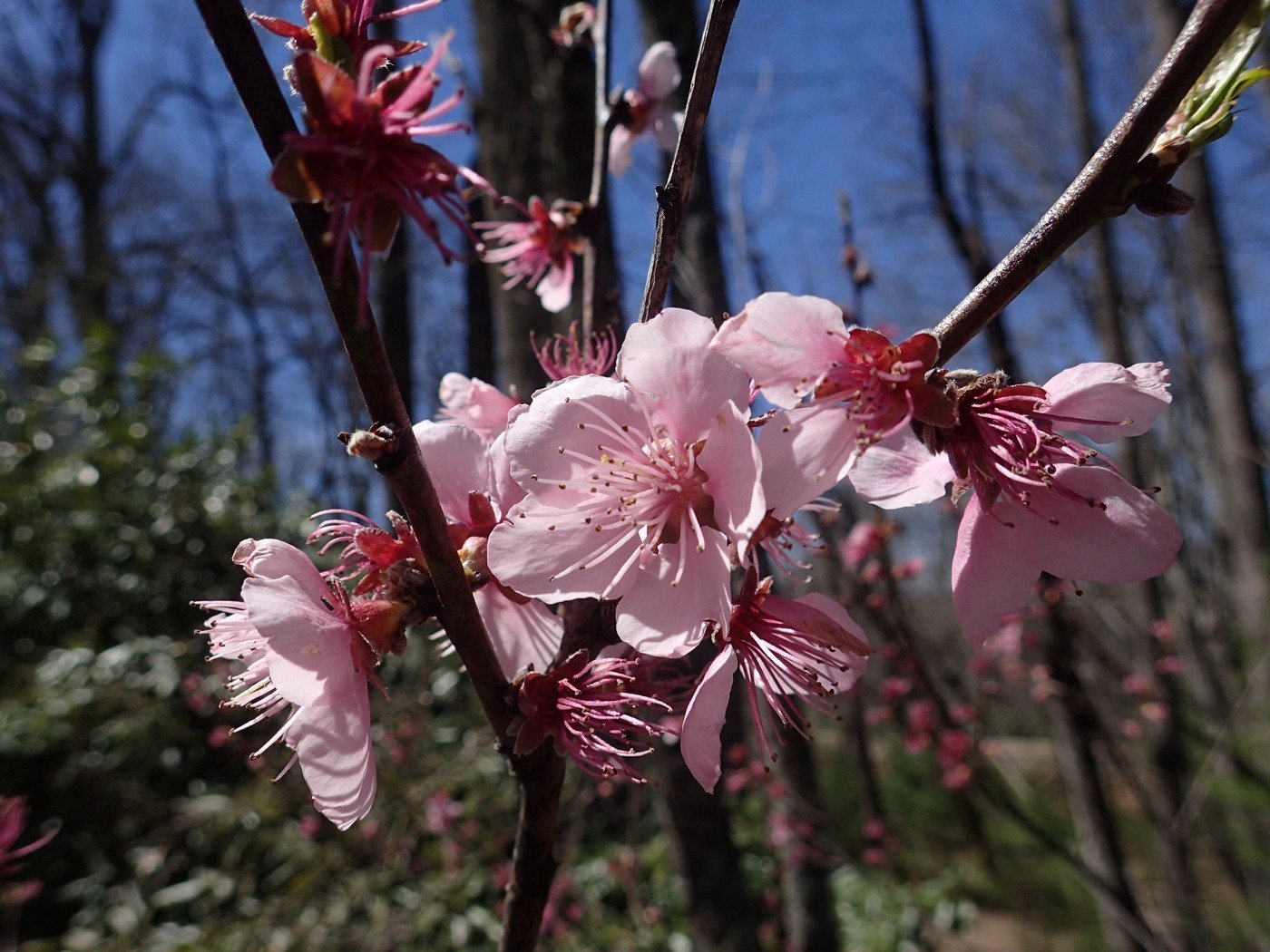
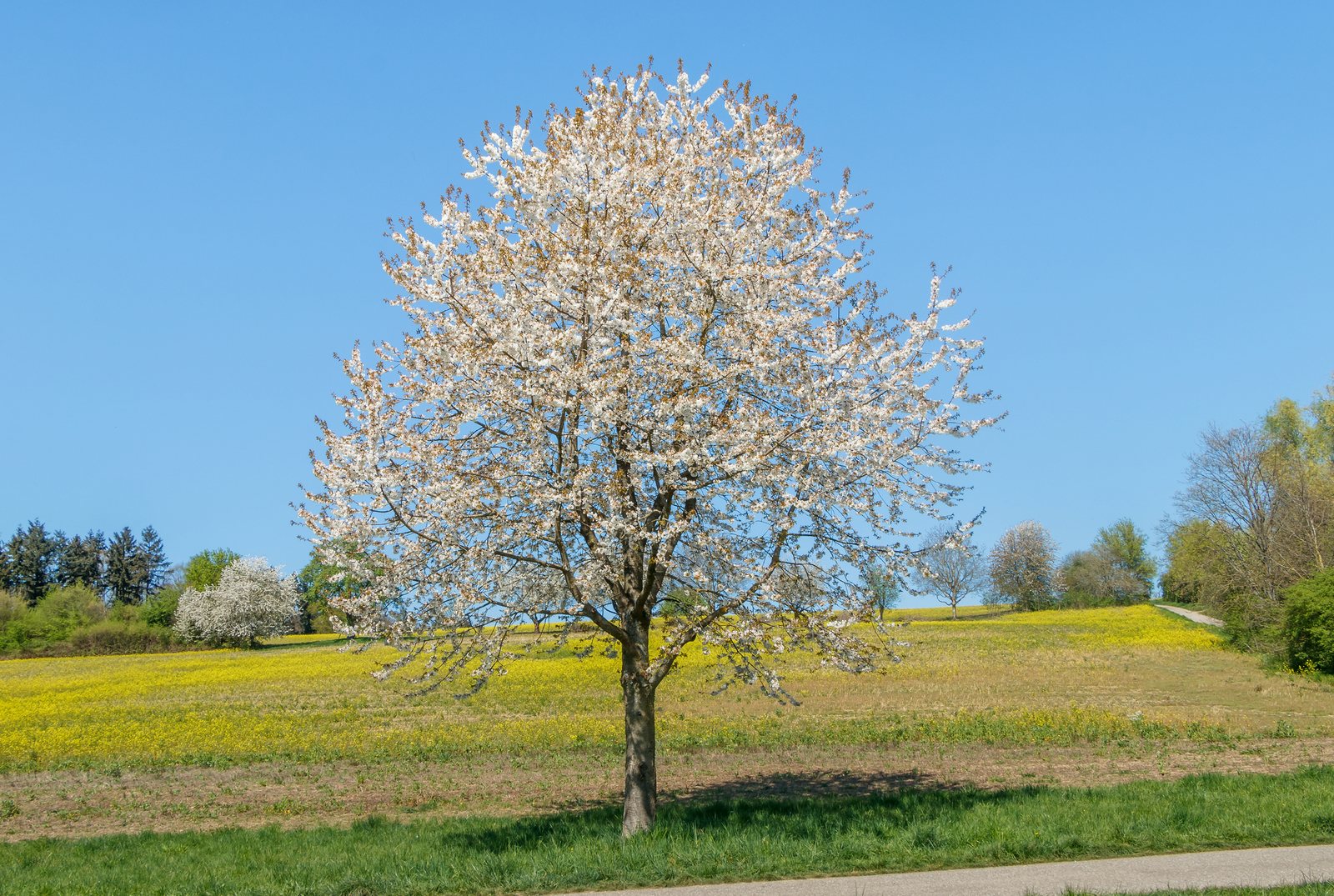
'Accolade' is a deciduous ornamental cherry with spreading branches and clusters of semi-double, soft pink flowers in early spring. Gardeners grow it for its generous blossom display, graceful outline and orange to red autumn foliage; allow room for its broad mature crown.
At a glance
- Sun
- Full sun gives the best flowering; tolerates light partial shade.
- Water
- Moderate; water deeply during dry spells while establishing. Established trees tolerate short dry periods but struggle in prolonged drought or waterlogged soil.
- Soil
- Fertile, well-drained soil that retains some moisture; tolerates clay, loam and sandy soil if drainage is good, and mildly acidic to alkaline conditions.
- Height
- 20-30 ft (6-9 m)
- Spread
- 20-30 ft (6-9 m)
- Flowers
- Early to mid-spring, often March-April in the Northern Hemisphere and September-October in southern Australia; pink buds open into semi-double, pale pink flowers.
- Foliage
- Deciduous, toothed green leaves, often bronze-tinted when young, turning orange, yellow or red in autumn.
- Growth
- Moderate
- Care needed
- Medium
The year at a glance
- Pollinators
- Wildlife
- Low allergen
| J | F | M | A | M | J | J | A | S | O | N | D | |
|---|---|---|---|---|---|---|---|---|---|---|---|---|
| Flowers | ||||||||||||
| Plant |
Northern hemisphere months. In Australia, shift them by six.
- Difficulty
- Moderate
- Toughness
- Fairly tough
Will it suit your garden?
Pick your zone, country, light and whether you have pets.
Full sun is 6 or more hours of direct sun a day, part shade 3 to 6 hours, shade under 3.
How it grows
Planting day
7 ft (2 m)
After 1 year
7 ft (2.3 m)
After 2 years
8 ft (2.6 m)
After 3 years
9 ft (2.8 m)
After 5 years
11 ft (3.4 m)
About 20 years to full size.
From a typical nursery size, at an average rate for this kind of plant. A rule of thumb, not a forecast.
Good to know
- Cats and dogs
- Toxic
- Growth rate
- Moderate
Care
Jobs through the year
- WaterApr–May, Sep–Oct, every 14 days
- Deep-water established trees only in dry spells; young trees need more frequent checks.
- WaterJun–Aug, every 7 days
- Deep-water during prolonged drought; keep young trees moist through their first two summers.
- MulchMar–Apr
- Renew a 5–8 cm organic mulch, keeping it clear of the trunk and root flare.
- FeedMar–Apr
- Feed only if growth is weak or a soil test shows deficiency; avoid excess nitrogen.
- PruneJun–Aug
- In dry weather, remove damaged or crossing branches and rootstock suckers; avoid large cuts.
- ProtectFeb, Oct
- Check stakes, ties and bark guards; remove diseased fallen leaves in autumn.
- Plant with the root flare at soil level and any graft union above the soil; avoid wet hollows.
- Water deeply through the first two growing seasons whenever the root zone begins to dry.
- Apply 2-3 in (5-8 cm) of organic mulch, keeping it clear of the trunk.
- Keep grass away from the trunk and protect the bark from mower and string-trimmer damage.
- Stake only if the tree is unstable, using flexible ties; remove the support once roots hold it firmly.
- Feed in spring only if growth is weak or a soil test shows a deficiency; avoid heavy nitrogen feeding.
Pruning. Prune sparingly in dry weather in summer, removing dead, damaged or crossing branches and any shoots from below the graft. Avoid routine autumn or winter pruning and large cuts, which increase the risk of silver leaf and canker.
Through the year
- Autumn
- Plant while the soil is workable and well drained; in very cold regions, postpone planting until spring.
- Late winter
- Check stakes, ties and trunk protection, loosening anything that is rubbing or constricting the bark.
- Spring
- Renew mulch and water newly planted trees during dry weather.
- Late spring
- Check young shoots for aphids and leaves for chewing damage; avoid spraying open flowers.
- Summer
- Make any necessary pruning cuts during a dry spell and remove rootstock suckers.
- Summer
- Water deeply during prolonged drought, especially during the first two years after planting.
- Autumn
- Remove diseased fallen leaves and check that mulch has not accumulated against the trunk.
In the garden
- Use as a specimen in a lawn, with a broad mulched planting area beneath the crown.
- Place behind a spring bulb border so blossom and bulbs flower together.
- Plant beside a path or seating area where its spreading canopy can be enjoyed without crowding buildings.
- Combine with shade-tolerant perennials beneath the outer canopy for foliage interest after flowering.
Garden styles it suits: Japanese, English country, Romantic rose garden, Cottage garden, Pastel border and Woodland.
Plant it with: Snowdrops, Daffodils, Hellebores, Siberian bugloss, Hardy geraniums and Japanese painted ferns.
Wildlife: Flowers provide some pollen and nectar for early insects, although semi-double blooms are generally less accessible than single cherry flowers. The branches offer perching and nesting cover for birds.
Problems to watch for
- Bacterial canker: sunken bark, gum and dying shoots can indicate infection. Prune affected branches back to healthy wood in dry summer weather, disinfect tools and improve drainage.
- Silver leaf: silvery foliage and branch dieback need investigation. Remove affected branches in dry summer weather; seek an arborist's advice if major limbs are involved.
- Aphids: colonies can curl young leaves and leave sticky honeydew. Encourage natural predators or wash accessible colonies off with water.
- Root rot and poor establishment: yellowing, wilting or decline can follow waterlogging or deep planting. Keep the root flare exposed and correct drainage; do not compensate with extra watering.
Safety
Leaves, stems, bark and seeds contain cyanogenic compounds and can poison cats, dogs, horses and people if eaten. Wilted leaves and chewed or crushed seeds are particular concerns; substantial ingestion can be fatal. Do not treat this ornamental cherry as a food plant, and keep prunings away from livestock.
Easily confused with
Yoshino cherry (Prunus × yedoensis)
Typically has single, five-petalled flowers that open very pale pink and fade almost white; 'Accolade' has more petals and a distinctly pink display.
Flowering cherry 'Kanzan' (Prunus 'Kanzan')
Flowers later in spring with much fuller, deeper pink blooms and conspicuous bronze young leaves; its young crown is more upright and vase-shaped.
Autumn-flowering cherry (Prunus × subhirtella 'Autumnalis')
Produces scattered pale flowers in mild autumn and winter weather as well as spring; 'Accolade' concentrates its main display in early spring and has larger, pinker flowers.
The name
Prunus is the Latin name for the plum tree, now used for the genus that includes cherries, plums, peaches and their relatives.
Propagation. Usually propagated by budding or grafting onto a compatible cherry rootstock. Seed does not come true to 'Accolade'; shoots arising below the graft belong to the rootstock.
Checked against open data
- Accepted botanical name
- Prunus
Sources: GBIF (CC BY 4.0). The care and design notes are LandscapeGPT's own.
See it in your own yard.
Upload a photo of your yard and see it redesigned with plants that suit your climate, each checked against your zone.