Foxglove tree
Paulownia tomentosa. Family Paulowniaceae. Tree.
Also called Empress tree, Princess tree, Royal paulownia.
A fast-growing deciduous tree with large, heart-shaped leaves and fragrant, pale purple flowers carried before the leaves open. Gardeners grow it as a flowering specimen or cut it back annually for exceptionally large foliage, but it needs space and can spread aggressively in suitable climates.
At a glance
- Sun
- Full sun, sheltered from strong winds; flowering is best where summers are warm.
- Water
- Water regularly while establishing. Established trees tolerate some drought, but prolonged dryness reduces growth.
- Soil
- Deep, reasonably fertile, well-drained soil; tolerates a range of soil textures and pH levels but dislikes waterlogging.
- Height
- 30-60 ft (9-18 m)
- Spread
- 30-40 ft (9-12 m)
- Flowers
- Fragrant lavender-purple, foxglove-shaped flowers in upright clusters in spring, before the leaves; overwintering flower buds are vulnerable to frost.
- Foliage
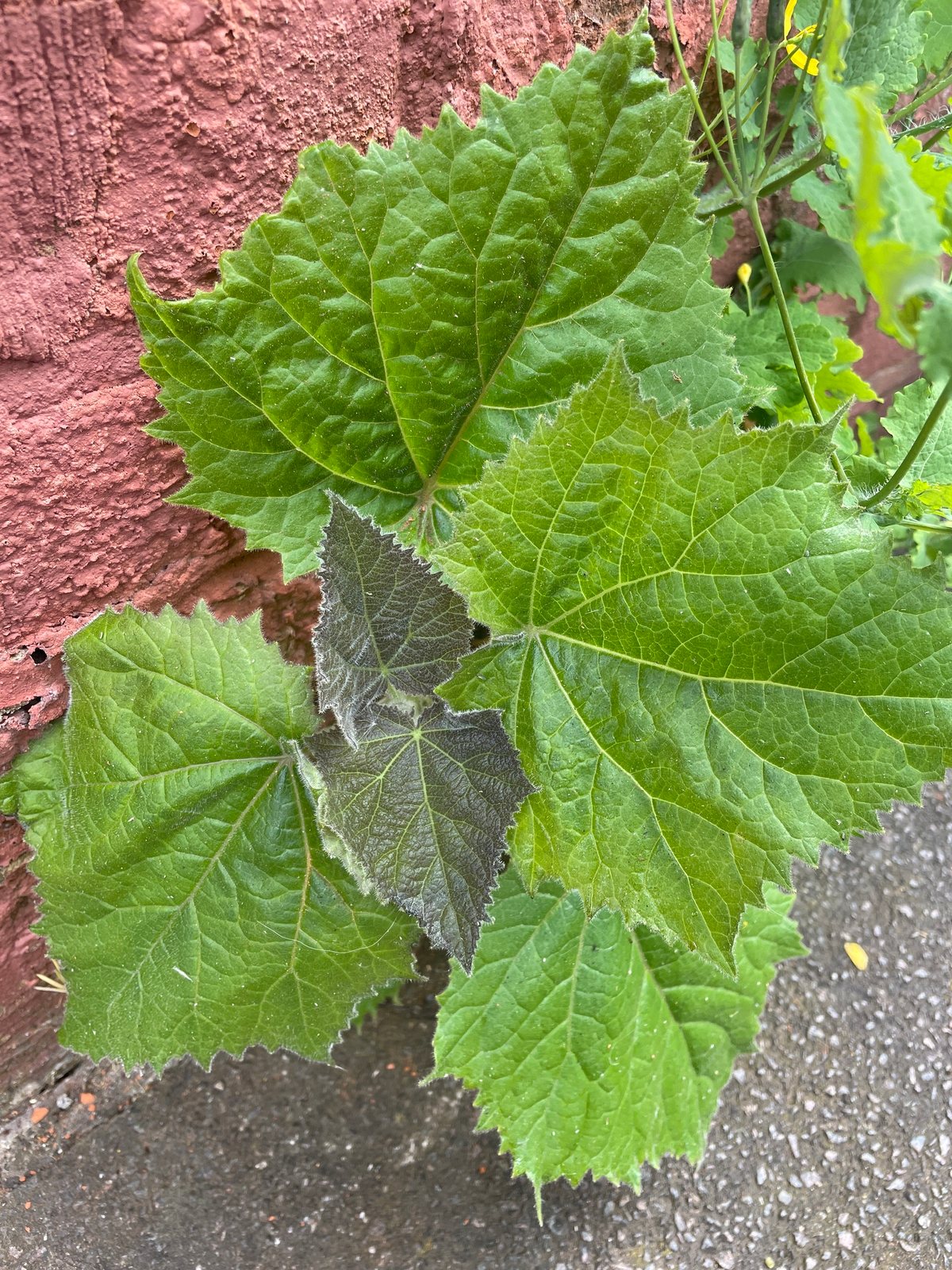
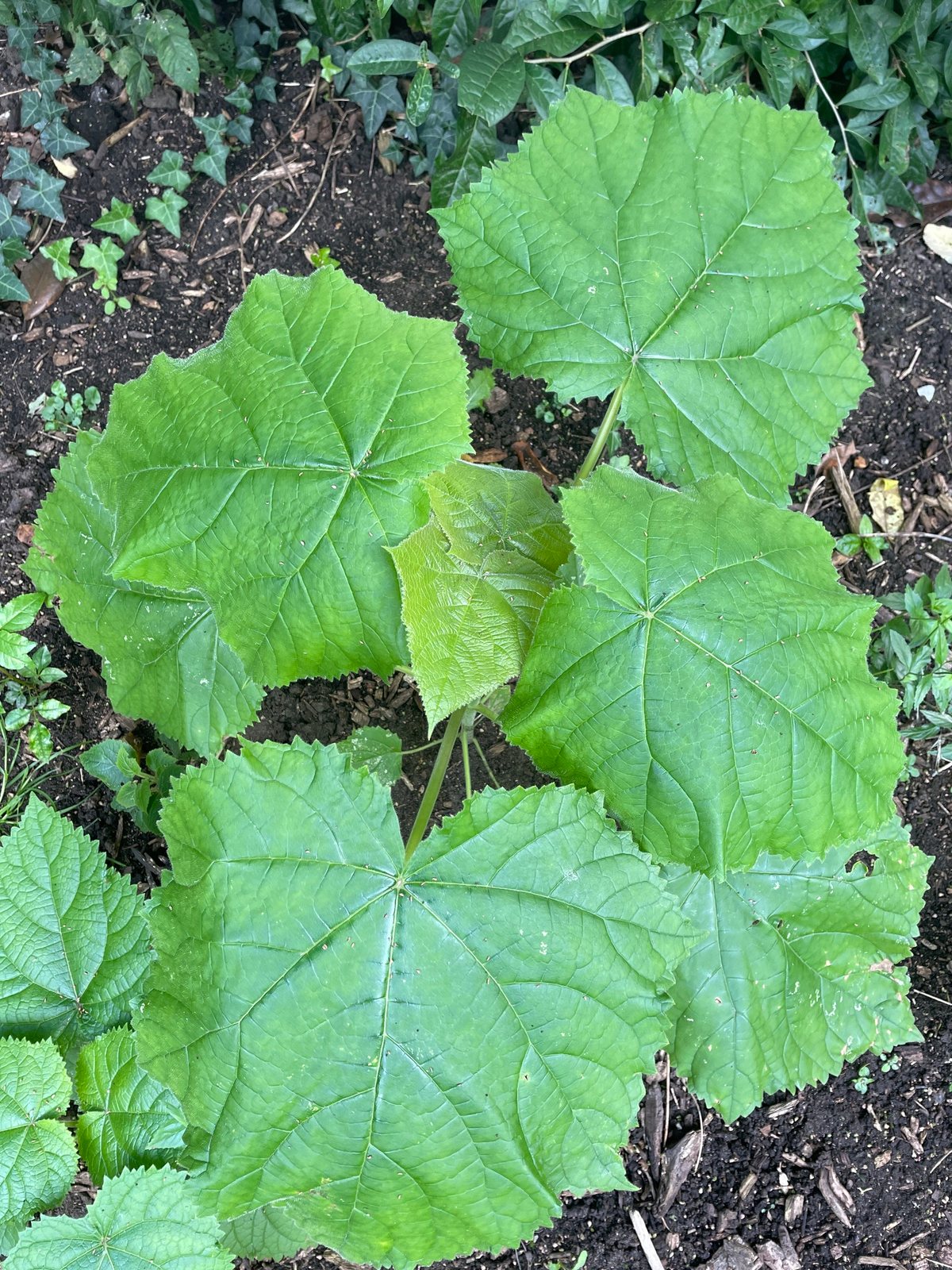
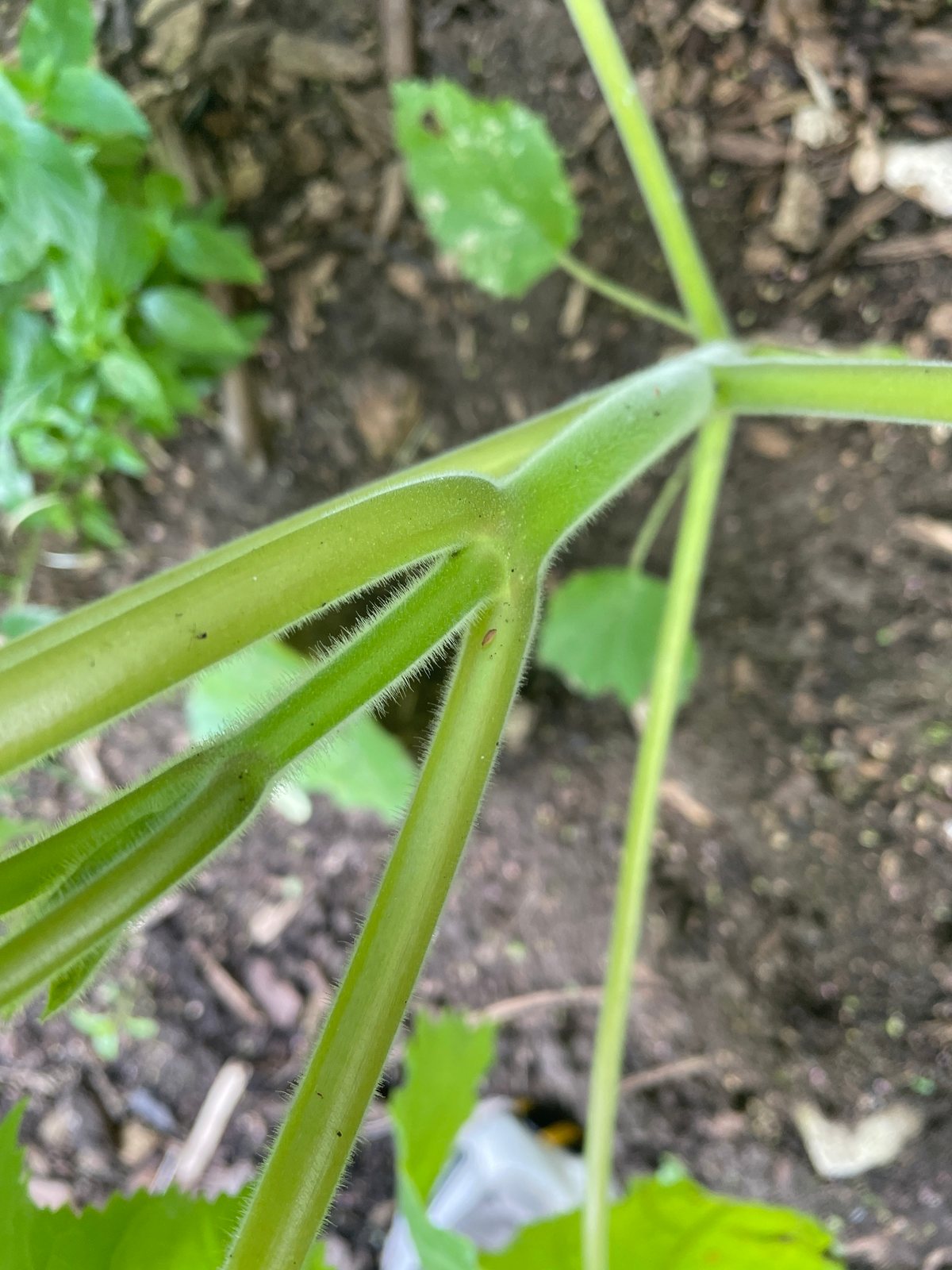
- Large, soft, heart-shaped green leaves with hairy undersides; leaves on annually cut-back shoots can exceed 2 ft (0.6 m) across. Autumn colour is usually unremarkable.
- Growth
- Fast; vigorous young shoots can grow several feet in a season.
- Care needed
- Medium
The year at a glance
- Pollinators
- Drought tolerant
- Heat tolerant
- Low allergen
- Fragrant
| J | F | M | A | M | J | J | A | S | O | N | D | |
|---|---|---|---|---|---|---|---|---|---|---|---|---|
| Flowers | ||||||||||||
| Fruit | ||||||||||||
| Plant |
Northern hemisphere months. In Australia, shift them by six.
- Difficulty
- Moderate
- Toughness
- Fairly tough
Will it suit your garden?
Pick your zone, country, light and whether you have pets.
Full sun is 6 or more hours of direct sun a day, part shade 3 to 6 hours, shade under 3.
How it grows
Planting day
7 ft (2 m)
After 1 year
9 ft (2.9 m)
After 2 years
12 ft (3.8 m)
After 3 years
15 ft (4.7 m)
After 5 years
21 ft (6.4 m)
About 13 years to full size.
From a typical nursery size, at an average rate for this kind of plant. A rule of thumb, not a forecast.
Good to know
- Cats and dogs
- Safe
- Invasive in
- the US
- In the garden
- Spreads vigorously: plan to contain it.
- Growth rate
- Fast
Care
Jobs through the year
- WaterApr–May, Sep–Oct, every 21 days
- Deep-water established trees only if soil is dry; water more often during the first two growing seasons.
- WaterJun–Aug, every 14 days
- Deep-water during prolonged dry spells; young trees need more frequent watering.
- MulchMar–Apr
- Renew organic mulch over the root area, keeping the trunk clear.
- PruneFeb–Mar
- Establish a strong leader and remove damaged branches; retain healthy shoots for flowers.
- PruneMar
- For giant foliage only, cut established stems to a low framework, sacrificing this year's flowers.
- PruneMay–Jun
- Remove frost-killed tips once healthy growth reveals the damage.
- PruneApr–Oct, every 30 days
- Remove suckers and seedlings promptly; do not plant where locally invasive.
- DeadheadSep–Oct
- Remove reachable seed capsules before they split where seed escape is a concern.
- Check local invasive-plant guidance before planting; choose another tree where this species is invasive.
- Water deeply during dry spells for the first two growing seasons.
- Apply organic mulch over the root area, keeping it clear of the trunk.
- Avoid routine high-nitrogen feeding, which encourages soft growth vulnerable to frost and wind.
- Give the crown ample space and remove unwanted seedlings and root suckers promptly.
Pruning. For a tree, prune lightly in late winter or early spring to establish a strong leader and remove dead or poorly attached branches. For giant foliage, cut established plants back to a low framework in early spring, accepting that this removes the flower buds and prevents flowering that year.
Through the year
- Late winter
- Inspect the framework and remove dead or damaged branches; retain healthy shoots if flowers are wanted.
- Early spring
- For foliage-only plants, cut established stems back to a low framework before vigorous growth starts.
- Spring
- Plant when the soil is workable and not waterlogged; water thoroughly and mulch.
- Late spring
- Check for frost-damaged shoots and remove dead tips once healthy growth is evident.
- Summer
- Water young trees during dry weather and pull seedlings while small.
- Autumn
- Remove reachable seed capsules before they split where seed escape is a concern; continue checking for suckers.
In the garden
- A flowering specimen in a large lawn, with enough room for its broad crown.
- An annually cut-back foliage feature behind grasses and late-flowering perennials.
- A bold-leaved accent in tropical-style planting with cannas and hardy bananas.
- A seasonal canopy in a spacious courtyard sheltered from strong winds, away from paving and buildings.
Garden styles it suits: Architectural minimal, Modern tropical, Grand estate, Victorian, Chinese scholar garden and Green on green.
Plant it with: Hardy banana, Canna, Japanese forest grass, Japanese anemone, Hosta and Ornamental rhubarb.
Wildlife: Flowers provide nectar and pollen for visiting insects, including bees. Outside its native range, its value to wildlife does not outweigh the risk of invasion where it displaces native vegetation.
Problems to watch for
- Frost-damaged flower buds: choose a sheltered position outside frost pockets; the tree may survive cold winters without flowering reliably.
- Root rot in wet ground: plant in freely draining soil and avoid sites that remain saturated.
- Cankers and branch dieback: remove affected wood back to healthy growth in dry weather and avoid injuring the trunk.
- Wind damage to large leaves and young shoots: provide shelter and develop a sound branch framework while the tree is young.
Safety
Not known to be toxic to people, cats, dogs or horses. It is not a food plant; avoid eating its leaves, flowers or seeds.
Where it spreads. Invasive across substantial parts of the eastern United States, especially the Southeast and Mid-Atlantic, with spread also recorded farther north and into parts of the Midwest. Its windborne seeds colonise disturbed ground, rocky slopes and burned woodland, and damaged roots can sucker.
Easily confused with
Southern catalpa (Catalpa bignonioides)
Also has large heart-shaped leaves, but bears white, marked flowers after the leaves emerge and long, narrow bean-like seed pods rather than paulownia's egg-shaped woody capsules.
Northern catalpa (Catalpa speciosa)
Has white flowers in late spring or early summer and long, slender seed pods; paulownia flowers are lavender-purple and its capsules are short and oval.
Velvetleaf (Abutilon theophrasti)
Young plants have similarly soft, heart-shaped leaves, but velvetleaf is an annual herb with alternate leaves and small yellow flowers, not a woody tree with opposite leaves.
The name
Paulownia honours Anna Pavlovna, daughter of Tsar Paul I of Russia, while tomentosa refers to the plant's woolly hairs and foxglove tree describes its tubular flowers.
Propagation. Propagates readily from surface-sown seed in spring, which needs light to germinate, or from root cuttings taken during dormancy. Avoid propagating it where it is invasive; root disturbance can also trigger unwanted suckers.
Checked against open data
- Accepted botanical name
- Paulownia tomentosa
- Native range
- China North-Central, China South-Central, China Southeast, Korea and Manchuria.
- Measured
- Soil pH 4.5 to 7.5. Average height 1525 cm.
Sources: GBIF (CC BY 4.0) and Trefle (CC BY 4.0). The care and design notes are LandscapeGPT's own.
See it in your own yard.
Upload a photo of your yard and see it redesigned with plants that suit your climate, each checked against your zone.