Foxtail fern
Asparagus densiflorus 'Myersii'. Family Asparagaceae. Perennial.
Also called Myers asparagus fern, Myersii asparagus fern, Plume asparagus.
Foxtail fern is a tender evergreen perennial with dense, upright plumes of needle-like green growth; despite its name, it is not a true fern. Grow it for its rounded, architectural shape in containers or warm-climate borders, and bring it indoors for winter in colder areas.
At a glance
- Sun
- Partial shade or bright filtered light. Morning sun is suitable; provide afternoon shade in hot climates. Indoors, choose a bright window away from strong midday sun.
- Water
- Water thoroughly, then let the surface soil dry slightly before watering again. Established plants tolerate short dry spells, but containers need more frequent watering. Reduce watering in winter.
- Soil
- Well-drained soil enriched with compost, or a free-draining container mix. Avoid persistently wet ground and pots standing in water.
- Height
- 2-3 ft (0.6-0.9 m)
- Spread
- 2-4 ft (0.6-1.2 m)
- Flowers
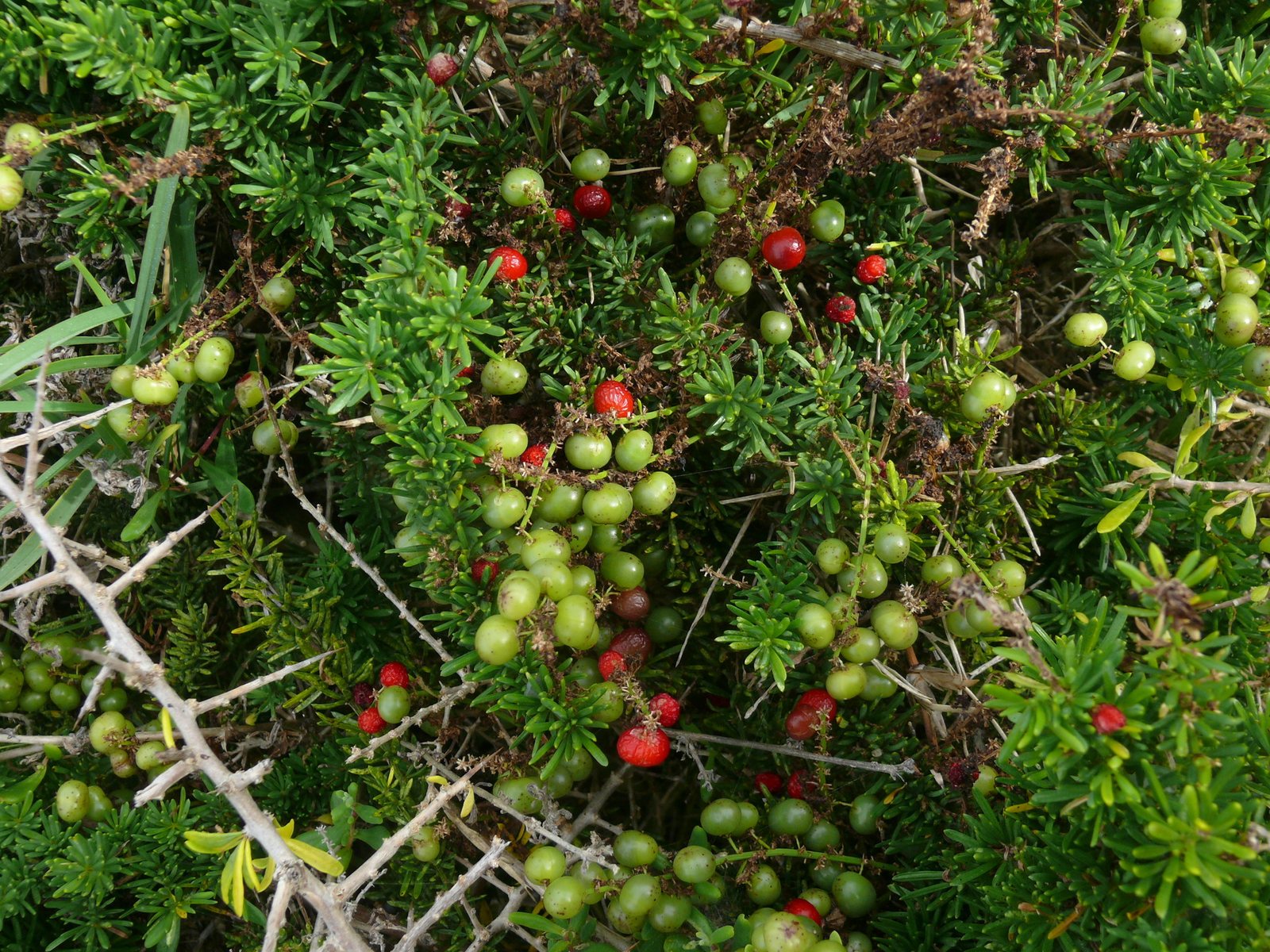
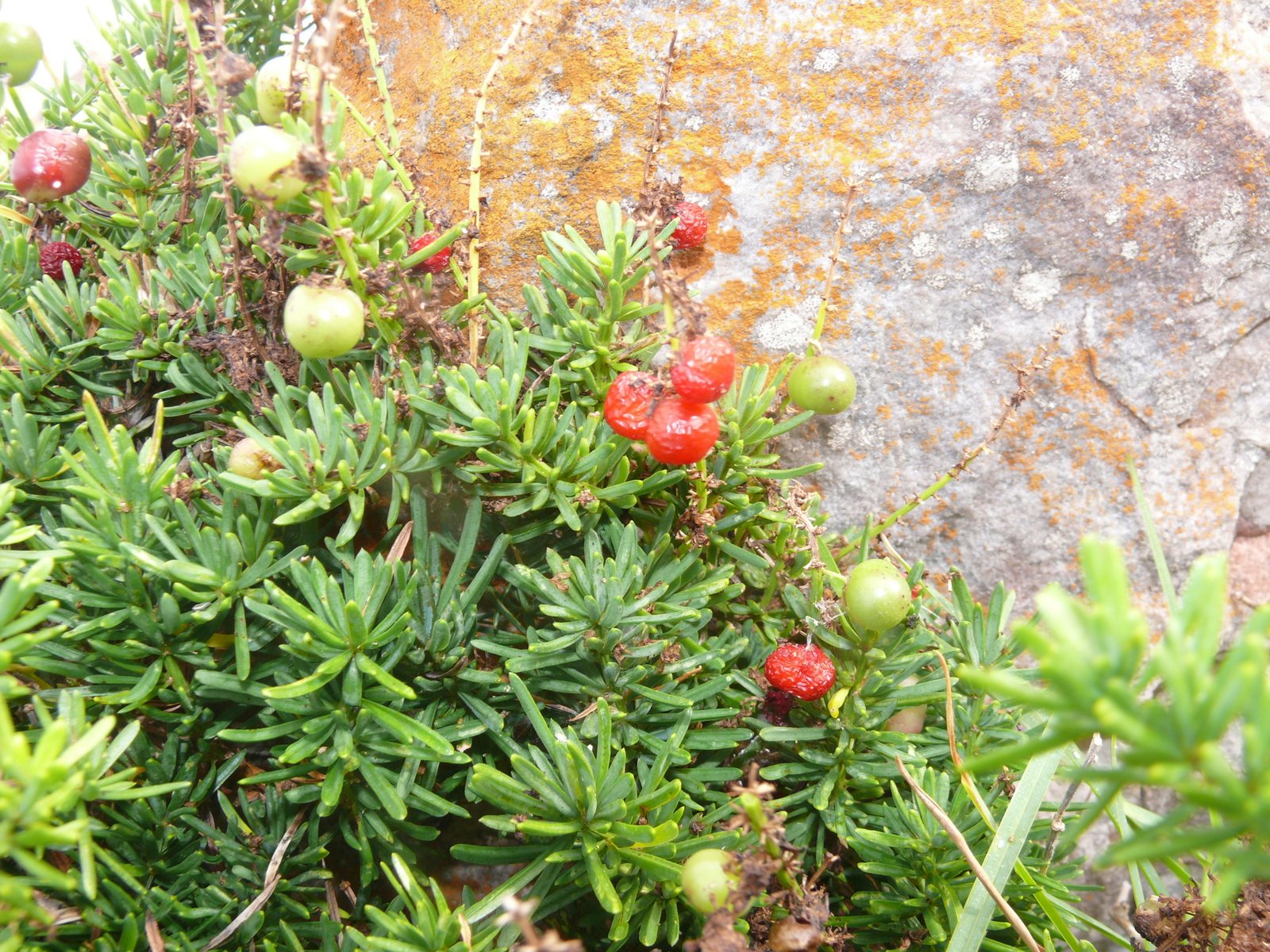
- Small white flowers in late spring or summer, sometimes followed by red berries.
- Foliage
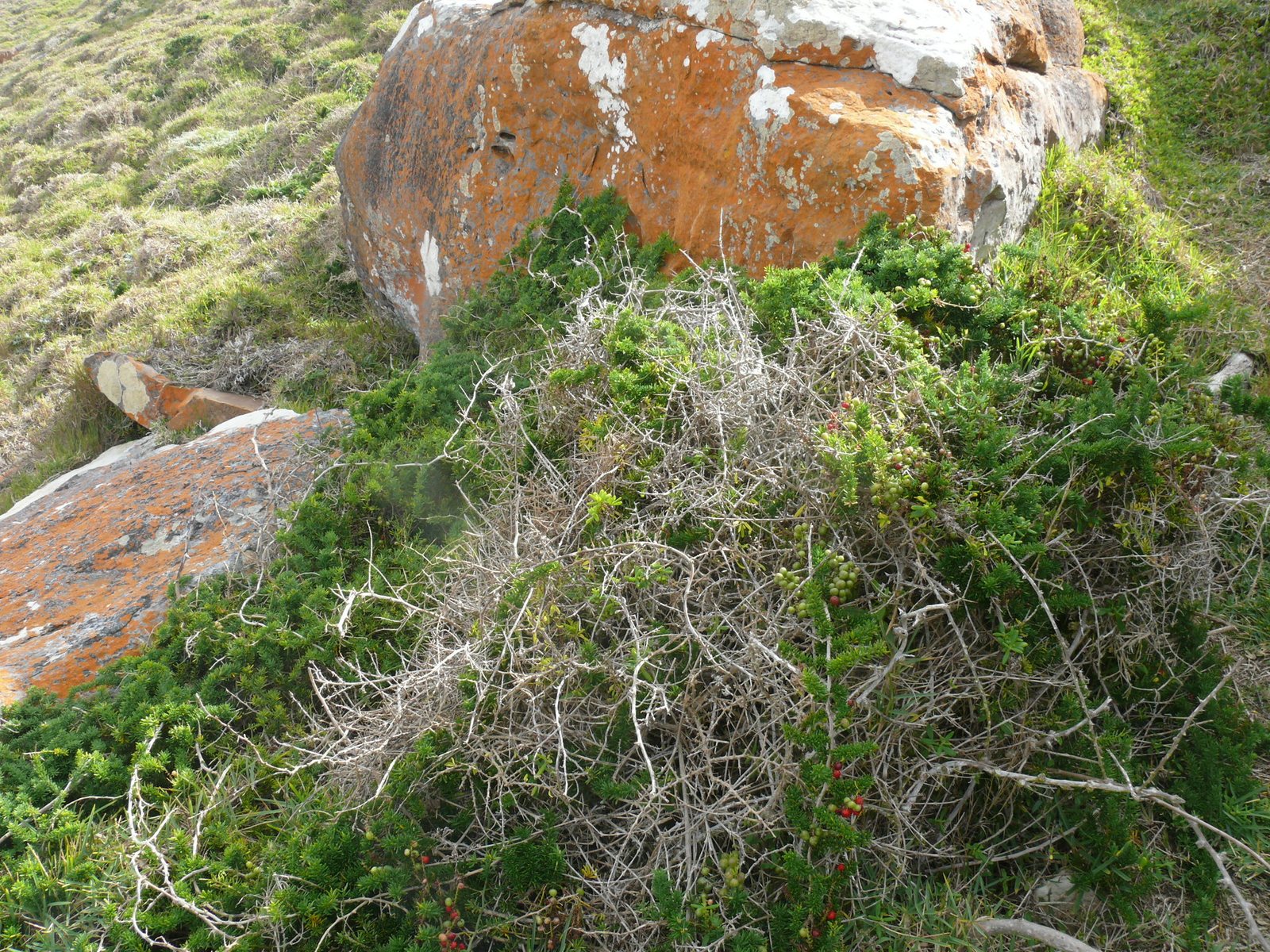
- Evergreen. Dense, bright to deep green, needle-like cladodes cover upright and gently arching stems, forming tapered, bottlebrush-like plumes.
- Growth
- Moderate
- Care needed
- Low
The year at a glance
- Drought tolerant
- Heat tolerant
- Low allergen
| J | F | M | A | M | J | J | A | S | O | N | D | |
|---|---|---|---|---|---|---|---|---|---|---|---|---|
| Flowers | ||||||||||||
| Fruit | ||||||||||||
| Plant |
Northern hemisphere months. In Australia, shift them by six.
- Difficulty
- Moderate
- Toughness
- Fairly tough
Will it suit your garden?
Pick your zone, country, light and whether you have pets.
Full sun is 6 or more hours of direct sun a day, part shade 3 to 6 hours, shade under 3.
How it grows
Planting day
1 ft (0.3 m)
After 1 year
1.5 ft (0.45 m)
After 2 years
2 ft (0.6 m)
After 3 years
2.5 ft (0.75 m)
full size
About 3 years to full size.
From a typical nursery size, at an average rate for this kind of plant. A rule of thumb, not a forecast.
Good to know
- Cats and dogs
- Toxic
- Invasive in
- the US and Australia
- In the garden
- Spreads vigorously: plan to contain it.
- Growth rate
- Moderate
Care
Jobs through the year
- WaterApr–May, Sep–Oct, every 14 days
- For established plants in frost-free ground, water if the surface dries; containers and new plants need more frequent checks.
- WaterJun–Aug, every 7 days
- Water established ground plants during dry spells; let the surface dry slightly and drain freely.
- WaterJan–Mar, Nov–Dec, every 21 days
- For pots overwintered indoors, water sparingly when the surface dries without drying the root ball completely.
- FeedApr–Aug, every 30 days
- Feed container plants at half label strength; stop feeding over winter.
- MulchApr
- For outdoor ground plants in mild climates, add a light compost mulch clear of the crown.
- PruneMar–Apr
- Cut yellow, brown or damaged stems to the crown; do not clip plume tips.
- DivideMar–Apr
- Divide only overcrowded plants when repotting, keeping substantial roots and shoots on each section.
- ProtectSep–Oct
- Not winter-hardy in zones 6–7; bring pots into bright shelter before frost, preferably above 5°C.
- ProtectMay–Jun
- Return pots outdoors after frost risk passes, gradually acclimatising them to outdoor light.
- PruneAug–Oct
- Remove developing berries where birds could spread seed into natural areas.
- Water at soil level and allow excess water to drain freely.
- Feed container plants monthly at half the label strength during spring and summer.
- Apply a light compost mulch outdoors, keeping it away from the crown.
- Repot in spring when thick, fleshy roots crowd the container or lift the plant out of its pot.
- Move containers under cover before frost; keep them bright and preferably above 5°C (41°F).
- Remove berries where birds could spread seed into nearby natural areas.
Pruning. In spring, cut yellow, brown or frost-damaged stems back to the crown with clean secateurs. Remove whole stems rather than clipping plume tips, which spoils their shape.
Through the year
- Early spring
- Remove dead stems and check whether container plants need repotting or division.
- Spring
- Refresh mulch and begin light feeding as new growth appears.
- Late spring
- Move overwintered pots outdoors after frost risk has passed, gradually acclimatising them to brighter light.
- Summer
- Check container moisture regularly and inspect sheltered plants for mites and mealybugs.
- Autumn
- Remove developing berries where escape is a concern and bring pots indoors before frost.
- Winter
- Keep protected plants in bright light, stop feeding and water sparingly without letting the root ball dry completely.
In the garden
- Use a single plant in a broad container to display its upright, radiating plumes.
- Repeat plants along a sheltered, partly shaded border for a consistent green texture.
- Pair with broad-leaved plants such as cast-iron plant or clivia for foliage contrast.
- Place beside paving or courtyard walls where its soft-looking foliage contrasts with hard surfaces.
Garden styles it suits: Architectural minimal, Modern courtyard, Modern tropical, Luxury resort, Green on green and Small-space.
Plant it with: Cast-iron plant, Clivia, Bromeliads, Mondo grass, Begonias and Cordyline.
Wildlife: Small flowers can attract insects, and birds may eat the berries and disperse the seeds. It is not a substitute for locally native habitat plants.
Problems to watch for
- Yellowing stems: check for waterlogged soil, prolonged drought or insufficient light; correct the cause and remove affected stems.
- Root rot: prevent standing water and use a freely draining mix; discard badly rotted plants.
- Spider mites: look for fine webbing and stippled foliage in hot, dry conditions; rinse the foliage and use a labelled insecticidal soap if needed.
- Mealybugs or scale: inspect stem bases and sheltered growth; remove small infestations by hand and treat persistent infestations with an appropriate labelled product.
Safety
Toxic to cats and dogs, particularly if berries are eaten; ingestion can cause vomiting, diarrhoea and abdominal pain. Berries can also cause stomach upset in people, and repeated skin contact with the plant may cause dermatitis. Serious poisoning is uncommon, but keep berries away from children and pets. Toxicity to horses is not well established; do not offer it as feed.
Where it spreads. Asparagus ferns recorded under Asparagus densiflorus or A. aethiopicus are invasive or environmental weeds in Florida, Hawaii and parts of eastern Australia, including Queensland and New South Wales. Many records concern trailing forms rather than 'Myersii', and names are frequently confused. Check local restrictions, remove berries and never dump plants or roots in natural areas.
Easily confused with
Sprenger's asparagus fern (Asparagus aethiopicus 'Sprengeri')
Has long, loose, arching or trailing stems rather than dense, upright foxtail plumes; often sold under the name Asparagus densiflorus.
Lace fern (Asparagus setaceus)
Has flat, triangular sprays of much finer foliage and can develop long climbing stems.
Ming asparagus fern (Asparagus retrofractus)
Forms a woody, branching framework with separated tufts of fine foliage rather than plumes densely covered from base to tip.
The name
The common name describes the tapered, bushy stems that resemble fox tails, while densiflorus means densely flowered.
Propagation. Divide established clumps in spring, retaining healthy shoots and fleshy roots on each section. Division preserves the cultivar; seedlings may not retain its dense, upright habit.
Checked against open data
- Accepted botanical name
- Asparagus densiflorus
- Native range
- Cape Provinces, KwaZulu-Natal, Mozambique, Northern Provinces and Swaziland.
Sources: GBIF (CC BY 4.0) and Trefle (CC BY 4.0). The care and design notes are LandscapeGPT's own.
See it in your own yard.
Upload a photo of your yard and see it redesigned with plants that suit your climate, each checked against your zone.