Francee hosta
Hosta 'Francee'. Family Asparagaceae. Perennial.
Also called Francee plantain lily, Hosta fortunei 'Francee'.
Francee hosta is a deciduous, clump-forming perennial with dark green leaves edged in white and pale lavender summer flowers. Grow it for dependable foliage in shaded borders, beneath open-canopied trees or in large containers; it dies back completely in winter.
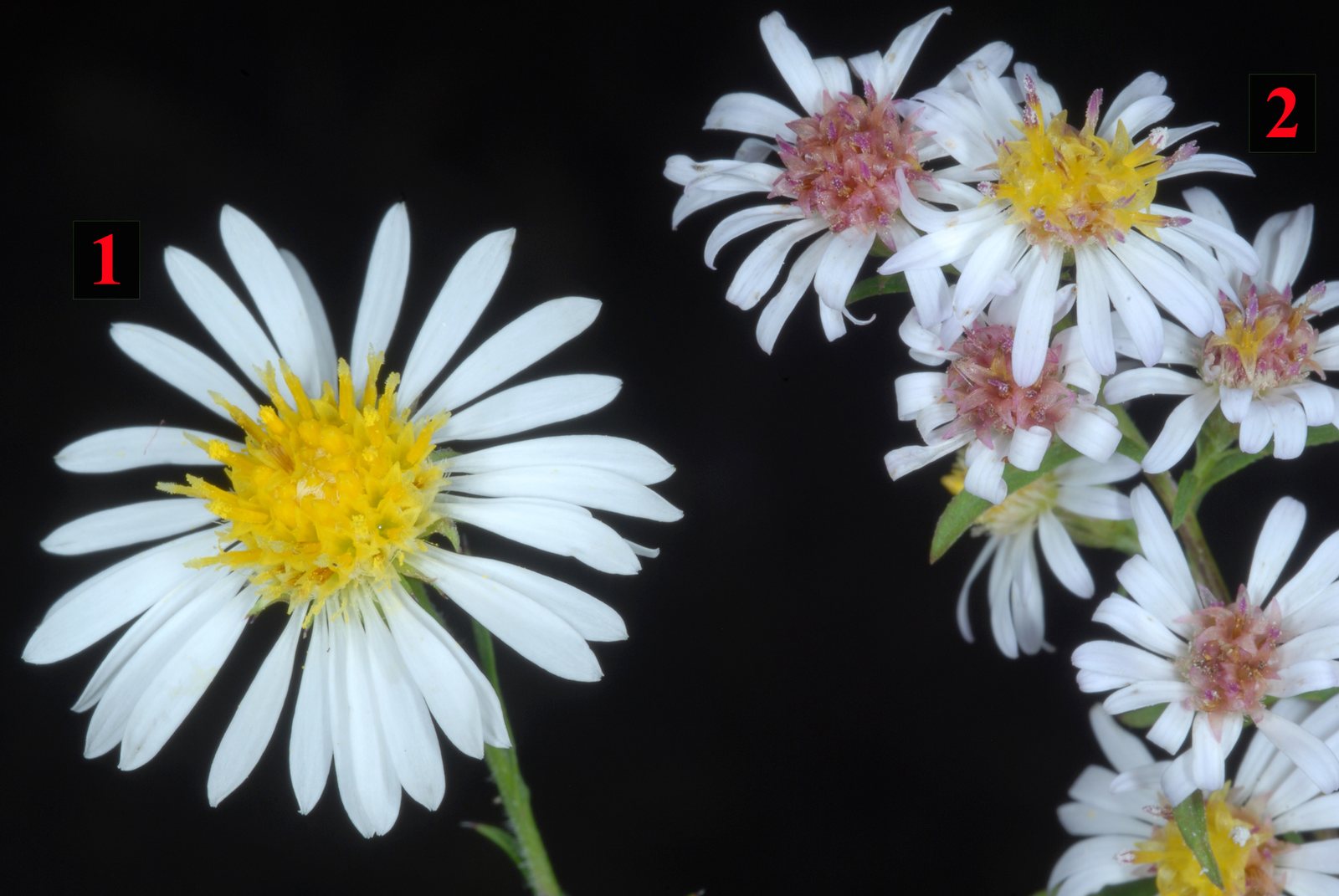
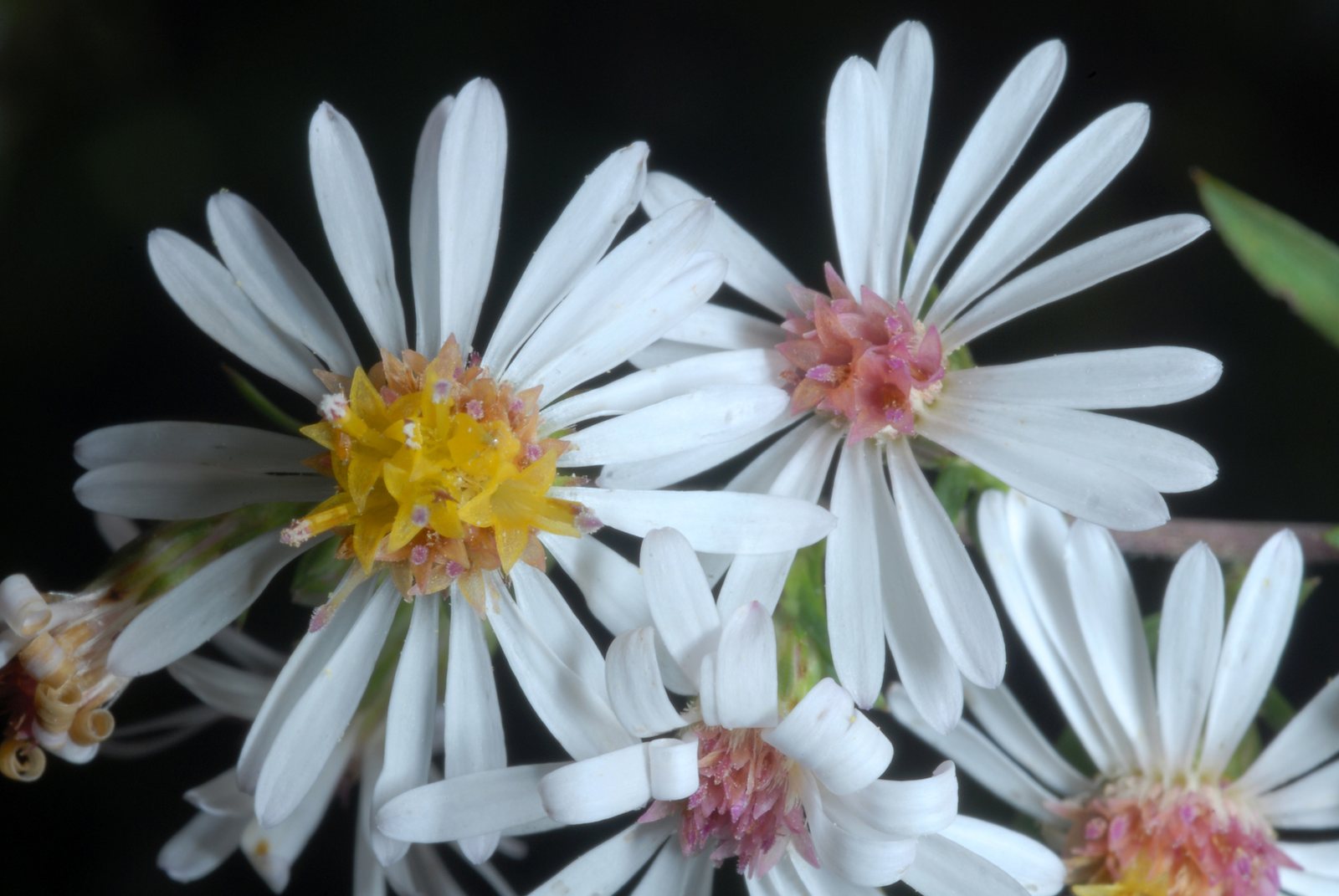
At a glance
- Sun
- Partial shade or dappled shade; tolerates full shade. Gentle morning sun is suitable if the soil stays moist, but avoid hot afternoon sun.
- Water
- Keep evenly moist but not waterlogged. Water deeply during dry spells, especially beneath trees and in containers.
- Soil
- Humus-rich, moisture-retentive soil with good drainage; tolerates acidic, neutral or mildly alkaline conditions.
- Height
- 1.5-2 ft (0.45-0.6 m) in leaf; flower stems to 2.5 ft (0.75 m)
- Spread
- 3-4 ft (0.9-1.2 m)
- Flowers
- Pale lavender, funnel-shaped flowers on upright stems in summer.
- Foliage
- Broad, pointed, heart-shaped leaves with prominent veins, dark green centres and narrow white margins.
- Growth
- Moderate; develops a broad, mature clump over several years.
- Care needed
- Low
The year at a glance
- Pollinators
- Cold hardy
- Heat tolerant
- Low allergen
| J | F | M | A | M | J | J | A | S | O | N | D | |
|---|---|---|---|---|---|---|---|---|---|---|---|---|
| Flowers | ||||||||||||
| Plant |
Northern hemisphere months. In Australia, shift them by six.
- Difficulty
- Easy
- Toughness
- Fairly tough
Will it suit your garden?
Pick your zone, country, light and whether you have pets.
Full sun is 6 or more hours of direct sun a day, part shade 3 to 6 hours, shade under 3.
How it grows
Planting day
1 ft (0.3 m)
After 1 year
1.2 ft (0.37 m)
After 2 years
1.5 ft (0.45 m)
After 3 years
1.7 ft (0.53 m)
full size
About 3 years to full size.
From a typical nursery size, at an average rate for this kind of plant. A rule of thumb, not a forecast.
Good to know
- Cats and dogs
- Toxic
- Growth rate
- Moderate
Care
Jobs through the year
- WaterApr–May, Sep–Oct, every 14 days
- Water established clumps deeply when soil starts drying; new plants need more frequent watering.
- WaterJun–Aug, every 7 days
- Maintain even moisture during dry spells; check more often beneath trees or during heat.
- MulchApr
- Apply compost or leaf mould, leaving the crown uncovered.
- FeedApr
- Feed lightly with balanced fertiliser only if growth is weak.
- DivideMar–Apr, Sep
- Divide only for propagation or crowding, allowing autumn divisions time to root before frost.
- ProtectMar–May, every 7 days
- Inspect emerging shoots for slugs and snails and control them before leaves are damaged.
- DeadheadJul–Sep
- Cut spent flower stems to the base unless seed is wanted.
- PruneOct–Nov
- Remove collapsed foliage and keep the crown free of wet, matted debris.
- Water at soil level when the surface begins to dry; do not let newly planted clumps dry out.
- Apply compost or leaf mould in spring, keeping it clear of the crown.
- Feed lightly with a balanced fertiliser in spring if growth is weak; avoid repeated heavy feeding.
- Check emerging shoots for slugs and snails and protect them before leaves become damaged.
- Divide in early spring only when you want more plants or the clump has outgrown its space.
Pruning. Cut spent flower stems down to the base after flowering unless you want seed. Remove collapsed leaves after autumn dieback, or clear them before new shoots emerge in spring.
Through the year
- Early spring
- Clear old foliage, check emerging shoots for slugs and divide established clumps if needed.
- Spring
- Plant new hostas, water them thoroughly and mulch with compost or leaf mould.
- Late spring
- Check plants beneath trees and in pots for drying soil; water deeply as needed.
- Summer
- Maintain even moisture and remove spent flower stems.
- Early autumn
- Plant or divide while soil is still warm, allowing time for roots to establish before freezing weather.
- Late autumn
- Remove collapsed foliage and keep the crown free of wet, matted debris.
In the garden
- Plant repeated clumps along a shaded path, where the white leaf edges remain easy to see.
- Combine with ferns and fine-leaved sedges for contrasting leaf shapes in woodland borders.
- Use beneath open-canopied deciduous trees where you can provide enough water despite root competition.
- Grow in a large, well-drained container to bring patterned foliage to a shaded patio.
Garden styles it suits: Woodland, Japanese, English country, Modern courtyard, White garden and Blues and silvers.
Plant it with: Japanese painted fern, Astilbe, Siberian bugloss, Coral bells, Japanese forest grass and Solomon's seal.
Wildlife: Flowers provide nectar for bees and may attract hummingbirds in North America. The foliage is often eaten by deer, rabbits, slugs and snails.
Problems to watch for
- Slugs and snails chew holes in leaves, particularly as shoots emerge: inspect after dark, remove them by hand and use labelled iron-phosphate bait where needed.
- Deer and rabbits eat leaves and young shoots: protect plants with suitable fencing or temporary guards.
- Brown, dry leaf edges usually indicate drought or excessive sun: water deeply, mulch and move the plant to afternoon shade if necessary.
- Hosta virus X can cause unusual mottling, streaking or puckered tissue: remove and dispose of infected plants, do not divide them, and disinfect cutting tools between plants.
Safety
All parts contain saponins and are toxic to cats, dogs and horses if eaten, usually causing gastrointestinal upset; seek veterinary advice after ingestion. Hostas are not generally considered toxic to people, but ornamental plants should not be eaten without reliable identification and knowledge of pesticide use.
Easily confused with
Patriot hosta (Hosta 'Patriot')
'Patriot' has much broader, more irregular white margins; 'Francee' has a relatively narrow white edge.
White-edged undulata hosta (Hosta undulata 'Albomarginata')
Its leaves are generally narrower, more twisted and more strongly wavy-edged than the broader, flatter leaves of 'Francee'.
The name
The genus name Hosta honours the Austrian physician and botanist Nicolaus Thomas Host.
Propagation. Divide established clumps in early spring as shoots emerge, or in early autumn. Keep several buds and a good portion of roots on each division; seedlings will not reliably match 'Francee'.
Checked against open data
- Accepted botanical name
- Hosta
Sources: GBIF (CC BY 4.0). The care and design notes are LandscapeGPT's own.
See it in your own yard.
Upload a photo of your yard and see it redesigned with plants that suit your climate, each checked against your zone.