French sorrel
Rumex scutatus. Family Polygonaceae. Perennial.
Also called Buckler-leaved sorrel, Shield-leaved sorrel.
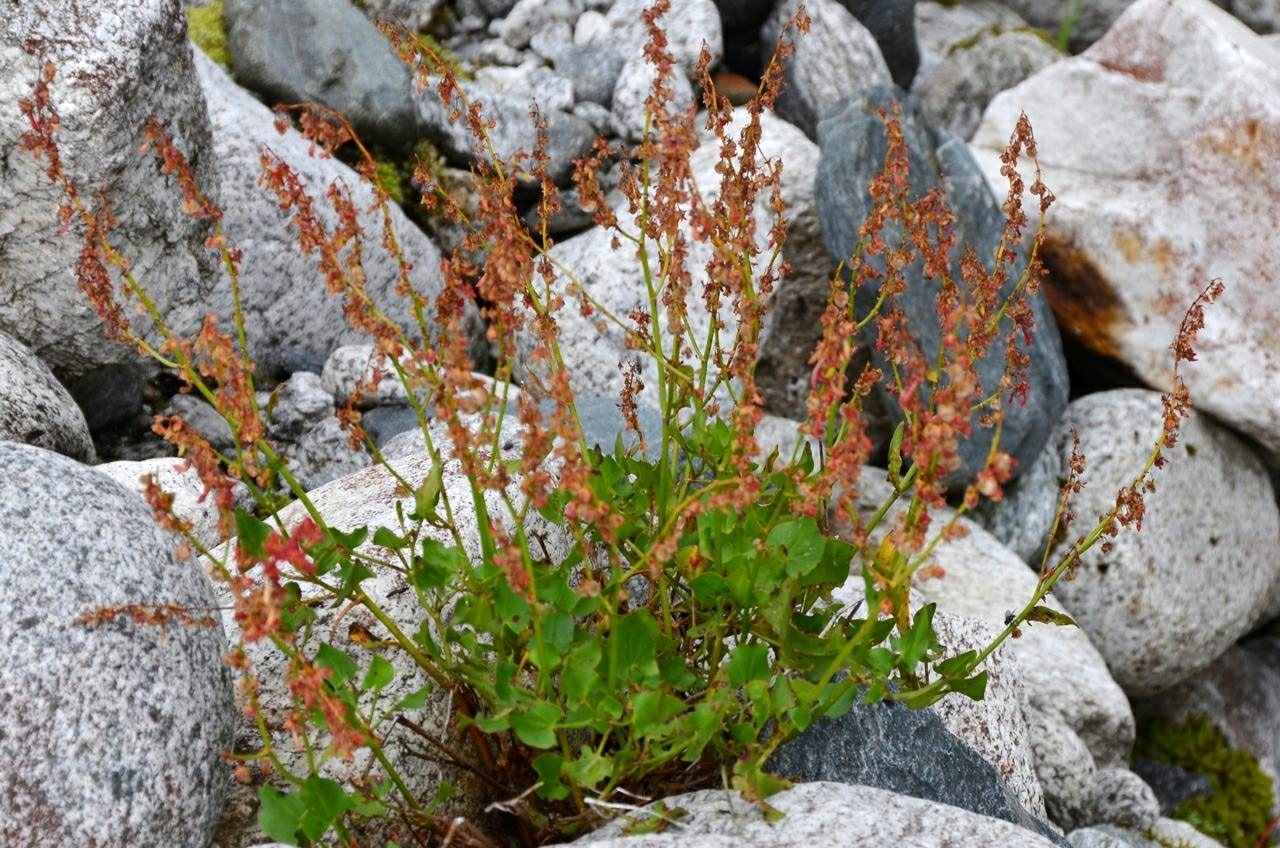
French sorrel is a low, spreading perennial grown for its small, tart leaves, which add a lemony flavour to salads, soups and sauces. Its grey-green foliage suits herb beds, edible borders and containers, and it tolerates drier soil than common garden sorrel.
At a glance
- Sun
- Full sun to partial shade; afternoon shade helps keep leaves tender in hot summers.
- Water
- Water regularly while establishing, then during prolonged dry spells. Consistent light moisture encourages tender leaves, but avoid waterlogged soil.
- Soil
- Well-drained, moderately fertile soil; tolerates sandy, stony and chalky ground.
- Height
- 1-1.5 ft (0.3-0.45 m)
- Spread
- 1-2 ft (0.3-0.6 m)
- Flowers
- Late spring to summer; loose sprays of small greenish flowers, sometimes tinged red.
- Foliage
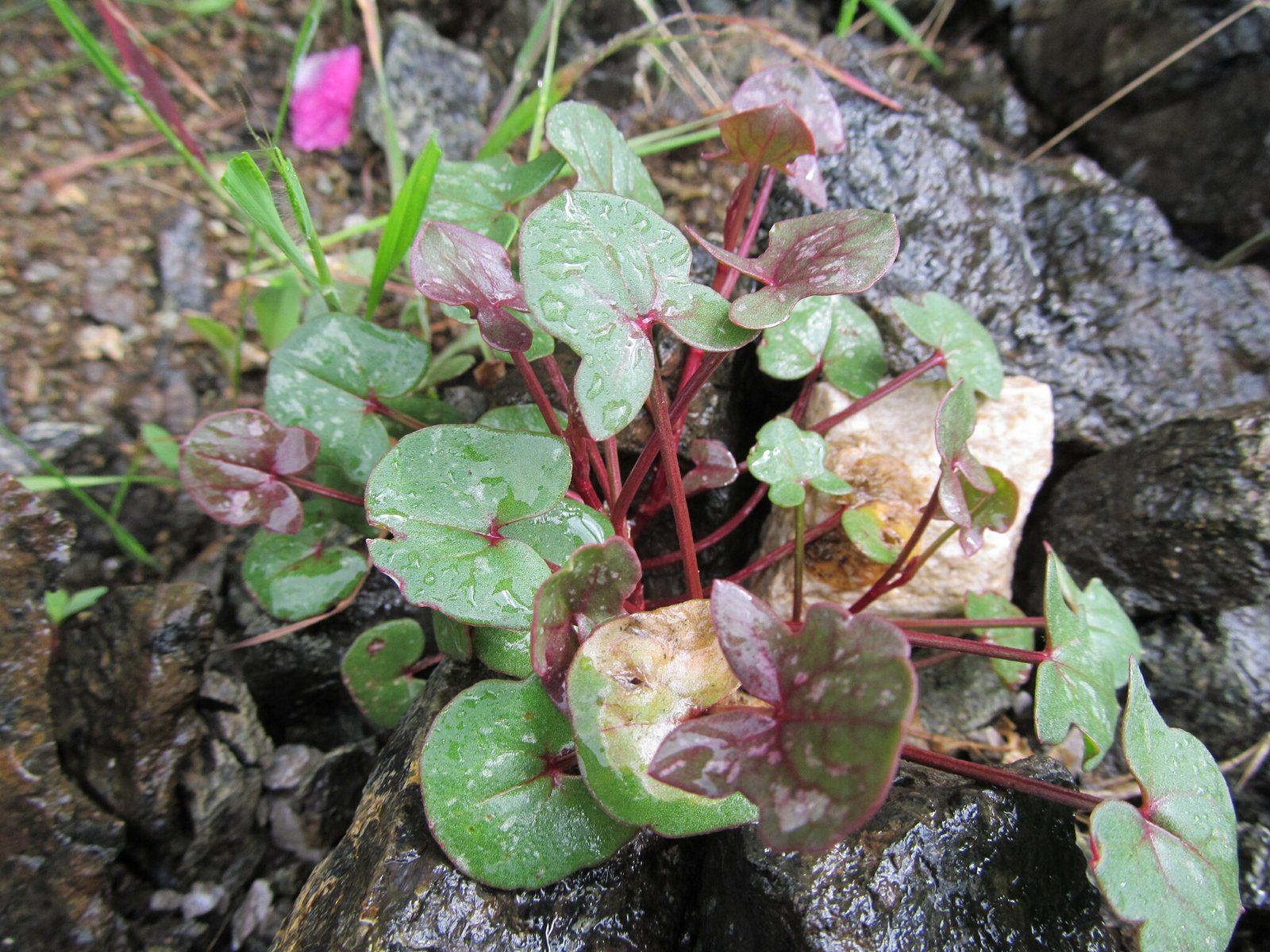
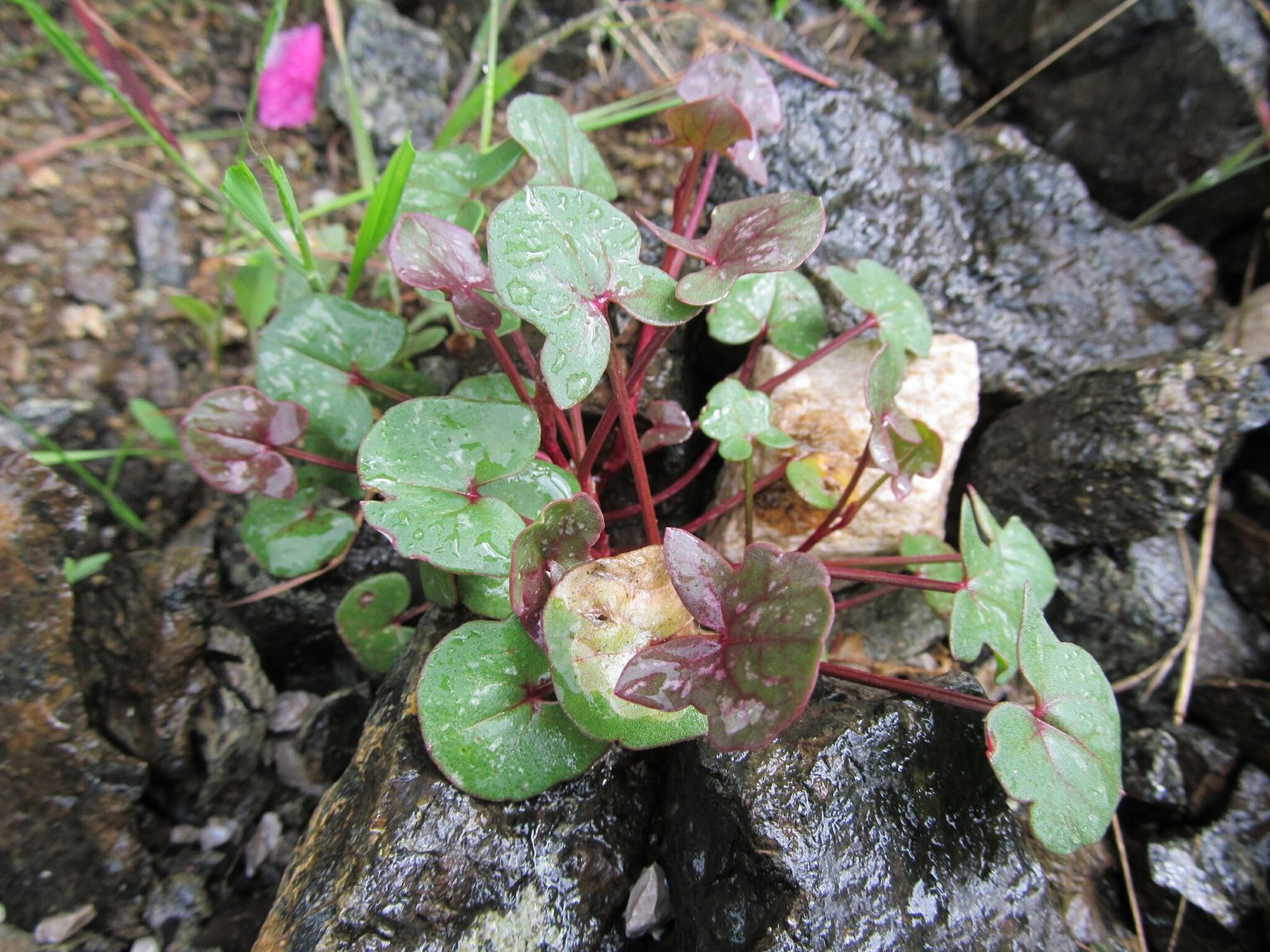
- Small, grey-green, shield-shaped leaves with two spreading lobes at the base; tender leaves have a sharp, lemony taste.
- Growth
- Moderate
- Care needed
- Low
The year at a glance
- Drought tolerant
- Cold hardy
- Wildlife
- Edible
| J | F | M | A | M | J | J | A | S | O | N | D | |
|---|---|---|---|---|---|---|---|---|---|---|---|---|
| Fruit | ||||||||||||
| Plant |
Northern hemisphere months. In Australia, shift them by six.
- Difficulty
- Easy
- Toughness
- Very tough
Will it suit your garden?
Pick your zone, country, light and whether you have pets.
Full sun is 6 or more hours of direct sun a day, part shade 3 to 6 hours, shade under 3.
How it grows
Planting day
1 ft (0.3 m)
After 1 year
1.1 ft (0.32 m)
After 2 years
1.1 ft (0.35 m)
After 3 years
1.2 ft (0.38 m)
full size
About 3 years to full size.
From a typical nursery size, at an average rate for this kind of plant. A rule of thumb, not a forecast.
Good to know
- Cats and dogs
- Toxic
- Growth rate
- Moderate
Care
Jobs through the year
- WaterApr–May, Sep–Oct, every 14 days
- Water established plants during dry spells for tender leaves; water new plants more often.
- WaterJun–Aug, every 7 days
- Water during dry weather to maintain leaf production without saturating the crown.
- PruneMar
- Remove dead and winter-damaged leaves.
- MulchMar–Apr
- Apply a thin compost dressing, keeping the crown uncovered.
- DivideMar–Apr
- Divide crowded or unproductive clumps every three to four years.
- PruneMay–Aug, every 14 days
- Cut emerging flower stems to the base to favour leaf production.
- HarvestApr–Oct, every 7 days
- Pick young outer leaves, leaving the centre intact; reduce picking as autumn growth slows.
- Water new plants until rooted, then water during dry weather if you want regular leaf harvests.
- Apply a thin layer of compost in spring; avoid heavy feeding.
- Keep mulch away from the crown, especially in wet winter climates.
- Remove flower stems to favour leaf production and reduce self-seeding.
- Divide crowded or less productive clumps every three to four years in spring.
Pruning. Remove damaged and dead leaves in early spring. Cut flower stems off at their base as they appear, unless you want to save seed.
Harvest
Pick young, fully opened leaves from spring into autumn once the plant is established and producing new growth. Snip individual outer leaves, leaving the centre and plenty of foliage to regrow; older leaves tend to be tougher and more sharply acidic.
Through the year
- Early spring
- Remove winter-damaged foliage and divide established clumps if needed.
- Spring
- Sow seed or plant young plants in well-drained soil, and add a thin dressing of compost.
- Late spring
- Begin picking young leaves once plants are growing strongly.
- Summer
- Remove flower stems and water during dry spells to maintain leaf quality.
- Autumn
- Reduce harvesting as growth slows and remove fallen, diseased foliage.
- Winter
- Check that pots drain freely and that wet mulch is not covering the crown.
In the garden
- Edge a kitchen garden with low clumps that keep edible leaves within easy reach.
- Combine with chives and thyme in a sunny herb bed for contrasting leaf shapes.
- Grow in a container near the kitchen, using a free-draining potting mix.
- Use as an edible foliage plant along a gravel border, where its grey-green leaves soften the edges.
Garden styles it suits: Potager (kitchen garden), Herb parterre, Edible landscape, Cottage garden, Dry gravel garden and Small-space.
Plant it with: Chives, Thyme, Oregano, Sage and Calendula.
Wildlife: The flowers are wind-pollinated rather than a useful nectar source. Leaves may feed some moth larvae and other leaf-eating insects.
Problems to watch for
- Slugs and snails can eat young leaves; hand-pick at dusk and remove damp hiding places beside the plants.
- Aphids may cluster on soft shoots; rinse them off with water and encourage natural predators.
- Crown or root rot can develop in waterlogged soil; improve drainage or grow in a raised bed or freely draining container.
- Dry heat can produce small, tough leaves and slow growth; provide afternoon shade and water during prolonged dry spells.
Safety
All parts contain oxalates, including the edible leaves. People commonly eat small culinary amounts, but large quantities can be harmful; anyone advised to limit dietary oxalate should seek medical advice before eating it. It is potentially toxic to cats, dogs and horses if enough is eaten, with substantial ingestion capable of causing low blood calcium and kidney damage.
Easily confused with
Garden sorrel (Rumex acetosa)
Has larger, elongated arrow-shaped leaves with basal lobes pointing backwards; French sorrel has smaller, broader, shield-shaped leaves with spreading basal lobes.
Sheep's sorrel (Rumex acetosella)
Usually has narrower leaves with distinct outward-pointing basal lobes and spreads strongly through creeping roots; French sorrel has broader, more rounded leaf blades.
Wood sorrel (Oxalis acetosella)
Has three heart-shaped leaflets and conspicuous white flowers; French sorrel has single, undivided leaves and tiny flowers carried in loose sprays.
The name
The species name scutatus means shield-shaped, referring to the leaves, and also gives rise to the common name buckler-leaved sorrel.
Propagation. Sow seed in spring, covering lightly, or divide established clumps in spring. Keep seedlings and divisions lightly moist until established.
Checked against open data
- Accepted botanical name
- Rumex scutatus
- Native range
- Albania, Altay, Austria, Belgium, Bulgaria, Corse, Czechoslovakia, France, Germany, Greece, Iran and Iraq.
- Measured
- Soil pH 6.5 to 7. Average height 24 cm.
Sources: GBIF (CC BY 4.0) and Trefle (CC BY 4.0). The care and design notes are LandscapeGPT's own.
See it in your own yard.
Upload a photo of your yard and see it redesigned with plants that suit your climate, each checked against your zone.