French tarragon
Artemisia dracunculus. Family Asteraceae. Perennial.
Also called True tarragon, Estragon.
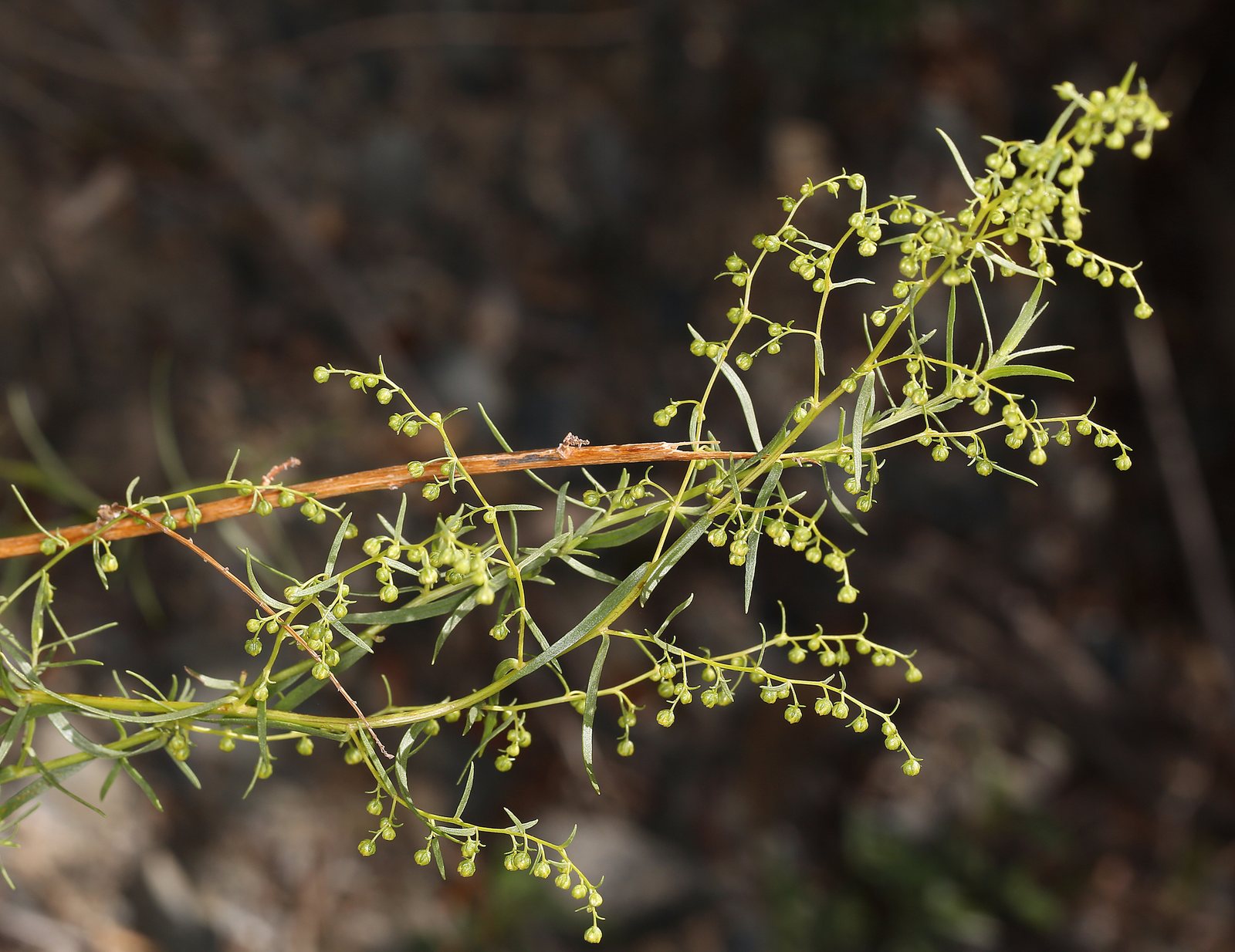
French tarragon is a deciduous culinary herb grown for its narrow leaves and strong anise flavour, especially in sauces, dressings and poultry dishes. It needs excellent drainage, particularly in winter; buy a labelled plant or division, as seed-grown tarragon is usually the less flavourful Russian type.
At a glance
- Sun
- Full sun; light afternoon shade helps in hot climates.
- Water
- Water when the upper soil has dried, then let excess water drain away. Avoid persistently damp soil, especially while dormant.
- Soil
- Light, well-drained soil with modest fertility, preferably neutral to slightly alkaline. Use a raised bed or container where ground stays wet.
- Height
- 2-3 ft (0.6-0.9 m)
- Spread
- 1-2 ft (0.3-0.6 m)
- Foliage
- Slender, smooth, green leaves on upright, branching stems; strongly aromatic when crushed.
- Growth
- Moderate
- Care needed
- Medium
The year at a glance
- Deer resistant
- Drought tolerant
- Low allergen
- Fragrant
- Edible
| J | F | M | A | M | J | J | A | S | O | N | D | |
|---|---|---|---|---|---|---|---|---|---|---|---|---|
| Fruit | ||||||||||||
| Plant |
Northern hemisphere months. In Australia, shift them by six.
- Difficulty
- Moderate
- Toughness
- Fairly tough
Will it suit your garden?
Pick your zone, country, light and whether you have pets.
Full sun is 6 or more hours of direct sun a day, part shade 3 to 6 hours, shade under 3.
How it grows
Planting day
1 ft (0.3 m)
After 1 year
1.5 ft (0.45 m)
After 2 years
2 ft (0.6 m)
After 3 years
2.5 ft (0.75 m)
full size
About 3 years to full size.
From a typical nursery size, at an average rate for this kind of plant. A rule of thumb, not a forecast.
Good to know
- Cats and dogs
- Toxic
- Native to
- the US and Canada
- Growth rate
- Moderate
Care
Jobs through the year
- WaterApr–May, Sep, every 14 days
- Water established plants only when upper soil is dry; new plants need more frequent watering.
- WaterJun–Aug, every 10 days
- Water established plants during prolonged dry spells, allowing the upper soil to dry between waterings.
- MulchMar–Apr
- Apply a light dressing of compost, keeping the crown clear and avoiding heavy nitrogen feeding.
- DivideMar–Apr
- Divide vigorous clumps every three or four years as new shoots emerge.
- PruneMay–Aug, every 21 days
- Pinch shoot tips for branching and remove any flower stems.
- HarvestMay–Sep, every 7 days
- Snip tender leafy tips, leaving plenty of foliage; reduce picking in late summer and freeze surplus.
- PruneNov
- Cut dead stems to just above ground level after foliage dies.
- ProtectNov
- Keep winter rain draining away from crowns; shelter pots from persistent rain and severe freezing.
- Plant after the soil warms in spring, keeping the crown at its original soil level.
- Water new plants regularly until established; thereafter, avoid keeping the roots constantly wet.
- Apply a light dressing of compost in spring rather than heavy nitrogen feeding.
- Keep mulch away from the crown and improve winter drainage.
- Divide vigorous clumps every three or four years to maintain productive growth.
Pruning. Pinch or snip shoot tips during spring and summer to encourage branching, and remove flower stems if they appear. Once the foliage dies in autumn, cut stems back to just above ground level.
Harvest
Pick leafy shoot tips once the plant is established and producing strong new growth, from spring through summer. Choose tender, fully green leaves, preferably before flowering, and leave plenty of foliage for regrowth. Use fresh or freeze for later use, as drying loses much of the flavour.
Through the year
- Early spring
- Check that winter rain has not left the crown sitting in wet soil; remove any remaining dead stems.
- Spring
- Divide established clumps as shoots appear and apply a light dressing of compost.
- Late spring
- Plant rooted divisions or purchased plants after severe frost risk has passed.
- Summer
- Harvest shoot tips regularly and water during prolonged dry spells.
- Late summer
- Freeze spare leaves and reduce heavy harvesting so plants can rebuild reserves.
- Late autumn
- Cut back dead stems; shelter containers from persistent rain and severe freezing.
In the garden
- Plant in a sunny kitchen herb bed within easy reach of the house.
- Use its fine foliage beside broad-leaved sage in a well-drained edible border.
- Grow in a container near a kitchen door where wet garden soil makes overwintering unreliable.
- Repeat small clumps through a potager for soft green texture among vegetables and flowers.
Garden styles it suits: Potager (kitchen garden), Herb parterre, Cottage garden, French country (Provençal), Edible landscape and Sensory garden.
Plant it with: Sage, Thyme, Oregano, Chives and Lavender.
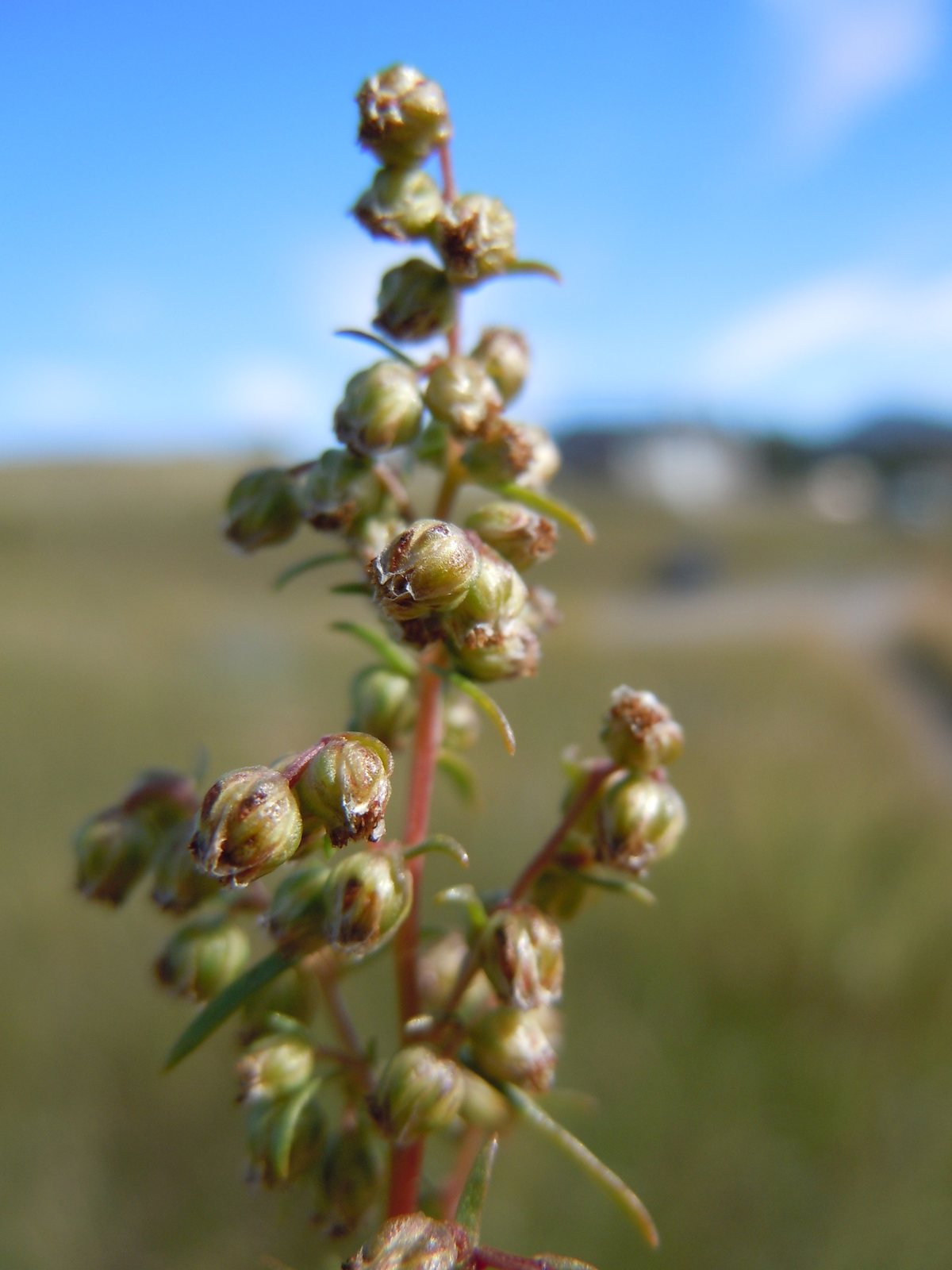
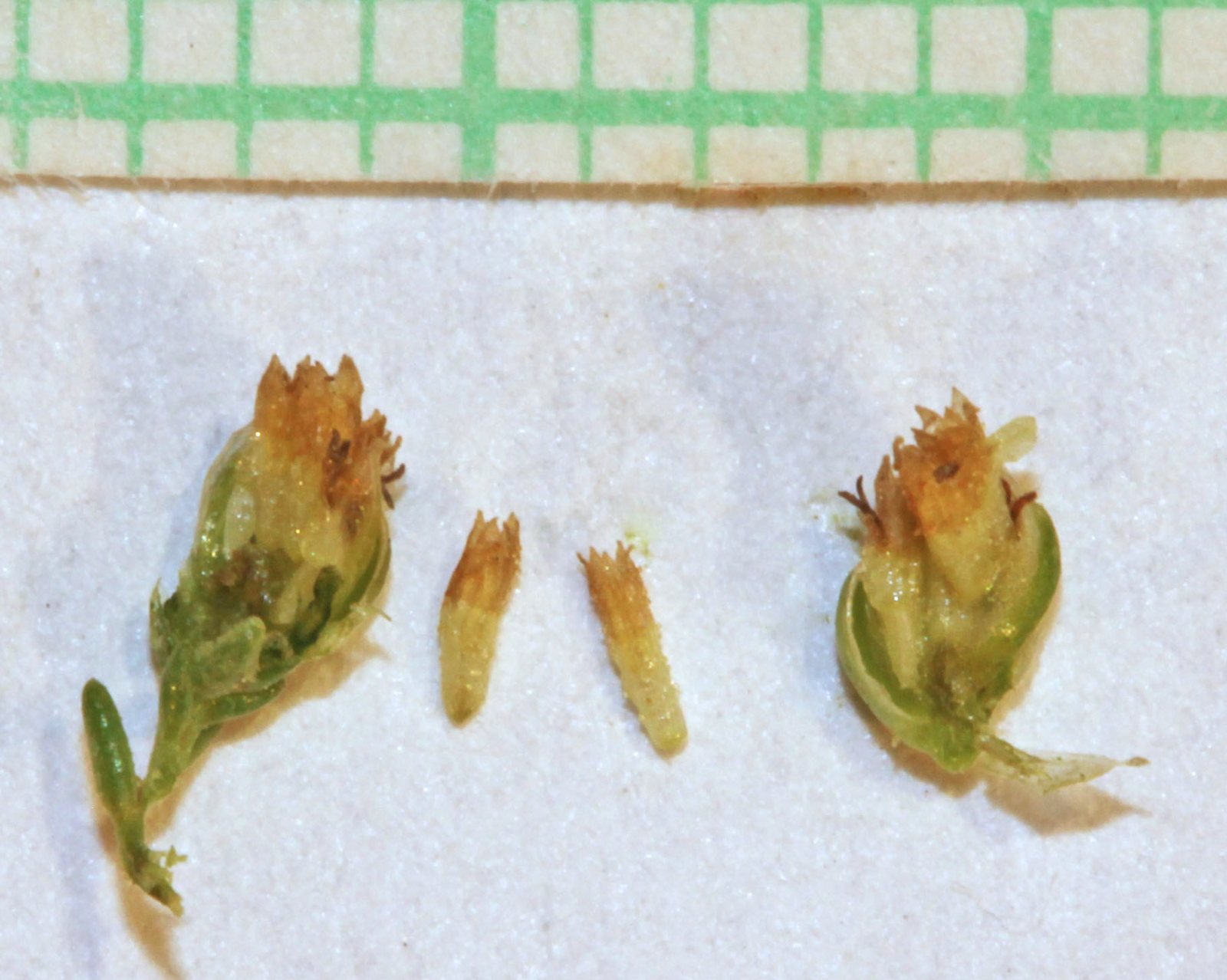
Wildlife: Its sparse, inconspicuous flowers offer limited value to pollinators; it is grown chiefly as a culinary foliage plant.
Problems to watch for
- Root and crown rot in wet soil: improve drainage, keep mulch clear of the crown and replace badly rotted plants.
- Rust, seen as rusty pustules on leaves: remove affected growth, improve air circulation and avoid wetting foliage.
- Powdery mildew: thin crowded growth, water at soil level and remove badly affected shoots.
- Weak flavour: check that the plant is French rather than Russian tarragon, and replace old, unproductive clumps with vigorous divisions.
Safety
Tarragon is listed as toxic to cats, dogs and horses because of its essential oils; eating the foliage may cause vomiting or diarrhoea. The leaves are used by people in normal culinary quantities, but concentrated essential oil should not be swallowed.
Easily confused with
Russian tarragon (Artemisia dracunculus)
Usually taller and coarser, with much weaker or harsher flavour. Leaf appearance overlaps, so a reputable labelled plant and its strong anise aroma are better guides than appearance alone.
Mexican tarragon (Tagetes lucida)
Has broader, toothed leaves and conspicuous yellow marigold-like flowers; it is a different, more frost-tender plant with a similar anise flavour.
The name
The botanical epithet dracunculus means 'little dragon', traditionally linked to the plant's twisting roots.
Propagation. Divide established clumps in spring or root softwood cuttings in late spring or early summer. French tarragon rarely flowers and does not produce viable seed reliably, so seed is not a dependable way to obtain it.
Checked against open data
- Accepted botanical name
- Artemisia dracunculus
- In the US and Canada
- Native in Canada and the lower 48 states. Introduced in Alaska.
- Native range
- Afghanistan, Alberta, Altay, Amur, Arizona, Baltic States, Belarus, Borneo, British Columbia, Buryatiya, California and Central European Rus.
- Measured
- Average height 60 cm.
Sources: GBIF (CC BY 4.0), USDA PLANTS and Trefle (CC BY 4.0). The care and design notes are LandscapeGPT's own.
See it in your own yard.
Upload a photo of your yard and see it redesigned with plants that suit your climate, each checked against your zone.