George Tabor azalea
Rhododendron 'George Lindley Taber'. Family Ericaceae. Shrub.
Also called George Lindley Taber azalea, George Taber azalea, Southern Indica azalea.
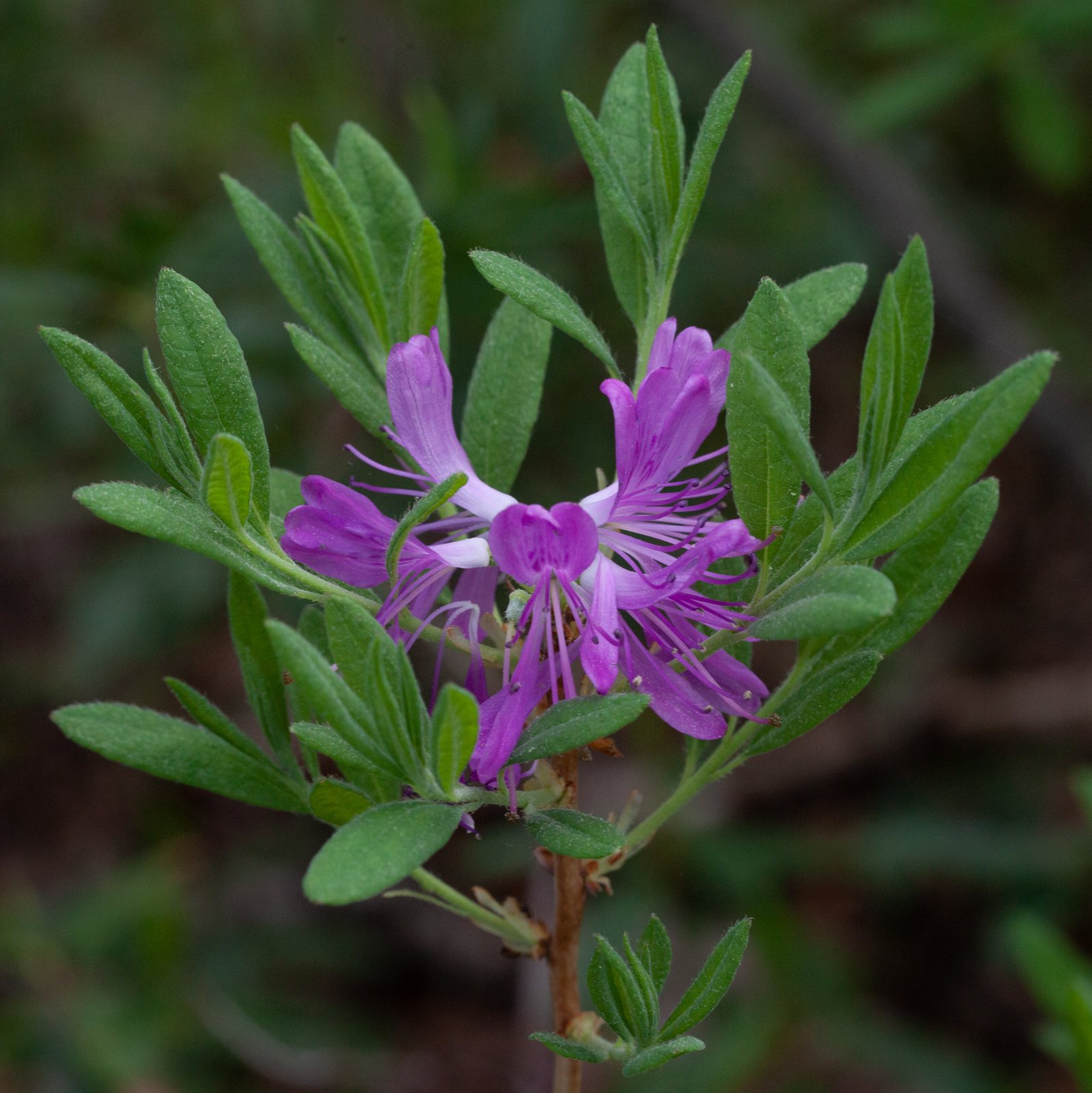
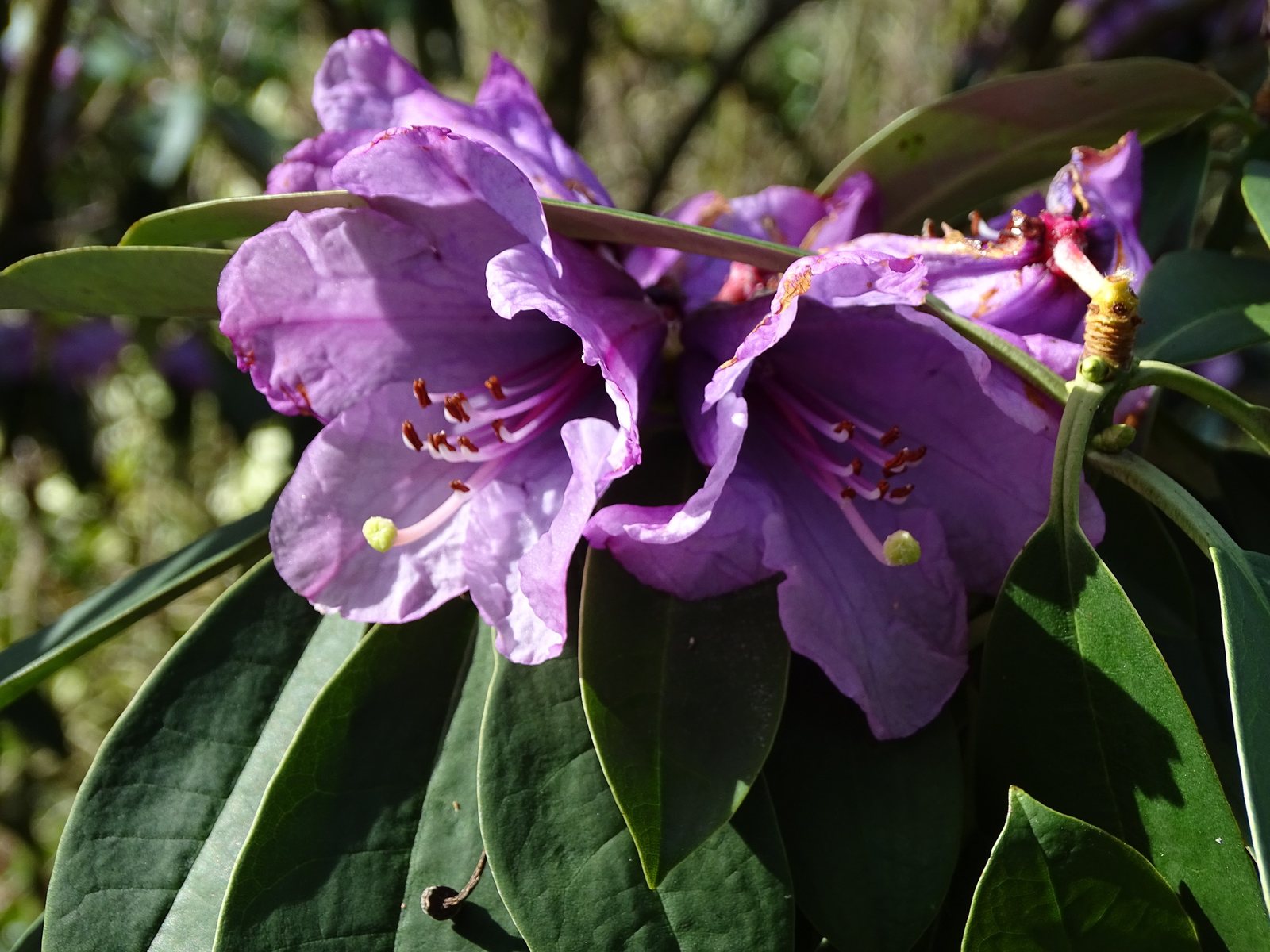
This large evergreen azalea bears pale pink to lavender-pink flowers with a darker rose-purple blotch in spring. Gardeners grow it for broad flowering masses beneath open tree canopies and along woodland edges. It suits mild climates and needs acidic soil; it is not reliably hardy through most Canadian winters.
At a glance
- Sun
- Partial shade, ideally morning sun and afternoon shade; tolerates more sun where the soil stays evenly moist.
- Water
- Keep the shallow root zone evenly moist but never waterlogged; water deeply during dry spells, especially while establishing.
- Soil
- Acidic, humus-rich, well-drained soil, ideally pH 4.5-6.0; unsuitable for chalky soil unless grown in a raised bed or container with ericaceous compost.
- Height
- 6-8 ft (1.8-2.4 m)
- Spread
- 4-6 ft (1.2-1.8 m)
- Flowers
- Mid- to late spring; large, single, pale pink to lavender-pink flowers with paler margins and a prominent darker blotch.
- Foliage
- Evergreen. Small to medium, oval, dark green leaves; some older leaves may drop during cold weather or drought.
- Growth
- Moderate; can grow larger with age in favourable conditions.
- Care needed
- Medium
The year at a glance
- Pollinators
- Heat tolerant
- Wildlife
- Low allergen
| J | F | M | A | M | J | J | A | S | O | N | D | |
|---|---|---|---|---|---|---|---|---|---|---|---|---|
| Flowers | ||||||||||||
| Plant |
Northern hemisphere months. In Australia, shift them by six.
- Difficulty
- Hard
- Toughness
- Needs looking after
Will it suit your garden?
Pick your zone, country, light and whether you have pets.
Full sun is 6 or more hours of direct sun a day, part shade 3 to 6 hours, shade under 3.
How it grows
Planting day
1.6 ft (0.5 m)
After 1 year
2.7 ft (0.82 m)
After 2 years
4 ft (1.1 m)
After 3 years
5 ft (1.5 m)
After 5 years
7 ft (2.1 m)
full size
About 5 years to full size.
From a typical nursery size, at an average rate for this kind of plant. A rule of thumb, not a forecast.
Good to know
- Cats and dogs
- Toxic
- Growth rate
- Moderate
Care
Jobs through the year
- WaterMar–May, Sep–Oct, every 7 days
- Check beneath mulch and water established plants if drying; young plants and pots need closer checks.
- WaterJun–Aug, every 7 days
- Water deeply during dry weather, keeping shallow roots evenly moist; pots may need water sooner.
- WaterJan–Feb, Nov–Dec, every 14 days
- Check sheltered pots and water if drying; outdoor plants need water only in dry, unfrozen conditions.
- FeedMay–Jun
- After flowering, apply a light azalea feed only if growth is weak.
- PruneMay–Jun
- Immediately after flowering, remove dead wood and shorten stray shoots only as needed.
- MulchApr, Nov
- Maintain 5–8 cm of pine bark or leaf mould, keeping stems clear.
- ProtectJan–Apr, Oct–Dec
- This cultivar is not reliably hardy in zone 6–7; overwinter pots in a bright, cool, frost-free space.
- Plant with the top of the root ball level with, or slightly above, the surrounding soil; do not bury the crown.
- Water at soil level during dry weather, checking beneath the mulch before watering again.
- Maintain 2-3 in (5-8 cm) of pine bark or leaf mould mulch, keeping it clear of the stems.
- If growth is weak, apply a labelled azalea fertiliser after flowering; avoid heavy feeding and late-season nitrogen.
- Avoid digging or cultivating beneath the branches because the roots are shallow.
Pruning. Prune immediately after flowering, shortening stray shoots and removing dead or damaged wood. Avoid routine shearing or late-summer pruning, which removes developing flower buds.
Through the year
- Spring
- Check soil moisture as buds swell and water during dry spells.
- Late spring
- After flowering, prune only where needed and feed lightly if growth warrants it.
- Summer
- Water deeply in dry weather and inspect leaf undersides for lace bugs.
- Early autumn
- Plant in mild climates while the soil is warm, allowing time for roots to establish.
- Late autumn
- Refresh the mulch without piling it against the stems.
- Winter
- Water during prolonged dry periods when the ground is unfrozen, and protect young plants from drying winds.
In the garden
- Plant in loose groups beneath high-canopied trees for a broad spring display.
- Use behind lower shade plants such as ferns and hostas, allowing room for its mature width.
- Combine with camellias and pieris for an evergreen, acid-soil shrub border.
- Use as an informal flowering screen rather than a tightly clipped hedge.
Garden styles it suits: Southern, Woodland, Traditional, Romantic rose garden, Japanese and Pastel border.
Plant it with: Camellias, Japanese pieris, Japanese maples, Hostas, Christmas ferns and Lilyturf.
Wildlife: Flowers attract bees and other visiting insects, while the dense branches provide cover for small birds. It is not a native shrub in the United States, United Kingdom, Canada or Australia.
Problems to watch for
- Azalea lace bugs cause pale stippling on leaves and dark spots underneath: reduce drought stress, provide afternoon shade, and treat leaf undersides with insecticidal soap or horticultural oil according to the label.
- Phytophthora root rot causes wilting and dieback in wet soil: improve drainage, avoid overwatering, and remove badly affected plants.
- Iron chlorosis produces yellow leaves with greener veins in alkaline soil: test the soil and correct the growing conditions; use ericaceous compost in containers where the ground is chalky.
- Petal blight makes flowers water-soaked and brown: remove affected and fallen blooms promptly, avoid overhead watering, and replace contaminated surface mulch.
Safety
Toxic to people, cats, dogs and horses. All parts, including leaves, flowers and nectar, contain grayanotoxins; swallowing them can cause vomiting, weakness, dangerous heart disturbances and potentially fatal poisoning. Seek urgent medical or veterinary advice after ingestion.
Easily confused with
Formosa azalea (Rhododendron 'Formosa')
Has a similar large, evergreen habit, but its flowers are much deeper purple-magenta rather than pale pink with pale margins.
Mrs. G. G. Gerbing azalea (Rhododendron 'Mrs. G. G. Gerbing')
Has a similar habit and flowering season, but bears white flowers rather than pink flowers with a dark blotch.
The name
The cultivar honours George Lindley Taber, founder of Glen Saint Mary Nurseries in Florida; 'Tabor' is a common alternative spelling in its common name.
Propagation. Root semi-ripe cuttings in summer in an acidic, free-draining medium under humid conditions, or layer a low branch. Seed-grown plants will not reliably match the cultivar.
Checked against open data
- Accepted botanical name
- Rhododendron
Sources: GBIF (CC BY 4.0). The care and design notes are LandscapeGPT's own.
See it in your own yard.
Upload a photo of your yard and see it redesigned with plants that suit your climate, each checked against your zone.