Gerbera daisy
Gerbera jamesonii. Family Asteraceae. Perennial.
Also called Barberton daisy, Transvaal daisy.
Gerbera daisy is a tender, clump-forming perennial grown for large, brightly coloured daisies on upright, leafless stems. It is grown as an annual in colder regions, or kept in containers and overwintered under cover. Most garden gerberas are hybrids derived partly from Gerbera jamesonii rather than the pure species.
At a glance
- Sun
- Full sun in mild climates; morning sun and afternoon shade where summers are hot.
- Water
- Keep moderately moist during active growth, letting the surface dry slightly between waterings. Water much less during cool, slow-growing periods.
- Soil
- Fertile, well-drained soil or potting mix; slightly acidic soil is preferred. Avoid heavy soil that stays wet.
- Height
- 1-2 ft (0.3-0.6 m), including flower stems
- Spread
- 1-1.5 ft (0.3-0.45 m)
- Flowers
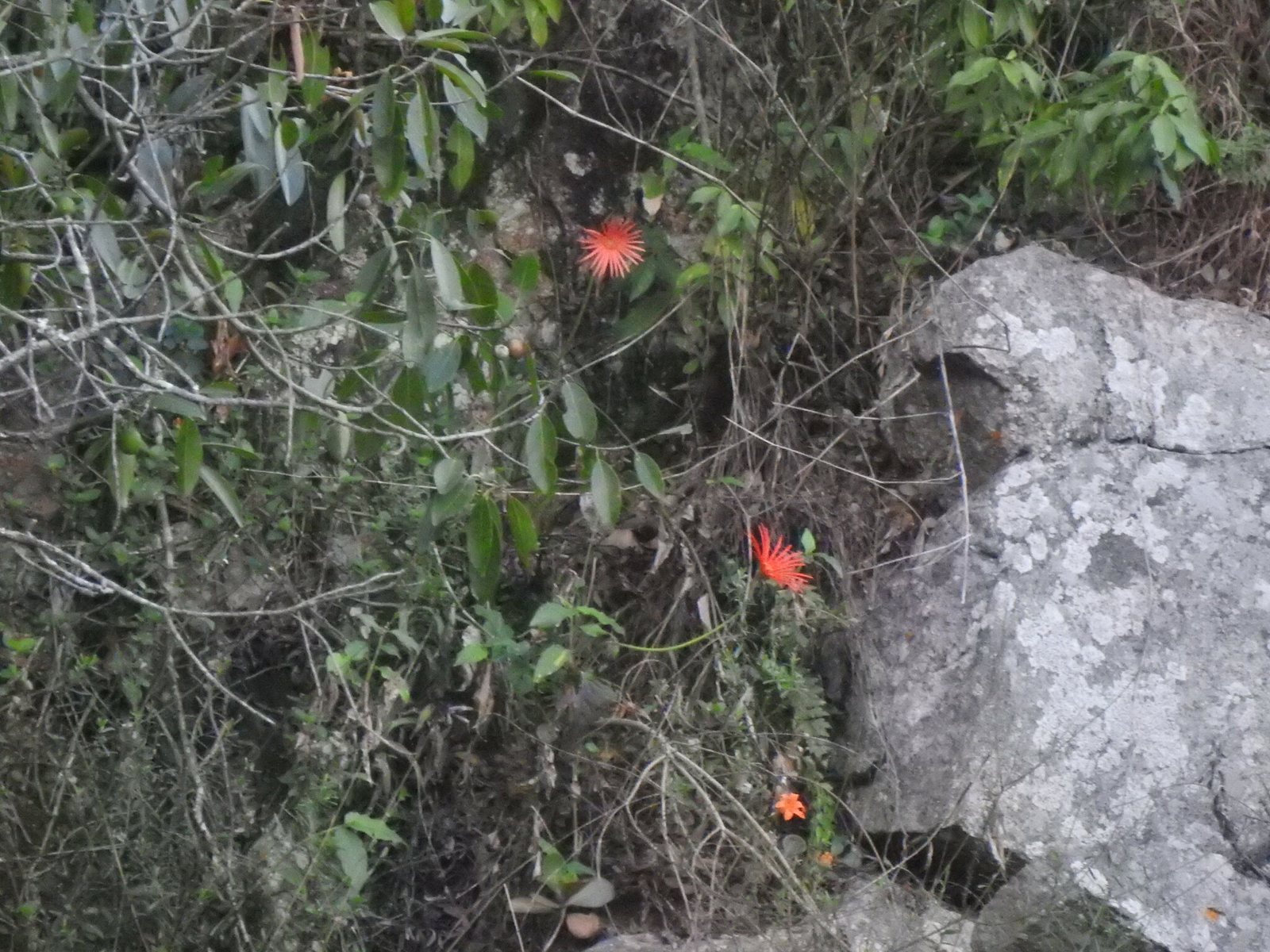
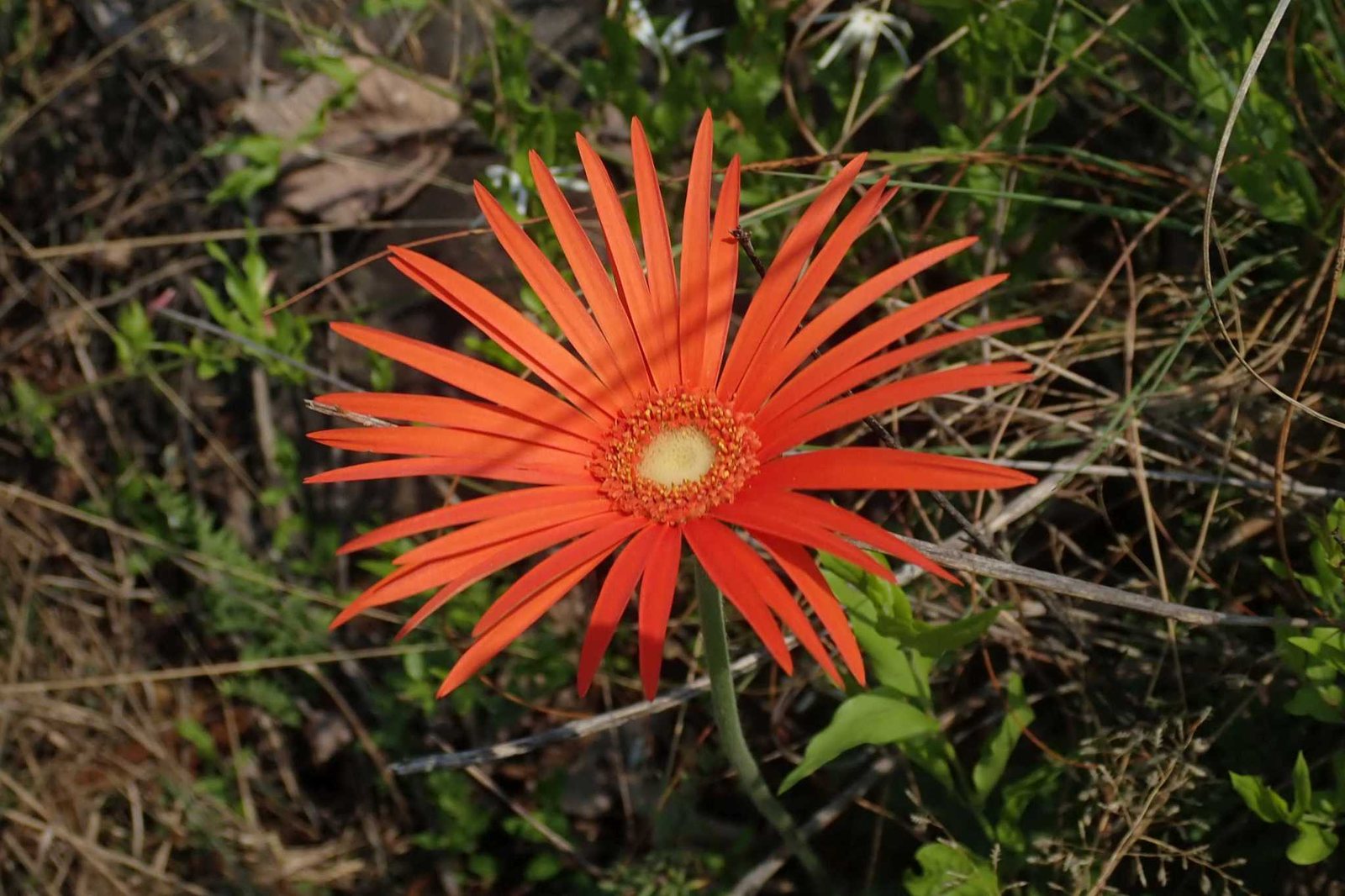
- Late spring to autumn, sometimes longer in frost-free conditions. The species usually has orange-red flowers; garden hybrids also come in yellow, pink, white, cream and other shades.
- Foliage
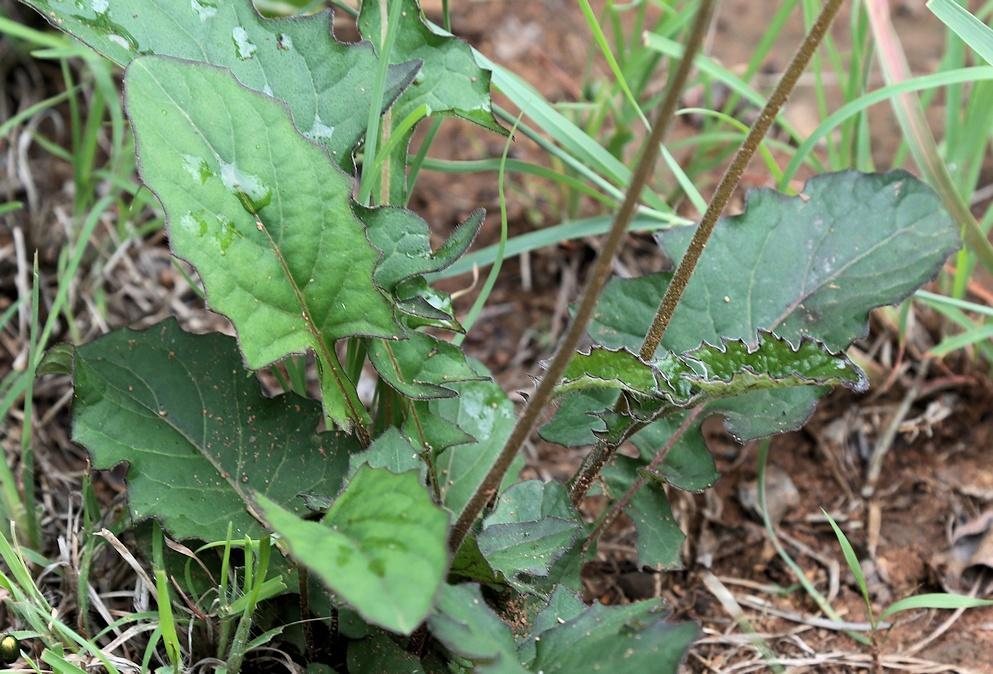
- Evergreen. A basal rosette of broad, lobed green leaves, often softly hairy beneath.
- Growth
- Moderate
- Care needed
- Medium
The year at a glance
- Pollinators
- Low allergen
| J | F | M | A | M | J | J | A | S | O | N | D | |
|---|---|---|---|---|---|---|---|---|---|---|---|---|
| Flowers | ||||||||||||
| Plant |
Northern hemisphere months. In Australia, shift them by six.
- Difficulty
- Moderate
- Toughness
- Needs looking after
Will it suit your garden?
Pick your zone, country, light and whether you have pets.
Full sun is 6 or more hours of direct sun a day, part shade 3 to 6 hours, shade under 3.
How it grows
Planting day
1 ft (0.3 m)
After 1 year
1.1 ft (0.35 m)
After 2 years
1.3 ft (0.4 m)
After 3 years
1.5 ft (0.45 m)
full size
About 3 years to full size.
From a typical nursery size, at an average rate for this kind of plant. A rule of thumb, not a forecast.
Good to know
- Cats and dogs
- Safe
- Growth rate
- Moderate
Care
Jobs through the year
- WaterMay, Sep–Oct, every 7 days
- Water established plants at soil level if the surface has dried; young plants need closer checks.
- WaterJun–Aug, every 4 days
- Keep established plants moderately moist, adjusting for rain and avoiding wet crowns.
- FeedMay–Sep, every 28 days
- Feed containers at the label rate; feed border plants only if soil is poor.
- DeadheadMay–Oct, every 7 days
- Cut each faded flower stem close to its base.
- PruneApr–Oct
- Remove yellow or diseased leaves without shearing the rosette.
- DivideApr–May
- Divide crowded overwintered clumps as active growth begins.
- ProtectSep–Oct
- Before frost, lift or move pots into bright, frost-free shelter; water sparingly over winter.
- ProtectMay
- Harden off sheltered plants gradually and plant out only after frost risk passes.
- Plant with the crown at soil level, never buried beneath soil or mulch.
- Water the soil rather than the leaves and crown, preferably in the morning.
- Feed container plants with a balanced liquid fertiliser at the label rate during active growth.
- Keep mulch clear of the crown and leave space between plants for airflow.
- Move pots into a bright, frost-free place before frost; keep them drier over winter.
Pruning. Remove faded flowers by cutting the entire stem close to its base with clean secateurs. Remove yellow or diseased leaves promptly, but do not shear the whole rosette.
Through the year
- Late winter
- Check overwintered plants for pests and crown rot; water sparingly while growth is slow.
- Spring
- Repot crowded plants and divide established clumps once active growth begins.
- Late spring
- After frost risk has passed, acclimatise indoor plants gradually and plant outdoors with crowns exposed.
- Summer
- Water during dry spells, feed container plants and remove spent flower stems.
- Autumn
- Bring containers under cover before frost in cold climates and reduce feeding as growth slows.
- Winter
- Keep sheltered plants bright and frost-free; protect outdoor crowns from prolonged wet conditions.
In the garden
- Use in patio containers where the flowers can be seen closely and drainage is easy to control.
- Plant small groups at the front of sunny borders for repeated blocks of colour.
- Combine with blue salvia and white sweet alyssum for contrast without hiding the basal leaves.
- Grow in a cutting bed for long-stemmed flowers, allowing enough room for airflow.
Garden styles it suits: Modern courtyard, Cottage garden, Hot border, Pastel border, Small-space and Sensory garden.
Plant it with: Salvia, Sweet alyssum, Angelonia, Dwarf zinnia and Verbena.
Wildlife: Open, single flowers provide pollen and nectar for bees and other visiting insects; densely double forms offer less accessible food.
Problems to watch for
- Crown and root rot: improve drainage, keep the crown above surrounding mulch and discard badly rotted plants.
- Powdery mildew: improve airflow, avoid crowding and remove badly affected leaves.
- Aphids and whiteflies: inspect leaf undersides and treat infestations with insecticidal soap according to its label.
- Spider mites: watch for stippled leaves and fine webbing in hot, dry conditions; rinse leaf undersides and use a labelled treatment if needed.
Safety
Not known to be toxic to cats, dogs, horses or people. No part is recognised as poisonous, although eating plant material can still cause mild stomach upset.
Easily confused with
African daisy (Osteospermum ecklonis)
Forms a branching, leafy mound with flowers at the shoot tips; gerbera flowers rise on leafless stems from a basal rosette.
Gazania (Gazania rigens)
Usually has narrower leaves, often silvery beneath, and flowers with dark markings near the petal bases that close in dull weather.
Shasta daisy (Leucanthemum × superbum)
Usually has white rays around a yellow centre and leafy flowering stems, rather than gerbera's leafless flower stalks.
The name
Gerbera honours German physician and botanist Traugott Gerber, while jamesonii honours Robert Jameson, who collected the plant in southern Africa.
Propagation. Sow fresh seed in warmth, pressing it onto the surface of moist seed compost. Divide established, multi-crowned plants in spring, keeping roots and a healthy growing point on each division. Seed from garden hybrids may not resemble the parent.
Checked against open data
- Accepted botanical name
- Gerbera jamesonii
- Native range
- Northern Provinces and Swaziland.
Sources: GBIF (CC BY 4.0) and Trefle (CC BY 4.0). The care and design notes are LandscapeGPT's own.
See it in your own yard.
Upload a photo of your yard and see it redesigned with plants that suit your climate, each checked against your zone.