Ghost fern
Athyrium 'Ghost'. Family Athyriaceae. Fern.
Also called Athyrium 'Ghost'.
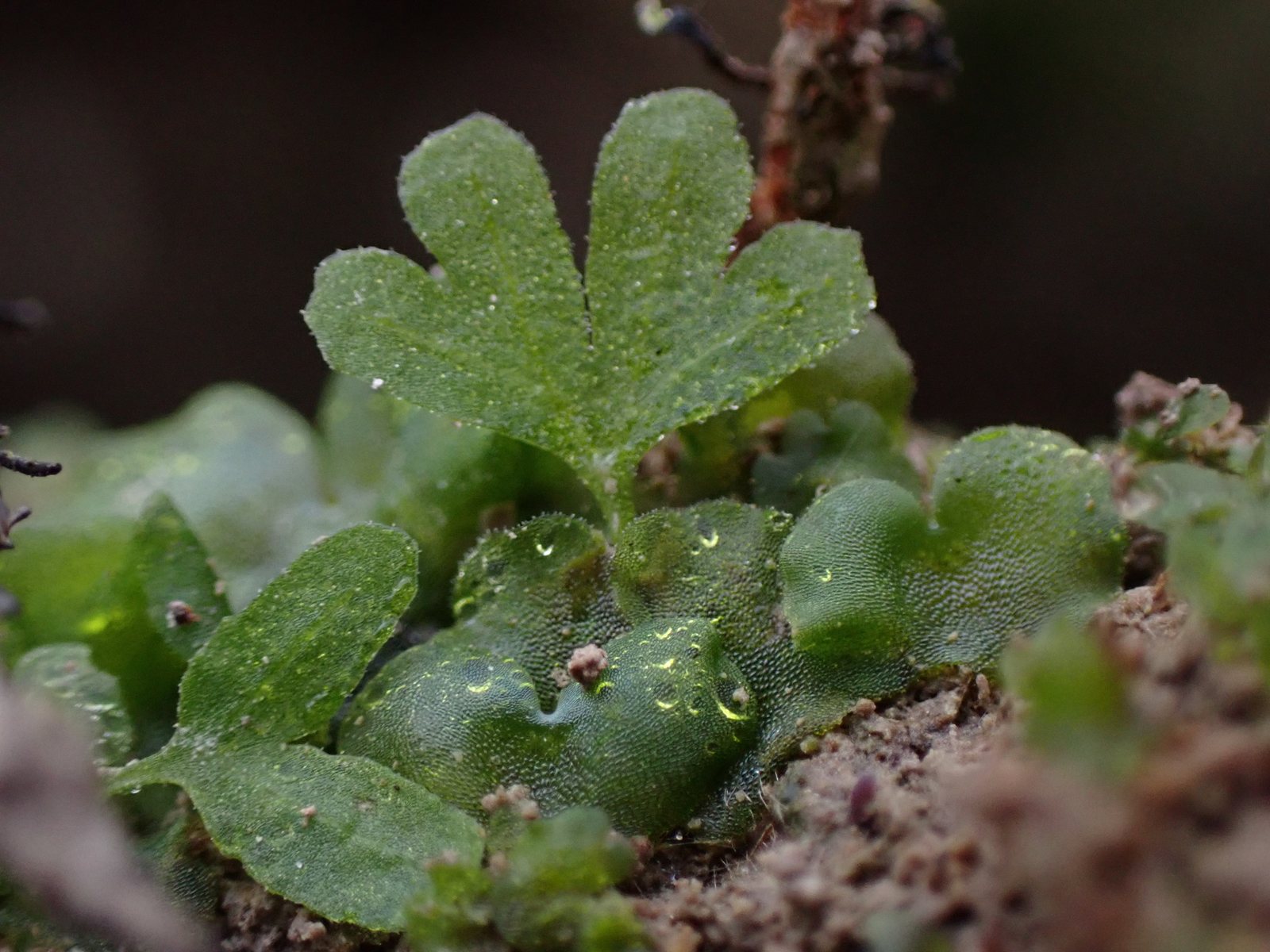
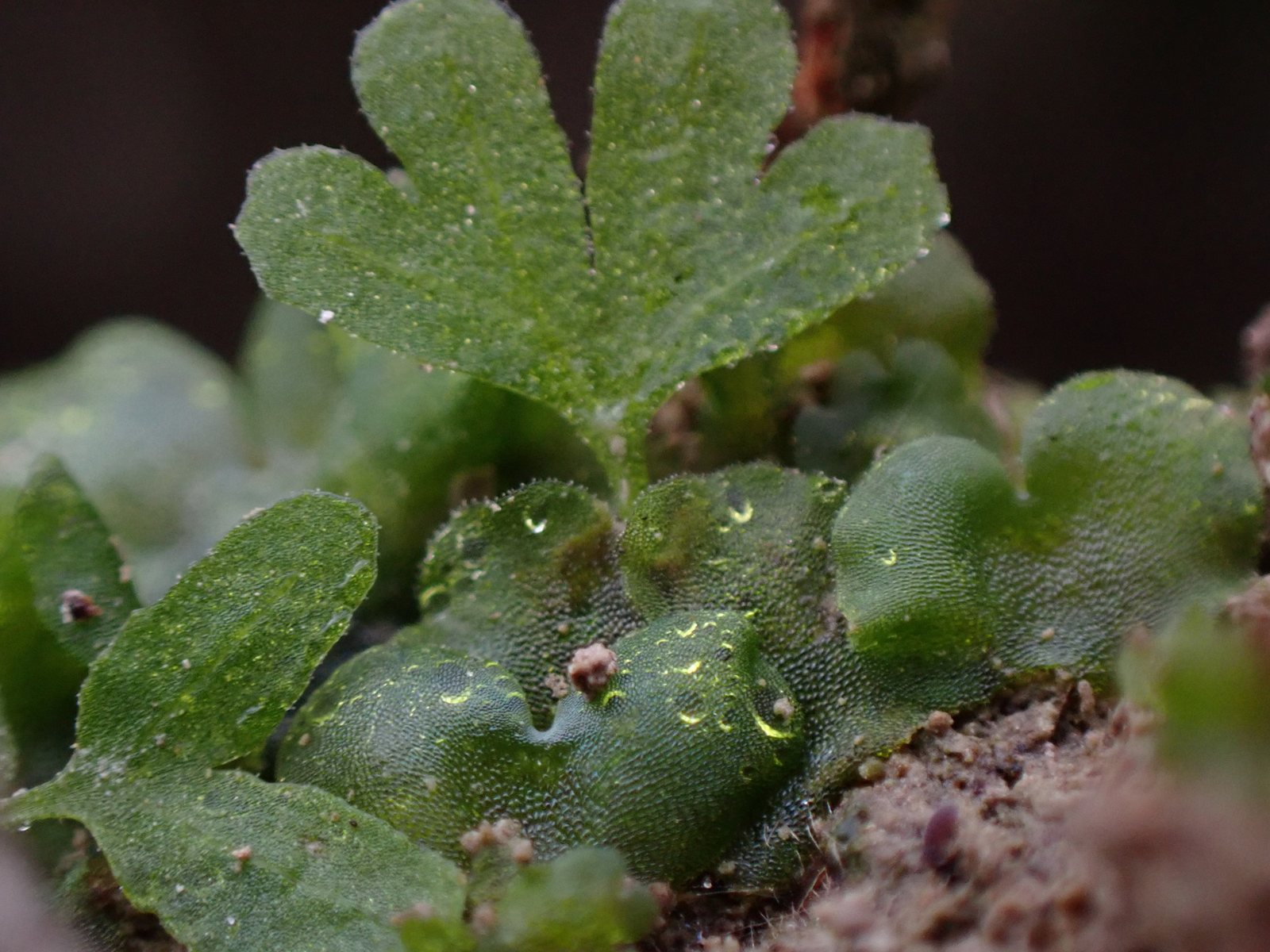
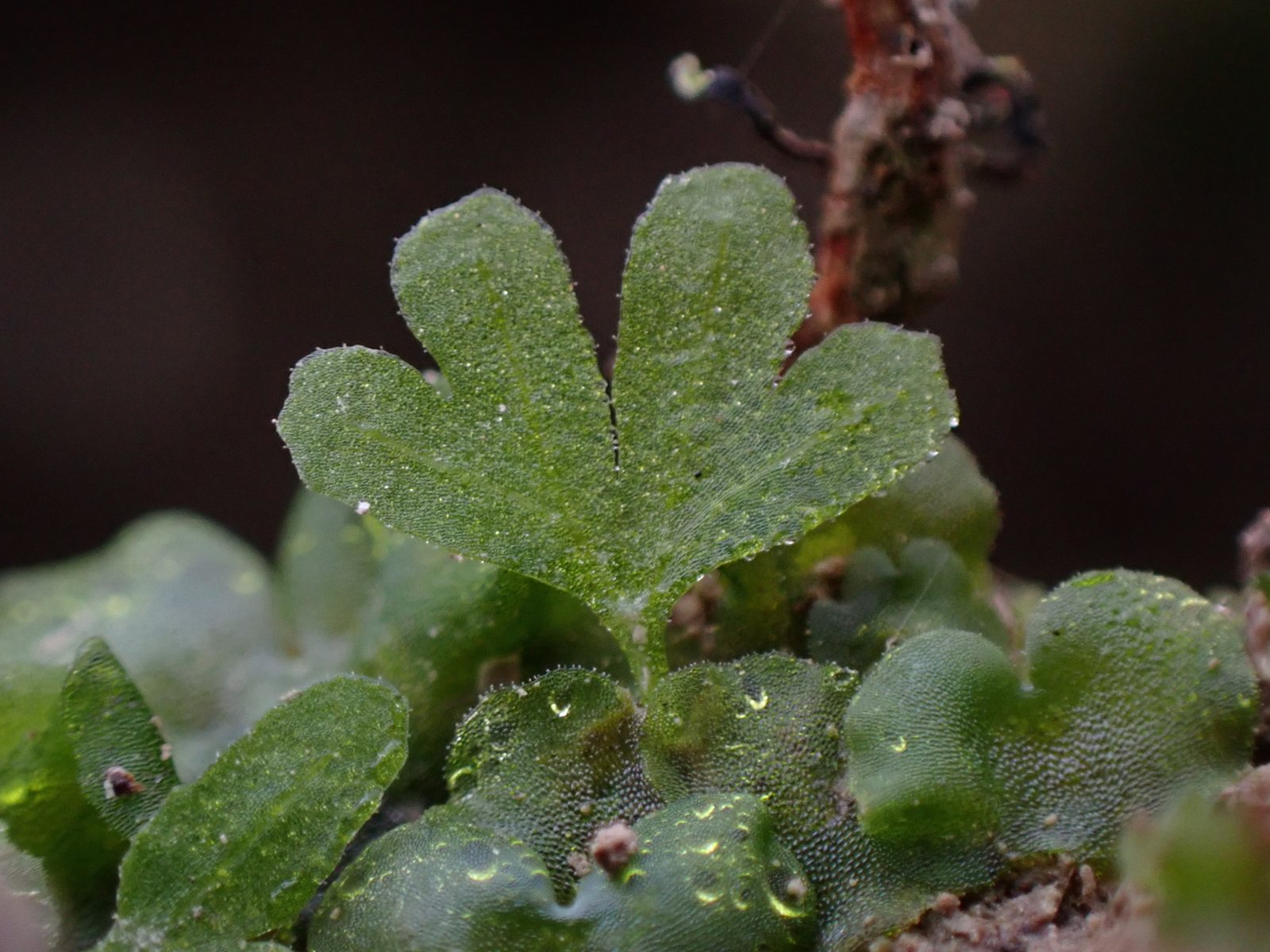
Ghost fern is a deciduous hybrid of Japanese painted fern and lady fern, grown for its upright, silvery fronds. It makes a slowly expanding clump that brightens shaded borders, especially beside plants with broad, dark green leaves.
At a glance
- Sun
- Partial to full shade; gentle morning sun is suitable if the soil stays moist. Avoid hot afternoon sun.
- Water
- Keep the soil consistently moist but not waterlogged. Water during dry spells, particularly while new fronds are developing.
- Soil
- Humus-rich, moisture-retentive soil with good drainage; acidic to neutral soil is ideal.
- Height
- 2-3 ft (0.6-0.9 m)
- Spread
- 1.5-2.5 ft (0.45-0.75 m)
- Foliage
- Finely divided, upright silver-grey to pale green fronds with darker midribs. Fronds often become greener as the season progresses and die back in autumn.
- Growth
- Moderate; clumps expand gradually.
- Care needed
- Low
The year at a glance
- Deer resistant
- Cold hardy
- Wildlife
- Low allergen
| J | F | M | A | M | J | J | A | S | O | N | D | |
|---|---|---|---|---|---|---|---|---|---|---|---|---|
| Plant |
Northern hemisphere months. In Australia, shift them by six.
- Difficulty
- Easy
- Toughness
- Fairly tough
Will it suit your garden?
Pick your zone, country, light and whether you have pets.
Full sun is 6 or more hours of direct sun a day, part shade 3 to 6 hours, shade under 3.
How it grows
Planting day
1 ft (0.3 m)
After 1 year
1.5 ft (0.45 m)
After 2 years
2 ft (0.6 m)
After 3 years
2.5 ft (0.75 m)
full size
About 3 years to full size.
From a typical nursery size, at an average rate for this kind of plant. A rule of thumb, not a forecast.
Good to know
- Cats and dogs
- Safe
- Growth rate
- Moderate
Care
Jobs through the year
- WaterApr–May, Sep–Oct, every 14 days
- Water established clumps if soil begins drying; new plants need closer attention.
- WaterJun–Aug, every 7 days
- Water established clumps during dry weather to keep soil consistently moist.
- MulchMar–Apr
- Apply leaf mould or compost without covering the crown.
- PruneFeb–Mar
- Cut dead fronds near ground level before new croziers emerge.
- DivideMar–Apr
- Divide only crowded clumps, retaining several growing points per division.
- ProtectMar–May
- Cover emerging fronds with fleece when late frost is forecast.
- Water deeply whenever the soil begins to dry; do not let newly planted clumps dry out.
- Apply leaf mould or garden compost in spring, keeping it clear of the crown.
- Shelter the fronds from drying winds and strong afternoon sun.
- Avoid heavy feeding; a yearly compost mulch is usually sufficient.
- Divide crowded clumps in early spring, keeping several growing points on each division.
Pruning. Cut dead fronds back near ground level in late winter or early spring, before new growth emerges. Remove individual damaged fronds at their bases during the growing season.
Through the year
- Late winter
- Remove dead fronds before the new croziers begin to unfurl.
- Early spring
- Plant or divide clumps, then water thoroughly.
- Spring
- Mulch with leaf mould or compost without covering the crown.
- Summer
- Check soil moisture regularly and water during dry weather.
- Early autumn
- Plant new specimens while the soil is moist and there is time for roots to establish before frost.
- Late autumn
- Allow the fronds to die back naturally; mark the clump's position to avoid disturbing it while dormant.
In the garden
- Repeat small groups through a shaded border to create a consistent silver accent.
- Pair with hostas and bergenias for contrast between finely divided fronds and broad leaves.
- Use beside a shaded path where its upright shape and pale foliage are easy to see.
- Plant beneath deciduous trees where the soil can be kept moist, away from the driest root competition.
Garden styles it suits: Woodland, Japanese, Blues and silvers, Moon garden, Cottage garden and Pacific Northwest woodland.
Plant it with: Hostas, Brunnera, Astilbes, Hellebores, Bergenias and Epimediums.
Wildlife: Clumps provide sheltered places for small invertebrates. As a fern, it has no flowers, nectar or pollen for pollinating insects.
Problems to watch for
- Brown, crisp fronds usually indicate drought, strong sun or drying wind; water thoroughly, mulch and provide more shelter.
- Crown or root rot can develop in waterlogged soil; improve drainage and avoid burying the crown.
- Slugs and snails may damage emerging fronds; inspect new growth and use hand-picking or a labelled iron-phosphate bait if needed.
- Late frost can blacken emerging fronds; protect new growth with horticultural fleece when frost is forecast and remove damaged fronds afterward.
Safety
Not known to be toxic to cats, dogs, horses or people, but safety information specific to this cultivar is limited. No part is intended for eating; discourage pets and children from chewing the fronds or rhizomes.
Easily confused with
Japanese painted fern (Athyrium niponicum var. pictum)
Usually shorter and more spreading, with more obvious burgundy or purple colouring along the stems and within the silver fronds; 'Ghost' is taller and more upright.
Lady fern (Athyrium filix-femina)
Has similarly fine, upright fronds but is normally fresh green rather than silver-grey.
The name
The cultivar name 'Ghost' refers to the pale, silvery appearance of its fronds.
Propagation. Divide established clumps in early spring as growth starts. This hybrid is generally sterile, so division is the reliable way to produce plants true to the cultivar.
Checked against open data
- Accepted botanical name
- Athyrium
Sources: GBIF (CC BY 4.0). The care and design notes are LandscapeGPT's own.
See it in your own yard.
Upload a photo of your yard and see it redesigned with plants that suit your climate, each checked against your zone.