Globemaster ornamental onion
Allium 'Globemaster'. Family Amaryllidaceae. Bulb.
Also called Allium 'Globemaster', Globemaster allium.
Allium 'Globemaster' is a hardy, summer-dormant bulb grown for large, rounded heads of violet-purple flowers on sturdy upright stems. It flowers between spring bulbs and summer perennials, and its dried flower heads provide structure after the colour fades. It performs best in sunny gardens with freely draining soil and cool winters.
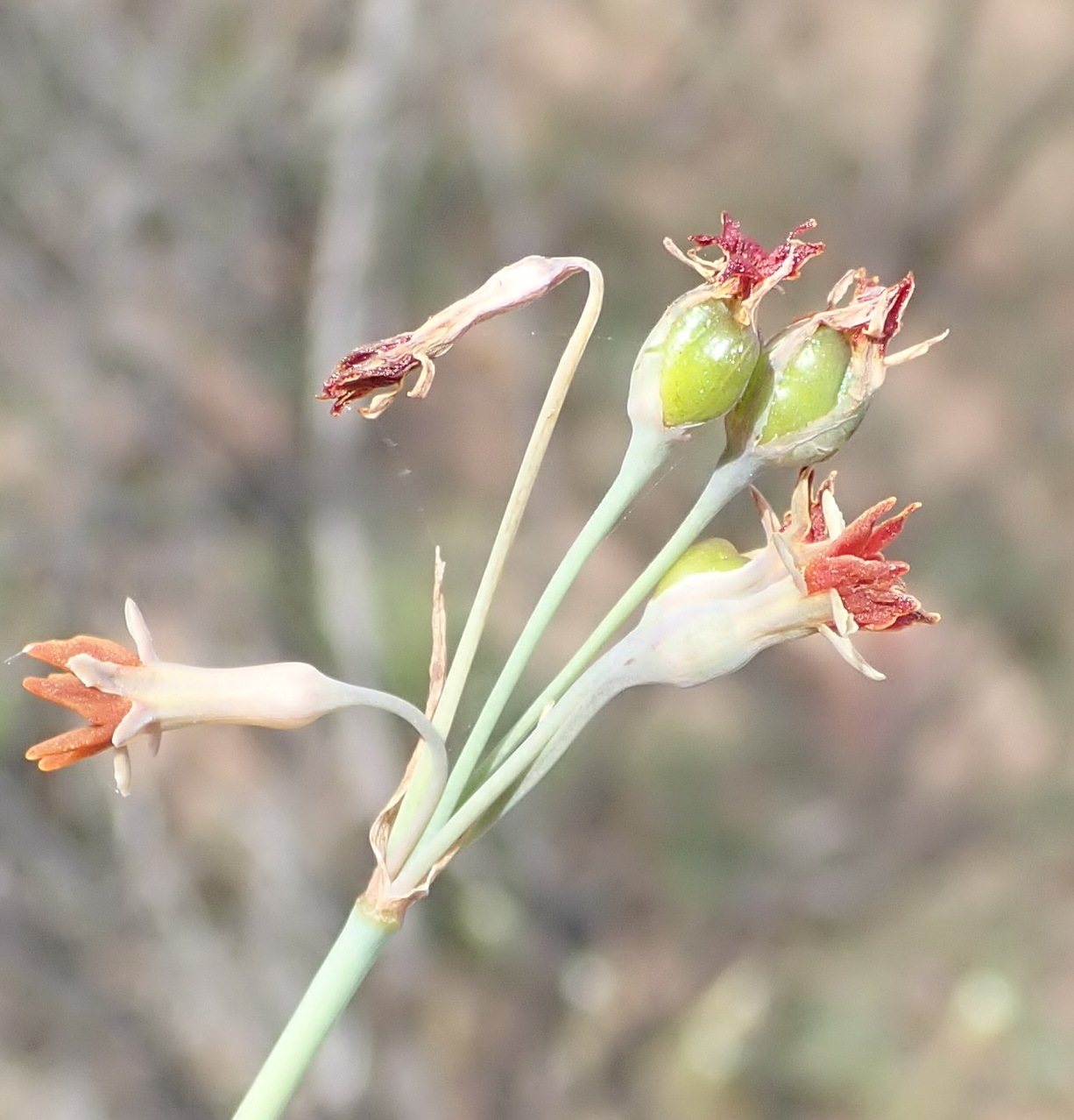
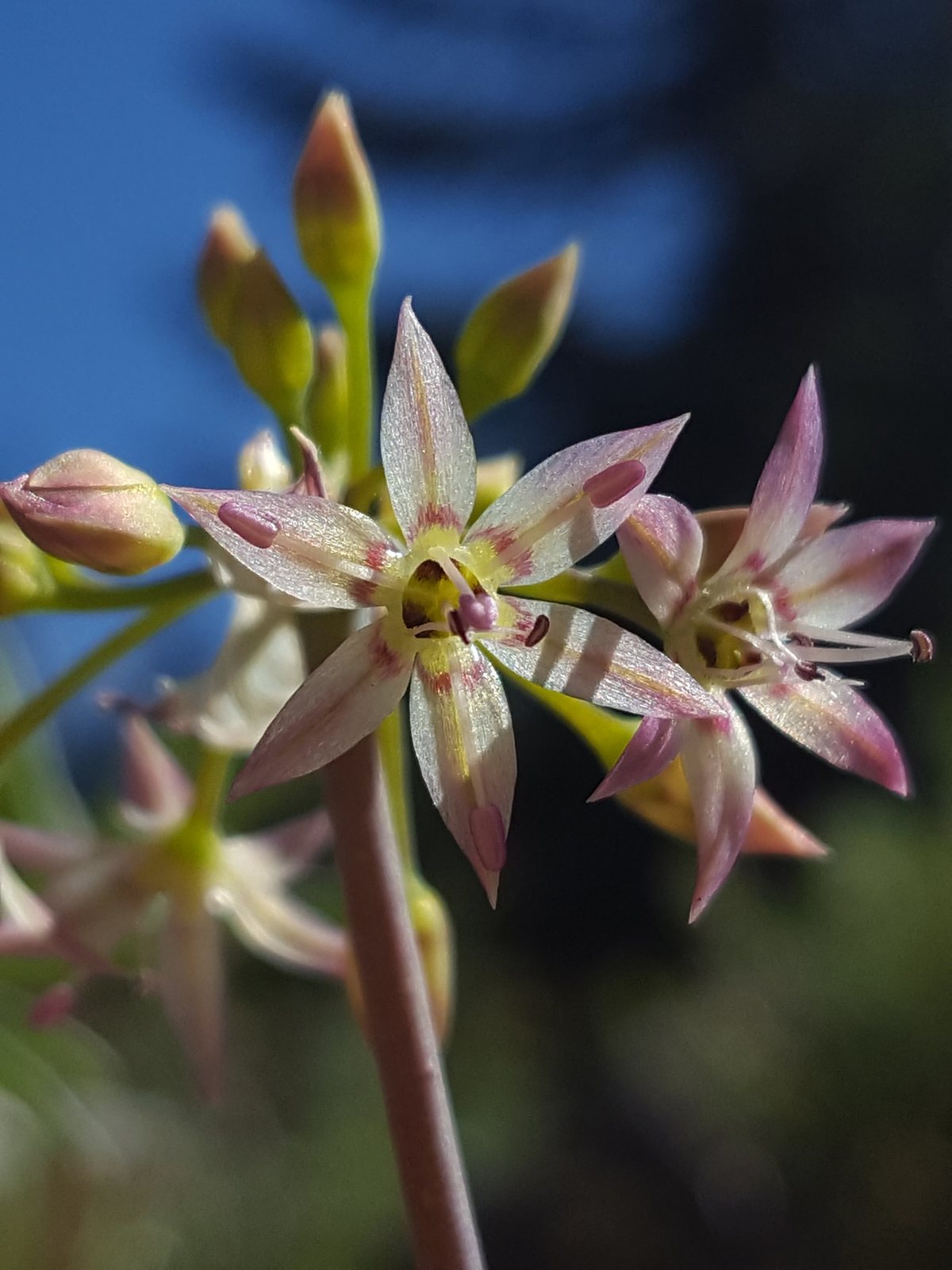
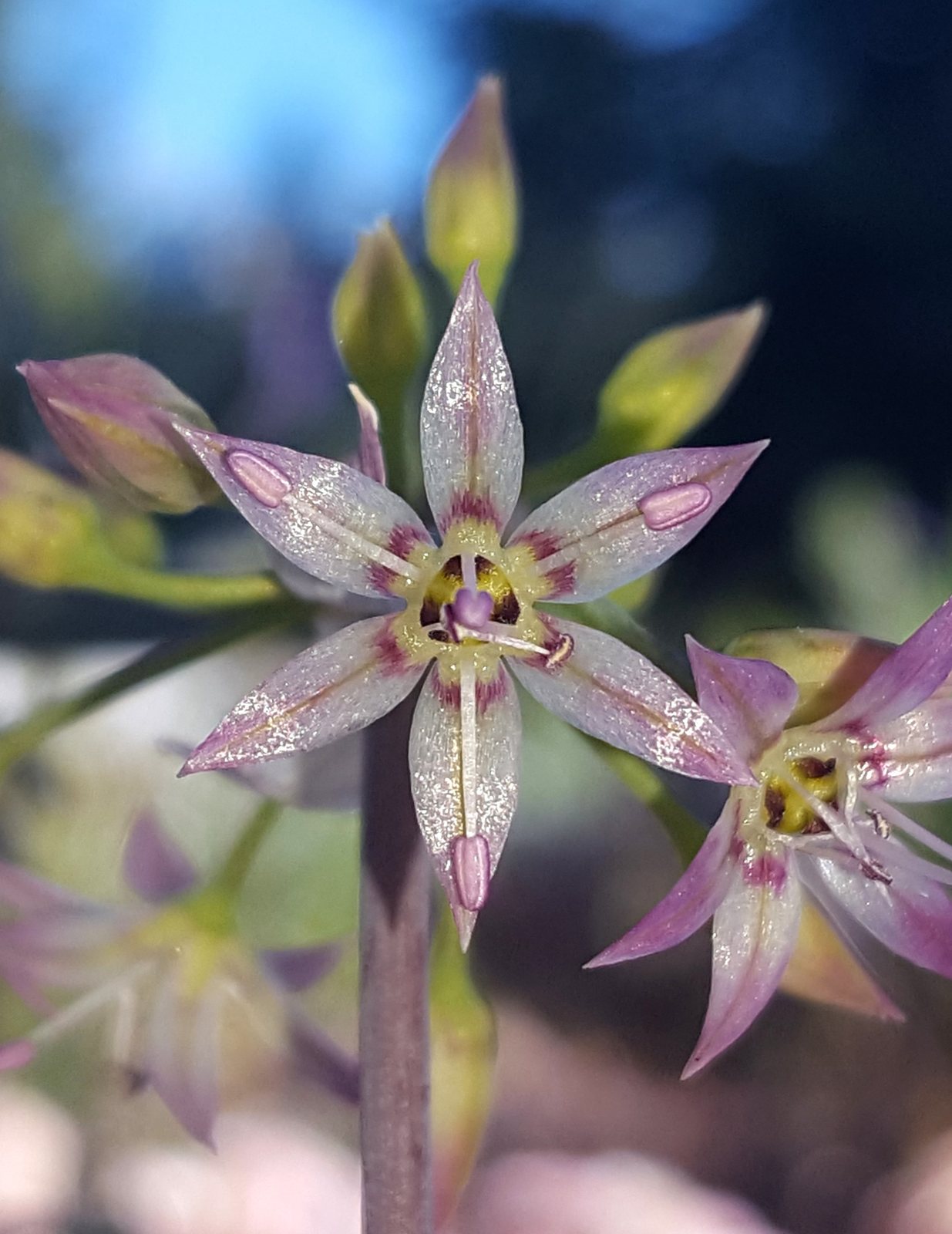
At a glance
- Sun
- Full sun; flowering is weaker and stems may lean in shade.
- Water
- Water during active spring growth if the soil becomes dry. Once the leaves die back, keep watering to a minimum; avoid persistently wet soil in any season.
- Soil
- Well-drained sandy, loamy or gritty soil. Heavy clay needs improved drainage or a raised bed; avoid sites that stay waterlogged.
- Height
- 2.5-3 ft (0.75-0.9 m)
- Spread
- 1-1.5 ft (0.3-0.45 m)
- Flowers
- Late spring to early summer; dense violet-purple globes commonly 8-10 in (20-25 cm) across.
- Foliage
- Broad, strap-shaped, grey-green basal leaves emerge in spring and often begin yellowing by flowering time. The plant becomes dormant in summer.
- Growth
- Moderate; established bulbs flower annually and gradually form larger clumps.
- Care needed
- Low
The year at a glance
- Pollinators
- Deer resistant
- Drought tolerant
- Low allergen
| J | F | M | A | M | J | J | A | S | O | N | D | |
|---|---|---|---|---|---|---|---|---|---|---|---|---|
| Flowers | ||||||||||||
| Fruit | ||||||||||||
| Plant |
Northern hemisphere months. In Australia, shift them by six.
- Difficulty
- Easy
- Toughness
- Very tough
Will it suit your garden?
Pick your zone, country, light and whether you have pets.
Full sun is 6 or more hours of direct sun a day, part shade 3 to 6 hours, shade under 3.
How it grows
Planting day
0.5 ft (0.15 m)
After 1 year
2.7 ft (0.83 m)
full size
About 1 years to full size.
From a typical nursery size, at an average rate for this kind of plant. A rule of thumb, not a forecast.
Good to know
- Cats and dogs
- Toxic
- Growth rate
- Moderate
Care
Jobs through the year
- WaterMar–Apr, every 14 days
- Water established bulbs only if soil is dry during active growth.
- WaterMay–Jun, every 7 days
- Water during prolonged dry spells while leaves remain green; stop once dormant.
- FeedMar
- On poor soil only, apply a light balanced feed as shoots emerge.
- PruneJun–Jul
- Remove leaves only after they die naturally; retain sterile dried flower heads for structure.
- DivideAug–Sep
- Every few years, lift congested dormant clumps and promptly replant sound bulbs.
- ProtectJan–Feb, Nov–Dec
- Prevent standing water over bulbs and keep thick, wet mulch away.
- Plant bulbs in autumn, with their bases about 6-8 in (15-20 cm) deep and centres 10-12 in (25-30 cm) apart.
- Water during prolonged dry spells while leaves are green, but do not routinely irrigate dormant bulbs.
- Apply a light dressing of balanced fertiliser as growth starts in spring if the soil is poor; avoid heavy nitrogen feeding.
- Keep thick, wet organic mulch away from the bulb crowns and improve drainage before planting in heavy soil.
- Divide congested clumps after the foliage dies back, usually only every few years; replant sound bulbs promptly.
Pruning. Leave the flower heads standing for their dried shape, or cut the stems at the base after flowering. Remove leaves only once they have yellowed and died back naturally.
Through the year
- Autumn
- Plant bulbs in a sunny, freely draining position.
- Winter
- Check that water is not collecting over the bulbs, particularly in heavy soil or containers.
- Early spring
- Apply a light feed if needed and check emerging shoots for slug damage.
- Late spring
- Water during dry spells while growth is active; support stems only on very exposed sites.
- Early summer
- Leave fading flower heads for structure or remove them; allow the leaves to die back.
- Late summer
- Lift and divide congested clumps if necessary, keeping dormant bulbs out of wet soil.
In the garden
- Plant in repeated groups through sunny borders to create a rhythm of purple spheres.
- Grow among catmint, hardy geraniums or salvia so their foliage conceals the allium's yellowing leaves.
- Use against clipped evergreen hedges for a clear contrast between rounded flowers and a dark background.
- Combine with ornamental grasses and later-flowering perennials, retaining the dried heads for summer structure.
- Plant in gravel gardens where drainage is good and the flower heads can rise above low planting.
Garden styles it suits: Architectural minimal, English country, Cottage garden, New perennial (prairie), Dry gravel garden and Pollinator garden.
Plant it with: Catmint, Hardy geranium, Perennial salvia, Lady's mantle, Peony and Feather reed grass.
Wildlife: Flowers attract bees and other pollinating insects. This sterile hybrid does not provide a useful seed crop for birds. Deer and rabbits usually leave it alone, though no plant is completely browsing-proof.
Problems to watch for
- Bulb rot in wet soil: improve drainage, avoid summer overwatering and discard soft or rotten bulbs.
- Slugs and snails on emerging leaves: inspect young growth and use barriers, hand collection or a locally approved control.
- Few flowers or small heads: provide full sun, let leaves die naturally and divide overcrowded bulbs; warm-winter climates may not provide enough chilling.
- Yellow leaves around flowering time: this is usually normal dormancy rather than disease; hide the foliage with nearby perennials instead of cutting it off early.
Safety
All parts, especially the bulbs, are toxic to cats, dogs and horses if eaten and can cause serious red-blood-cell damage and anaemia. It is not an edible onion; ingestion can also cause stomach upset in people. Keep bulbs away from children and pets, and seek veterinary advice promptly if an animal eats them.
Easily confused with
Star of Persia (Allium cristophii)
Usually shorter, with a more open globe of distinctly star-shaped, metallic lilac flowers; 'Globemaster' has denser heads on taller stems.
Giant ornamental onion (Allium giganteum)
Usually taller, often reaching 4-5 ft (1.2-1.5 m), with smaller, tightly packed flower globes relative to its height.
Purple Sensation ornamental onion (Allium hollandicum 'Purple Sensation')
Has much smaller, generally darker purple flower heads and narrower leaves; it can also self-seed, unlike sterile 'Globemaster'.
The name
Allium is the Latin word for garlic, while 'Globemaster' refers to the cultivar's large, globe-shaped flower heads.
Propagation. Separate offset bulbs after the leaves have died back and replant them in well-drained soil. Small offsets may take several years to reach flowering size. 'Globemaster' is a sterile hybrid and is not propagated reliably from seed.
Checked against open data
- Accepted botanical name
- Allium
Sources: GBIF (CC BY 4.0). The care and design notes are LandscapeGPT's own.
See it in your own yard.
Upload a photo of your yard and see it redesigned with plants that suit your climate, each checked against your zone.