Golden locust
Robinia pseudoacacia 'Frisia'. Family Fabaceae. Tree.
Also called Golden false acacia, Golden robinia, Frisia black locust.
A deciduous tree grown for its bright golden, divided leaves and open crown, which casts light shade. It makes a striking specimen in a larger garden, but brittle branches, thorny shoots and spreading root suckers mean it needs careful positioning.
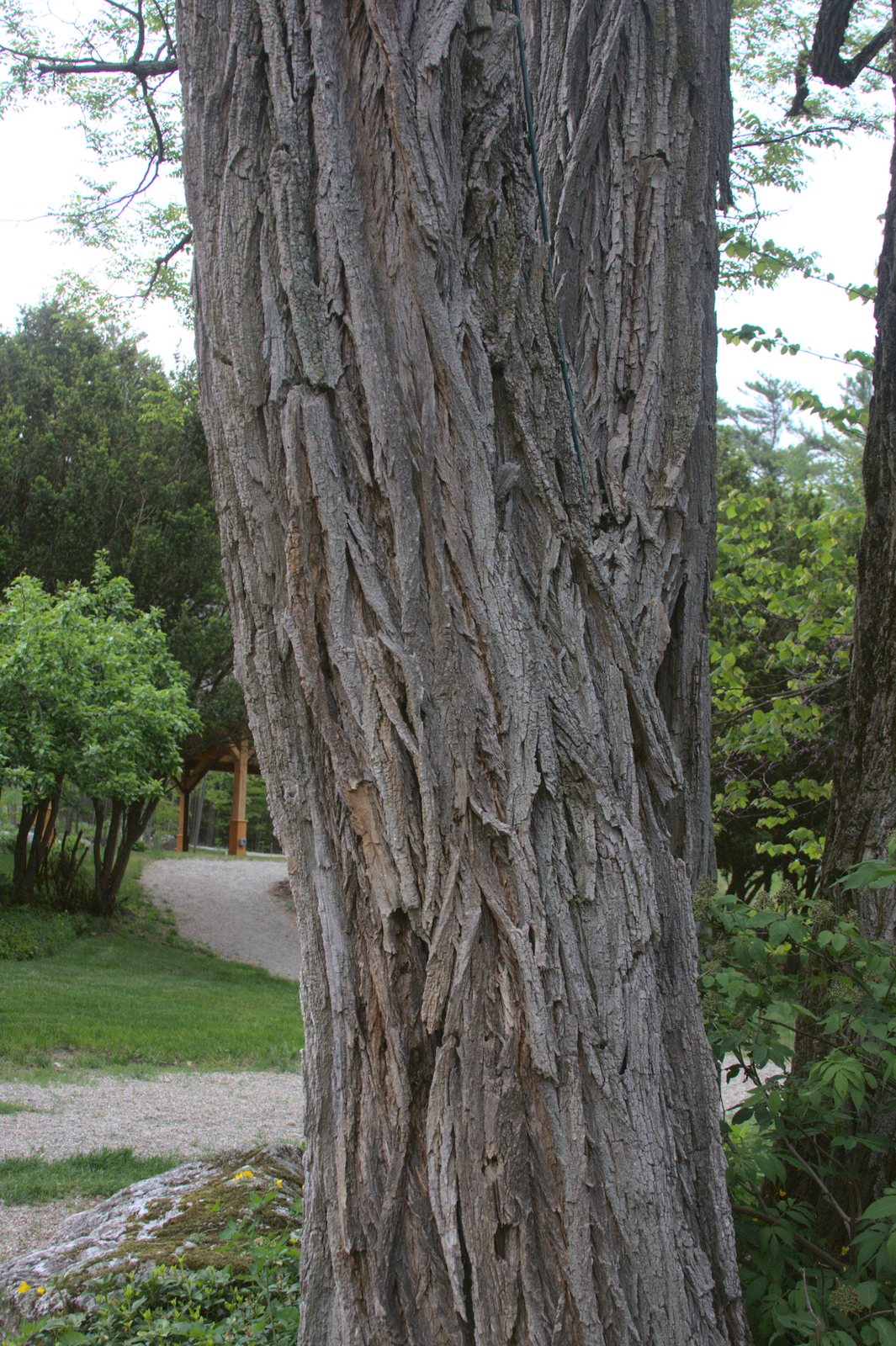
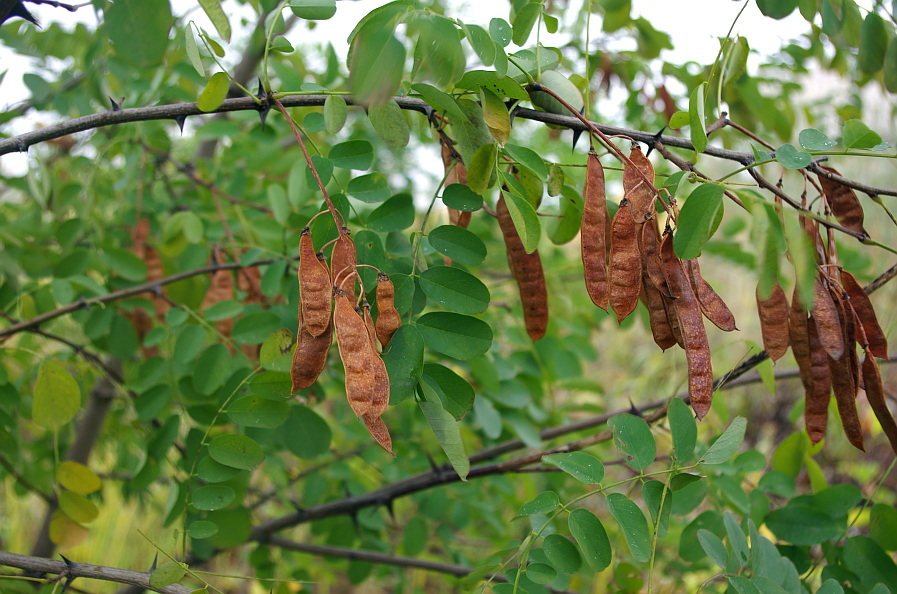
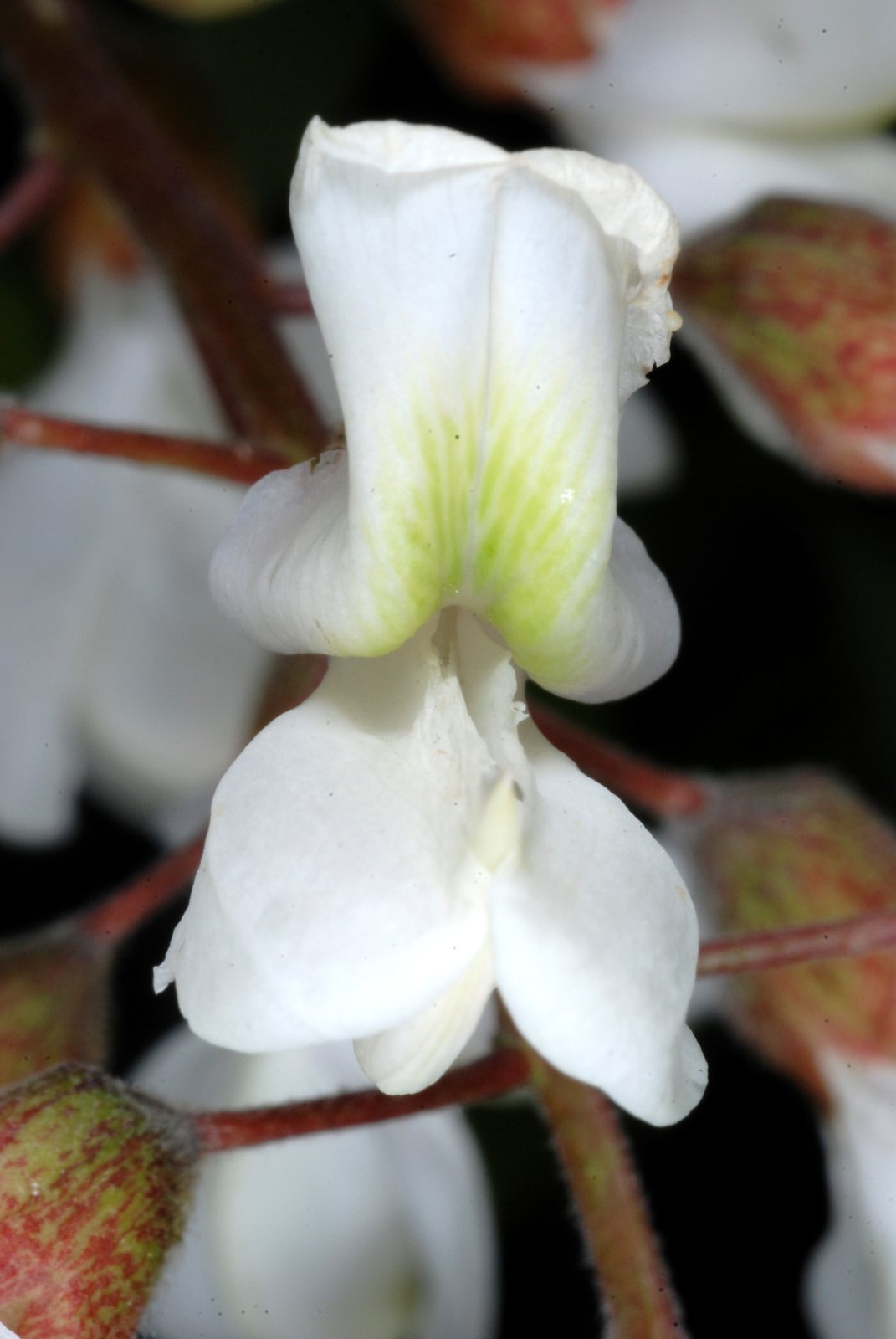
At a glance
- Sun
- Full sun for the strongest golden colour; choose a position sheltered from strong winds.
- Water
- Water regularly while establishing; reasonably drought-tolerant once established, but intolerant of waterlogged soil.
- Soil
- Well-drained soil, including sandy, chalky or relatively poor ground; tolerates a broad pH range. Avoid wet, compacted sites.
- Height
- 30-50 ft (9-15 m)
- Spread
- 20-35 ft (6-10.7 m)
- Flowers
- Occasional hanging clusters of fragrant white flowers in late spring or early summer; 'Frisia' often flowers sparsely or not at all.
- Foliage
- Pinnate leaves with rounded leaflets emerge golden yellow, often soften to yellow-green in summer, and turn yellow in autumn.
- Growth
- Fast when young, slowing with age.
- Care needed
- Medium
The year at a glance
- Pollinators
- Drought tolerant
- Cold hardy
- Wildlife
- Low allergen
- Fragrant
| J | F | M | A | M | J | J | A | S | O | N | D | |
|---|---|---|---|---|---|---|---|---|---|---|---|---|
| Flowers | ||||||||||||
| Plant |
Northern hemisphere months. In Australia, shift them by six.
- Difficulty
- Moderate
- Toughness
- Fairly tough
Will it suit your garden?
Pick your zone, country, light and whether you have pets.
Full sun is 6 or more hours of direct sun a day, part shade 3 to 6 hours, shade under 3.
How it grows
Planting day
7 ft (2 m)
After 1 year
8 ft (2.5 m)
After 2 years
10 ft (3 m)
After 3 years
11 ft (3.5 m)
After 5 years
15 ft (4.5 m)
About 20 years to full size.
From a typical nursery size, at an average rate for this kind of plant. A rule of thumb, not a forecast.
Good to know
- Cats and dogs
- Toxic
- Native to
- the US
- Invasive in
- Canada and Australia
- In the garden
- Spreads vigorously: plan to contain it.
- Growth rate
- Moderate
Care
Jobs through the year
- WaterApr–May, Sep–Oct, every 21 days
- Water established trees only in extended dry spells; young trees need more regular watering.
- WaterJun–Aug, every 14 days
- Water deeply during prolonged drought; water young trees more often and let the surface dry between.
- MulchMar–Apr
- Refresh organic mulch to 5–8 cm deep, keeping the trunk clear.
- PruneAug
- Prune lightly in dry weather for structure or damage; avoid large cuts and topping.
- PruneApr–Sep, every 30 days
- Remove suckers and green rootstock shoots at their origin without disturbing surrounding roots.
- Water deeply during dry spells for the first two growing seasons, allowing the soil surface to dry between waterings.
- Apply a 2-3 in (5-8 cm) organic mulch over the root area, keeping it clear of the trunk.
- Avoid routine high-nitrogen feeding; this nitrogen-fixing tree usually needs no fertiliser.
- Stake young trees only if needed on exposed sites, and remove supports once the roots hold the tree firmly.
- Remove root suckers and any green-leaved rootstock shoots promptly at their point of origin, with as little root disturbance as possible.
Pruning. Prune lightly in late summer to remove dead, damaged or crossing branches and establish a sound framework while the tree is young. Avoid topping and large cuts; have substantial or hazardous limbs assessed by a qualified arborist.
Through the year
- Autumn
- Plant while the soil is workable and not waterlogged; in very cold regions, defer planting until spring.
- Winter
- Check stakes and ties, and inspect the bare crown for broken limbs after storms.
- Spring
- Renew mulch and check the trunk base and surrounding ground for suckers or green-leaved shoots.
- Summer
- Water young trees during dry spells and inspect foliage for persistent wilting, mining or branch dieback.
- Late summer
- Carry out light formative pruning in dry weather; avoid unnecessary large wounds.
In the garden
- Use as a single specimen in a generous lawn, where its golden crown can be seen against darker planting.
- Place in front of dark evergreen trees or hedges to make the foliage contrast clear.
- Use its light canopy above a sunny mixed border, allowing for increasing root competition as it matures.
- Repeat its golden foliage with blue, violet and purple flowers in a large informal garden.
Garden styles it suits: English country, Traditional, Modern rustic, Grand estate, Cottage garden and Architectural minimal.
Plant it with: Catmint, Russian sage, Bearded iris, Hardy geranium, Allium and Lavender.
Wildlife: Flowers, when produced, provide nectar for bees. The canopy offers perching and nesting cover, but the species can displace native open-habitat plants where it escapes cultivation.
Problems to watch for
- Root suckers and green-leaved rootstock shoots: remove promptly at their origin; avoid digging through or damaging roots, which can stimulate more suckers.
- Branch breakage in wind: choose a sheltered site, develop a well-spaced framework when young, and have weak or damaged limbs assessed professionally.
- Persistent crown dieback, reported particularly on 'Frisia': causes vary and may remain uncertain; check drainage and root health, remove dead wood, and seek a local diagnosis before treatment.
- Locust borers and leafminers, especially in North America: maintain tree vigour and inspect declining branches; extensive borer damage warrants professional assessment, while leafminer damage is often mainly cosmetic.
Safety
Toxic to people, cats, dogs and horses if eaten. Bark, seeds and foliage contain toxic compounds; poisoning can cause severe digestive and neurological illness and may be fatal, particularly in horses. Do not allow livestock access to the tree, fallen branches or prunings. Thorns can also cause puncture injuries.
Where it spreads. The species spreads by root suckers and seed and is invasive outside its native range in parts of the northeastern, midwestern and western United States, southern Canada including parts of Ontario and British Columbia, and southeastern Australia including parts of New South Wales and Victoria. It is also naturalised in Britain and can spread locally.
Easily confused with
Golden honey locust (Gleditsia triacanthos 'Sunburst')
Has much smaller leaflets, sometimes on twice-divided leaves, giving a finer texture; its newest growth is yellow while older foliage becomes greener.
Golden Indian bean tree (Catalpa bignonioides 'Aurea')
Has very large, simple heart-shaped leaves rather than leaves divided into many small leaflets.
Black locust (Robinia pseudoacacia)
The ordinary species has green rather than golden foliage and generally flowers more freely; green shoots arising below a 'Frisia' graft are usually this rootstock.
The name
Robinia honours the French gardeners Jean and Vespasien Robin, pseudoacacia means false acacia, and 'Frisia' refers to Friesland in the Netherlands, where the cultivar originated.
Propagation. Usually propagated commercially by grafting or budding onto Robinia pseudoacacia rootstock. Seed does not reliably reproduce the golden cultivar, and suckers from below the graft are rootstock rather than 'Frisia'.
Checked against open data
- Accepted botanical name
- Robinia pseudoacacia
- In the US and Canada
- Native in the lower 48 states. Introduced in Canada.
- Native range
- Alabama, Georgia, Kentucky, Maryland, Pennsylvania and Tennessee.
- Measured
- Soil pH 4.6 to 8.2. Average height 1605 cm.
Sources: GBIF (CC BY 4.0), USDA PLANTS and Trefle (CC BY 4.0). The care and design notes are LandscapeGPT's own.
See it in your own yard.
Upload a photo of your yard and see it redesigned with plants that suit your climate, each checked against your zone.