Golden marguerite 'E.C. Buxton'
Cota tinctoria 'E.C. Buxton'. Family Asteraceae. Perennial.
Also called Anthemis tinctoria 'E.C. Buxton', Dyer's chamomile 'E.C. Buxton'.
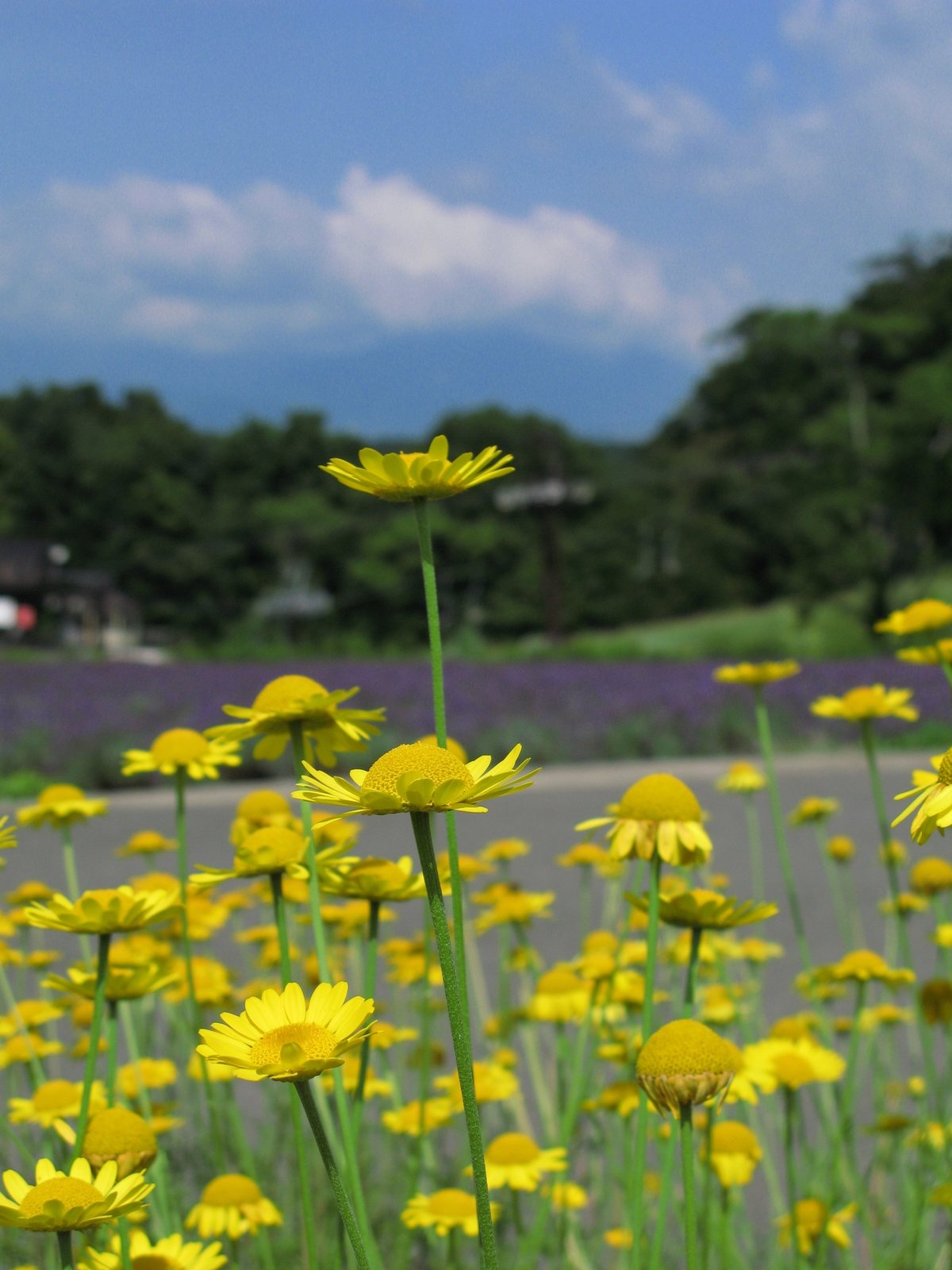
'E.C. Buxton' is a bushy, often short-lived perennial with finely divided foliage and pale lemon-yellow daisies. Gardeners grow it for its long summer flowering season, soft colour and tolerance of dry, sunny conditions once established.
At a glance
- Sun
- Full sun; flowering and stem strength decline in shade.
- Water
- Water regularly during establishment, then mainly during prolonged dry spells. Avoid persistently wet soil, especially in winter.
- Soil
- Well-drained, sandy, gravelly or light loamy soil; tolerates poor soil and neutral to alkaline conditions. Rich, wet soil encourages floppy growth and shortens its life.
- Height
- 2-3 ft (0.6-0.9 m)
- Spread
- 1.5-2 ft (0.45-0.6 m)
- Flowers
- Early summer to early autumn, with pale lemon-yellow petals around deeper yellow centres; repeat flowering is better after trimming.
- Foliage
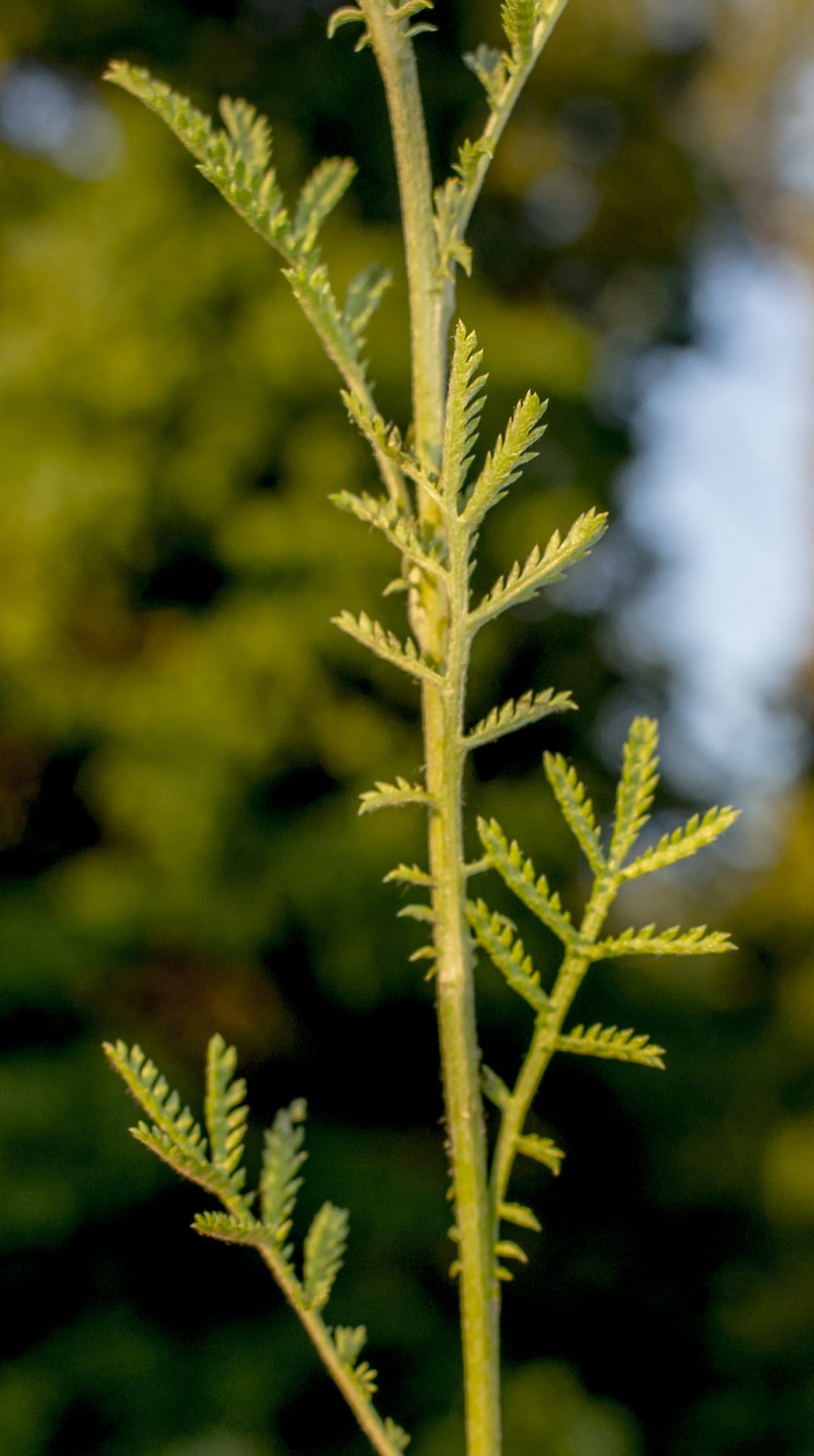
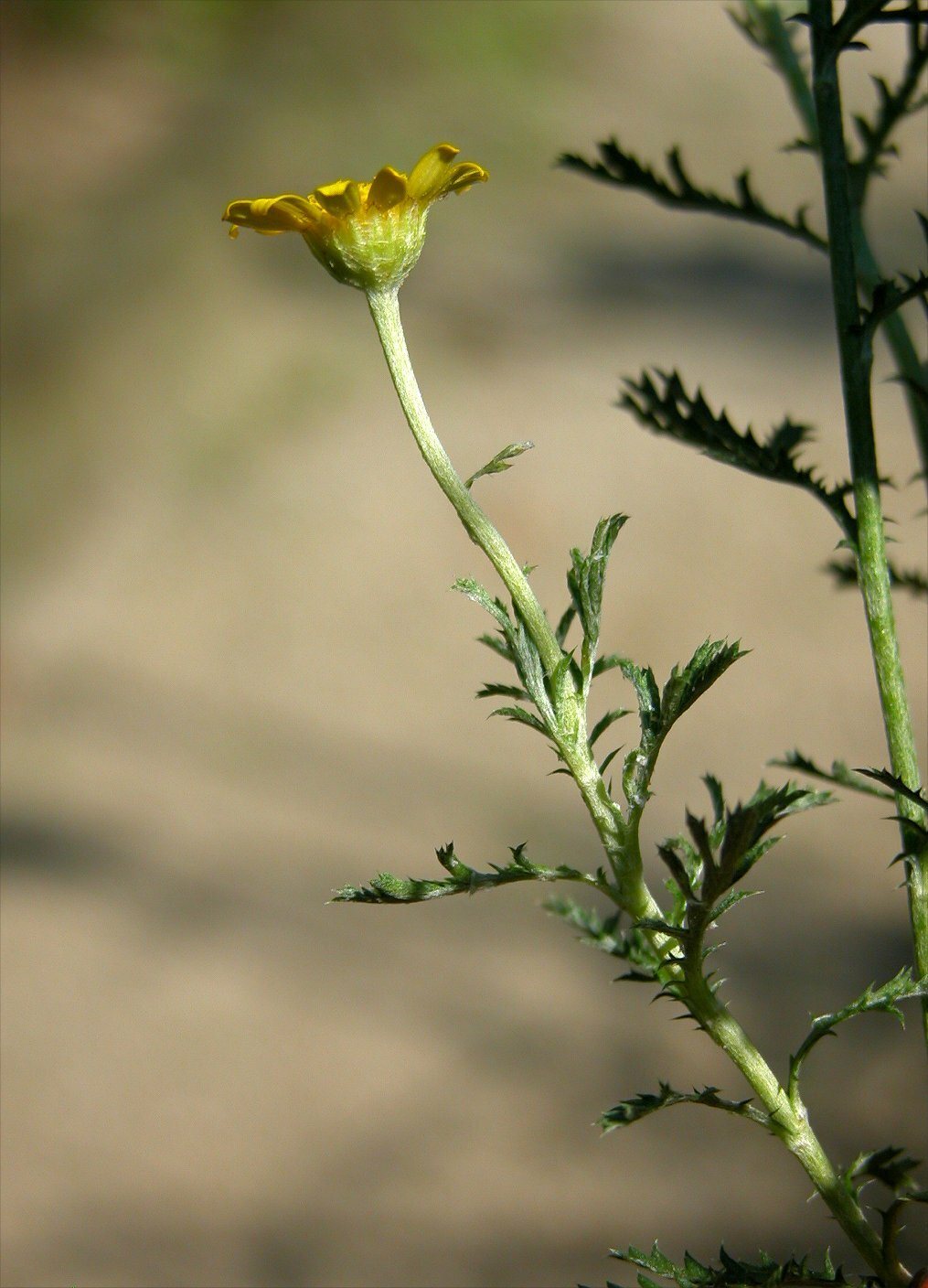
- Finely divided, aromatic, grey-green leaves forming a bushy mound; some foliage may persist through mild winters.
- Growth
- Moderate to fast; usually flowers in its first growing season from a well-rooted plant.
- Care needed
- Low
The year at a glance
- Pollinators
- Deer resistant
- Drought tolerant
- Cold hardy
- Low allergen
| J | F | M | A | M | J | J | A | S | O | N | D | |
|---|---|---|---|---|---|---|---|---|---|---|---|---|
| Flowers | ||||||||||||
| Plant |
Northern hemisphere months. In Australia, shift them by six.
- Difficulty
- Easy
- Toughness
- Very tough
Will it suit your garden?
Pick your zone, country, light and whether you have pets.
Full sun is 6 or more hours of direct sun a day, part shade 3 to 6 hours, shade under 3.
How it grows
Planting day
1 ft (0.3 m)
After 1 year
1.6 ft (0.49 m)
After 2 years
2.2 ft (0.68 m)
After 3 years
2.5 ft (0.75 m)
full size
About 2 years to full size.
From a typical nursery size, at an average rate for this kind of plant. A rule of thumb, not a forecast.
Good to know
- Cats and dogs
- Safe
- Growth rate
- Fast
Care
Jobs through the year
- WaterApr–May, Sep, every 14 days
- Water established plants only during prolonged dry spells; water new plants whenever the root zone begins to dry.
- WaterJun–Aug, every 10 days
- During prolonged drought, water deeply and allow soil to dry between waterings.
- MulchApr
- Use a thin gravel mulch around the crown rather than moisture-retentive material.
- PruneMar
- Remove dead stems without damaging new basal shoots.
- PruneJul–Aug
- After the main flush, optionally shear flowered stems back by one-third to encourage repeat bloom.
- DivideApr–May
- Divide every two to three years, retaining vigorous outer growth.
- DeadheadJun–Sep, every 7 days
- Remove faded flowers regularly unless trimming the whole plant after its main flush.
- ProtectOct–Nov
- Clear fallen leaves from the crown and ensure winter drainage remains free.
- Water new plants deeply when the root zone begins to dry; reduce watering once established.
- Avoid routine feeding; excess fertiliser produces weak, floppy stems.
- Use a thin gravel mulch rather than moisture-retentive mulch around the crown.
- Support stems early with twiggy stakes if the site is windy or the soil is unusually fertile.
- Divide healthy clumps every two or three years in spring to maintain vigour.
Pruning. Remove faded flowers regularly, or shear flowered stems back by about one-third after the main flush to encourage fresh growth and more flowers. Cut remaining dead stems down in early spring, taking care not to damage new basal shoots.
Through the year
- Early spring
- Remove dead stems and check that winter moisture has not rotted the crown.
- Spring
- Plant or divide clumps in freely draining soil, then water until rooted.
- Late spring
- Add discreet supports before stems lengthen if the site is exposed.
- Early summer
- Begin deadheading as the first flowers fade.
- Midsummer
- Trim back after the main flowering flush and water during prolonged drought.
- Autumn
- Remove unwanted seedlings and keep fallen leaves from smothering the crown.
In the garden
- Plant in small groups through a sunny cottage border for repeated patches of soft yellow.
- Combine with purple salvias, catmint or lavender for a clear yellow-and-violet contrast.
- Use in gravel gardens with upright grasses and other drought-tolerant perennials.
- Place beside paths where its finely cut foliage softens the edge without forming a dense groundcover.
Garden styles it suits: Cottage garden, English country, Dry gravel garden, Mediterranean, Pollinator garden and New perennial (prairie).
Plant it with: Catmint, Lavender, Perennial salvia, Yarrow, Globe thistle and Feather reed grass.
Wildlife: The open flower heads provide pollen and nectar for bees, hoverflies and other visiting insects.
Problems to watch for
- Crown or root rot in wet soil: improve drainage or move plants to a raised, gravelly position; discard badly rotted clumps.
- Floppy stems: provide full sun, avoid rich feeding and support young growth before it falls outward.
- Aphids on soft shoots: dislodge small colonies with water and allow predators such as ladybirds to feed on them.
- Short-lived or woody clumps: divide vigorous outer growth in spring or replace plants with rooted cuttings.
Safety
Not known to be toxic to people, cats, dogs or horses, but reliable species-specific information on ingestion is limited. It is not a culinary chamomile. Leaves and stems may irritate sensitive skin; wear gloves if you react to plants in the daisy family.
Easily confused with
Golden marguerite (Cota tinctoria)
The typical species usually has stronger golden-yellow petals; 'E.C. Buxton' has noticeably paler lemon-yellow petals.
Yellow chamomile (Cladanthus mixtus)
This annual has white-tipped petals with yellow bases, rather than the evenly pale-yellow petals of 'E.C. Buxton'.
Marguerite daisy (Argyranthemum frutescens)
Marguerite daisy develops a woody, shrubby framework and is much less winter-hardy; its flowers may be white, pink or yellow.
The name
The species name tinctoria means 'used for dyeing', referring to the yellow dye traditionally obtained from its flowers.
Propagation. Divide in spring or take basal cuttings from fresh spring shoots to preserve the cultivar. Seedlings may appear, but they will not reliably retain its pale flower colour or other characteristics.
Checked against open data
- Accepted botanical name
- Cota tinctoria
- In the US and Canada
- Introduced in Alaska, Canada and the lower 48 states.
- Native range
- Albania, Altay, Austria, Baltic States, Belarus, Belgium, Bulgaria, Buryatiya, Central European Rus, Chita, Czechoslovakia and Denmark.
- Measured
- Soil pH 6.5 to 7. Average height 55 cm.
Sources: GBIF (CC BY 4.0), USDA PLANTS and Trefle (CC BY 4.0). The care and design notes are LandscapeGPT's own.
See it in your own yard.
Upload a photo of your yard and see it redesigned with plants that suit your climate, each checked against your zone.