Golden Mop false cypress
Chamaecyparis pisifera 'Golden Mop'. Family Cupressaceae. Shrub.
Also called Gold Mop false cypress, Golden Mop threadleaf false cypress, Japanese false cypress 'Golden Mop'.
Chamaecyparis pisifera 'Golden Mop' is a slow-growing evergreen conifer with fine, drooping, golden-yellow foliage and a rounded, shaggy outline. Gardeners grow it for year-round colour and soft texture, but it needs room to broaden and can eventually outgrow its small nursery size.
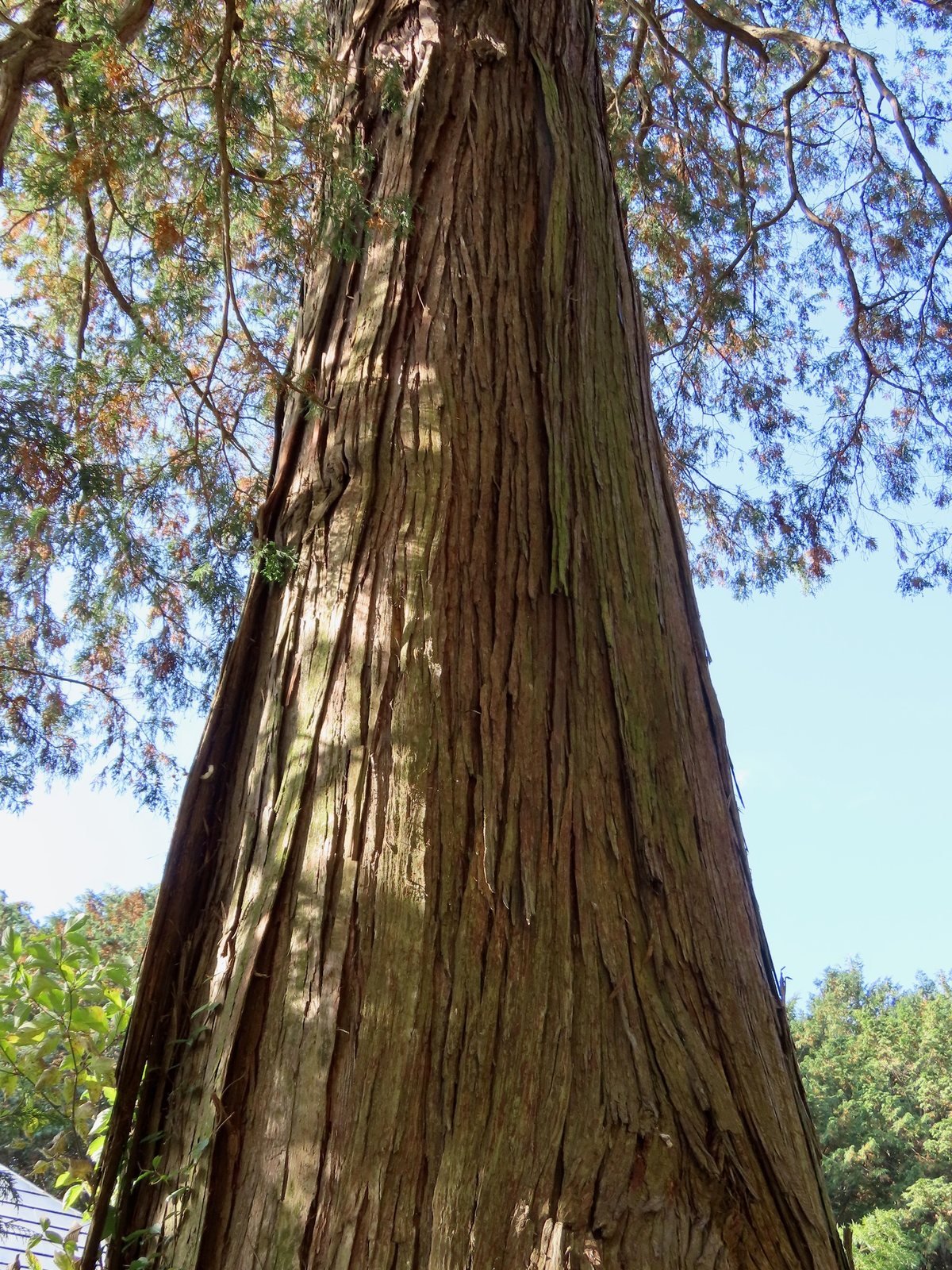
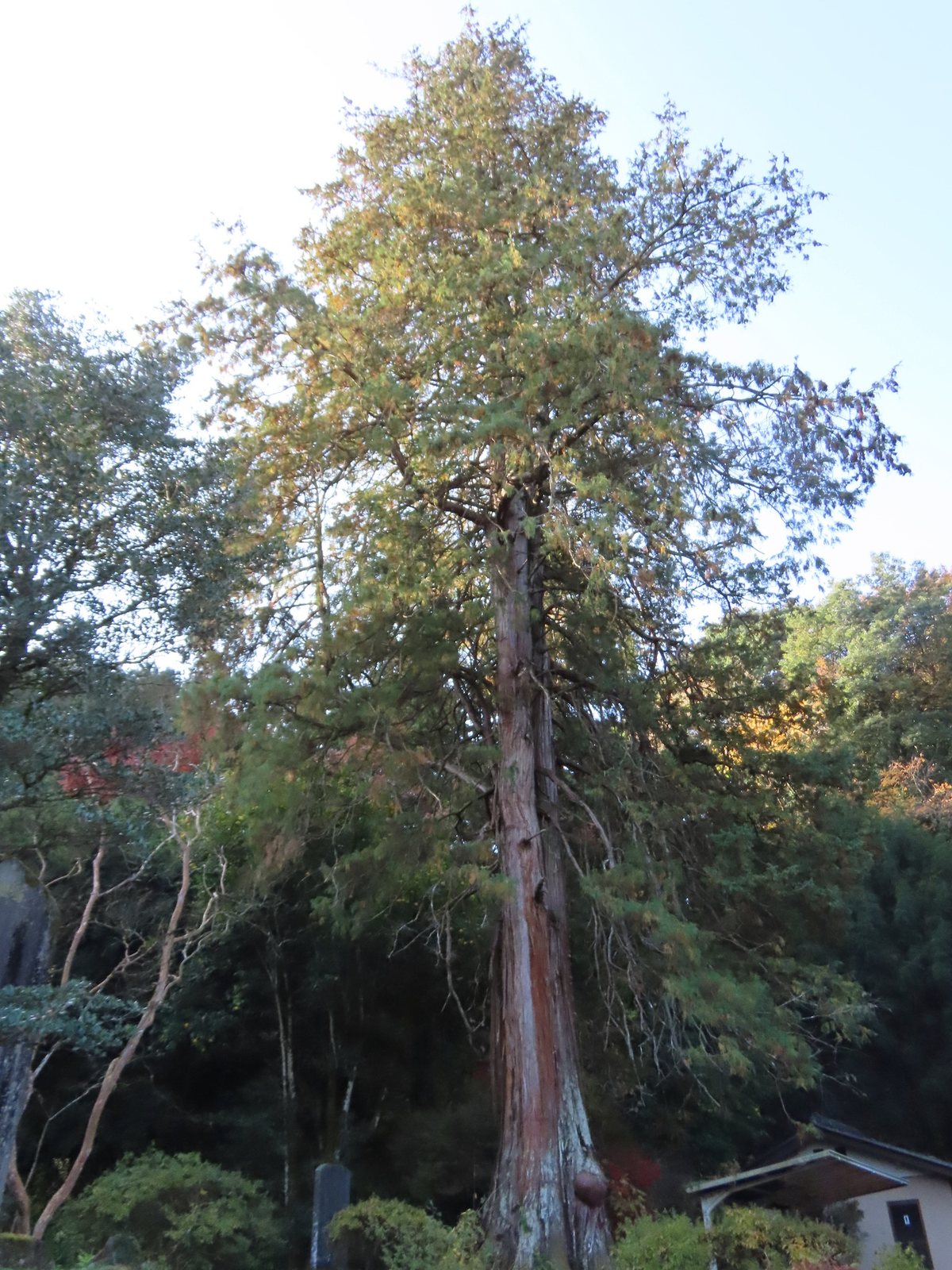
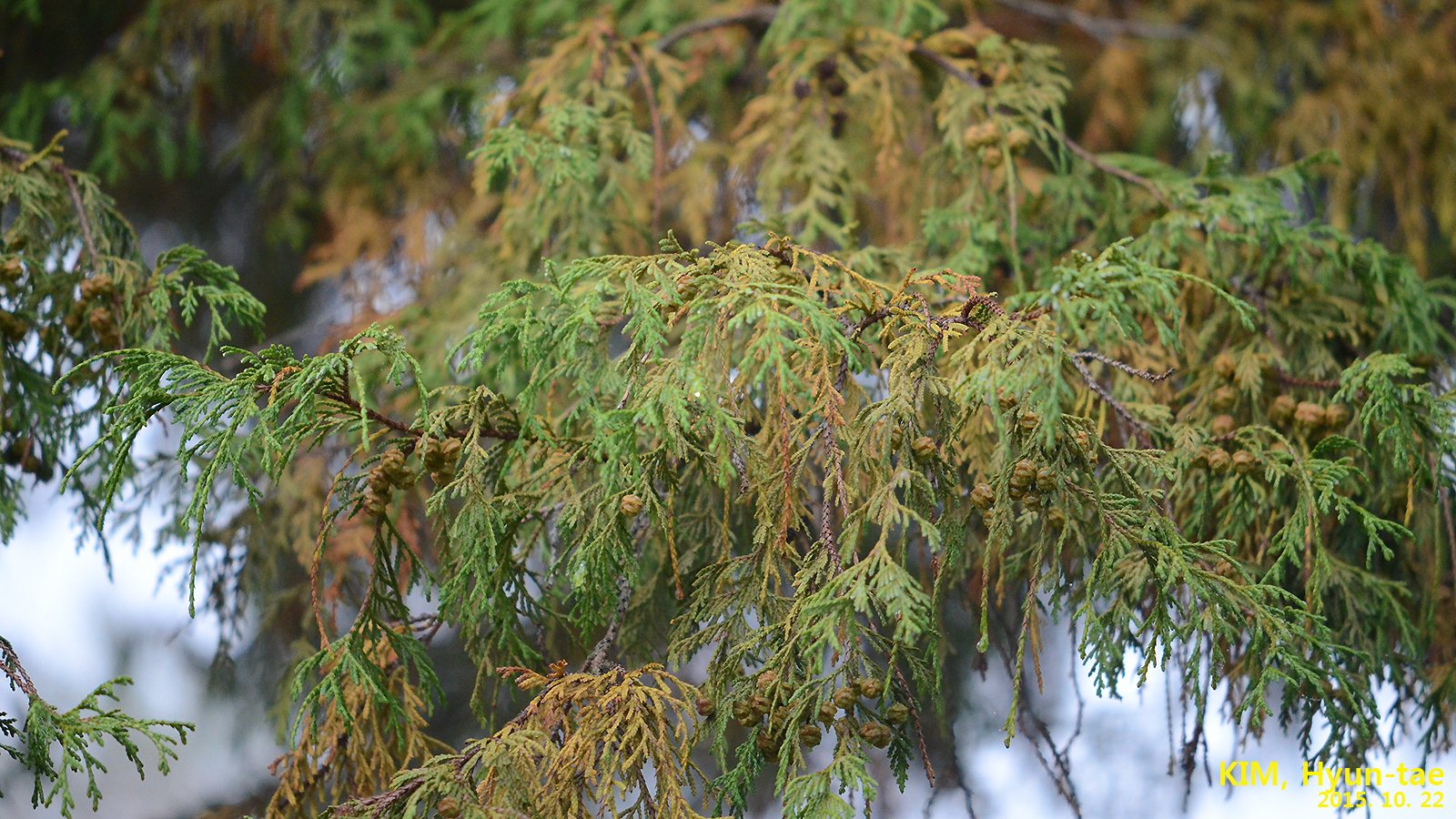
At a glance
- Sun
- Full sun to partial shade. Colour is strongest in sun; light afternoon shade helps in hot summers.
- Water
- Keep the root zone evenly moist but not waterlogged. Water deeply during dry spells, especially during the first two growing seasons; established plants tolerate brief dry periods but not prolonged drought.
- Soil
- Moist, well-drained soil, preferably slightly acidic to neutral. Avoid persistently wet ground and very dry, shallow soil.
- Height
- 3-5 ft (0.9-1.5 m), sometimes taller after many years
- Spread
- 3-5 ft (0.9-1.5 m), sometimes wider after many years
- Foliage
- Fine, threadlike, pendulous sprays of golden-yellow evergreen foliage. Shaded inner growth is greener, and exposed foliage may bronze slightly in winter.
- Growth
- Slow; often only a few inches of growth each year.
- Care needed
- Low
The year at a glance
- Deer resistant
- Cold hardy
- Wildlife
| J | F | M | A | M | J | J | A | S | O | N | D | |
|---|---|---|---|---|---|---|---|---|---|---|---|---|
| Plant |
Northern hemisphere months. In Australia, shift them by six.
- Difficulty
- Easy
- Toughness
- Fairly tough
Will it suit your garden?
Pick your zone, country, light and whether you have pets.
Full sun is 6 or more hours of direct sun a day, part shade 3 to 6 hours, shade under 3.
How it grows
Planting day
1.6 ft (0.5 m)
After 1 year
1.9 ft (0.59 m)
After 2 years
2.2 ft (0.68 m)
After 3 years
2.5 ft (0.76 m)
After 5 years
3 ft (0.94 m)
About 8 years to full size.
From a typical nursery size, at an average rate for this kind of plant. A rule of thumb, not a forecast.
Good to know
- Cats and dogs
- Mildly toxic: may upset a stomach
- Growth rate
- Slow
Care
Jobs through the year
- WaterMar–May, Sep–Nov, every 14 days
- Water established shrubs deeply if upper soil is drying; young plants need more frequent checks.
- WaterJun–Aug, every 7 days
- In dry weather, soak established root zones without waterlogging.
- WaterJan–Feb, Dec, every 28 days
- Water established shrubs only if soil is dry and unfrozen.
- MulchMar–Apr
- Maintain 5–8 cm of organic mulch, leaving the trunk and root flare exposed.
- FeedMar–Apr
- Feed lightly only on poor soil or if growth is weak.
- PruneApr–Jun
- Remove confirmed dead shoots and lightly trim stray leafy tips; never cut into bare wood.
- ProtectJan–Feb, Nov–Dec
- Shelter from drying winds and gently brush off loose heavy snow; leave frozen branches alone.
- Plant with the root flare at soil level, leaving room for its mature spread.
- Water deeply when the upper soil begins to dry; do not leave the roots standing in water.
- Apply 2-3 in (5-8 cm) of organic mulch over the root area, keeping it clear of the trunk.
- Feed lightly in spring only if growth is weak or the soil is poor; avoid heavy nitrogen feeding.
- Choose a site sheltered from drying winter winds, particularly in colder regions.
Pruning. Remove dead or damaged shoots in spring, once winter damage is clear. If shaping is necessary, lightly shorten leafy tips in late spring or early summer; do not cut into bare old wood, which usually will not regrow.
Through the year
- Early spring
- Check for winter scorch and broken branches; remove dead growth once live growth is distinguishable.
- Spring
- Plant while the soil is workable and refresh mulch without covering the trunk.
- Late spring
- Lightly trim wayward leafy tips only if needed to maintain the outline.
- Summer
- Check soil moisture during dry weather and inspect dull or stippled foliage for spider mites.
- Autumn
- Water during dry spells before the ground freezes in cold climates.
- Winter
- Gently brush off loose, heavy snow before it splays the branches; leave frozen branches alone.
In the garden
- Use as a golden focal point among dark-green evergreen shrubs.
- Place beside paths or entrances where its threadlike foliage can be seen closely, allowing space for its eventual width.
- Combine with purple-leaved shrubs and low blue-flowered perennials for strong foliage contrast.
- Repeat in mixed conifer plantings to provide rounded forms and winter colour.
Garden styles it suits: Japanese, Zen dry garden, Traditional, Winter interest, Low-maintenance and Pacific Northwest woodland.
Plant it with: Japanese maple, Dwarf blue spruce, Coral bells, Hostas, Japanese forest grass and Siberian iris.
Wildlife: Dense evergreen growth provides shelter for small birds. It offers little nectar or pollen value for pollinating insects.
Problems to watch for
- Spider mites can cause fine stippling, webbing and browning in dry weather. Check affected sprays, rinse them thoroughly with water, and use a labelled insecticidal soap if necessary.
- Root rot can develop in waterlogged soil. Improve drainage before planting, keep the root flare exposed and avoid frequent watering of already wet soil.
- Winter scorch causes exposed foliage to brown after freezing winds or winter drought. Water before freeze-up, mulch the roots and provide wind shelter.
- Interior browning can result from normal ageing and shade within the shrub. Remove loose dead material gently; investigate drainage or drought if browning spreads to the outer tips.
Safety
Not known to be toxic to cats, dogs, horses or people. It is not an edible plant; chewing foliage or cones may cause stomach upset, and handling the foliage may irritate sensitive skin.
Easily confused with
Gold threadleaf false cypress (Chamaecyparis pisifera 'Filifera Aurea')
Also has golden, threadlike foliage, but develops into a much larger, more upright, broadly conical plant rather than a compact, low mound.
Golden dwarf Hinoki cypress (Chamaecyparis obtusa 'Nana Lutea')
Has short, cupped, fan-shaped foliage sprays rather than the long, loose, threadlike sprays of 'Golden Mop'.
The name
Chamaecyparis means 'ground cypress', pisifera means 'pea-bearing' in reference to the small rounded cones, and 'Golden Mop' describes the yellow, shaggy foliage.
Propagation. Take semi-ripe cuttings in late summer and root them in a free-draining propagation mix with consistent humidity. Rooting can be slow; seedlings will not reliably retain the cultivar's colour and habit.
Checked against open data
- Accepted botanical name
- Chamaecyparis pisifera
- Native range
- Japan.
- Measured
- Average height 2000 cm.
Sources: GBIF (CC BY 4.0), USDA PLANTS and Trefle (CC BY 4.0). The care and design notes are LandscapeGPT's own.
See it in your own yard.
Upload a photo of your yard and see it redesigned with plants that suit your climate, each checked against your zone.